What Are Architectural Shingles?
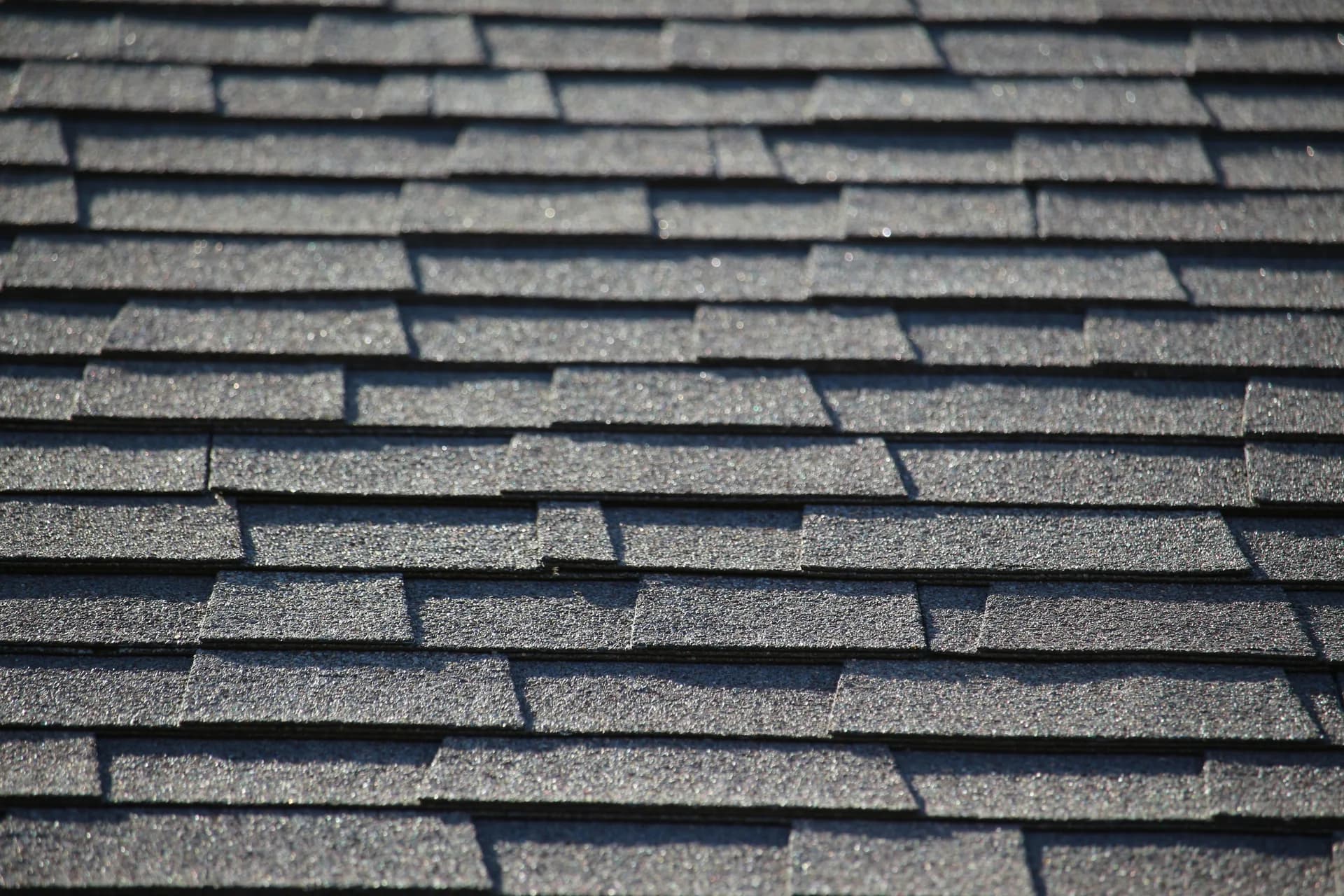
Architectural shingles are multi-layer asphalt shingles with a dimensional appearance and heavier construction than standard 3-tab shingles. Each shingle weighs 50–65% more than a 3-tab equivalent and carries two or more laminated asphalt layers bonded together. The thicker profile creates shadow lines that mimic the look of wood shake or slate.
Most architectural shingles are rated for 110–130 mph wind resistance, compared to 60–70 mph for 3-tab. Manufacturer warranties typically run 30–50 years, though actual lifespan depends on installation quality, attic ventilation, and local climate. In hail-prone regions, impact-rated architectural shingles earn insurance discounts in many states.
Architectural shingles represent roughly 80% of residential roofing installations nationwide. The category includes both standard architectural lines and premium versions with enhanced granule coatings, algae resistance, and Class 4 impact ratings for severe weather zones.
What Are 3-Tab Shingles?
3-tab shingles are single-layer asphalt shingles with three equally sized tabs per shingle, creating a flat, uniform appearance across the roof. Each shingle weighs roughly 200–250 pounds per square (100 square feet of coverage), making them lighter and less costly than architectural options. The single-layer design offers basic waterproofing but minimal wind uplift resistance.
Wind ratings for 3-tab shingles range from 60–70 mph under ASTM D3161 testing. Warranties run 20–25 years, with realistic field lifespan of 15–20 years in moderate climates and 12–15 years in high-UV or storm-active regions. Granule loss accelerates on 3-tab products because the thinner asphalt mat holds less embedded material.
3-tab shingles now account for less than 20% of new installations. Their primary advantage is upfront cost, making them a fit for rental properties, budget-conscious projects, or roofs nearing end-of-ownership where long-term value is less relevant.
How Much Do Architectural Shingles Cost Compared to 3-Tab?
Architectural shingles cost $450–$600 per square installed, while 3-tab shingles cost $350–$450 per square installed in most markets. On a typical 2,000 square foot roof (20 squares), the price difference is $2,000–$3,000. Material cost accounts for roughly 40% of the total; labor, disposal, underlayment, and flashing make up the rest.
The per-year cost reverses the upfront difference. A $12,000 architectural roof lasting 30 years costs $400 per year; a $9,000 3-tab roof lasting 15 years costs $600 per year. Over two replacement cycles, the architectural option saves $3,000–$6,000 in avoided second replacements.
In storm-prone regions, impact-rated architectural shingles add $50–$100 per square but qualify for insurance discounts of 10–35% in states with hail or hurricane exposure. The payback period on impact-rated upgrades is typically 5–8 years when premium reductions are factored. Estimates based on available industry data; individual project costs vary by roof size, pitch, material, and regional labor rates.
Which Shingle Type Performs Better in High-Wind Areas?
Architectural shingles perform significantly better in high-wind areas due to heavier weight, adhesive strips along the full length of each shingle, and multi-layer construction that resists uplift. Standard architectural products are rated for 110 mph winds; high-performance lines reach 130 mph. 3-tab shingles max out at 70 mph under the same test protocols.
Wind damage to 3-tab roofs in storm zones often begins at wind speeds below the rated threshold because age, sun exposure, and thermal cycling degrade the asphalt sealant over time. A 10-year-old 3-tab roof may lose tabs in winds as low as 50 mph. Architectural shingles maintain better adhesion because their weight keeps them pressed to the deck even when sealant weakens.
In hurricane-rated zones and tornado-prone counties, building codes increasingly require shingles rated to ASTM D7158 Class H standards, which 3-tab products cannot meet. Reroofing with 3-tab shingles may not pass final inspection in these jurisdictions unless the existing roof predates current code adoption.
Do Architectural Shingles Handle Hail Better Than 3-Tab?
Standard architectural shingles handle hail marginally better than 3-tab due to thicker asphalt and denser mat construction, but neither meets UL 2218 Class 4 impact resistance without specific design features. Class 4 impact-rated architectural shingles use modified asphalt, reinforced mats, or polymer blends that absorb impact energy without fracturing the substrate. 3-tab shingles are not manufactured in Class 4 configurations.
Hail damage on 3-tab roofs shows up as cracked or missing tabs, exposed mat, and accelerated granule loss around impact points. The single-layer design offers no redundancy when the top surface is compromised. Architectural shingles often bruise without visible surface damage, but repeated hail events still shorten lifespan by degrading internal layers.
In Hail Alley states (Texas, Oklahoma, Kansas, Colorado), Class 4 architectural shingles reduce insurance premiums by 20–35% and qualify for extended wind and impact warranties. Upgrading from 3-tab to Class 4 architectural adds $3,000–$5,000 on a typical replacement but pays back through claim avoidance and lower premiums within one hail cycle.
When Does a 3-Tab Shingle Make Sense?
3-tab shingles make sense when the roof will not reach its warranty lifespan due to planned property sale, redevelopment, or structure demolition within 10–15 years. Rental properties with budget constraints and short hold periods are the most common fit. The lower upfront cost preserves capital without sacrificing functional weather protection during the ownership window.
3-tab is also appropriate for detached garages, sheds, and outbuildings where aesthetics and long-term durability are secondary to cost. These structures typically do not qualify for homeowner insurance coverage, removing the premium discount incentive for upgrading to architectural products.
Municipal permit requirements may restrict 3-tab use in high-wind or wildfire zones. Check with the local building department before specifying 3-tab for replacement projects. Some jurisdictions grandfather existing 3-tab roofs but prohibit new installations under current code.