What Makes Late Spring and Fall the Optimal Roof Replacement Seasons?
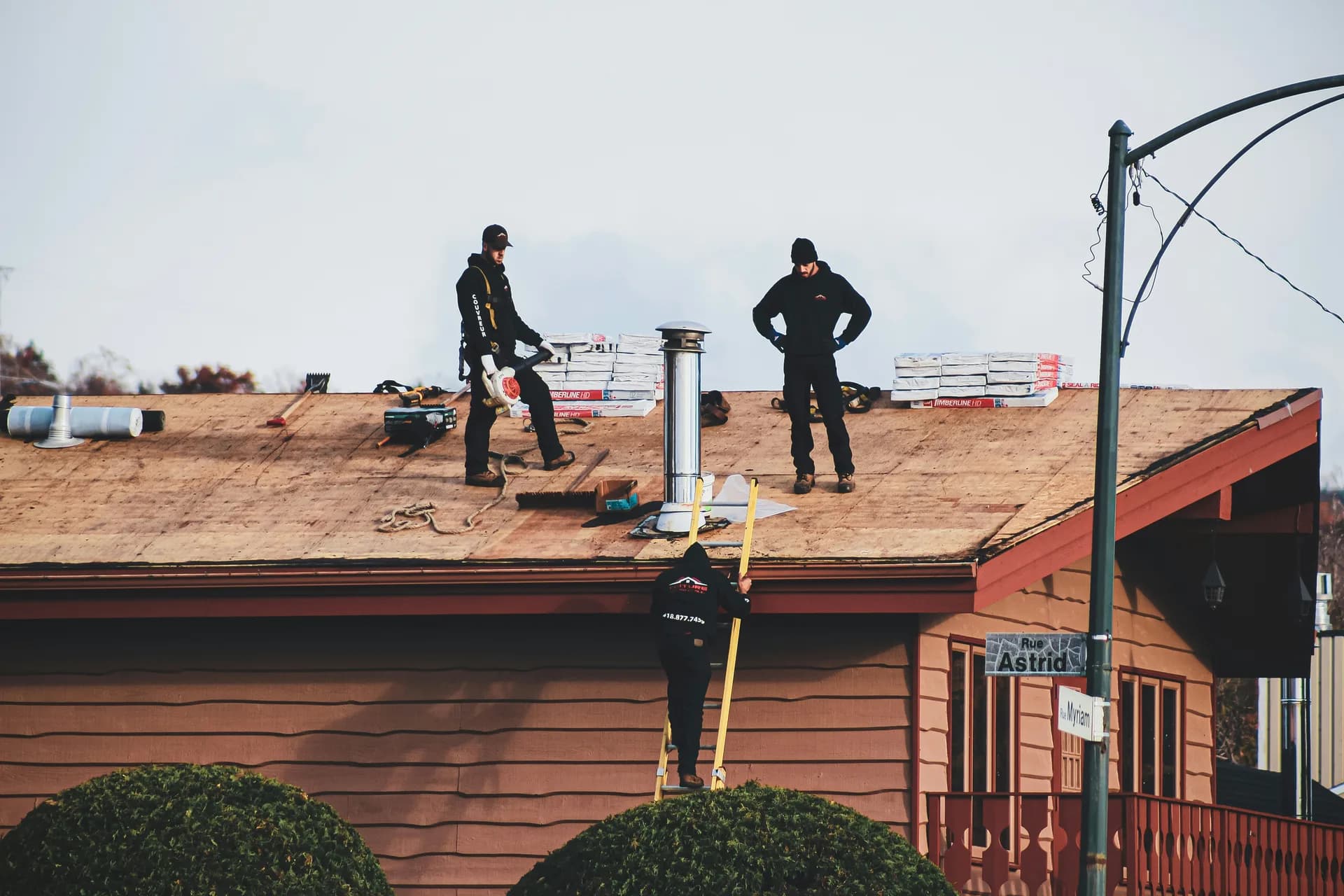
Asphalt shingle adhesive strips require temperatures between 50°F and 85°F to seal properly, and late spring and fall consistently deliver this range across most regions. Roofing crews work faster in moderate temperatures, reducing labor costs by 10–15% compared to summer heat delays. Weather stability matters more than specific temperature: fall brings fewer severe thunderstorms than spring in most states, but both seasons avoid the hurricane corridor (August through October along the Gulf and Atlantic) and winter freeze-thaw cycles that delay material delivery and tear-off work.
Contractor availability fluctuates dramatically by season. Summer books solid in hail-prone states like Texas, Colorado, and Oklahoma as storm damage claims peak from April through June. Scheduling a replacement in September or October after the rush clears often shortens wait times from 6–8 weeks to 2–3 weeks. Late spring captures the window after winter backlog clears but before summer heat arrives, giving you priority scheduling without weather risk.
Material performance during installation determines long-term durability. Shingles installed below 40°F may not seal for months, leaving edges vulnerable to wind uplift during the first storm season. Shingles installed above 95°F can become too pliable, leading to installer damage during nail placement. The 50°F–85°F window in late spring and fall eliminates both risks.
How Does Storm Season Timing Affect Replacement Scheduling?
Hail season runs March through June across the Great Plains and Midwest, creating a contractor bottleneck from May through August as insurance claims flood the market. If you schedule replacement in February or early March before peak hail activity, you lock in pricing and availability before the surge. If hail has already damaged your roof, expect 4–8 week waits during peak claim season versus 2–3 weeks in fall.
Hurricane season spans June through November along the Gulf Coast and Atlantic seaboard, with peak activity in August and September. Coastal homeowners should target late winter (February through March) or late fall (November after storm season ends) to avoid both active storm risk during installation and the post-storm contractor scarcity that follows major landfalls. A roof replacement interrupted by a hurricane can leave your home exposed under tarps for weeks as contractors prioritize emergency repairs over incomplete replacement projects.
Winter storm damage in northern states creates a secondary spring replacement wave. Ice dam damage, snow load failures, and freeze-thaw shingle cracking discovered in March often delay replacement until May when temperatures stabilize. Scheduling replacement in late fall before winter weather hits prevents this cycle entirely.
Can You Replace a Roof in Winter or Summer?
Winter roof replacement is possible in southern states where temperatures stay above 40°F consistently, but northern climates face material performance failures below freezing. Asphalt shingle sealant strips require sustained warmth to bond, and installations completed in January may not fully seal until April, leaving the roof vulnerable to wind damage during winter storms. Contractors charge 15–25% premiums for winter work due to slower crew productivity, daylight constraints, and weather delay risk.
Summer replacement works mechanically but creates comfort and cost challenges. Roof surface temperatures exceed 150°F in direct sun across southern states, forcing crews to start at dawn and stop by early afternoon to avoid heat exhaustion. This extends project timelines from the typical 3–5 days to 5–8 days and increases labor costs. Thunderstorm frequency peaks in summer across the Southeast and Midwest, adding weather delay risk that compounds scheduling uncertainty.
Both off-seasons offer pricing leverage in markets with low storm activity. Contractors in temperate climates like the Pacific Northwest and Northern California often discount winter and summer projects by 10–15% to maintain crew schedules during slow periods. If your roof condition allows you to wait for ideal weather and you're willing to accept longer timelines, off-season replacement can deliver savings without compromising quality as long as temperatures stay within manufacturer specifications.
What Roof Conditions Force Replacement Outside Optimal Seasons?
Active leaks into living spaces require immediate replacement regardless of season. Waiting for ideal weather while water damages interior structure, insulation, and electrical systems costs more in remediation than any seasonal premium. Emergency tarping buys time, but tarps fail in high winds and rarely last more than 60–90 days before requiring replacement or causing secondary damage to underlying shingles.
Shingle loss exceeding 20% of total roof area after a storm creates wind uplift risk across the remaining surface. Each missing shingle increases wind pressure on adjacent shingles, accelerating failure during the next weather event. If a spring hailstorm removes significant shingle coverage, schedule replacement immediately rather than risking compounding damage through summer storm season.
Insurance claim deadlines often override seasonal planning. Most carriers require replacement within 12 months of claim approval, and some limit contractor selection or material upgrades if work extends beyond 180 days. If your claim closes in January, winter replacement may be necessary to preserve coverage. Communicate timeline constraints to contractors during estimate requests so they can staff appropriately for off-season work.
How Do Material Choices Affect Seasonal Replacement Timing?
Asphalt shingles dominate residential roofing and install successfully in the widest seasonal window, requiring only 50°F minimum temperatures and dry conditions. Metal roofing installs year-round in most climates since panels require mechanical fastening without adhesive curing, making winter replacement viable in northern states where shingle installation fails. Metal costs $12,000–$25,000 for a 2,000 sq ft roof versus $8,000–$15,000 for architectural shingles, but seasonal flexibility can offset the premium if you're replacing during a contractor slow period.
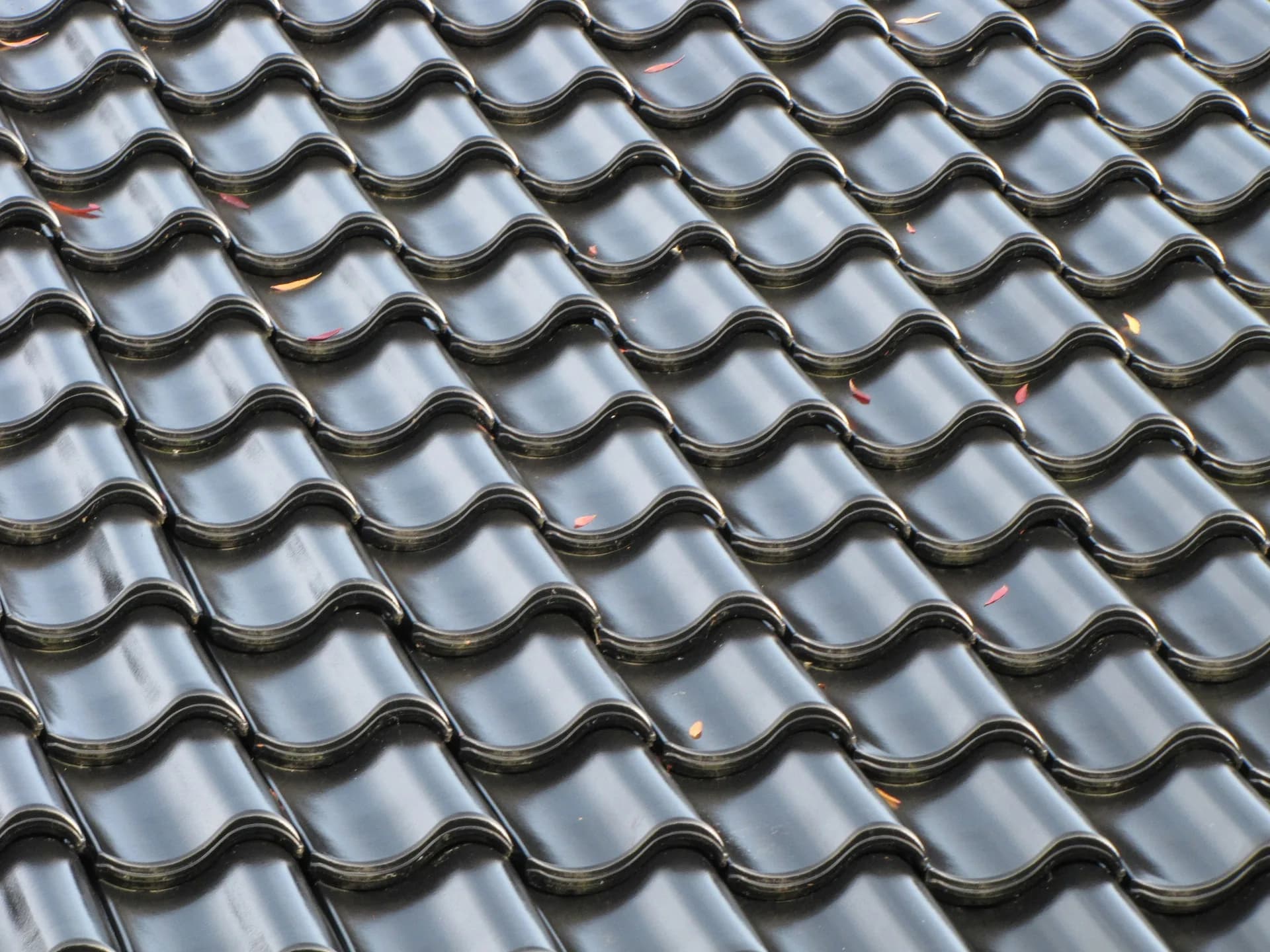
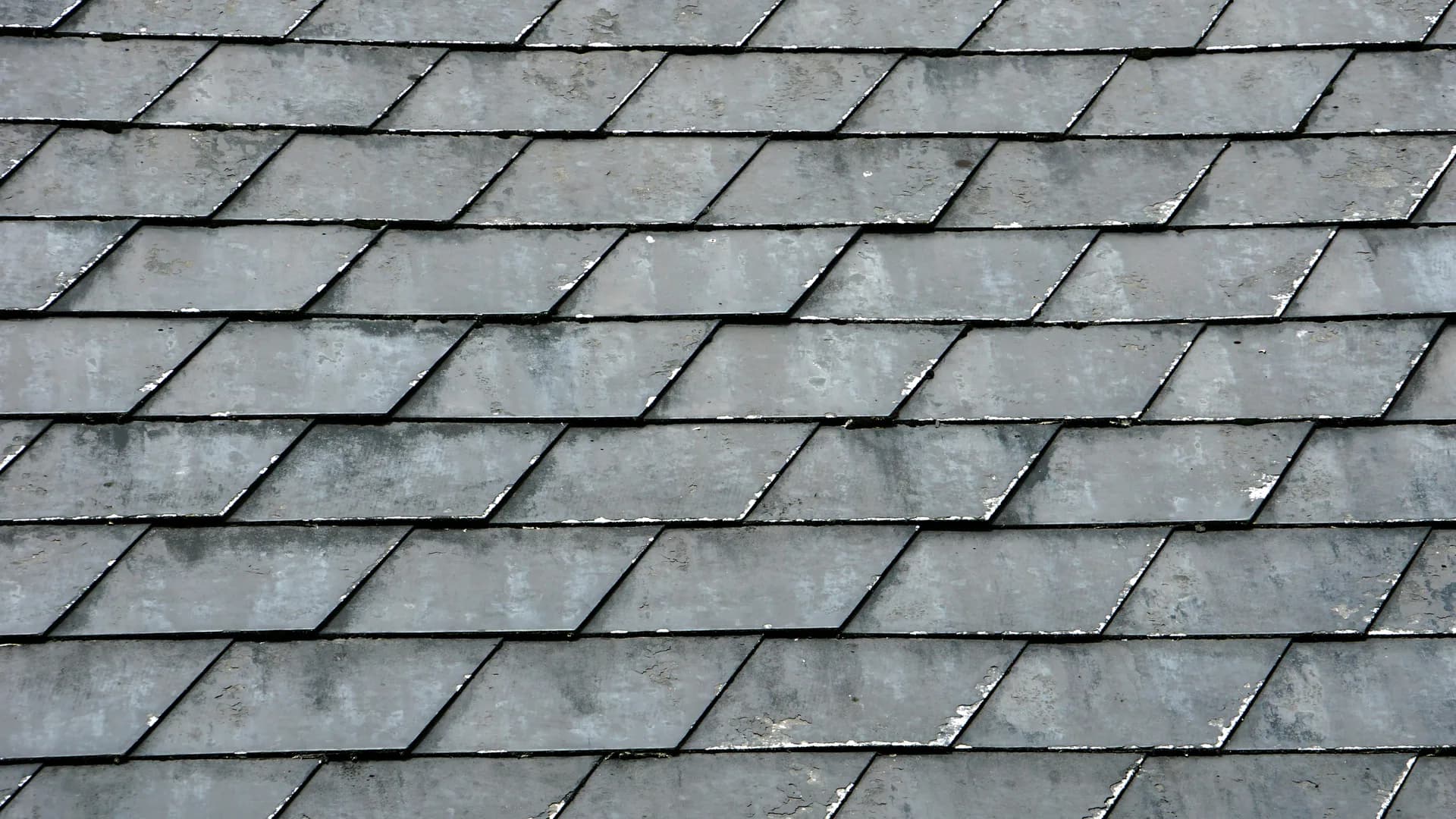
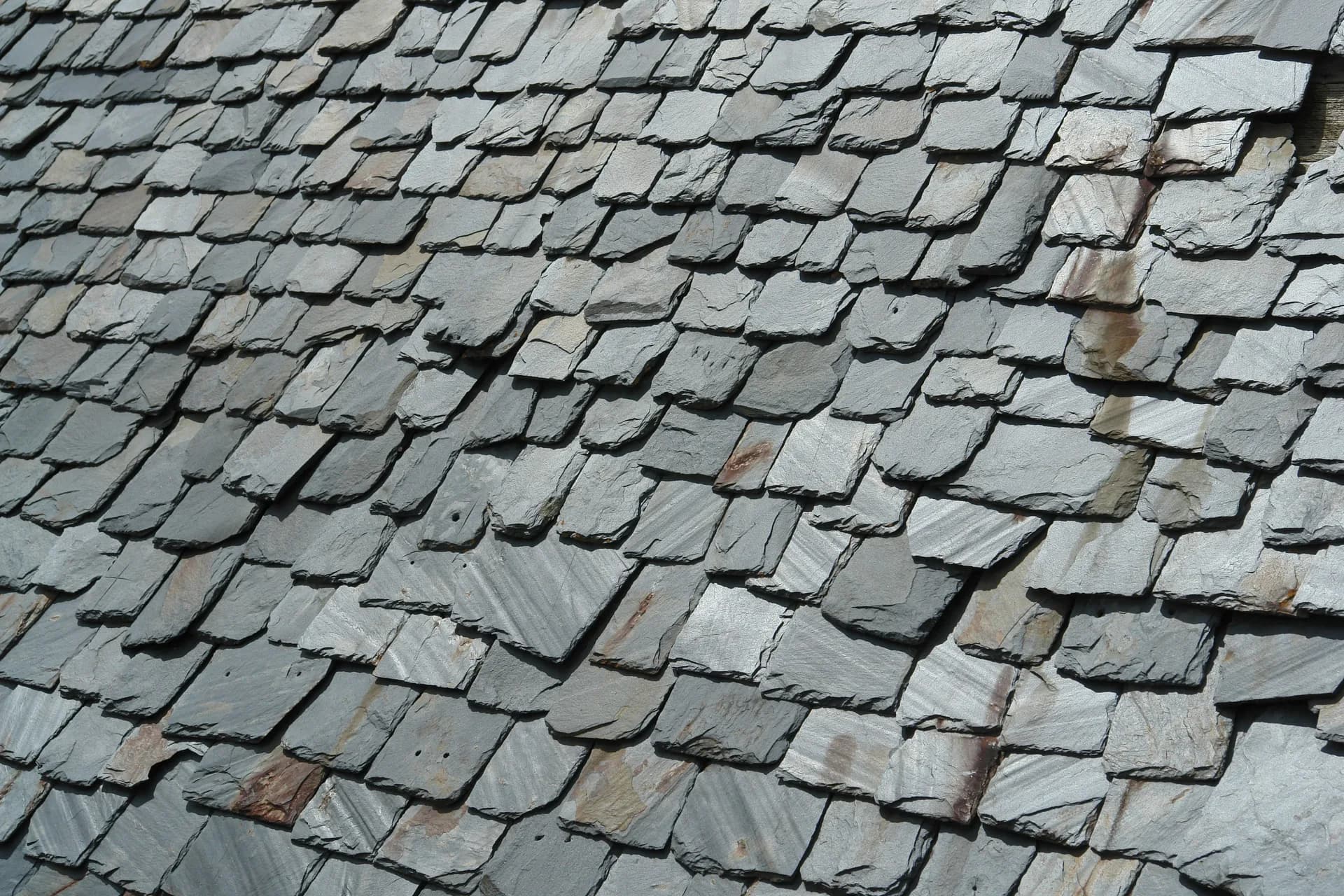
Tile and slate require dry installation conditions and longer project timelines due to individual unit placement, making fall the optimal season in most regions. Spring rain frequency across the Southeast and Midwest can extend tile projects from 7–10 days to 14–18 days with weather delays, increasing labor costs by 20–30%. If you're upgrading to tile or slate, target September through November for the most predictable scheduling.
Flat roof systems using EPDM, TPO, or modified bitumen membranes require sustained temperatures above 40°F for adhesive curing and seam welding. Summer heat accelerates installation but creates blister risk if moisture is trapped under membranes during high-temperature application. Late spring offers the best balance of warm temperatures without extreme heat for flat roof replacement on commercial properties and low-slope residential sections.
What Questions Should You Ask Contractors About Seasonal Scheduling?
Ask how many projects they have scheduled before yours and what their average completion timeline is for your roof size and complexity during the season you're targeting. A contractor with 12 projects queued in May will push your start date into July regardless of what they quote initially. Request a written start date range and a daily progress schedule so you understand weather delay impacts before signing.
Confirm their material storage and delivery process for your target season. Shingles stored in direct summer sun before installation can arrive damaged or overly pliable. Winter deliveries require covered storage to prevent moisture absorption before installation. Contractors who pre-order materials and store them in climate-controlled warehouses deliver better quality than those who schedule just-in-time delivery during extreme weather.
Verify their weather delay policy in writing. Some contractors charge storage fees if your project is postponed due to rain or wind after materials are delivered. Others absorb short delays but add labor premiums for projects that extend beyond 10 days due to weather interruptions. Understanding these terms before signing prevents surprise costs during unpredictable spring storm seasons.