What Licensing Requirements Apply to Roofing Contractors in Indiana?
Indiana does not require state-level licensing for roofing contractors, but most municipalities and counties issue permits for roof replacement projects and require contractors to register locally. Homeowners should verify that any contractor they're considering holds the necessary local permits and registrations with their city or county building department before signing a contract.
In cities like Indianapolis, Fort Wayne, and Evansville, contractors typically register with the local building department and must demonstrate proof of liability insurance and workers' compensation coverage to pull permits. Permit requirements often kick in for projects exceeding specific dollar thresholds or square footage limits set by the municipality.
Verify contractor credentials directly with your local building department rather than relying solely on what the contractor claims. Storm-damaged areas often attract out-of-state contractors who may not be familiar with Indiana's municipal registration requirements or permit processes.
How Do Indiana's Storm Patterns Affect Contractor Selection?
Central Indiana counties experience some of the highest hail frequencies in the Midwest, with Marion, Hamilton, and Hendricks counties averaging 3–5 hail events per year. Contractors familiar with Indiana's hail corridors understand how to document granule loss, shingle bruising, and underlayment damage in ways that insurance adjusters recognize and approve.
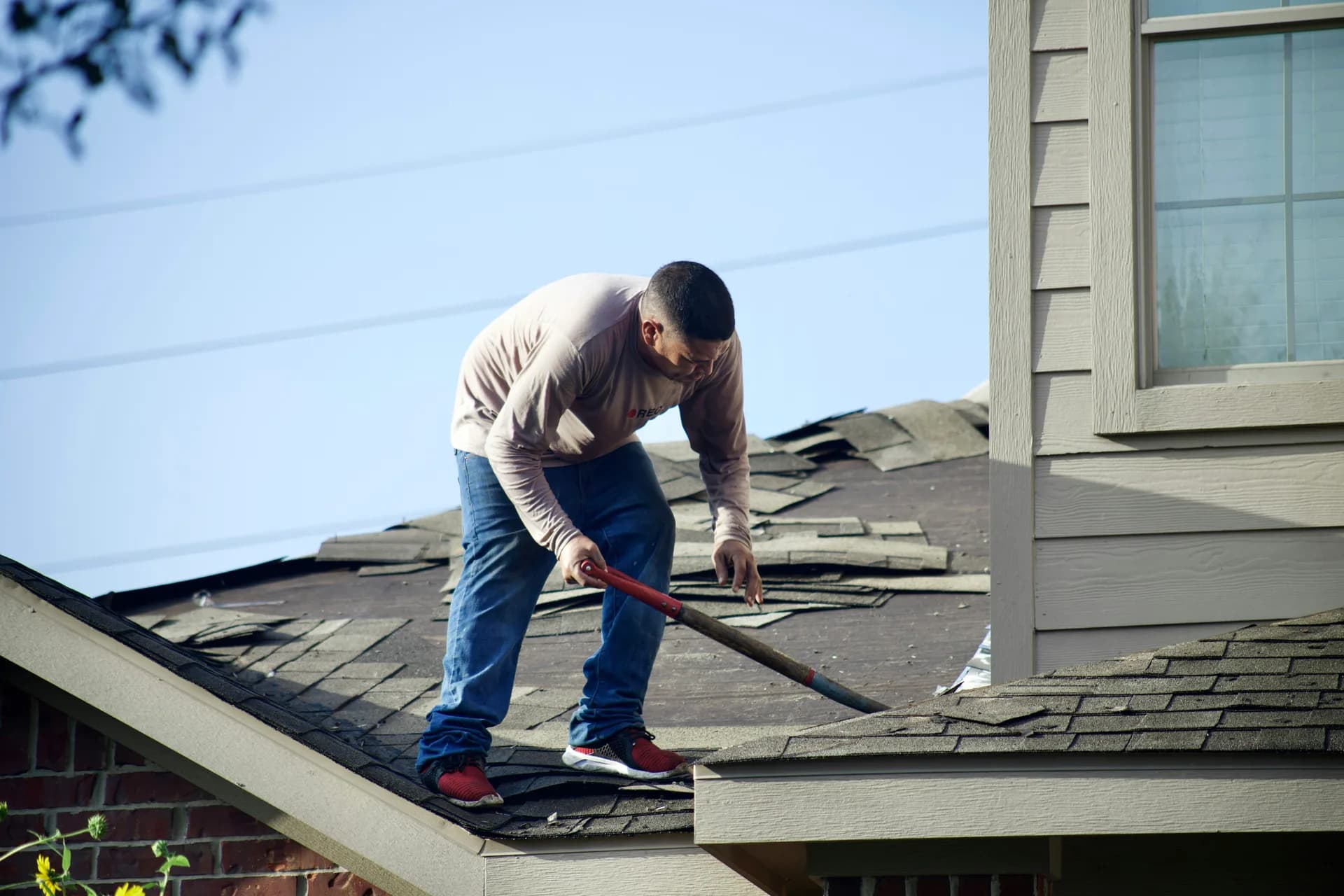
Severe thunderstorm wind events—common from April through August—cause shingle blow-off and flashing failure across the state. Contractors experienced with Indiana storm damage know to inspect ridge vents, valley flashing, and step flashing around chimneys, areas frequently missed by less experienced crews.
Ask prospective contractors how many hail-damaged roofs they've replaced in Indiana in the past two years and request references from those projects. Contractors who work regularly in Indiana's storm-affected areas will have verifiable project histories and established relationships with local insurance adjusters.
What Should Homeowners Ask About Insurance Claim Experience?
Contractors with strong insurance claim experience will provide a detailed roof inspection report with photos documenting damage patterns, measured hail strike diameters, and specific code violations or safety issues triggered by storm damage. This documentation becomes the foundation of your insurance claim and separates contractors who understand the process from those who simply install roofs.
Ask contractors whether they attend insurance adjuster inspections and how they handle claim disputes when initial settlements fall short of replacement costs. Experienced contractors coordinate with adjusters, provide supplemental damage documentation when needed, and know which carriers operating in Indiana typically require additional evidence for hail damage claims.
Avoid contractors who offer to waive deductibles, promise to cover your insurance deductible, or guarantee claim approval. These practices violate Indiana insurance fraud statutes and can void your policy or result in claim denial.
How Much Does Storm-Damage Roof Replacement Cost in Indiana?
Full asphalt shingle roof replacement in Indiana typically costs $8,000–$18,000 for a 2,000-square-foot home with moderate pitch, depending on material grade, removal complexity, and whether structural repairs are needed. Impact-resistant shingles rated Class 4—recommended for Indiana's hail-prone counties—add $1,500–$3,000 to total project cost but may reduce homeowner insurance premiums by 10–20 percent.
Flat or low-slope sections common on ranch-style homes throughout Indiana require modified bitumen or TPO membrane systems, which cost $4–$7 per square foot installed. Steep-pitch roofs with multiple valleys, dormers, or complex flashing details increase labor costs by 15–30 percent compared to simple gable designs.
Estimates based on available industry data; individual project costs vary by roof size, pitch, material, and regional labor rates. Request itemized written estimates from at least three licensed contractors and compare material specifications, warranty terms, and payment schedules before choosing.
What Warning Signs Indicate an Unreliable Contractor?
Contractors who require full payment upfront, refuse to provide written contracts, or pressure homeowners to sign the same day they provide estimates are red flags common in post-storm contractor fraud. Legitimate contractors provide detailed written proposals, accept deposits of 10–25 percent to order materials, and structure payment schedules tied to project milestones.
Contractors operating out of unmarked vehicles, lacking local business addresses, or unable to provide proof of active liability insurance and workers' compensation coverage should be avoided. Storm-damaged areas attract transient contractors who complete substandard work and disappear before warranty issues surface.
Verify that contractors can provide manufacturer certifications for the materials they're proposing. GAF, CertainTeed, and Owens Corning—major shingle manufacturers with strong Indiana distribution networks—offer contractor certification programs that require installation training and quality standards. Contractors holding these certifications demonstrate investment in their trade beyond simply bidding jobs.
How Long Does Roof Replacement Take After Storm Damage in Indiana?
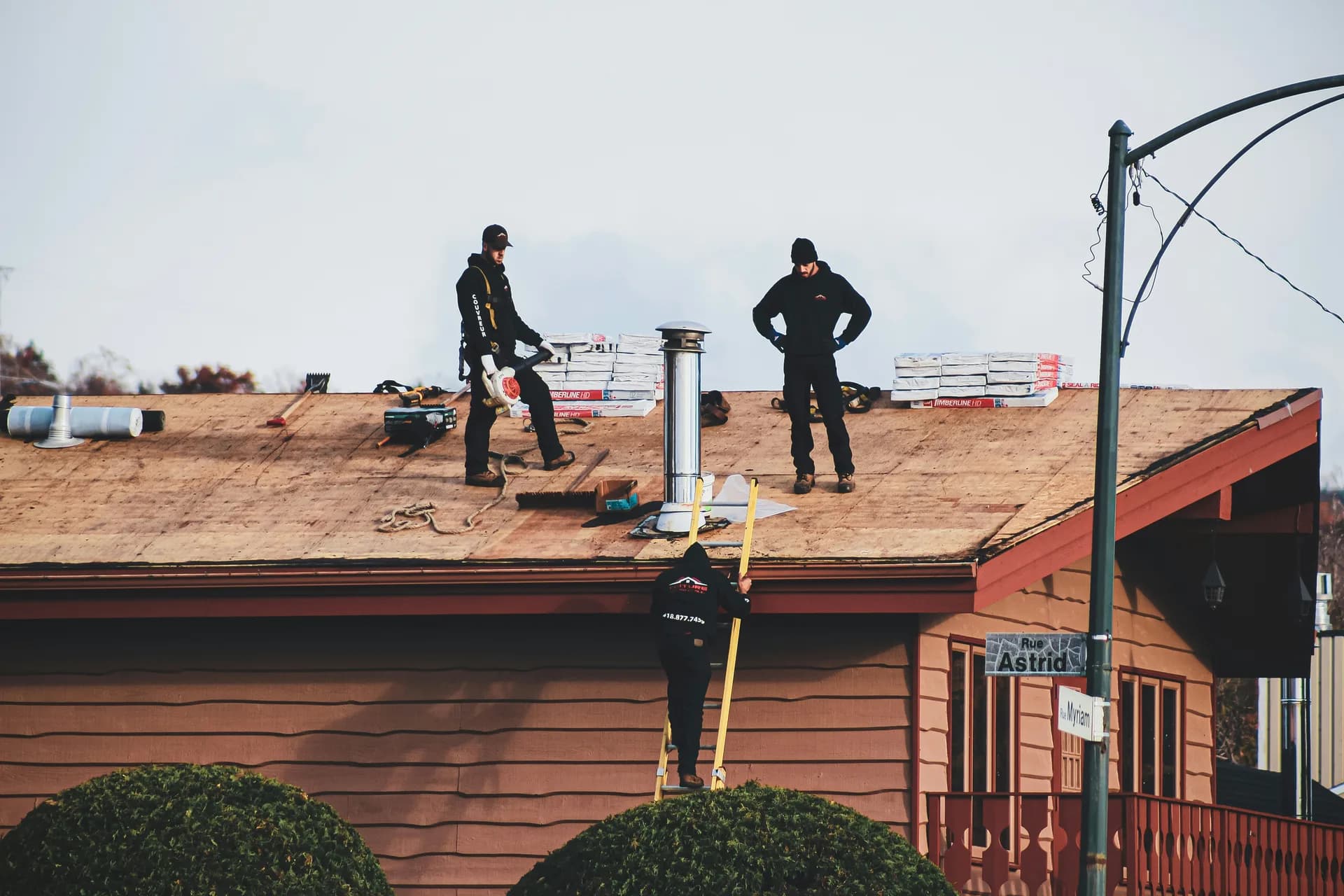
Most full roof replacements on single-family homes in Indiana take 2–5 days from material delivery to final cleanup, depending on roof size, complexity, and weather conditions. Insurance claim processing typically adds 2–6 weeks to the timeline, with variation based on carrier responsiveness and whether supplemental damage documentation is required.
Spring and early summer storm seasons create contractor backlogs across Indiana, particularly in counties affected by widespread hail events. Homeowners whose damage occurs during peak storm season may wait 4–8 weeks for project start dates even after insurance approval.
Emergency tarping to prevent additional interior damage happens promptly after initial contact with a contractor. Tarping is a temporary measure; homeowners should avoid contractors who suggest tarping as a long-term solution or delay permanent repairs without clear explanation tied to insurance processing or material availability.