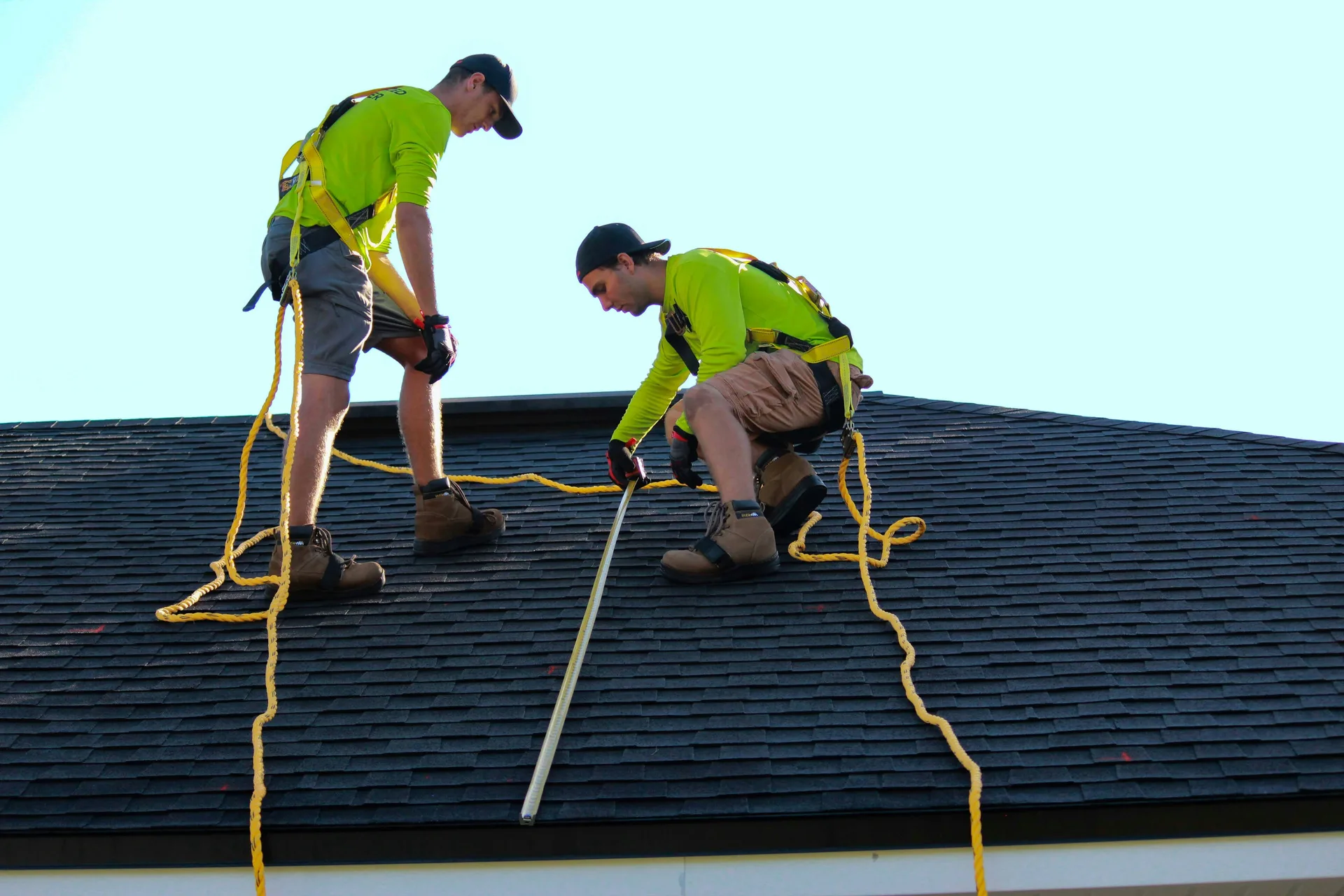
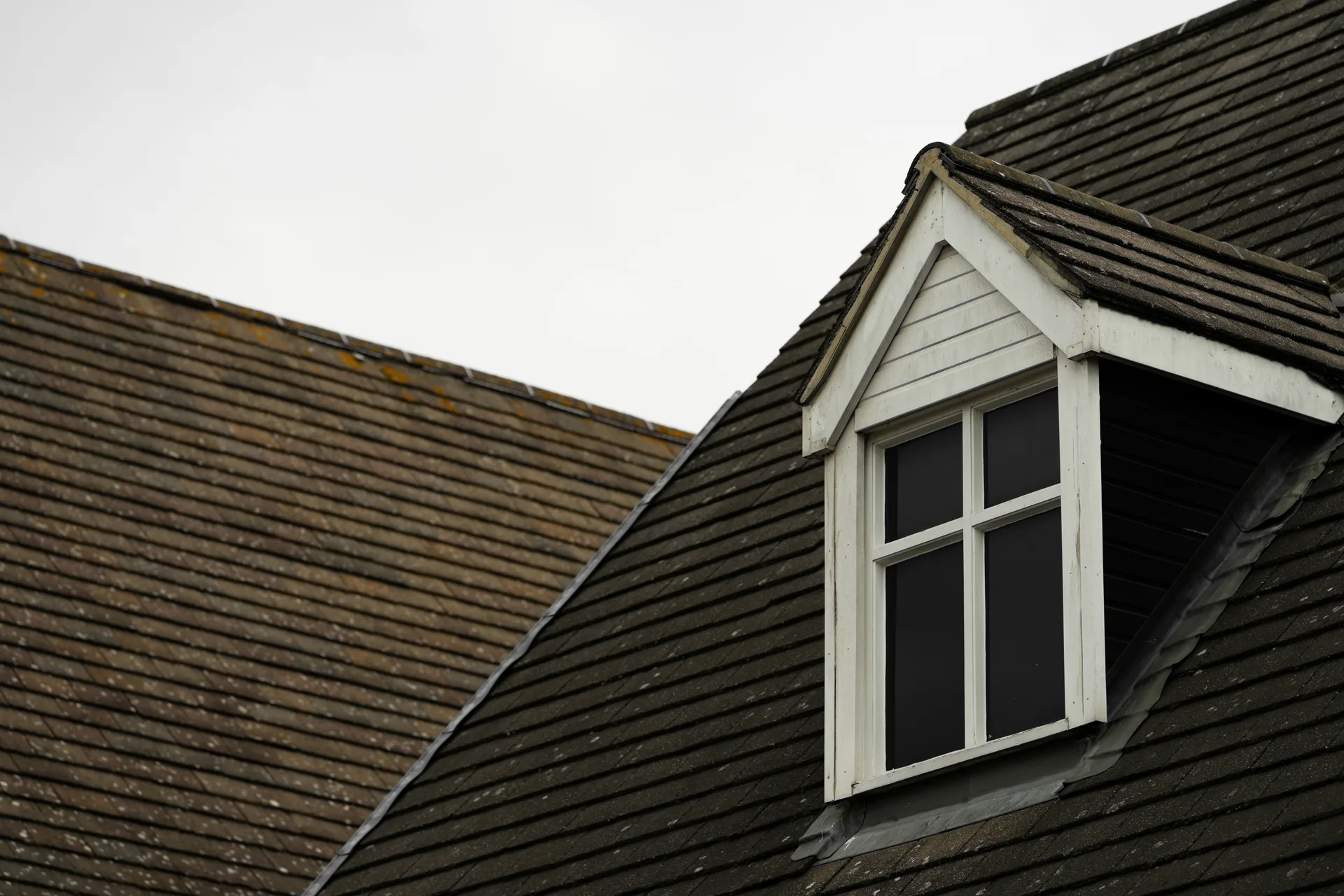
What licensing should a Kansas storm-damage roofing contractor hold?
Kansas does not require state-level roofing contractor licenses, so licensing happens at the city or county level. Most municipalities require a general contractor license or a trade-specific permit for roof replacement work. Verify the contractor holds valid municipal licensing where your home is located by contacting your local building department directly.
Out-of-state contractors working Kansas storm zones after severe weather events must register locally before pulling permits. Many arrive from neighboring states after widespread hail damage and operate legally, but you should confirm they've completed local registration and can secure permits in your jurisdiction.
Request proof of liability insurance with at least $1 million coverage and workers' compensation insurance covering all crew members. Kansas law does not mandate workers' comp for all contractors, but any reputable roofing company working storm damage carries it to protect homeowners from liability if a worker is injured on your property.
How do Kansas hail patterns affect contractor selection?
Kansas ranks among the top five states for annual hail events, with central and south-central counties seeing the highest frequency between April and June. Contractors experienced in Kansas storm restoration understand impact-resistant shingle installation, granule loss assessment, and the hail bruising patterns insurance adjusters look for during inspections.
Ask contractors how many Kansas hail damage projects they completed in the past two years and request addresses you can drive by to assess workmanship. Contractors who work Kansas storms regularly can identify roof damage that homeowners and some adjusters miss, including hidden mat damage on asphalt shingles and compromised flashing around penetrations.
Beware of contractors who pressure immediate decisions or offer to waive your insurance deductible. Both practices are red flags in Kansas, where post-storm contractor activity spikes and some operators use high-pressure tactics to secure contracts before homeowners compare options or verify credentials.
What should Kansas homeowners expect to pay for storm-damage roof replacement?
Full asphalt shingle roof replacement in Kansas typically costs $8,000–$18,000 for a standard 2,000-square-foot home with moderate pitch. Steeper roofs, multiple dormers, or upgrades to impact-resistant Class 4 shingles push costs toward $18,000–$22,000. Estimates based on available industry data; individual project costs vary by roof size, pitch, material, and regional labor rates.
Most insurance policies cover storm damage replacement minus your deductible, which in Kansas typically ranges from $1,000 to $2,500 for wind and hail claims. Contractors who specialize in insurance restoration can provide detailed estimates that match the line items insurance adjusters use, making the claim process smoother.
Get at least three written estimates before signing a contract. Reputable contractors provide itemized breakdowns showing material costs, labor, permits, dumpster rental, and any tear-off charges. Avoid contractors who offer a single lump-sum price without itemization or who discourage you from getting competing bids.
How long does storm-damage roof replacement take in Kansas?
Most Kansas roof replacements take two to four days once work begins, depending on roof size, complexity, and weather. Single-story homes with straightforward layouts often complete in two days; two-story homes with multiple roof planes and penetrations typically require three to four days.
The timeline from contract signing to project completion usually spans two to six weeks. This includes permit approval, material ordering, insurance adjuster coordination, and scheduling. Kansas municipalities typically issue roof replacement permits within five to ten business days, though timelines lengthen after widespread storm events when permit offices process high volumes.
Contractors managing multiple storm-damage projects may have scheduling backlogs extending several weeks during peak hail season. Ask for a specific start date in writing and confirm the contractor will complete your project without interruption once started. Crews that split time between multiple job sites stretch timelines and create coordination problems.
What questions should you ask Kansas roofing contractors before hiring?
Ask how many insurance restoration projects the contractor completed in Kansas in the past year and request three recent references you can contact. Experienced storm-damage contractors provide references readily and can describe their process for working with adjusters, documenting damage, and handling supplement requests when initial estimates fall short.
Confirm the contractor pulls permits for all Kansas roof replacement work and ask who manages the permit process. Contractors who skip permits to save time or costs create liability for homeowners and may deliver work that fails inspection if the municipality discovers unpermitted construction later.
Request a detailed written estimate showing material specifications by manufacturer and product line, labor costs, waste removal, and payment schedule. Reputable contractors tie payments to project milestones, not upfront lump sums. Most Kansas roofing contracts include a deposit of 10–25% with the balance due at completion and final inspection approval.
How do Kansas permit requirements affect contractor choice?
Most Kansas cities and counties require building permits for roof replacement, with fees typically ranging from $75 to $300 depending on project scope and jurisdiction. Contractors familiar with local permit processes handle application, inspection scheduling, and code compliance documentation, reducing delays and ensuring work meets International Building Code standards adopted by Kansas municipalities.
Permit requirements include submitting roof plans, material specifications, and proof of contractor insurance. Some jurisdictions require separate permits for structural changes like rafter reinforcement or deck replacement discovered during tear-off. Ask contractors how they handle mid-project structural findings and whether their estimates include contingency allowances for deck repairs.
Final inspections verify flashing installation, ventilation compliance, and fastener patterns. Contractors who regularly work in your municipality know local inspector expectations and complete work to pass inspection on the first attempt. Permit records also create a paper trail proving the work was completed legally, which benefits future home sales.