What Licensing and Insurance Must a New Mexico Roofing Contractor Hold?
New Mexico does not issue state-level roofing contractor licenses, so licensing requirements are set by individual municipalities and counties. Most cities in New Mexico require a business registration and a municipal contractor license for projects exceeding $7,500 in value, though thresholds vary by jurisdiction. Verify the contractor's local license status directly with your city or county building department before signing a contract.
General liability insurance is mandatory for most permitted roofing work. Contractors working on storm damage projects should carry at least $300,000 in general liability coverage and workers' compensation insurance if they employ staff. Request a certificate of insurance naming your property address and confirm the policy is active through your project's completion date.
Albuquerque, Santa Fe, and Las Cruces enforce stricter contractor registration requirements than smaller municipalities. In these cities, contractors must register with the local Construction Industries Division office and pass a business practices exam. Rural counties may have lighter regulatory oversight, making insurance verification even more critical in those areas.
How Do New Mexico's Hail and Wind Patterns Affect Contractor Selection?
New Mexico experiences concentrated hail activity from April through September, with the highest frequency in the northeast quadrant of the state near Clovis, Portales, and Tucumcari. Contractors operating in these counties should demonstrate familiarity with impact-resistant shingle installation and IBHS FORTIFIED Roof standards, which reduce repeat damage risk during future hail events.
High-altitude areas including Santa Fe, Los Alamos, and Taos face freeze-thaw cycling that degrades roofing materials faster than in desert zones. Contractors serving mountain communities should stock underlayment rated for Class 4 impact resistance and understand ice dam prevention techniques specific to steep-pitch roofs. Ask for references from projects at similar elevations to yours.
Wind damage is most severe in eastern plains counties and along the Rio Grande corridor, where sustained winds above 50 mph occur multiple times per year. Contractors replacing wind-damaged roofs should specify enhanced fastener schedules, sealed shingle tabs, and starter strip reinforcement along eaves and rakes. Verify they follow manufacturer wind-rating guidelines for your specific wind zone.
What Questions Separate Competent Contractors from Inadequate Ones?
Ask how the contractor handles permit applications in your municipality. Competent contractors will describe the specific permit type required for your project, the typical approval timeline in your city, and whether they file permits directly or require homeowner involvement. Contractors unfamiliar with local permit processes create project delays and code compliance risk.
Request a written timeline that includes inspection holds and material delivery windows. Professional contractors build inspection scheduling into their project plan and account for potential delays caused by supply chain issues or weather. Vague timelines with no contingency planning signal poor project management.
Verify their relationship with manufacturers whose products they install. GAF Master Elite and CertainTeed SELECT ShingleMaster certifications require contractors to meet installation volume thresholds, pass training programs, and maintain liability coverage above baseline requirements. These credentials indicate the contractor has installed hundreds of roofs with that manufacturer's materials and can access extended warranty coverage unavailable through non-certified installers.
How Much Does Storm Damage Roof Replacement Cost in New Mexico?
Asphalt shingle replacement on a typical 2,000-square-foot home in New Mexico costs $8,500–$16,000, with higher costs in Albuquerque and Santa Fe due to permit fees and disposal costs. Impact-resistant Class 4 shingles add $1,500–$3,000 to the total but qualify for insurance discounts of 15–35% in hail-prone counties. Request itemized bids that separate material costs, labor, permit fees, and disposal charges.
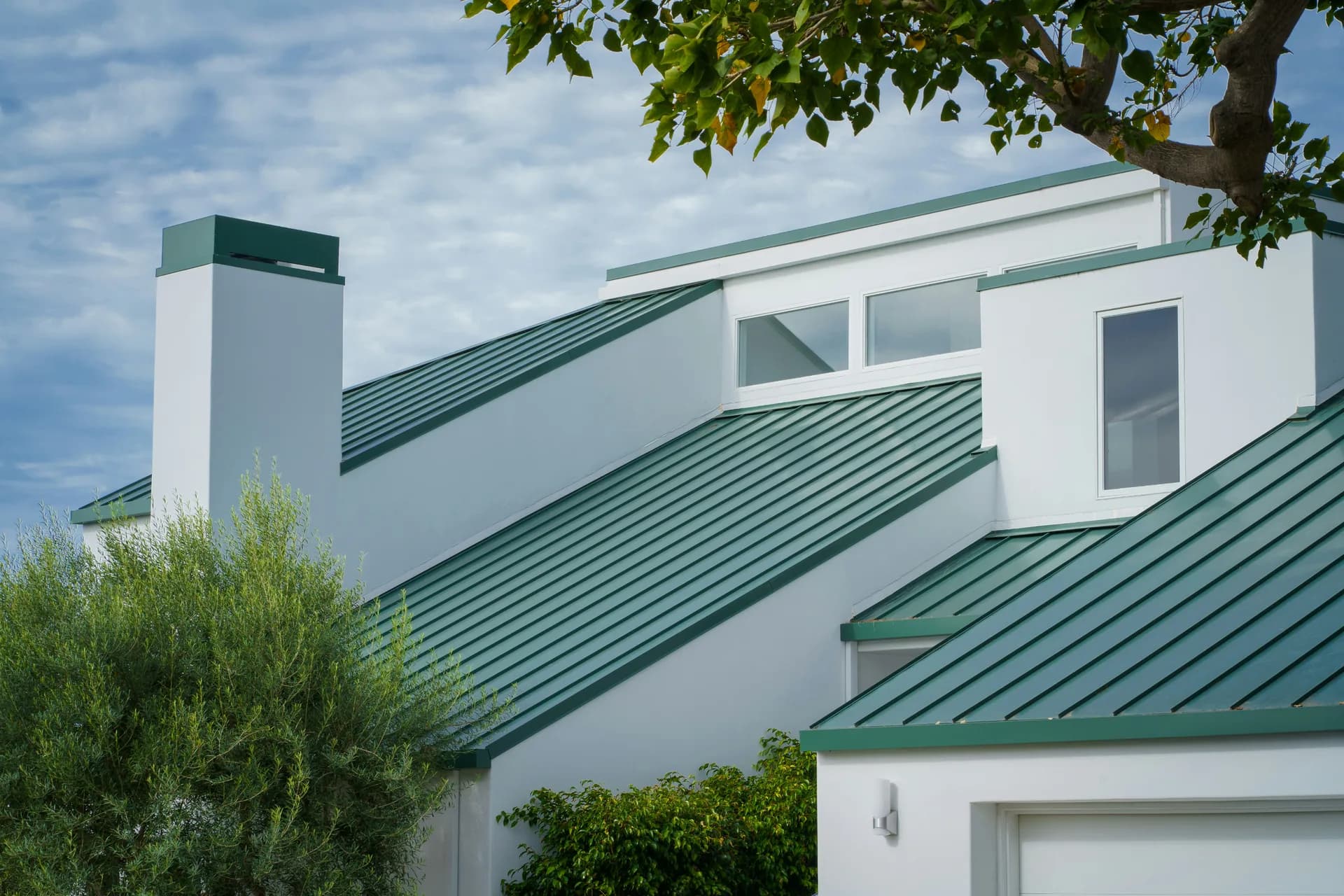
Flat or low-slope roofs common in Pueblo Revival and Territorial architecture cost $12–$18 per square foot for TPO or modified bitumen replacement. Metal roofing ranges from $14,000–$28,000 for the same 2,000-square-foot footprint but lasts 40–60 years in New Mexico's high-UV environment, compared to 20–25 years for asphalt. Evaluate total cost of ownership over the expected lifespan when comparing bids.
High-altitude projects above 7,000 feet incur 10–20% higher labor costs due to travel time and thinner air reducing crew productivity. Roof pitch above 6:12 adds scaffolding or safety equipment charges. Estimates based on available industry data; individual project costs vary by roof size, pitch, material, and regional labor rates.
What Red Flags Indicate a Contractor Should Be Avoided?
Contractors who offer to waive your insurance deductible are committing insurance fraud. New Mexico law prohibits contractors from advertising or agreeing to absorb deductibles, and insurers can void claims if they discover this arrangement. Any contractor proposing this should be immediately disqualified.
Pressure to sign a contract before the insurance adjuster inspects your roof indicates the contractor prioritizes speed over accuracy. Legitimate contractors wait for the adjuster's estimate, then submit a supplement if the initial estimate omits necessary work. Contractors who rush this process often underbid the actual scope and abandon projects mid-completion when the insurance payout proves insufficient.
Up-front payment requests exceeding 10% of the total project cost are uncommon in New Mexico's residential roofing market. Standard practice involves a small deposit to order materials, progress payments tied to specific completion milestones, and final payment after passing the municipal final inspection. Contractors demanding large up-front payments often lack the working capital to finance materials and may be managing cash flow problems that put your project at risk.
How Should Homeowners Verify Contractor References in New Mexico?
Request addresses of three completed projects within 20 miles of your home from the past 12 months. Geographic proximity ensures the contractor is familiar with your municipality's inspection process and has relationships with local suppliers. Recent projects demonstrate current workload capacity and quality standards.
Contact those homeowners directly and ask how the contractor handled unexpected issues. Every roofing project encounters at least one unforeseen condition such as rotten decking, inadequate ventilation, or concealed previous repairs. The contractor's response to these issues reveals their problem-solving ability and communication standards.
Drive by the referenced properties if possible and evaluate visible work quality. Check for straight shingle lines, uniform granule coverage, proper flashing around chimneys and vents, and clean job site cleanup. Poor workmanship visible from the street indicates the contractor cuts corners even on projects used as references.