What Contractor Credentials Matter Most After Storm Damage in North Carolina?
A current North Carolina general contractor license and active liability insurance are the minimum requirements. North Carolina requires general contractors performing work over $30,000 to hold a state license issued by the North Carolina Licensing Board for General Contractors. Verify the license number directly with the Board before signing any contract.
Insurance claim experience is the second filter. Contractors who regularly work with Allstate, State Farm, USAA, and Nationwide understand the documentation standards these carriers require. Ask for the number of insurance-backed projects completed in the past 12 months and request two references from homeowners whose claims the contractor worked through.
Local operation history separates established contractors from post-storm arrivals. A contractor with a physical office in North Carolina and at least three years of operation in the state has verifiable accountability. Storm chasers operate from out-of-state addresses and disappear after payment. Check the business address on the license against the address on the estimate.
How Long Does Storm-Damage Roof Replacement Take in North Carolina?
Most storm-damage roof replacements in North Carolina take 2–4 weeks from initial inspection to completion. The timeline breaks into three phases: insurance adjuster inspection and approval, material ordering, and installation. Each phase carries variables that extend or compress the schedule.
Insurance adjuster scheduling adds 3–10 days in high-claim periods. After Hurricane Florence in 2018, adjuster wait times in Wilmington and New Bern stretched to 3 weeks. Contractors with direct carrier relationships often expedite adjuster scheduling. Material availability adds another 5–14 days depending on shingle type and regional inventory.
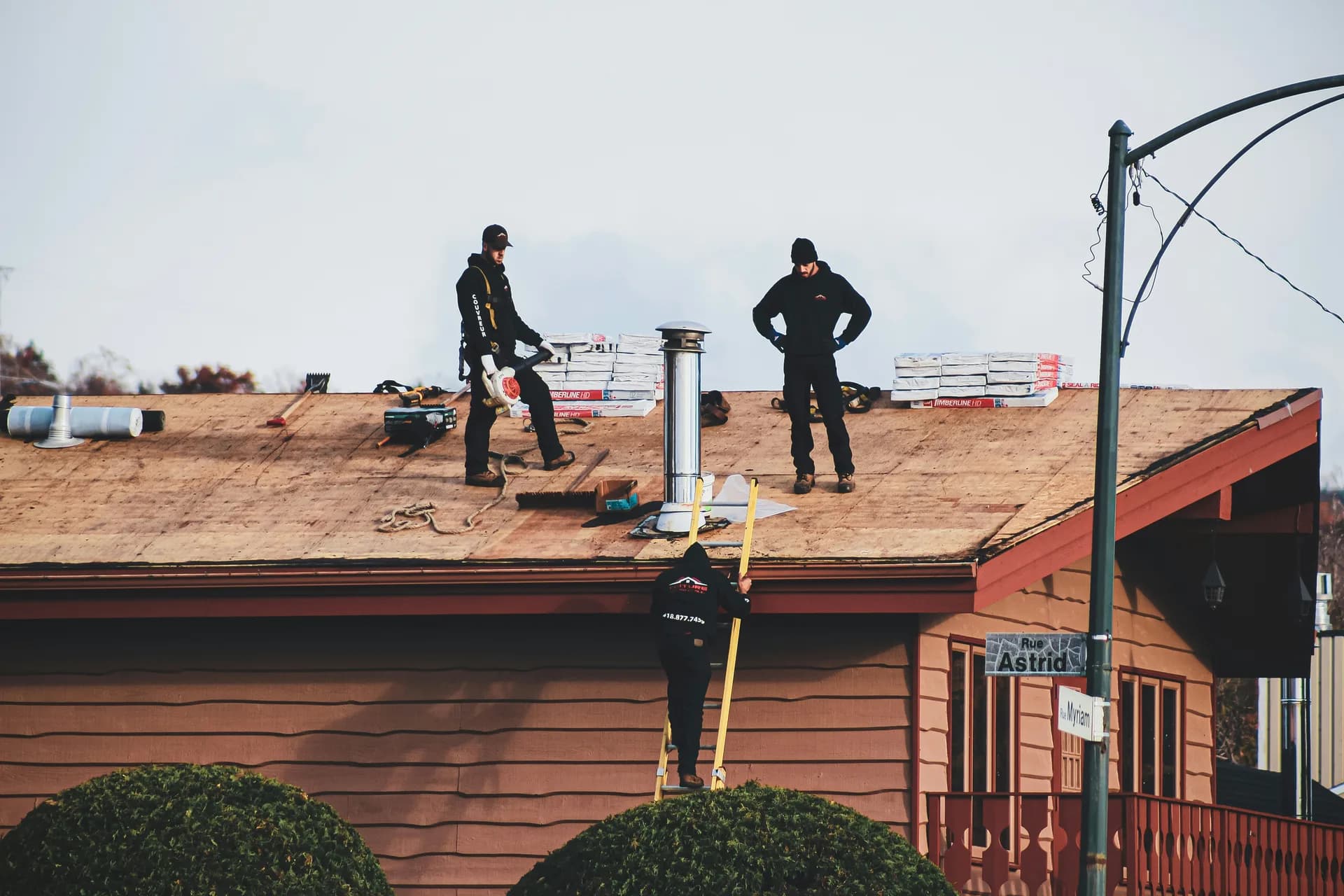
Installation itself takes 1–3 days for most single-family homes under 3,000 square feet. A standard asphalt shingle tear-off and replacement on a simple gable roof completes in one day with a crew of four to six. Complex hip roofs, multiple valleys, or tile replacement extend the work to 2–3 days.
What Should a North Carolina Storm-Damage Estimate Include?
A complete estimate lists every line item with unit costs: shingle removal, disposal, underlayment, new shingles, flashing, ridge cap, and labor. Lump-sum pricing without itemization makes cost comparison impossible and hides markup. North Carolina contractors familiar with insurance work provide estimates formatted to match carrier worksheets.
Storm-specific damage documentation belongs in the estimate. Photos of hail bruising on shingles, cracked flashing, lifted ridge caps, or wind-damaged starter strips support the insurance claim. Contractors who skip documentation slow claim approval or force homeowners to cover costs the carrier would have paid.
Permit fees and inspection costs appear as separate line items. Most North Carolina counties require permits for full roof replacement, with fees ranging from $150 to $400 depending on jurisdiction and project value. The estimate should state who pulls the permit and whether the fee is included in the total.
How Do North Carolina Storm Patterns Affect Contractor Selection?
North Carolina experiences three distinct storm threats: coastal hurricanes, Piedmont hail, and mountain ice damage. Contractors with experience in your specific region understand the material and installation details that matter. A Charlotte contractor experienced with hail-resistant shingles may lack the hurricane tie-down expertise a Wilmington roof requires.
Hail frequency peaks in spring and early summer across the Piedmont, with Greensboro, Raleigh, and Charlotte averaging 3–6 hail events per year. Impact-resistant shingles rated Class 4 reduce future damage and often qualify for insurance discounts of 10–20 percent. Contractors familiar with hail claims recommend these shingles proactively.
Hurricane season runs June through November, with coastal counties from Brunswick to Dare experiencing tropical storm force winds every 2–3 years on average. Coastal contractors should specify enhanced fastening schedules and sealed shingles rated for 130 mph winds. Ask whether the contractor follows the North Carolina Building Code wind speed requirements for your county.
What Red Flags Indicate a Storm Chaser in North Carolina?
Door-to-door solicitation immediately after a named storm is the clearest signal. Legitimate local contractors with full schedules do not cold-call neighborhoods. Storm chasers arrive promptly of hail or wind events, often before homeowners know they have damage.
Pressure to sign the same day and offers to waive deductibles are both illegal under North Carolina insurance law. Contractors cannot legally waive a deductible or advertise that they do. Any contractor offering this arrangement is either uninsured or planning to inflate the claim to cover the waived amount, which constitutes insurance fraud.
Out-of-state license plates, temporary phone numbers, and no physical office address all indicate a contractor who will not be available for warranty work. North Carolina law requires contractors to list a primary business address on all contracts. A P.O. box or out-of-state address means no recourse if problems emerge six months later.
What Does Storm-Damage Roof Replacement Cost in North Carolina?
Full asphalt shingle replacement in North Carolina runs $8,000 to $18,000 for a typical 2,000 square foot single-story home with a moderate pitch. Architectural shingles cost $120 to $180 per square installed; three-tab shingles run $90 to $140 per square. A square covers 100 square feet, so a 2,000 square foot roof requires roughly 22 squares after waste factor.
Impact-resistant Class 4 shingles add $20 to $40 per square but reduce long-term claim risk in hail-prone areas. GAF Timberline HDZ and Owens Corning Duration Storm are the most common Class 4 options installed in North Carolina, both carrying 130 mph wind ratings suitable for coastal and Piedmont applications.
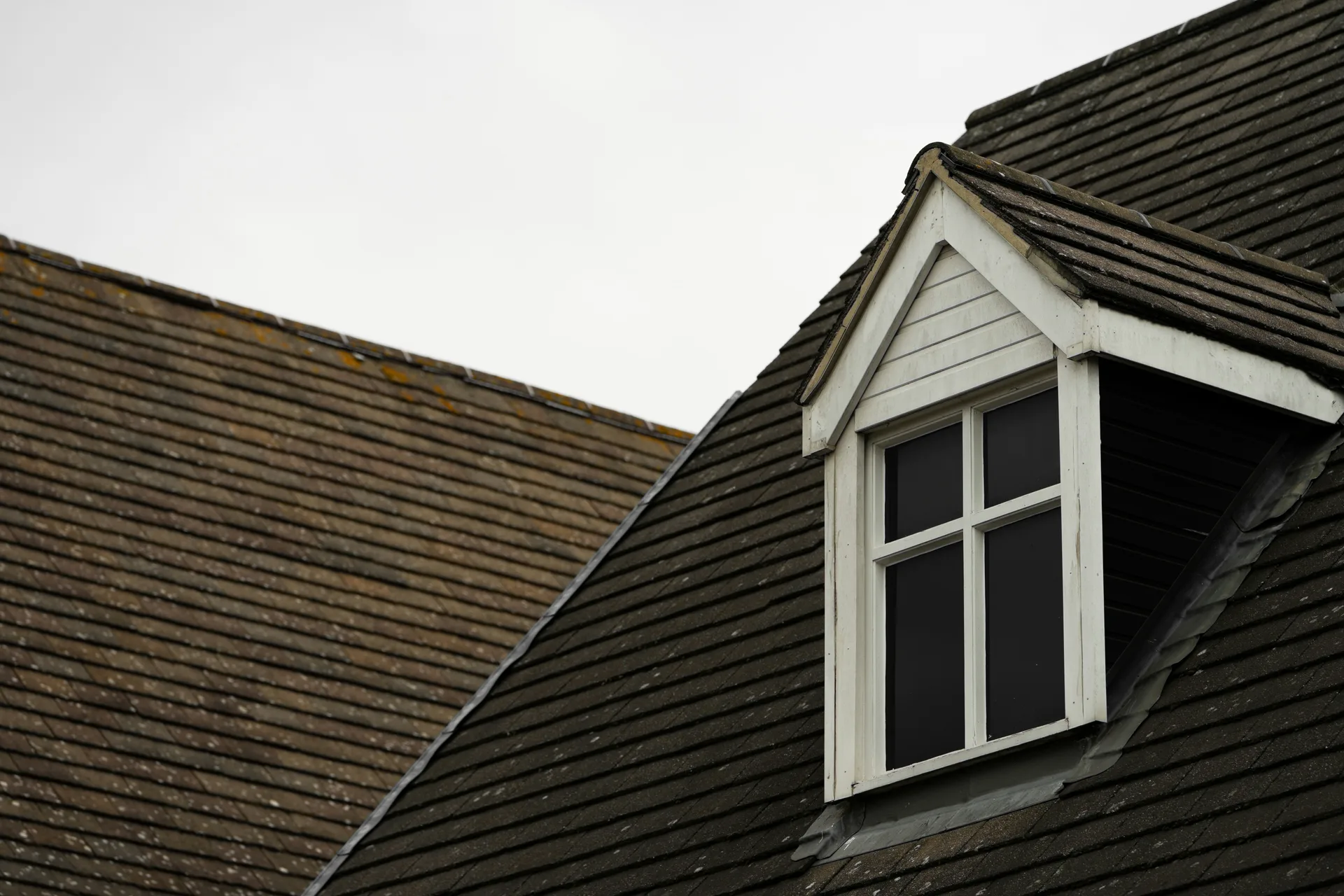
Roof complexity affects cost more than size. A simple gable roof with one ridge and minimal valleys costs 15–25 percent less per square foot than a hip roof with multiple dormers and chimney flashing. Estimates based on available industry data; individual project costs vary by roof size, pitch, material, and regional labor rates.