What Credentials Should a North Dakota Storm-Damage Roofing Contractor Hold?
A legitimate storm-damage roofing contractor in North Dakota must carry active general liability insurance with at least $1 million coverage, workers' compensation insurance for all employees, and municipal licensing where required by the city. Most North Dakota cities regulate roofing contractors at the local level, not state level, so verify current licensing status with your city building department before hiring. HAAG Certified Inspector credentials indicate formal training in identifying hail and wind damage, which matters when documenting claims for your insurer.
Request proof of insurance directly from the contractor's carrier, not a photocopy the contractor provides. Call the insurance company listed on the certificate and confirm the policy is active and covers the dates of your project. North Dakota sees frequent out-of-state contractors after major hail events, and some carry expired or insufficient coverage.
Contractors affiliated with manufacturer certification programs like GAF Master Elite or CertainTeed SELECT ShingleMaster have met specific installation training and business standards, which can strengthen warranty coverage. These certifications are verifiable through the manufacturer's website using the contractor's business name.
How Do You Identify Competent Storm-Damage Contractors After a Hail Event in North Dakota?
Check how long the contractor has operated under their current business name in North Dakota or a neighboring state, aiming for at least three years of verifiable history. Ask for references from storm-damage projects completed in the past 12–24 months within 100 miles of your location, then contact those homeowners to confirm the work was completed as promised. North Dakota experiences severe hail storms concentrated in summer months, so contractors with recent local storm projects understand regional weather patterns and insurance processes.
Request a detailed written estimate that itemizes material costs, labor, permits, disposal, and a timeline broken into inspection, material delivery, tear-off, installation, and final cleanup phases. Vague lump-sum bids with no scope detail are a warning sign. The estimate should specify shingle manufacturer, product line, underlayment type, and whether ice-and-water barrier will be installed at eaves and valleys.
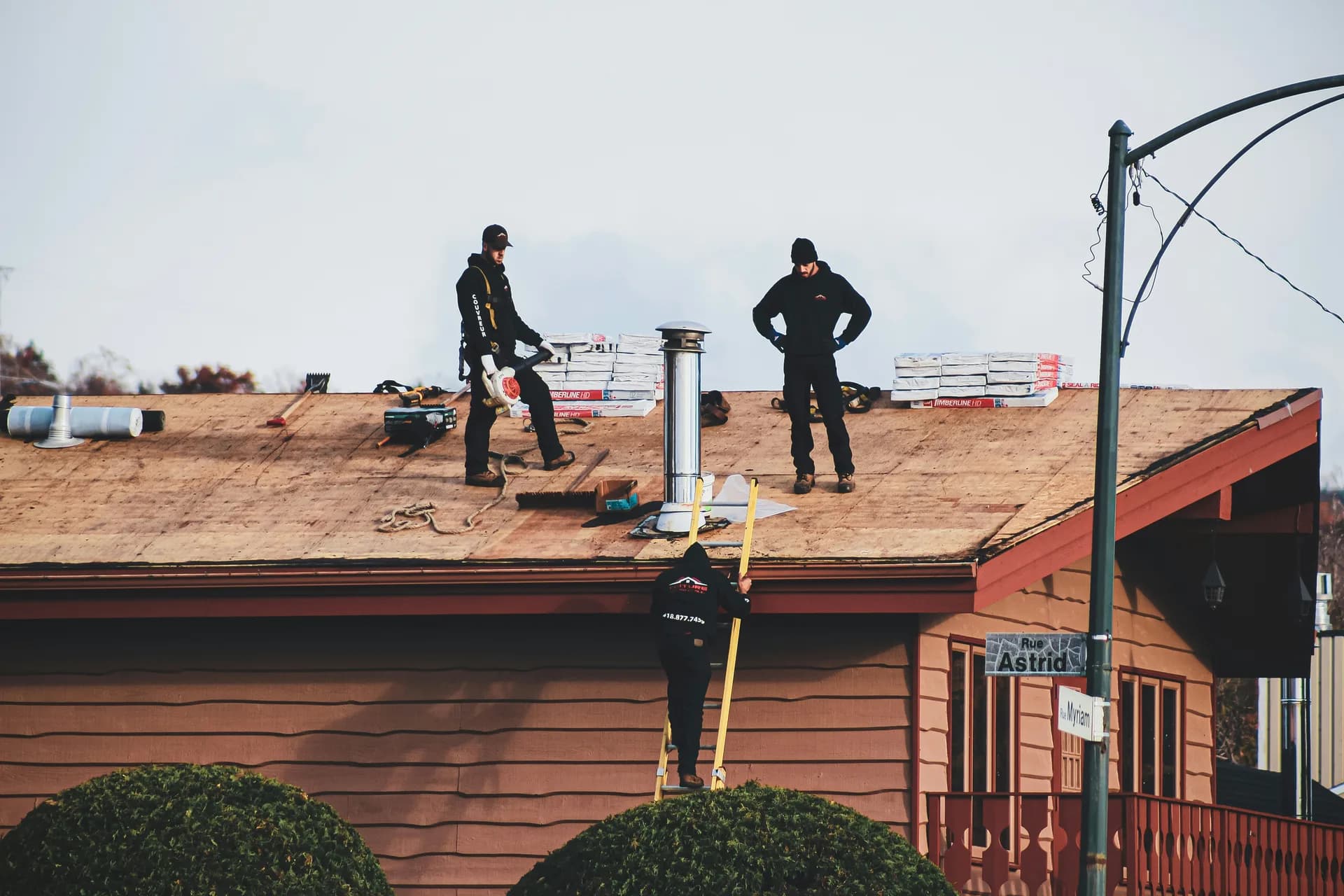
Ask whether the contractor will be on-site during the project or if a subcontractor crew will handle installation. Verify that any subcontractors carry their own liability and workers' comp insurance. Some storm-damage contractors operate as sales organizations that farm out installation to unlicensed crews, which exposes you to liability if a worker is injured on your property.
What Should a Storm-Damage Roof Replacement Contract Include in North Dakota?
The contract must list the total project cost, payment schedule tied to completion milestones, start and estimated completion dates, and a detailed material list including shingle brand, product name, color, and underlayment type. North Dakota law does not set a maximum deposit limit for roofing contracts, but paying more than 25% upfront increases your risk if the contractor disappears. Structure payments around measurable progress: deposit at signing, second payment after tear-off and underlayment, final payment after inspection and cleanup.
Include a clause specifying who pulls permits and what happens if the project is delayed by weather, material shortages, or failed inspection. North Dakota summers are short, and contractors often juggle multiple storm-damage projects simultaneously, so a realistic timeline with weather contingency matters. The contract should also state whether the contractor will handle insurance claim documentation or if that responsibility stays with you.
Verify that the contract includes a workmanship warranty separate from the manufacturer's material warranty. Reputable contractors offer at least a one-year labor warranty covering installation defects like improper flashing, missed fasteners, or inadequate ventilation.
How Much Does Storm-Damage Roof Replacement Cost in North Dakota?
Full asphalt shingle replacement on a 2,000-square-foot roof in North Dakota typically costs $9,500–$22,000 depending on pitch, shingle grade, and whether structural repairs are needed after hail impact. Architectural shingles cost $1.50–$2.50 more per square foot than three-tab shingles but carry better wind and impact resistance, which matters in a state where severe thunderstorms produce baseball-sized hail. Steep-pitch roofs and multi-story homes increase labor costs by 20–40% because of fall protection and material handling requirements.
Material costs account for 40–50% of the total, with labor, permits, disposal, and overhead making up the rest. North Dakota building departments charge $75–$300 for residential roof replacement permits depending on city and project size. Insurance deductibles in North Dakota hail zones run $1,000–$2,500 for wind and hail coverage, so expect to pay that amount out of pocket even if your claim is approved.
Estimates based on available industry data; individual project costs vary by roof size, pitch, material, and regional labor rates. Request itemized bids from at least three licensed contractors and compare material specifications, not just the bottom-line number.
What Roofing Materials Handle North Dakota Storm Conditions Best?
Impact-resistant shingles rated Class 4 by UL 2218 testing reduce hail damage risk and qualify for insurance discounts of 20–35% in many North Dakota counties. GAF Timberline HDZ, CertainTeed Landmark IR, and Owens Corning Duration Storm are common Class 4 options installed in hail-prone areas. These shingles use a reinforced mat or polymer-modified asphalt that absorbs impact energy without cracking, though no shingle is hail-proof in severe events.
Wind resistance matters as much as impact rating in North Dakota, where summer thunderstorms generate straight-line winds over 70 mph. Look for shingles with a UL 2390 Class H wind rating, which indicates they resist uplift at wind speeds up to 150 mph when installed per manufacturer specifications. Proper installation with six nails per shingle and sealed tabs is critical for wind performance.
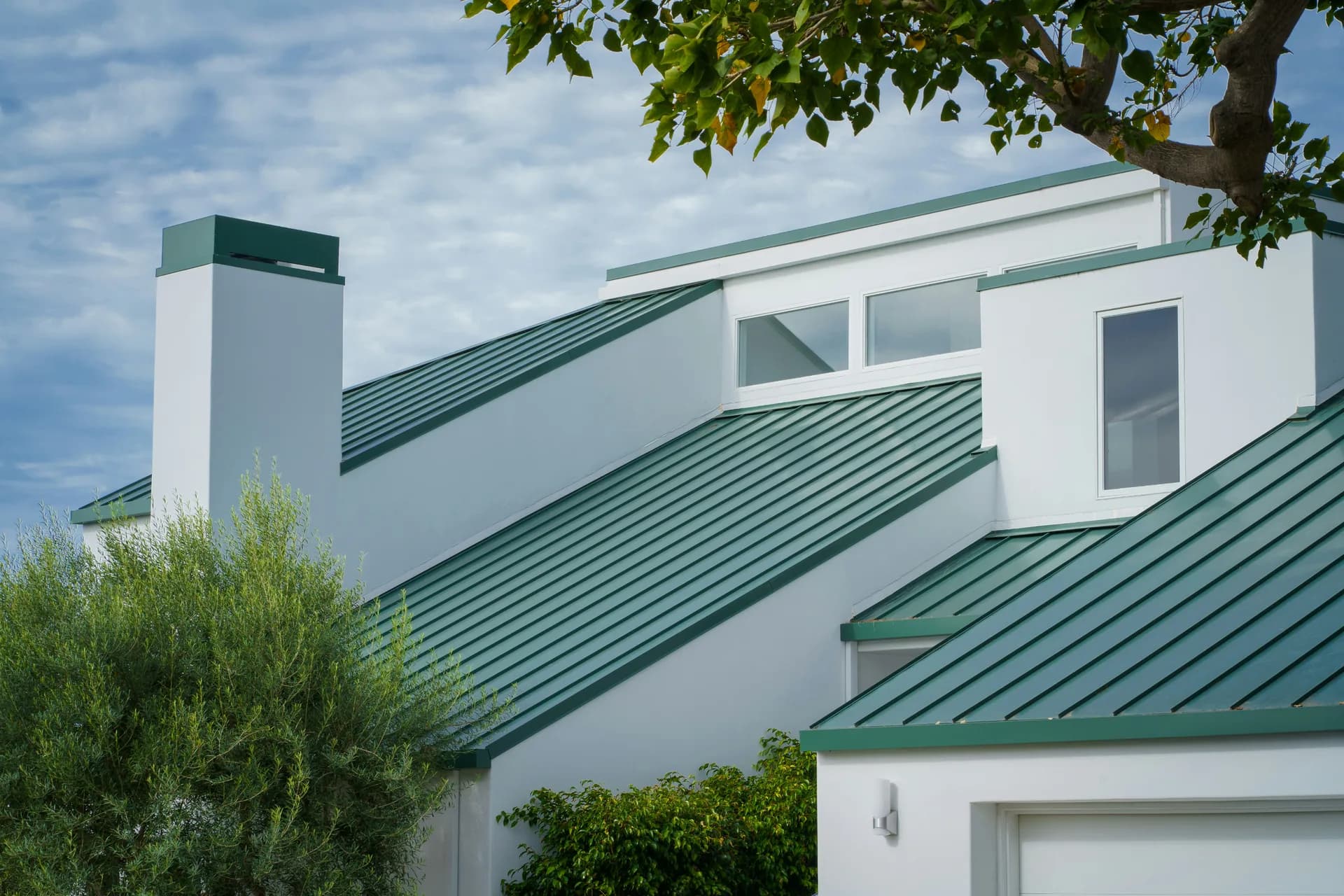
Metal roofing handles hail and wind better than asphalt in most cases, with standing-seam systems rated for 140 mph winds and Class 4 impact resistance standard on many products. Expect to pay $14,000–$35,000 for metal on a 2,000-square-foot North Dakota home, roughly double the cost of architectural shingles.
What Red Flags Indicate a Storm-Damage Roofing Contractor to Avoid?
Contractors who knock on your door unsolicited immediately after a hail storm and pressure you to sign a contract the same day are operating a high-volume sales model that prioritizes speed over quality. Legitimate contractors provide written estimates you can review without a countdown clock. Be cautious of anyone who offers to waive your insurance deductible or promises to pay it for you, which constitutes insurance fraud in North Dakota and can void your claim.
Avoid contractors with out-of-state license plates, no local business address, or a P.O. box as their only contact information. North Dakota sees an influx of storm-chasing crews after major hail events, some of which complete substandard work and leave the state before problems surface. Verify the contractor maintains a physical office or shop location within 150 miles of your home.
Refuse to pay the full project cost upfront or sign a completion certificate before the work is finished and inspected. Contractors who demand cash payments, offer deep discounts for immediate payment, or insist you use a specific insurance adjuster are running a scam or operating outside regulatory norms.