What Qualifications Should a Pennsylvania Storm Roofing Contractor Have?
Pennsylvania storm roofing contractors must hold municipal-level licenses in the city or county where they work, carry general liability insurance of at least $1 million, and provide workers' compensation coverage for all crew members. Pennsylvania does not require state-level roofing contractor licensing, so verification happens locally through the building department in cities like Philadelphia, Pittsburgh, and Allentown. Contractors specializing in storm damage should show documented experience with insurance claim paperwork, including Xactimate estimating software used by most carriers.
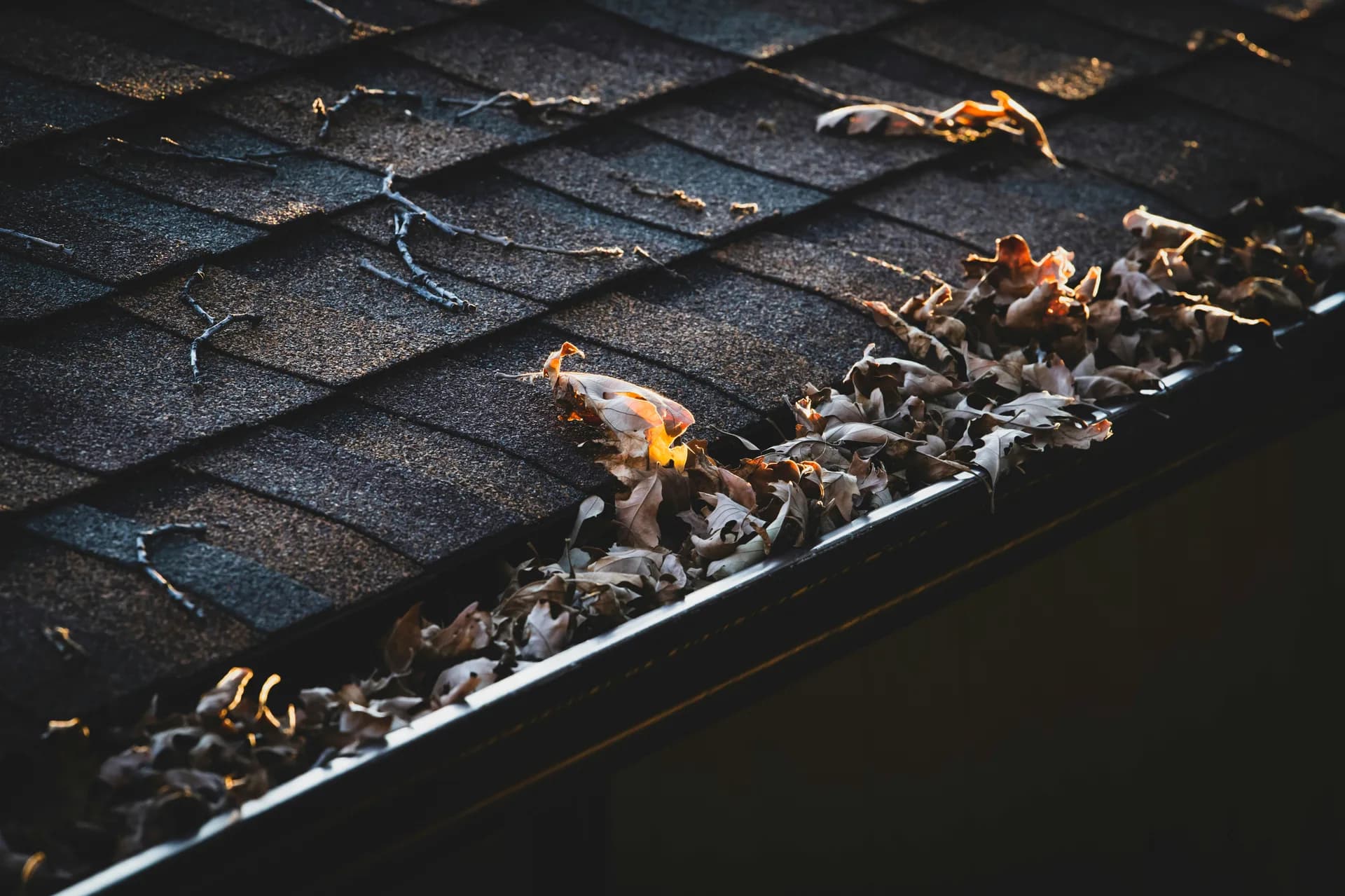
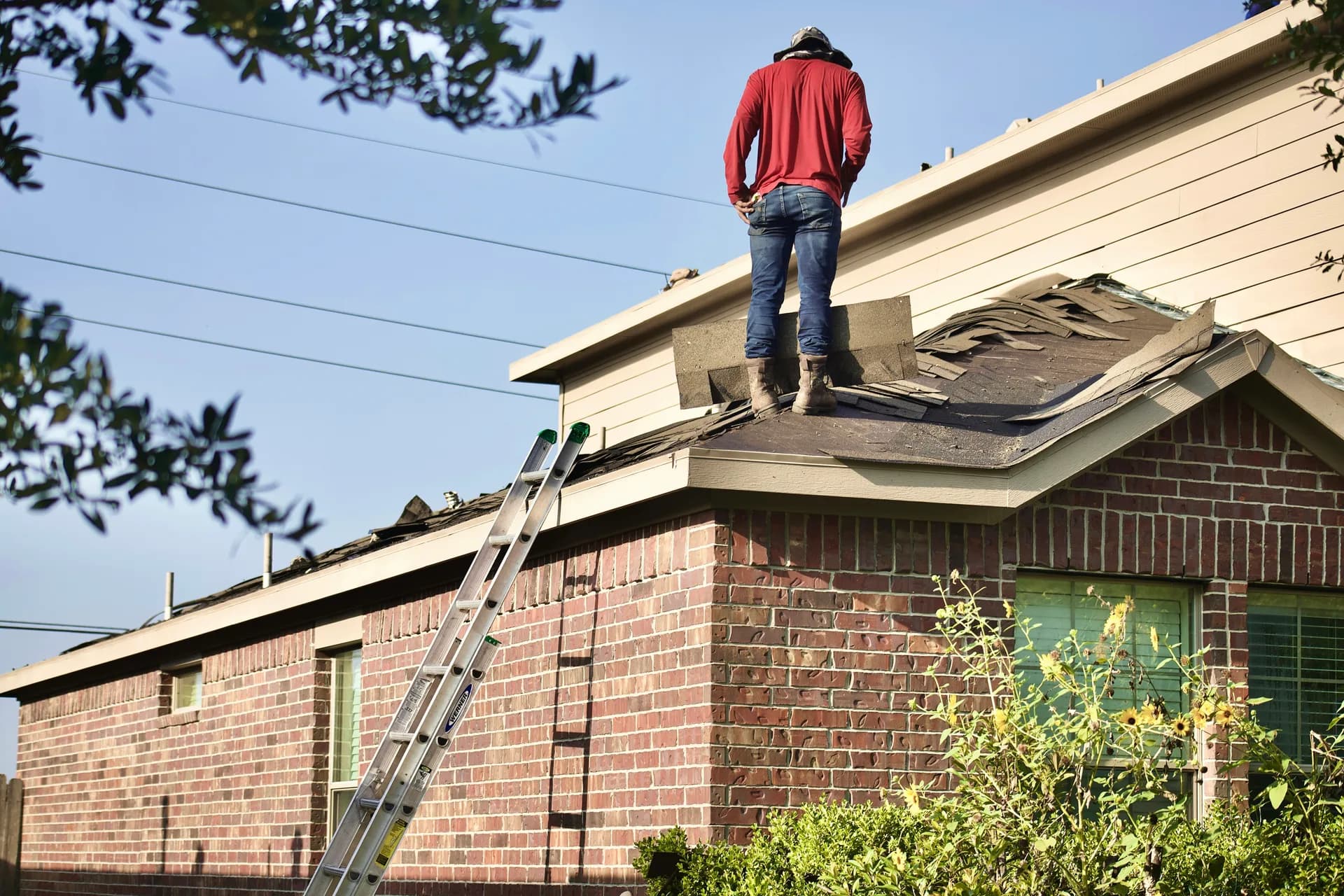
Storm-specific expertise matters because hail damage assessment differs from standard wear-and-tear inspections. Pennsylvania sees an average of 15–25 hail days per year in counties like Berks, Lancaster, and York, with hailstone diameters reaching 1–2 inches during severe events. Contractors without storm training often miss hidden damage like fractured sealant tabs, bruised shingles that fail within months, and compromised flashing around chimneys and vents.
Request proof of completed storm projects in your county within the past two years. Ask for references from homeowners whose claims were approved and whose roofs were replaced without carrier disputes. Contractors who work regularly with adjusters understand documentation standards and can photograph damage in ways that support your claim rather than complicate it.
How Do You Verify a Contractor's License and Insurance in Pennsylvania?
Contact your municipal building department directly and provide the contractor's business name and address to confirm their license status. Philadelphia requires a Home Improvement Contractor license through the Department of Licenses and Inspections; Pittsburgh issues contractor registrations through its Permits, Licenses, and Inspections division. Smaller townships and boroughs maintain their own databases, so verification methods vary by location.
Request a Certificate of Insurance directly from the contractor's insurance carrier, not a photocopy the contractor provides. The certificate should list you as an additional insured and show current coverage with no lapse dates. General liability limits below $1 million are inadequate for roof replacement projects, which carry structural and water damage liability if installation errors occur.
Check the Better Business Bureau and the Pennsylvania Attorney General's Office for complaints. Pennsylvania law requires contractors to provide written estimates and signed contracts before starting work, and homeowners have a three-day right to cancel certain home improvement contracts. Contractors who resist providing documentation or pressure immediate signatures should be eliminated from consideration.
What Questions Should You Ask During the Contractor Interview?
Ask how many storm damage roofs the contractor has replaced in Pennsylvania within the past 12 months and request three verifiable references from those projects. Contractors who primarily handle new construction or planned replacements often lack the claim coordination experience needed for storm work. Ask whether they use staff crews or subcontractors, because subcontracted labor increases quality variability and complicates liability if problems arise.
Request a detailed written estimate that separates material costs, labor costs, permit fees, and disposal fees. Pennsylvania contractors should explain whether they include ice and water shield installation in valleys and eaves, which is critical in counties with freeze-thaw cycles like Erie, Crawford, and Susquehanna. Estimates that lump costs into a single line item make it impossible to verify fair pricing or identify where corners might be cut.
Ask how the contractor handles unexpected damage discovered during tear-off, such as rotted decking or compromised trusses. Storm-damaged roofs in Pennsylvania often reveal hidden water intrusion that wasn't visible during inspection. Contractors should explain their change order process, including how additional costs are calculated and approved before work proceeds.
How Much Does Storm Roof Replacement Cost in Pennsylvania?
Full asphalt shingle roof replacement in Pennsylvania costs $8,000–$22,000 for a typical 2,000 square foot home, depending on roof pitch, material grade, and regional labor rates. Pittsburgh and Philadelphia projects trend toward the higher end due to labor costs and permit fees, while rural counties like Bedford and Fulton see lower averages. These estimates assume architectural shingles rated for 110 mph wind resistance, which is appropriate for most Pennsylvania storm conditions.
Material choice significantly affects cost. GAF Timberline HDZ shingles, a common storm-rated option, run $90–$110 per square installed, while impact-resistant shingles like CertainTeed's IR products add $20–$40 per square. Pennsylvania counties with frequent hail, including Berks, Lancaster, and York, justify the upgrade because impact-resistant shingles carry Class 4 ratings and often qualify for insurance discounts of 10–20%.
Roof pitch and complexity drive labor costs. A 6/12 pitch roof costs approximately 15% more than a 4/12 pitch due to safety equipment and slower installation speed. Multi-plane roofs with dormers, valleys, and multiple chimneys add 20–30% to labor time. Estimates based on available industry data; individual project costs vary by roof size, pitch, material, and regional labor rates.
What Red Flags Indicate a Contractor to Avoid?
Contractors who go door-to-door immediately after storms offering free inspections and same-day contracts are high-risk. Pennsylvania sees an influx of out-of-state storm chasers after severe hail and wind events, particularly following named storms that trigger widespread damage. While not all traveling contractors are fraudulent, those pressuring immediate decisions, requesting large upfront deposits, or offering to waive insurance deductibles violate Pennsylvania consumer protection laws.
Any contractor who offers to pay your deductible, inflate your claim, or add non-damage items to the estimate is committing insurance fraud. Pennsylvania law prohibits contractors from advertising or offering to absorb deductibles, and carriers routinely deny claims when they discover this practice. Homeowners who participate can face policy cancellation and difficulty obtaining future coverage.
Refuse to work with contractors who lack a verifiable local address, refuse to provide references, or cannot produce current insurance certificates. Avoid contractors who demand full payment before starting work or who request payment in cash. Pennsylvania's Home Improvement Consumer Protection Act limits deposits to one-third of the contract price, and final payment should be withheld until work passes municipal inspection and you receive all manufacturer warranties and permit closeout documentation.
How Long Does Storm Roof Replacement Take in Pennsylvania?
Storm roof replacement in Pennsylvania takes 2–6 weeks from insurance claim approval to project completion, depending on contractor availability and weather conditions. The insurance adjustment process itself adds 1–3 weeks before work begins, because carriers must inspect damage, issue estimates, and approve scope before contractors can order materials. High-demand periods following widespread hail or wind events extend timelines by 4–8 weeks as contractors work through backlogs.
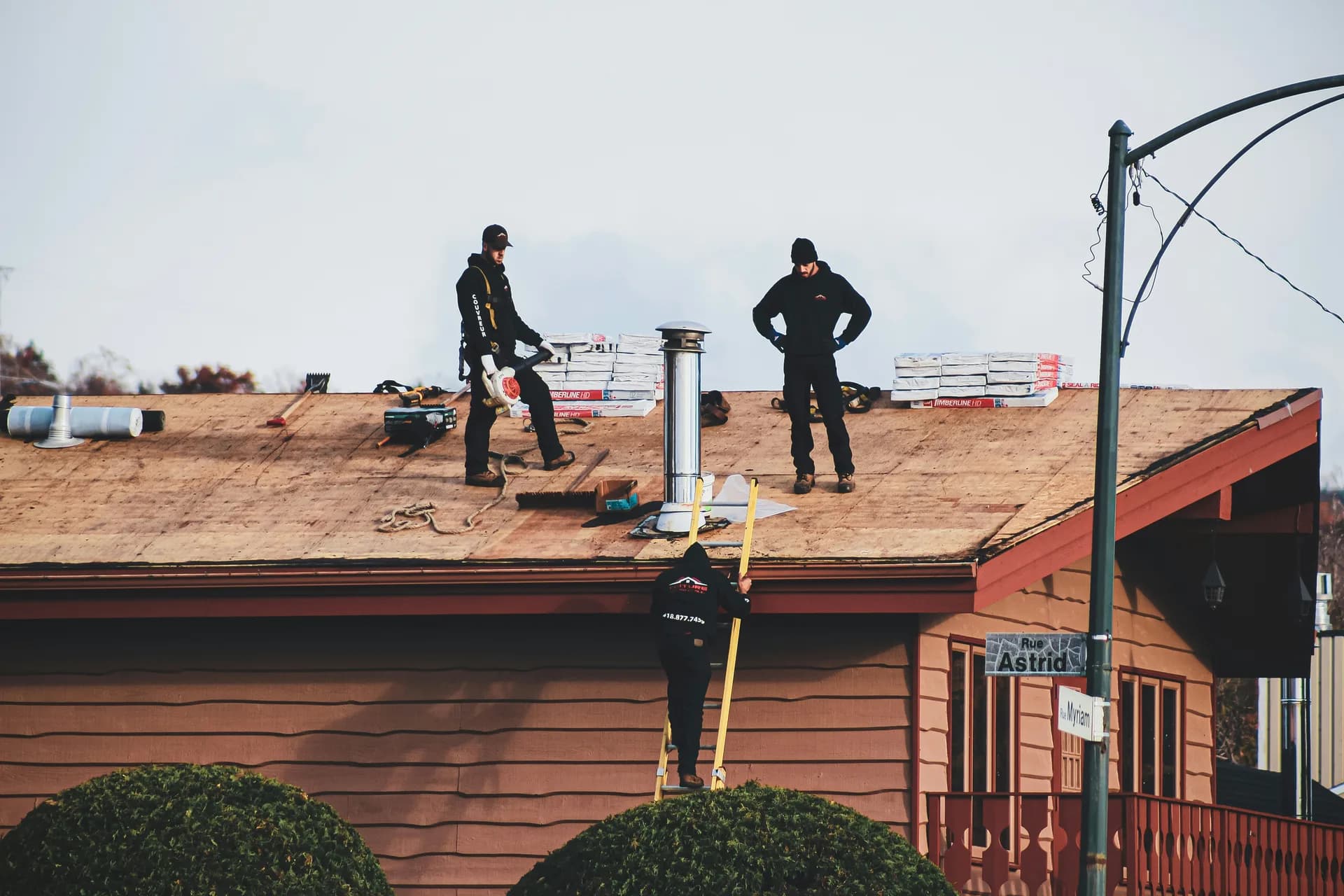
Physical installation takes 1–3 days for most residential roofs once materials arrive and permits are issued. Tear-off, decking repair, underlayment installation, and shingle application happen in sequence, with municipal inspections required at specific stages in cities like Philadelphia and Pittsburgh. Weather delays are common in Pennsylvania's spring and fall storm seasons, when rain interrupts work and extends project duration.
Permit processing adds 3–10 business days in most Pennsylvania municipalities. Philadelphia's Department of Licenses and Inspections typically processes roofing permits within 5 business days for standard replacements, while smaller townships may approve permits over the counter. Contractors who pull permits after starting work risk stop-work orders and fines, and homeowners may face difficulty selling their property if roofing work lacks proper permit records.