What Licensing Requirements Apply to Roofing Contractors in South Dakota?
South Dakota does not require state-level roofing contractor licensing, but most municipalities enforce local permits and contractor registration. Sioux Falls, Rapid City, and Aberdeen require contractors to register with the city and carry general liability insurance before pulling permits. Verify your contractor's local registration status with your city or county building department before signing a contract.
Permit requirements vary by project scope. Full roof replacements over 100 square feet typically require permits in most South Dakota cities, while emergency tarping and minor repairs under that threshold may not. Your contractor should handle permit applications and inspections as part of their service.
Contractors who refuse to pull permits or suggest skipping inspections create liability risk for you. If the work fails inspection or causes future damage, unpermitted repairs complicate insurance claims and resale disclosures.
How Do You Verify a Contractor's Storm Damage Experience in South Dakota?
Ask for references from projects completed in your county within the last two years, specifically after named storm events. South Dakota experiences severe hail storms in Minnehaha, Pennington, and Lincoln counties from April through August, with wind speeds exceeding 60 mph and hail diameters reaching 2 inches. Contractors with local storm experience recognize damage patterns specific to these events.
Request photos of completed projects showing similar roof pitch, material type, and storm damage scope. A contractor who replaced asphalt shingle roofs after a June hailstorm in Sioux Falls has directly relevant experience for your project. Generic residential roofing experience does not translate to storm damage assessment skills.
Verify the contractor maintains an active local business address, not just a P.O. box or out-of-state registration. Contractors who arrive after major storms and leave before warranty issues surface are common in South Dakota's seasonal storm pattern. A physical office in-state signals long-term accountability.
What Should a Storm Damage Roof Inspection Include?
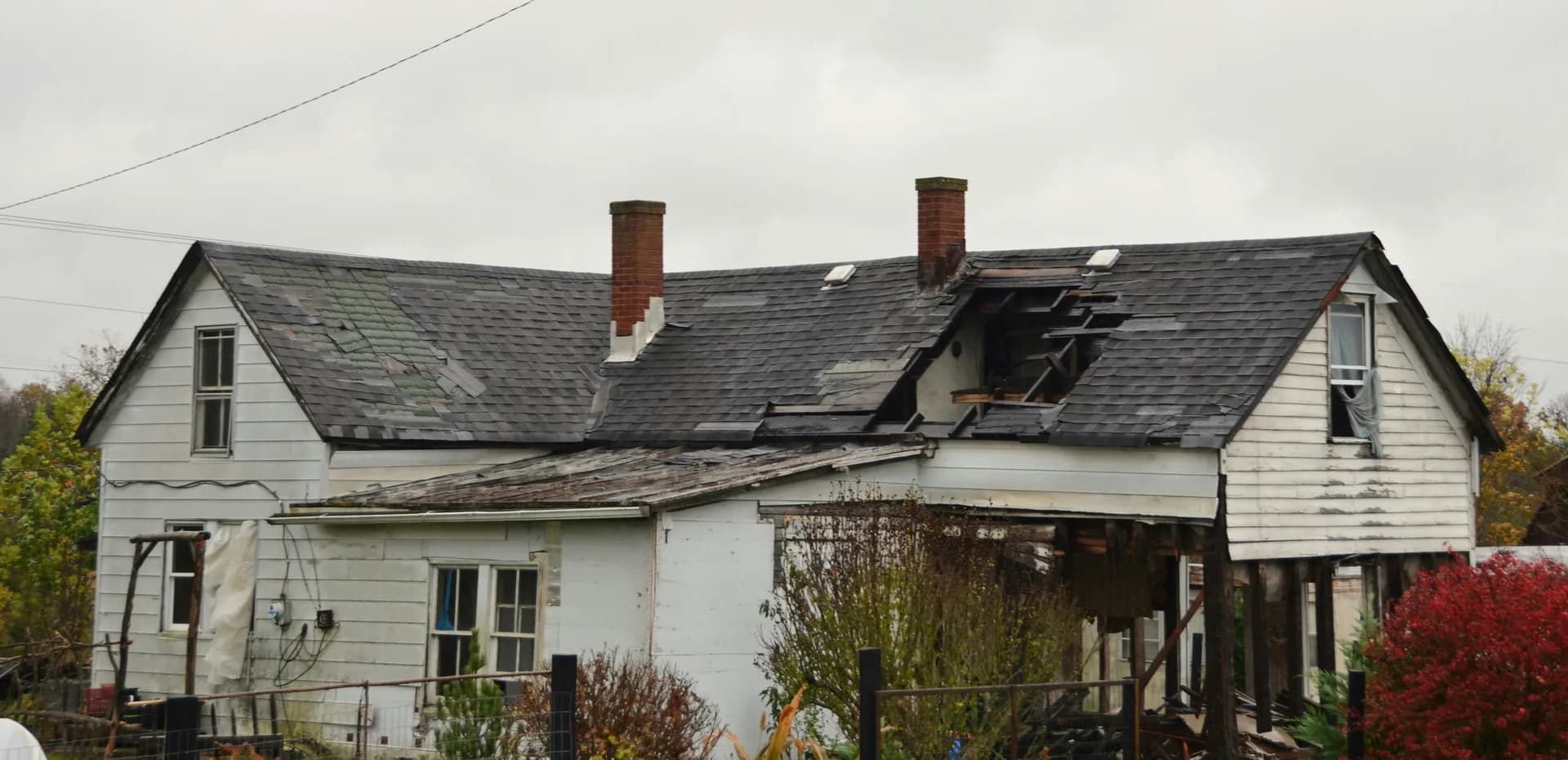
A thorough inspection covers shingles, flashing, ventilation, gutters, and underlayment for hail impact marks, wind uplift, and granule loss. Inspectors should photograph damage from multiple angles and document locations using roof diagrams. Hail damage often appears as circular bruises on shingle surfaces or dents in metal flashing, while wind damage shows as lifted shingle edges or missing tabs.
The inspection report should quantify damaged area by square footage and recommend repair or replacement based on damage density. Insurance adjusters use damage-per-square thresholds to determine claim eligibility, so your contractor's documentation must align with adjuster standards. Most South Dakota insurers approve full replacement when damage affects more than 30% of visible shingle surfaces.
Inspectors should check attic spaces for underlayment tears, water intrusion, and insulation damage. Storm damage does not always penetrate to interior spaces immediately, but compromised underlayment accelerates deterioration during subsequent storms.
How Much Does Storm Damage Roof Replacement Cost in South Dakota?
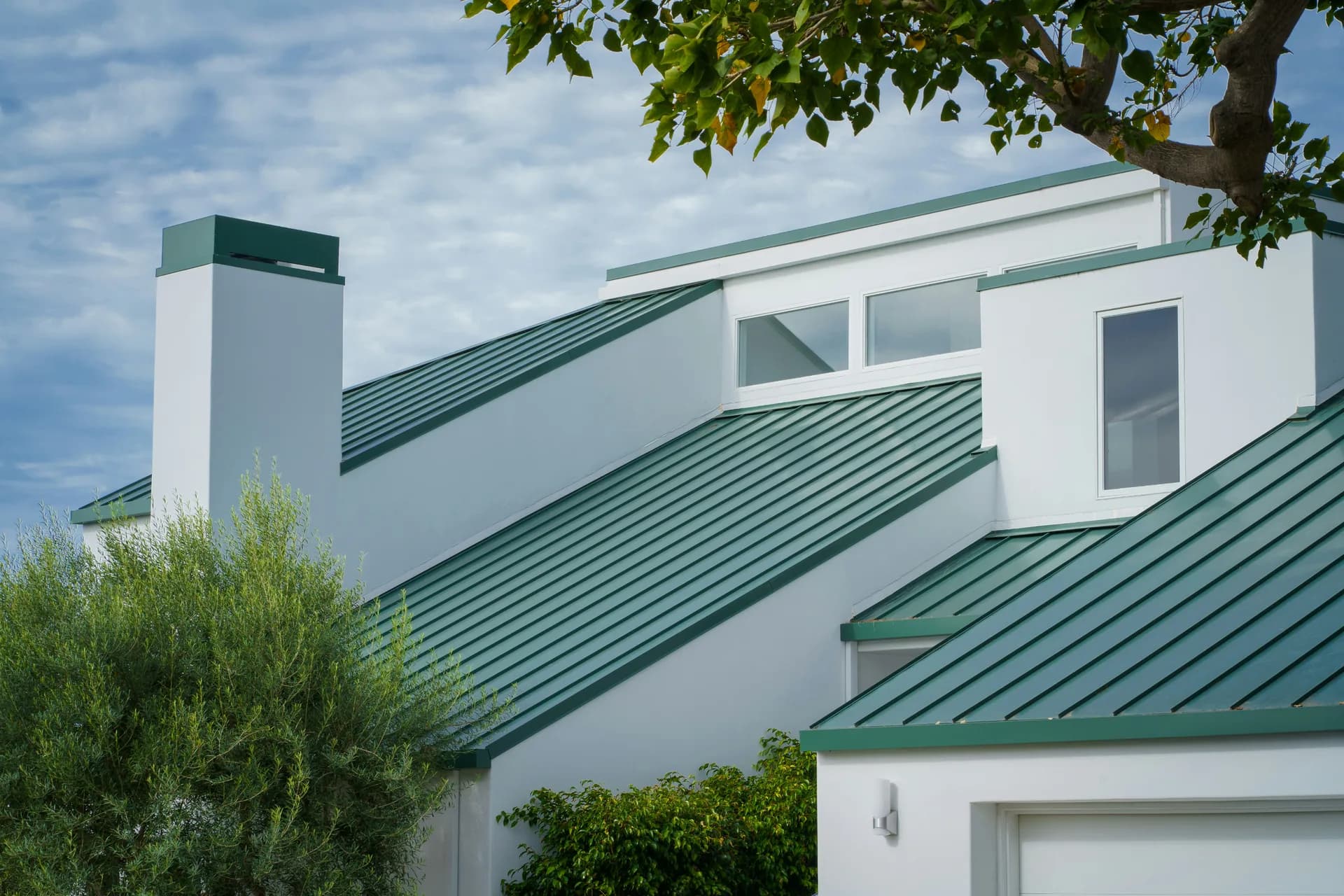
Full asphalt shingle replacement on a 2,000 square foot South Dakota home costs $8,000–$16,000 depending on pitch, access, and material grade. Impact-resistant shingles rated Class 4 add $1,500–$3,000 to total project cost but reduce future hail damage risk and may qualify for insurance discounts of 10%–20%. Metal roofing runs $14,000–$28,000 for the same square footage and offers superior hail resistance.
Storm season timing affects labor availability and cost. Contractors working May through September in high-demand counties like Minnehaha and Pennington charge premium rates due to backlog from spring and summer hailstorms. Scheduling replacement in October or November after storm season often reduces labor costs by 10%–15%.
Estimates based on available industry data; individual project costs vary by roof size, pitch, material, and regional labor rates. Request itemized estimates showing material, labor, permit fees, and waste removal separately to compare contractor pricing accurately.
What Red Flags Indicate an Unreliable Storm Damage Contractor?
Contractors who knock on doors immediately after storms offering free inspections and same-day contracts pressure homeowners into decisions before comparing options. Legitimate contractors provide written estimates and allow time for review. Avoid any contractor who asks for full payment upfront or demands cash-only transactions.
Beware of contractors who claim they can guarantee insurance claim approval or offer to waive your deductible. Insurance fraud schemes involve inflating damage estimates or performing unnecessary work, which creates legal liability for homeowners. Your contractor prepares documentation, but the insurance adjuster determines claim eligibility independently.
Contractors operating under multiple business names, using out-of-state license plates for extended periods, or providing only cell phone contact information often lack accountability. Verify business registration with the South Dakota Secretary of State and confirm the contractor maintains an active local address before signing contracts.
How Long Does Storm Damage Roof Replacement Take in South Dakota?
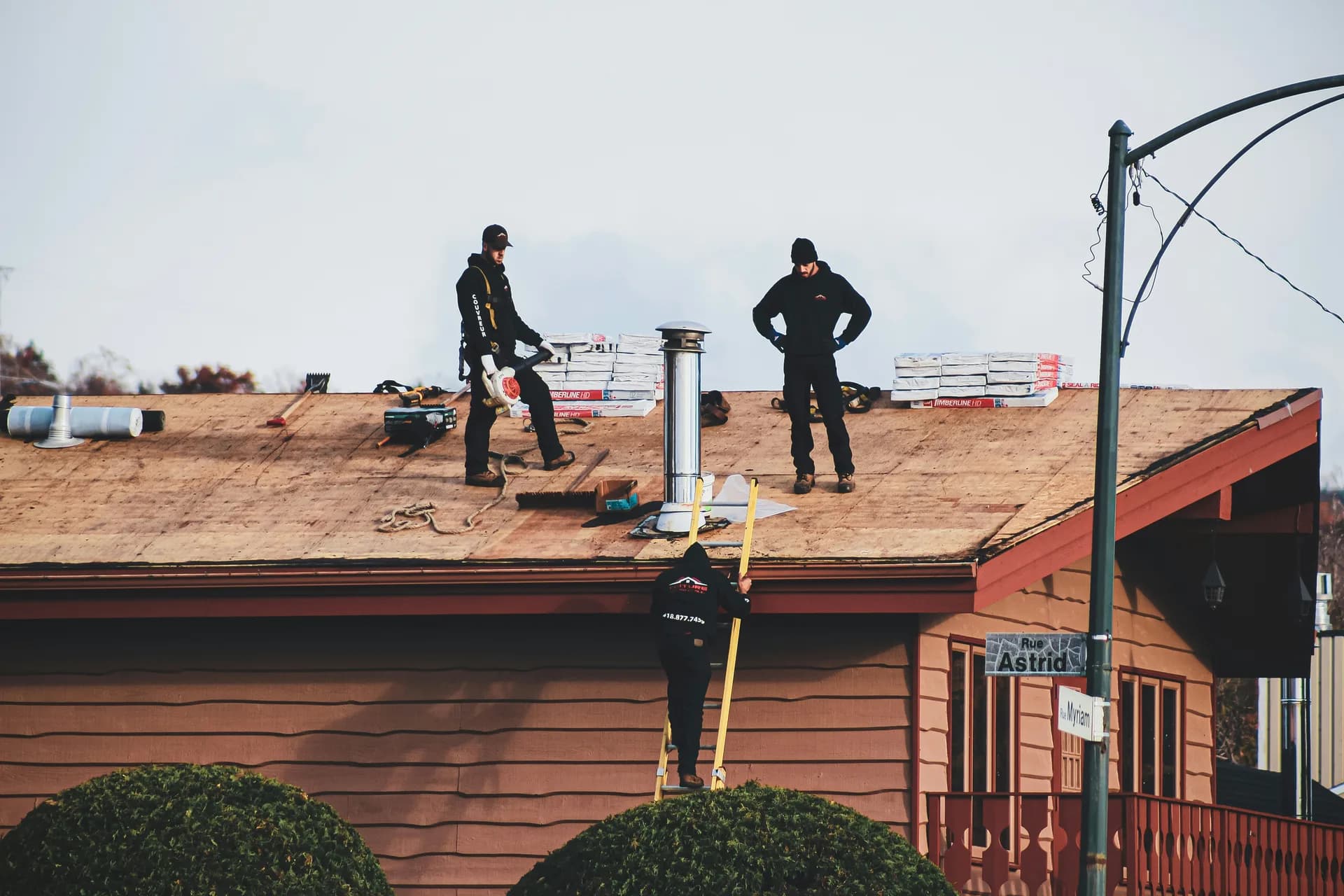
Most residential roof replacements in South Dakota take 2–5 days once work begins, but scheduling delays from insurance claims and contractor availability extend total timelines to 4–8 weeks. After a widespread hail event affecting multiple counties, contractor backlogs push start dates out 6–12 weeks. Request a written start date and project timeline before signing contracts.
Emergency tarping happens promptly to prevent further water intrusion while insurance adjusters inspect damage and approve claims. Tarping buys time but does not replace permanent repairs. Contractors should provide tarping as part of the overall replacement service, not as a separate billable emergency call.
Permit approval adds 3–10 business days depending on municipal processing times. Sioux Falls and Rapid City building departments typically process residential roofing permits within one week if applications include complete documentation. Inspections occur after tear-off and again after final installation, each requiring contractor coordination with city inspectors.