What Qualifications Should a Virginia Storm-Damage Roofing Contractor Have?
A qualified Virginia roofing contractor must hold a Class A or Class B contractor license issued by the Virginia Department of Professional and Occupational Regulation (DPOR) for projects over $1,000, carry general liability insurance with minimum $500,000 coverage, and maintain workers' compensation insurance. GAF Master Elite or CertainTeed SELECT ShingleMaster certifications signal advanced training in storm damage assessment and manufacturer-backed warranties. HAAG Certified Inspectors can identify hail impact damage that untrained contractors miss.
Verify active licensing status at dpor.virginia.gov before signing any contract. Virginia law requires contractors to provide their license number on all contracts and advertisements. Ask for proof of insurance and request a certificate naming you as additional insured for the project duration.
Contractors experienced with Virginia storm patterns recognize hail bruising on shingles common after Shenandoah Valley thunderstorms and wind damage from coastal hurricane remnants. They document damage with photos calibrated for insurance adjusters trained to Virginia weather claim standards. Local experience matters when navigating carrier-specific claim requirements after named storm events.
How Much Does Storm-Damage Roof Replacement Cost in Virginia?
Full asphalt shingle replacement in Virginia ranges from $8,500 to $19,000 for a typical 2,000-square-foot roof, with architectural shingles adding $1,500–$3,000 over standard three-tab. Steep-pitch roofs common in Charlottesville and Richmond historic districts increase labor costs 15–25 percent. Impact-resistant shingles rated Class 4 for hail resistance cost $12,000–$22,000 installed but qualify for insurance discounts in high-hail counties like Loudoun and Fairfax.
Estimates based on available industry data; individual project costs vary by roof size, pitch, material, and regional labor rates. Northern Virginia contractors charge $450–$650 per square (100 square feet) installed, while Southwest Virginia rates run $350–$500 per square. Metal roofing costs $18,000–$35,000 for the same footprint but carries 50-year warranties and superior wind resistance for coastal properties.
Insurance claim payouts in Virginia average 60–80 percent of replacement cost after depreciation and deductibles. Contractors familiar with Recoverable Depreciation Supplement processes help homeowners collect the withheld depreciation amount after project completion. Request itemized estimates breaking out materials, labor, permit fees, and disposal costs before signing.
What Should You Ask During the Contractor Vetting Process?
Ask how many insurance claim projects the contractor completed in the past 12 months and request references from homeowners whose claims they managed. Contractors experienced with Virginia carriers like State Farm, Allstate, and USAA know adjuster documentation standards and supplement negotiation processes. Request a sample scope of work from a recent storm damage project showing line-item detail insurers require.
Verify the contractor's start date availability and project timeline before signing. Virginia contractors booking 4–8 weeks out after widespread hail events is normal; anyone promising immediate starts may lack proper scheduling or crew capacity. Ask whether they use subcontractors and how they vet subcontractor licensing and insurance.
Request the manufacturer warranty transfer process in writing. GAF Golden Pledge warranties require Master Elite contractors to register the warranty within 30 days of project completion. CertainTeed SureStart PLUS warranties need ShingleMaster certification verification. Confirm who handles warranty claims if defects appear: the contractor, the manufacturer, or both.
How Do Virginia Storm Patterns Affect Contractor Selection?
Virginia experiences 15–25 hail days annually in the Shenandoah Valley and Blue Ridge foothills, with quarter-sized hail common in Rockingham and Augusta counties during spring and early summer. Coastal regions face hurricane and tropical storm wind damage every 2–4 years, with sustained winds exceeding 70 mph. Contractors familiar with these patterns specify impact-resistant shingles rated for 110-mph wind zones in Hampton Roads and Class 4 hail-rated products in inland counties.
Named storms like Hurricane Isabel (2003) and the June 2012 derecho created claim surges that overwhelmed contractors for months. Contractors who operated through those events understand Virginia insurance claim documentation standards and adjuster expectations. Ask how they handled past surge periods and what their current project backlog looks like.
Winter ice damming affects Northern Virginia homes with inadequate attic ventilation, causing shingle lifting and leak damage misidentified as wind damage. Qualified contractors differentiate between storm damage eligible for insurance coverage and maintenance issues homeowners must fund. They document the distinction with thermal imaging and attic moisture readings adjusters recognize.
What Red Flags Should You Watch for When Choosing a Contractor?
Avoid contractors who offer to waive your insurance deductible or promise to pay it for you. Virginia law prohibits deductible waivers as insurance fraud, and carriers can deny claims if they discover the practice. Contractors requesting full payment upfront rather than staged payments tied to project milestones often disappear before completing work.
Out-of-state contractors canvassing neighborhoods after hail storms may lack Virginia licensing and proper insurance. Storm chasers operating without local permits or DPOR licenses leave homeowners with no recourse if workmanship fails. Verify the contractor maintains a physical Virginia business address and has operated in-state for at least two years.
Pressure tactics like "today-only pricing" or "we're only in your area this week" signal unethical sales practices. Legitimate contractors provide written estimates valid for 30–60 days and encourage homeowners to compare multiple bids. Contracts missing start dates, material specifications, or warranty transfer details create disputes during project execution.
What Does the Virginia Roof Replacement Process Look Like After Storm Damage?
The process starts with an insurance claim inspection where the carrier's adjuster documents damage and writes an initial estimate. Contractors then perform a supplemental inspection identifying damage the adjuster missed, photographing hail bruising on shingles, underlayment tears, and compromised flashing. Submit the supplement request within 30 days of the initial claim to avoid carrier pushback.
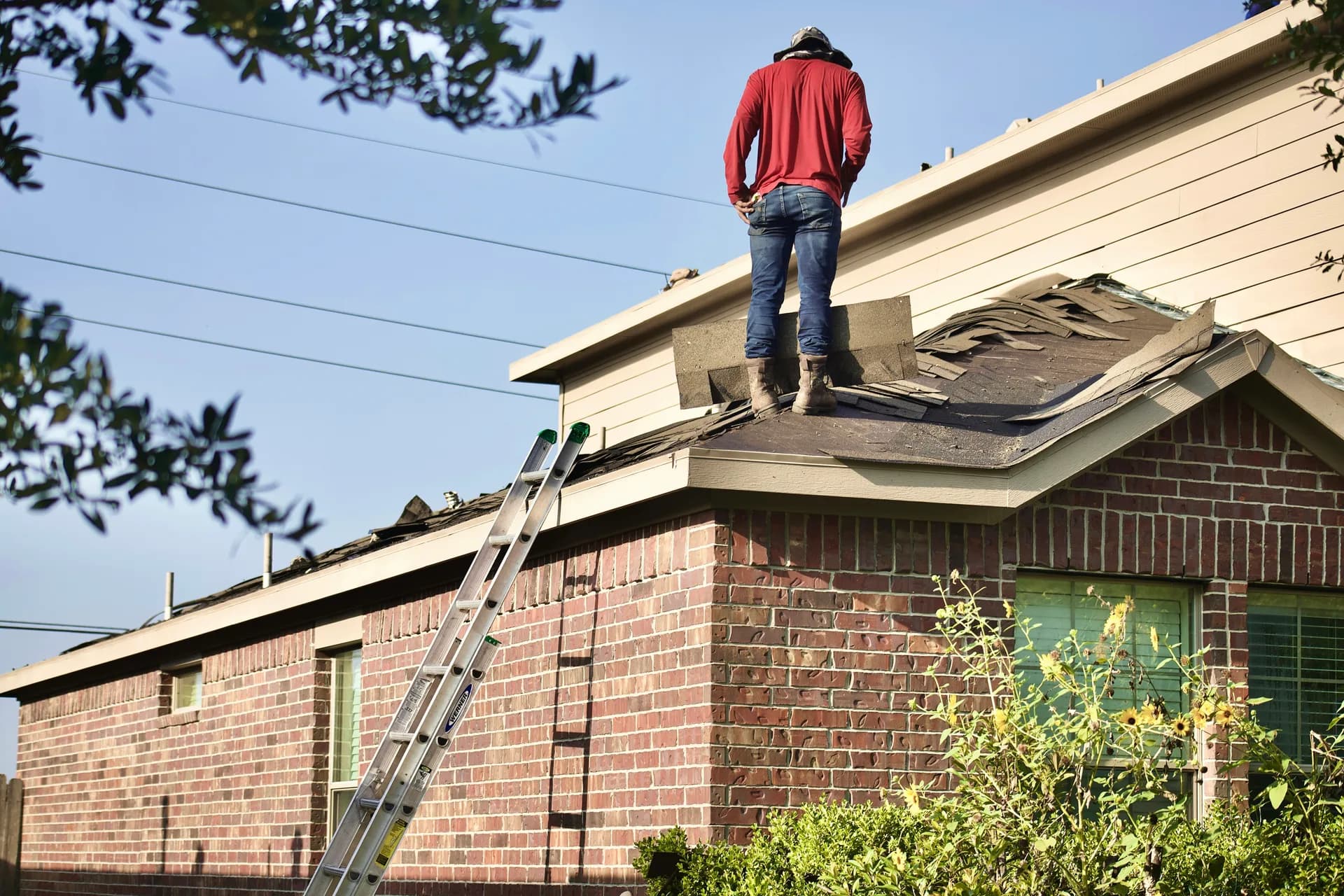
Once the claim settles, contractors pull permits from the local building department, typically requiring 3–7 business days for approval in most Virginia municipalities. Tear-off and replacement takes 2–5 days for a standard single-family home, weather permitting. Virginia building code requires ice and water shield installation along eaves and valleys, synthetic underlayment, and proper ventilation meeting current IRC standards.
Final inspection by the local building official confirms code compliance before the contractor requests final payment. Insurance carriers release Recoverable Depreciation Supplements only after homeowners submit proof of completed work, final invoices, and the building department's approval certificate. Contractors familiar with this process provide all required documentation in the format carriers accept.