What Qualifications Should a Wisconsin Storm Roofing Contractor Have?
A qualified Wisconsin storm roofing contractor holds municipal licensing where required, carries general liability and workers' compensation insurance with Wisconsin-specific coverage, and maintains manufacturer certifications from GAF, CertainTeed, or Owens Corning. HAAG Certified Inspectors receive specialized training in hail impact assessment and can identify bruising on asphalt shingles that untrained contractors miss. Wisconsin's municipal licensing varies by city: Milwaukee, Madison, and Green Bay require contractor registration, while many smaller municipalities issue permits without pre-qualifying the contractor.
Insurance requirements protect homeowners from liability if a worker is injured on the property. Request certificates of insurance directly from the contractor's carrier, not photocopies, and verify the policy covers the project dates. Workers' compensation is mandatory in Wisconsin for any contractor with three or more employees.
Manufacturer certifications indicate the contractor has completed training on proper installation techniques for specific shingle lines. GAF Master Elite contractors, for example, can offer enhanced warranties that cover both material and labor defects. CertainTeed SELECT ShingleMaster contractors receive similar benefits. These certifications require maintaining quality standards and completing ongoing training, which separates experienced crews from opportunistic storm chasers.
How Do You Verify a Contractor's Storm Damage Experience in Wisconsin?
Request project references from storm restoration work completed within the past two years in your county or adjacent counties. Wisconsin's hail belt runs through the southern and central regions, with Dane, Rock, Jefferson, and Waukesha counties experiencing the highest frequency of severe hail events. A contractor claiming storm expertise should provide verifiable addresses where they completed hail damage replacements, not generic testimonials.
Ask how many insurance claim projects the contractor has managed in Wisconsin specifically. Insurance carriers operating in Wisconsin include State Farm, American Family, USAA, and Allstate, each with distinct claim documentation requirements. Contractors experienced with Wisconsin claims know to document pre-existing wear separately from acute storm damage and understand how Wisconsin's statute of limitations on property damage claims affects project timing.
Check the contractor's business registration with the Wisconsin Department of Financial Institutions. Legitimate contractors maintain a registered business entity, typically an LLC or corporation, which you can verify online. Storm chasers often operate under temporary business names or out-of-state entities without Wisconsin registration. A contractor who has operated in Wisconsin for at least three years has survived multiple storm seasons and claim cycles, which indicates operational stability.
What Should You Ask During the Contractor Estimate Process?
Ask the contractor to explain the difference between three-tab and architectural shingles in the context of Wisconsin wind loads and hail resistance. Wisconsin building code references wind speeds of 90-115 mph in southern counties, and shingles must meet ASTM D3161 Class F wind resistance or higher. A knowledgeable contractor will discuss impact-rated shingles if you're in a high-hail county and explain how algae-resistant shingles perform in Wisconsin's humid summers.
Request a written scope of work that itemizes tear-off, underlayment type, valley treatment, ventilation upgrades, and flashing replacement. Wisconsin's freeze-thaw cycles cause ice dam formation on poorly ventilated roofs, and a competent contractor will address attic ventilation during a full replacement. The estimate should specify ice and water barrier application at eaves and valleys, which is critical in Wisconsin's climate.
Ask how the contractor handles permitting and inspection. Most Wisconsin municipalities require permits for roof replacements, and the contractor should include permit fees in the estimate and coordinate inspections with the local building department. If the contractor suggests skipping the permit to save money, that's a disqualifying signal. Permits ensure the work meets code and protects your homeowner's insurance coverage.
Clarify the payment schedule before signing. Reputable contractors request a deposit of 10-25% to order materials, a progress payment when materials arrive or tear-off is complete, and final payment after inspection approval. Avoid contractors demanding 50% or more upfront or requesting full payment before the project starts.
How Do Storm Chasers Operate in Wisconsin and How Do You Avoid Them?
Storm chasers follow severe weather events across the Midwest and canvass affected neighborhoods within days of hail or wind damage. They often knock on doors offering free inspections, claim to work directly with your insurance carrier, or create urgency by stating they have a crew in the area for a limited time. While not all out-of-area contractors are scammers, storm chasers typically lack local references, use high-pressure sales tactics, and disappear after collecting payment.
Red flags include contractors who offer to waive your insurance deductible, which is insurance fraud in Wisconsin. Contractors who suggest inflating the claim to cover non-storm damage also violate state law. A contractor who pressures you to sign a contract the same day or claims slots are filling up is using false urgency.
Verify the contractor has a physical business address in Wisconsin or a neighboring state, not just a P.O. box or cell phone number. Check online reviews on Google, Better Business Bureau, and the Wisconsin Department of Agriculture, Trade and Consumer Protection complaint database. A contractor with no online presence or only recent five-star reviews posted within the same week should be viewed skeptically.
Local contractors have reputational stakes in the community and are accessible for warranty claims years after the project. An out-of-area contractor may provide quality work, but if issues arise during the warranty period, reaching them can be difficult. Prioritize contractors with at least three years of verifiable project history in Wisconsin.
What Does a Typical Storm Roof Replacement Cost in Wisconsin?
Full asphalt shingle replacement on a 2,000 square foot roof in Wisconsin typically costs $8,500 to $16,000, depending on shingle grade, roof pitch, and complexity. Architectural shingles with impact ratings cost $120 to $180 per square installed, while premium lines like GAF Timberline HDZ or CertainTeed Landmark Pro range from $150 to $220 per square. Steeper pitches, multiple valleys, or complex flashing around chimneys and dormers increase labor costs.
Storm damage replacements often include insurance proceeds, which cover the depreciated value of the roof upfront and the recoverable depreciation after project completion. If your roof is 12 years old and the insurance carrier depreciates the claim by 40%, you'll receive 60% of the replacement cost initially and the remaining 40% after submitting final invoices and inspection approvals. Your out-of-pocket cost is the deductible, typically $1,000 to $2,500 in Wisconsin.
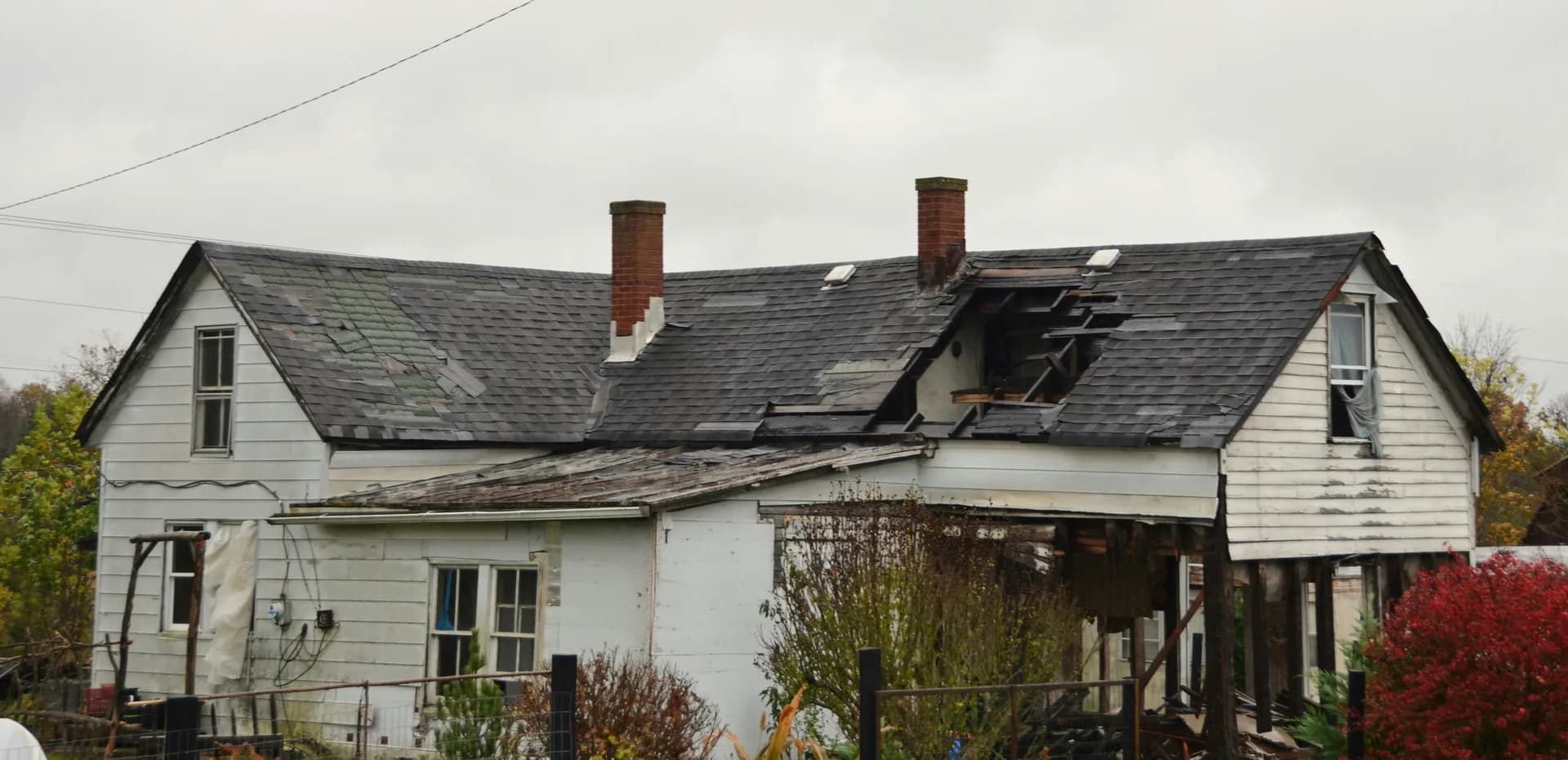
Additional costs include permit fees of $100 to $300 depending on the municipality, disposal fees for old shingles, and potential decking replacement if hail impact or water intrusion damaged the plywood sheathing. Wisconsin contractors encounter rot in roughly 15-20% of storm damage tear-offs, particularly on north-facing slopes with poor ventilation. Request a contingency clause in the contract that specifies the cost per sheet of plywood replacement if decking damage is discovered during tear-off.
Estimates based on available industry data; individual project costs vary by roof size, pitch, material, and regional labor rates.
When Is the Best Time to Schedule Roof Replacement After Storm Damage in Wisconsin?
Schedule roof replacement as soon as your insurance claim is approved and materials are available, ideally between late spring and early fall when weather conditions are stable. Wisconsin's storm season peaks from April through July, and contractor demand surges immediately after widespread hail events. If a severe storm affects multiple counties, lead times for GAF or CertainTeed shingles can extend to 4-6 weeks.
Winter roof replacements are possible in Wisconsin but require additional precautions. Shingle sealant strips rely on heat activation, and temperatures below 40°F slow the sealing process. Contractors working in winter must hand-seal shingles or use cold-weather adhesives, which adds labor time and cost. Ice and snow removal from the roof deck before installation also increases project duration.
If your roof has active leaks or missing shingles after storm damage, request emergency tarping while waiting for full replacement. Tarping prevents secondary water damage to insulation, drywall, and framing. Most Wisconsin contractors offer tarping services within 48-72 hours of a storm event, and tarping costs of $500 to $1,500 are often covered under insurance claims as emergency mitigation.
Avoid waiting until late fall to start a project. Wisconsin's first hard freeze typically occurs in late October in northern counties and mid-November in southern counties. Contractors prioritize projects already underway as temperatures drop, and new contracts may be delayed until spring.