What Are Class 4 Impact-Resistant Shingles?
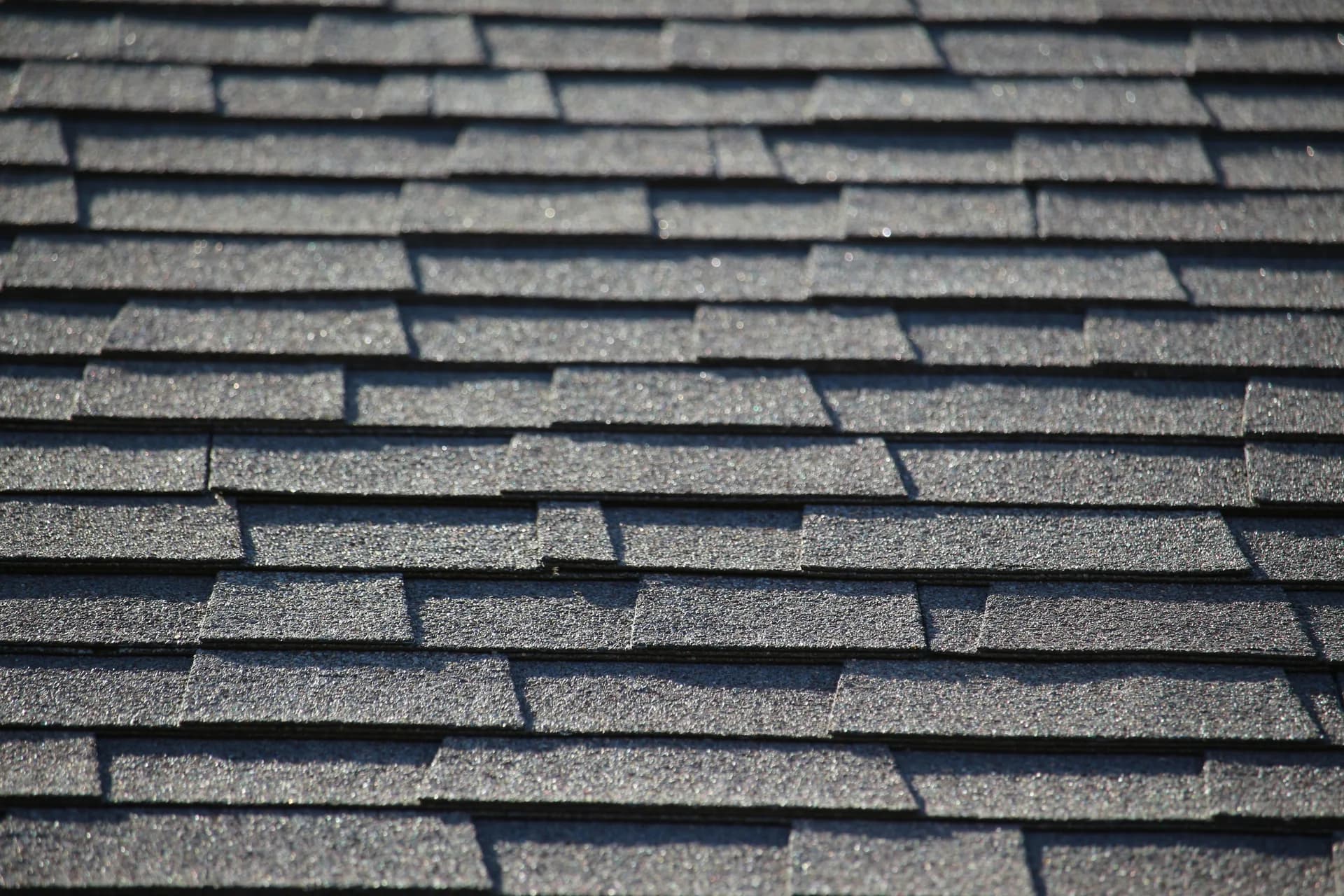
Class 4 impact-resistant shingles are asphalt shingles designed to pass Underwriters Laboratories UL 2218 impact testing, which drops a 2-inch steel ball from 20 feet onto the shingle surface without causing cracking or mat rupture. Manufacturers achieve this rating by reinforcing the shingle mat with polymers, rubberized asphalt layers, or woven fiberglass that absorbs and disperses impact energy. GAF Timberline HDZ, CertainTeed Impact Resistant, and Owens Corning Duration Storm are common Class 4 options available in Alabama.
The UL 2218 rating system has four classes — Class 1 through Class 4 — based on the diameter of the steel ball the shingle can withstand. Class 4 is the highest rating and corresponds to hail sizes frequently observed in Alabama storm events. Standard architectural shingles typically rate Class 3 or lower.
Class 4 shingles are not hail-proof, but they reduce granule loss, mat damage, and shingle cracking during hail events that would compromise standard shingles. Homeowners replacing roofs after storm damage in Alabama's hail belt counties often choose Class 4 shingles to reduce the likelihood of future insurance claims.
How Much Do Class 4 Shingles Cost in Alabama?
Class 4 impact-resistant shingles cost $150–$250 per square installed in Alabama, compared to $120–$180 per square for standard architectural shingles. A typical 2,000-square-foot roof (20 squares) with Class 4 shingles runs $10,000–$16,000 total, including labor, underlayment, starter strips, ridge caps, and disposal. Estimates based on available industry data; individual project costs vary by roof size, pitch, material, and regional labor rates.
Material-only costs for Class 4 shingles range $85–$140 per square, depending on manufacturer and color selection. Labor accounts for $65–$110 per square in Alabama markets and varies by contractor experience, roof complexity, and project scheduling. Roofs with multiple valleys, steep pitch above 6/12, or second-story access increase labor costs by 15–25%.
Class 4 shingle upgrades add $600–$1,400 to most Alabama roof replacement projects compared to standard shingles. Homeowners replacing roofs after hail damage often absorb this cost during initial replacement to qualify for insurance discounts and reduce the risk of re-roofing within 10 years.
Which Alabama Counties Have the Highest Hail Risk?
Jefferson, Madison, Mobile, Tuscaloosa, Baldwin, and Shelby counties experience the highest frequency of hail events in Alabama, with 15–30 documented hail days per decade based on NOAA storm data. Hail sizes of 1–2 inches occur most commonly during March through May severe weather outbreaks, when Gulf moisture collides with cold fronts across central and northern Alabama. Birmingham, Huntsville, and Mobile metro areas sit in active hail corridors.
Northern Alabama counties near the Tennessee border — including Lauderdale, Limestone, and Morgan — report hail damage claims at rates 20–30% higher than statewide averages, according to Alabama Department of Insurance data. Southern coastal counties face less frequent hail but higher wind exposure from tropical systems, which creates different roof replacement drivers.
Class 4 shingles reduce hail damage risk most effectively in counties with documented multi-year hail patterns. Homeowners in Jefferson and Madison counties replacing roofs after spring storm damage typically prioritize Class 4 shingles over standard architectural options to avoid repeat claims within the next severe weather cycle.
Do Alabama Insurers Offer Discounts for Class 4 Shingles?
Most Alabama homeowners insurance carriers offer premium discounts of 15–35% for roofs with Class 4 impact-resistant shingles, though discount structures vary by carrier and policy type. State Farm, Allstate, USAA, and Nationwide apply discounts immediately upon proof of installation, typically requiring a certificate of completion from the contractor and product documentation showing UL 2218 Class 4 certification. Some carriers require an inspection before finalizing the discount.
The discount applies to the dwelling coverage portion of the premium, not the total policy cost, which means actual annual savings range $150–$450 for most Alabama homes depending on home value and coverage limits. Homeowners financing a $12,000 roof replacement with Class 4 shingles often recover the material upgrade cost within 4–7 years through reduced premiums.
Carriers may also reduce or waive wind and hail deductibles for Class 4 roofs, which matters in Alabama counties with separate percentage-based wind/hail deductibles of 2–5% of dwelling value. Homeowners should request discount confirmation in writing before finalizing shingle selection, as some carriers require advance notice or pre-approval for discount eligibility.
How Long Do Class 4 Shingles Last in Alabama?
Class 4 impact-resistant shingles carry manufacturer warranties of 30–50 years and typically last 22–30 years in Alabama's climate, compared to 18–25 years for standard architectural shingles. The lifespan depends on roof pitch, attic ventilation, tree coverage, and storm exposure frequency. Shingles on south-facing slopes in full sun degrade faster than north-facing slopes, particularly in coastal Alabama where UV intensity and humidity accelerate granule loss.
Hail resistance does not extend thermal or UV durability — Class 4 shingles still experience granule shedding, algae growth, and thermal cycling stress common to all asphalt shingles in Southern climates. Proper attic ventilation and ridge venting extend shingle life by reducing heat buildup that accelerates asphalt oxidation. Alabama building codes require 1 square foot of ventilation per 150 square feet of attic space.
Homeowners replacing roofs in Alabama after storm damage should expect Class 4 shingles to outlast standard shingles by 3–5 years on average, with the primary benefit being reduced mid-life hail damage rather than extended end-of-life performance. Regular inspections after severe weather help identify isolated shingle damage before it spreads to underlayment or decking.
What Should Alabama Homeowners Ask Contractors About Class 4 Installation?
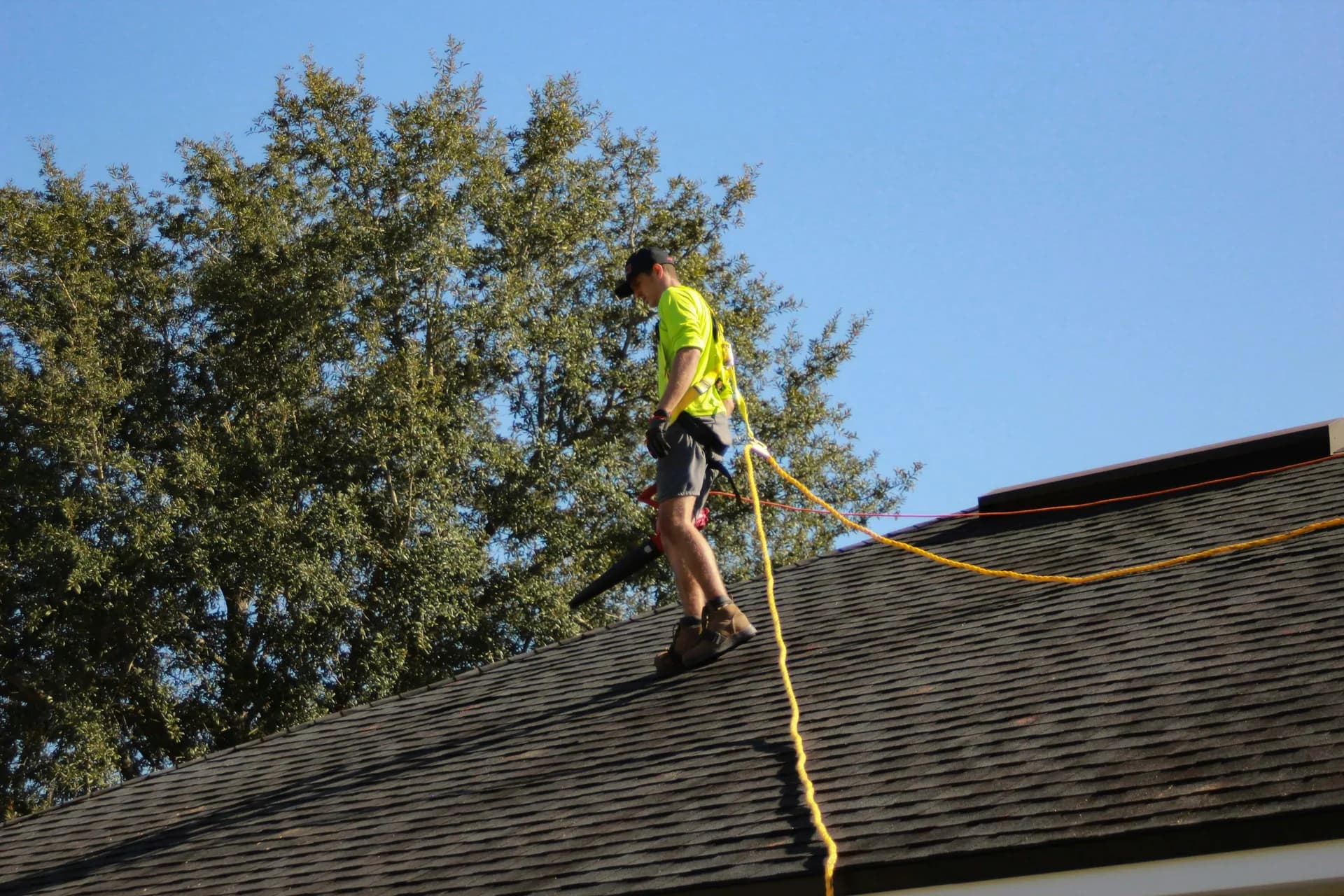
Ask contractors whether they install Class 4 shingles according to manufacturer specifications, which often require upgraded underlayment, specific nailing patterns, and adherence to wind rating installation guidelines. GAF and CertainTeed void impact-resistance warranties if shingles are installed over standard felt underlayment instead of synthetic underlayment, and if nail placement deviates from the manufacturer's nailing zone. Verify the contractor pulls permits and schedules inspections as required by local building departments.
Request written confirmation that the contractor will provide a certificate of completion with the shingle manufacturer name, product line, UL 2218 classification, and installation date — documentation required by most Alabama insurers to activate premium discounts. Contractors familiar with Class 4 products will stock certificates or generate them immediately after final inspection.
Homeowners should also ask whether the contractor is certified by the shingle manufacturer, as GAF Master Elite and CertainTeed SELECT ShingleMaster contractors receive training on impact-resistant product lines and can offer extended workmanship warranties. Certification is not required for competent installation, but it signals familiarity with Class 4 products and insurance discount requirements common in Alabama hail-prone markets.