What Makes Class 4 Shingles Different in Arkansas Hail Zones
Class 4 shingles pass UL 2218 impact testing with 2-inch steel ball strikes without cracking, while standard asphalt shingles fail at 1.25 inches. Arkansas hail belt counties—Pulaski, Faulkner, Lonoke, White, Independence, and Cleburne—recorded 47 hail events over 1.5 inches between 2018 and 2023, making impact resistance the single most important material specification for replacement roofs in these areas.
The classification comes from Underwriters Laboratories testing where shingles are struck repeatedly with progressively larger steel balls dropped from specific heights. Class 4 represents the highest rating, meaning the shingle surface shows no tearing, fracturing, or mat separation after two impacts from a 2-inch diameter steel ball dropped from 20 feet. Standard three-tab and architectural shingles typically rate Class 3 or lower.
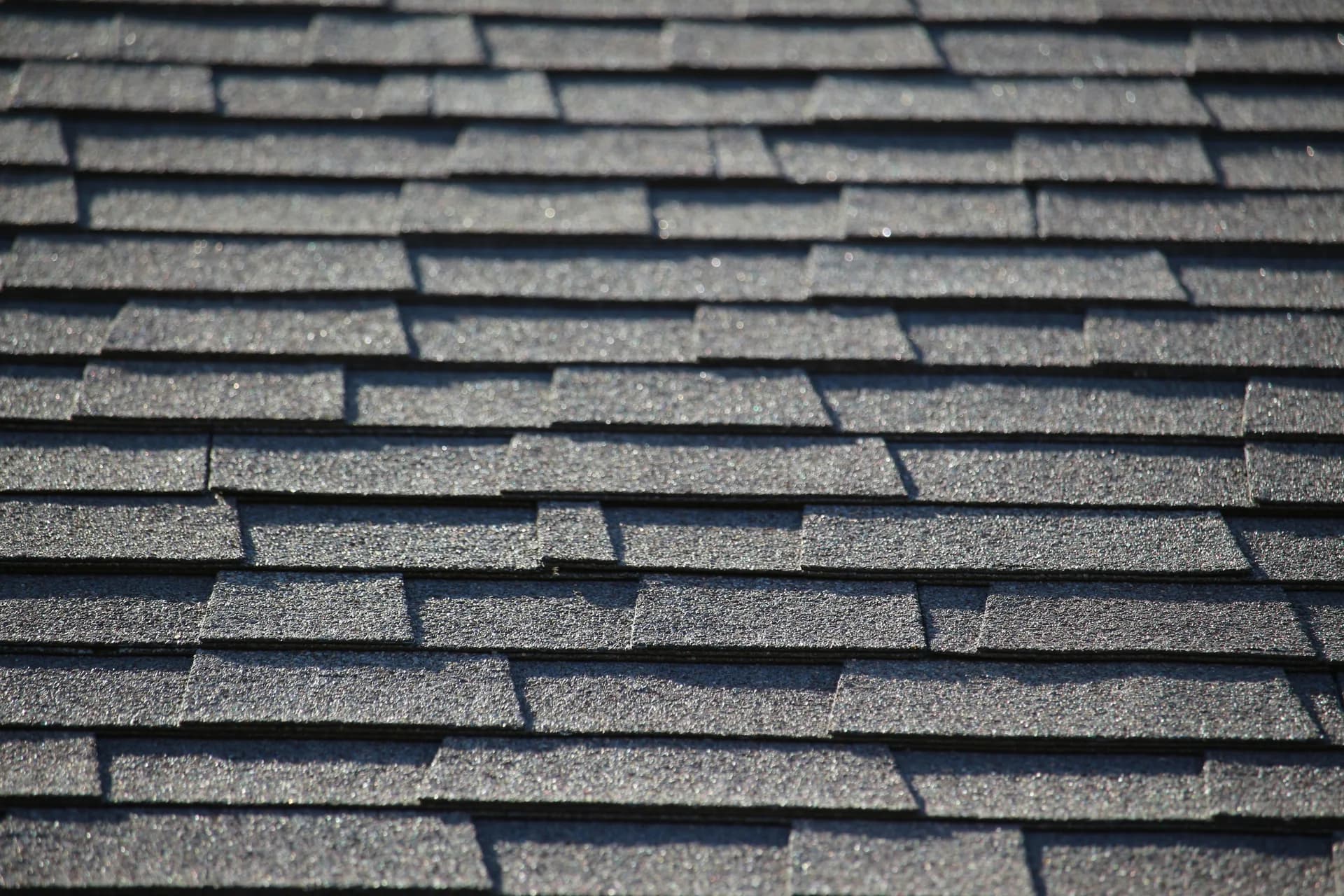
Manufacturers achieve Class 4 ratings through reinforced asphalt formulations with SBS polymer modifiers, heavier fiberglass mats, and impact-absorbing granule layers. GAF Timberline HDZ, CertainTeed Integrity Roof System, and Owens Corning Duration Storm shingles all carry Class 4 ratings and published warranties covering hail damage up to 2.5 inches in some product lines, eliminating most claim scenarios Arkansas homeowners face.
Insurance Premium Reductions for Class 4 Roofs in Arkansas
Arkansas insurers discount premiums 20–35% for Class 4 impact-resistant roofs, with the exact percentage varying by carrier, county hail history, and total coverage amount. State Farm, Farmers, and Allstate publish discount schedules ranging from 19% to 35% for homes in designated hail zones, which cover most counties north of Interstate 40.
To qualify for the discount, homeowners submit contractor certification confirming Class 4 installation, manufacturer documentation showing UL 2218 Class 4 rating for the specific product installed, and dated installation photos. Most carriers require annual recertification for the first three years, then move to five-year verification cycles.
The premium savings typically offset the higher material cost within 4–6 years. A $12,000 Class 4 roof replacement costs $2,000–$3,500 more than standard architectural shingles, but a homeowner paying $1,800 annually in premiums saves $360–$630 per year with a 20–35% discount, recovering the upfront cost difference and reducing total claim frequency that can trigger non-renewal.
Cost Comparison for Class 4 Shingle Replacement in Arkansas
Class 4 impact-resistant shingle replacement in Arkansas runs $9,500–$16,000 for a typical 2,000 square foot ranch with 4/12 pitch, compared to $7,000–$12,500 for standard architectural shingles. The price difference reflects heavier materials, longer installation time due to specific fastening requirements, and manufacturer certification processes contractors complete to maintain warranty eligibility.
Cost breaks down to $475–$800 per roofing square for Class 4 materials and labor in central Arkansas markets, with Little Rock and Conway averaging $525–$650 per square and rural counties running 10–15% lower. Steep pitch roofs over 8/12, multiple valleys, or complex flashing details add $75–$150 per square regardless of shingle class.
Material selection affects total cost within the Class 4 category. GAF Timberline HDZ runs $95–$115 per square in material cost alone, CertainTeed Integrity adds impact-resistant underlayment bringing material cost to $130–$150 per square, and premium options like Malarkey Legacy with scotchgard protection reach $160–$180 per square before labor. All three carry the same UL 2218 Class 4 rating but differ in warranty length, granule adhesion technology, and wind resistance ratings.
How Arkansas Hail Frequency Justifies Class 4 Investment
Central Arkansas hail belt counties average 3–5 hail events per year with stones exceeding 1 inch, according to NOAA Storm Events Database records from 2015–2023. Pulaski County recorded 22 events over 1.5 inches in that span, with eight producing 2-inch or larger hail concentrated in March, April, and May.
Standard architectural shingles fail at 1.25–1.5 inch impacts, meaning homeowners in these counties face replacement or repair every 8–12 years instead of the 20–25 year lifespan manufacturers advertise. Class 4 shingles eliminate damage from 90% of Arkansas hail events, pushing actual service life to 25–30 years and removing the claim frequency that triggers premium increases or policy non-renewal.
The math favors Class 4 installation for any home expecting 10+ years of occupancy in hail-prone counties. A homeowner replacing a roof twice in 20 years with standard shingles pays $14,000–$25,000 in total project costs, while a single Class 4 installation at $9,500–$16,000 covers the same period with no interim claims, lower annual premiums, and higher resale value tied to transferable manufacturer warranties.
Contractor Certification Requirements for Class 4 Installation
Class 4 shingle manufacturers require contractor certification to activate extended warranties, and installation errors void both impact ratings and insurance discounts. GAF Master Elite, CertainTeed SELECT ShingleMaster, and Owens Corning Platinum Preferred contractors complete manufacturer-specific training covering fastener placement, starter strip requirements, and ventilation specifications that differ from standard shingle installation.
Critical installation differences include six nails per shingle instead of four for standard architectural products, specific nail placement zones to avoid mat damage, and underlayment requirements that often specify synthetic products rather than felt. Contractors must also photograph fastener patterns and submit installation documentation to manufacturers within 30 days to activate hail-specific warranty coverage.
Homeowners verify contractor certification by requesting the contractor's manufacturer certification number and confirming it directly with GAF, CertainTeed, or Owens Corning through their online contractor locator tools. Uncertified contractors can install Class 4 shingles, but the installation won't qualify for manufacturer hail warranties or insurance premium discounts, eliminating the primary financial benefits of choosing impact-resistant materials.
What to Expect During Class 4 Roof Replacement in Arkansas
Class 4 roof replacement in Arkansas takes 2–4 days for a typical single-family home, with the timeline extending in spring and early summer when hail damage concentrates contractor demand. Projects start with complete tear-off of existing shingles, inspection of decking for hail-induced cracking or soft spots, and replacement of damaged plywood before new underlayment goes down.
Contractors install synthetic underlayment on most Class 4 projects because manufacturer warranties require it for full hail coverage, adding half a day to the schedule but improving waterproofing during the 1–2 day window between tear-off and shingle completion. Fastening takes longer than standard installation due to six-nail patterns and manufacturer photo documentation requirements, but the time difference adds only 4–6 hours on a 2,000 square foot roof.
Permit requirements vary by municipality in Arkansas. Little Rock, Conway, Fayetteville, and Jonesboro require permits for all tear-off replacements, with inspections scheduled after decking repair and again after final installation. Smaller municipalities may exempt reroof projects under certain square footage thresholds, but contractors pull permits regardless to maintain manufacturer certification and provide documentation for insurance discount applications.