What Makes Class 4 Shingles Different From Standard Asphalt Shingles
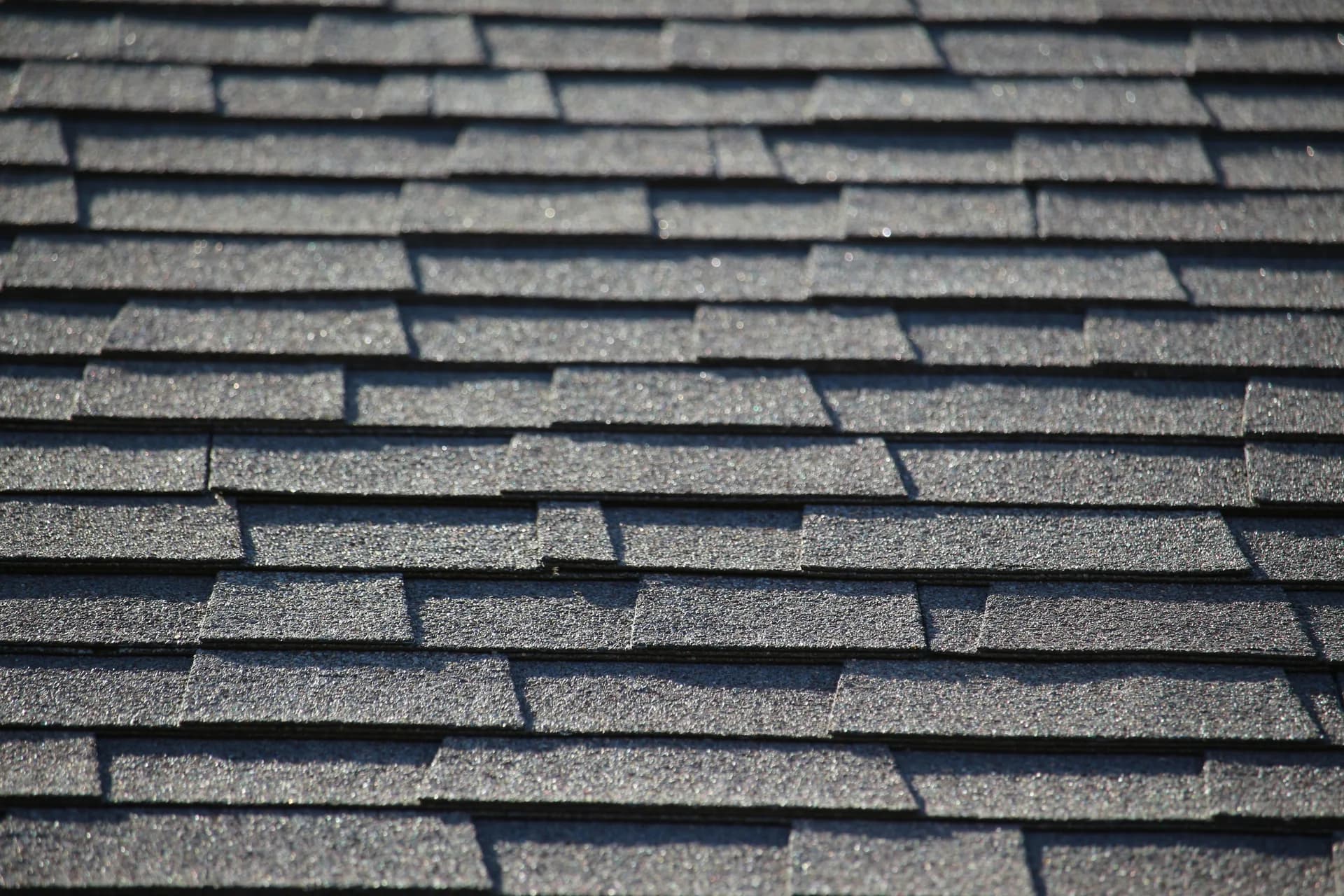
Class 4 shingles use rubberized asphalt and polymer-modified compounds that absorb hail impact without cracking or losing granules. Standard 3-tab and architectural shingles fracture under hail 1.75 inches or larger, which Iowa sees in severe storms 3–6 times per season across Polk, Story, Marshall, and Linn counties. The UL 2218 test drops a 2-inch steel ball from 20 feet onto the shingle surface twice in the same spot — Class 4 shingles show no cracking or tearing.
GAF Timberline HDZ RS, CertainTeed Integrity Roof System, and Owens Corning Duration Storm shingles all carry Class 4 ratings. These products weigh 15–20% more per square than non-impact versions due to the reinforced backing and asphalt formulation. Installation follows standard nailing patterns, but some manufacturers require certified installers to activate enhanced warranties.
Class 4 certification applies only to new installations. Older shingles that marketed impact resistance before UL 2218 became the industry standard may not meet current Class 4 thresholds.
How Much Do Class 4 Impact-Resistant Shingles Cost in Iowa
Class 4 shingles cost $125–$175 per square installed in Iowa, compared to $95–$130 per square for standard architectural shingles. A 2,200-square-foot roof replacement using Class 4 materials runs $11,500–$17,000, depending on pitch, flashing complexity, and removal of existing layers. Estimates based on available industry data; individual project costs vary by roof size, pitch, material, and regional labor rates.
Material cost accounts for 40–50% of the total. Class 4 shingles themselves cost $75–$105 per square at contractor pricing, while standard architectural shingles run $55–$75. Labor rates in Des Moines, Cedar Rapids, and Iowa City average $60–$85 per hour for licensed crews. Steep pitches above 7/12 or multi-story homes add 10–25% to labor cost.
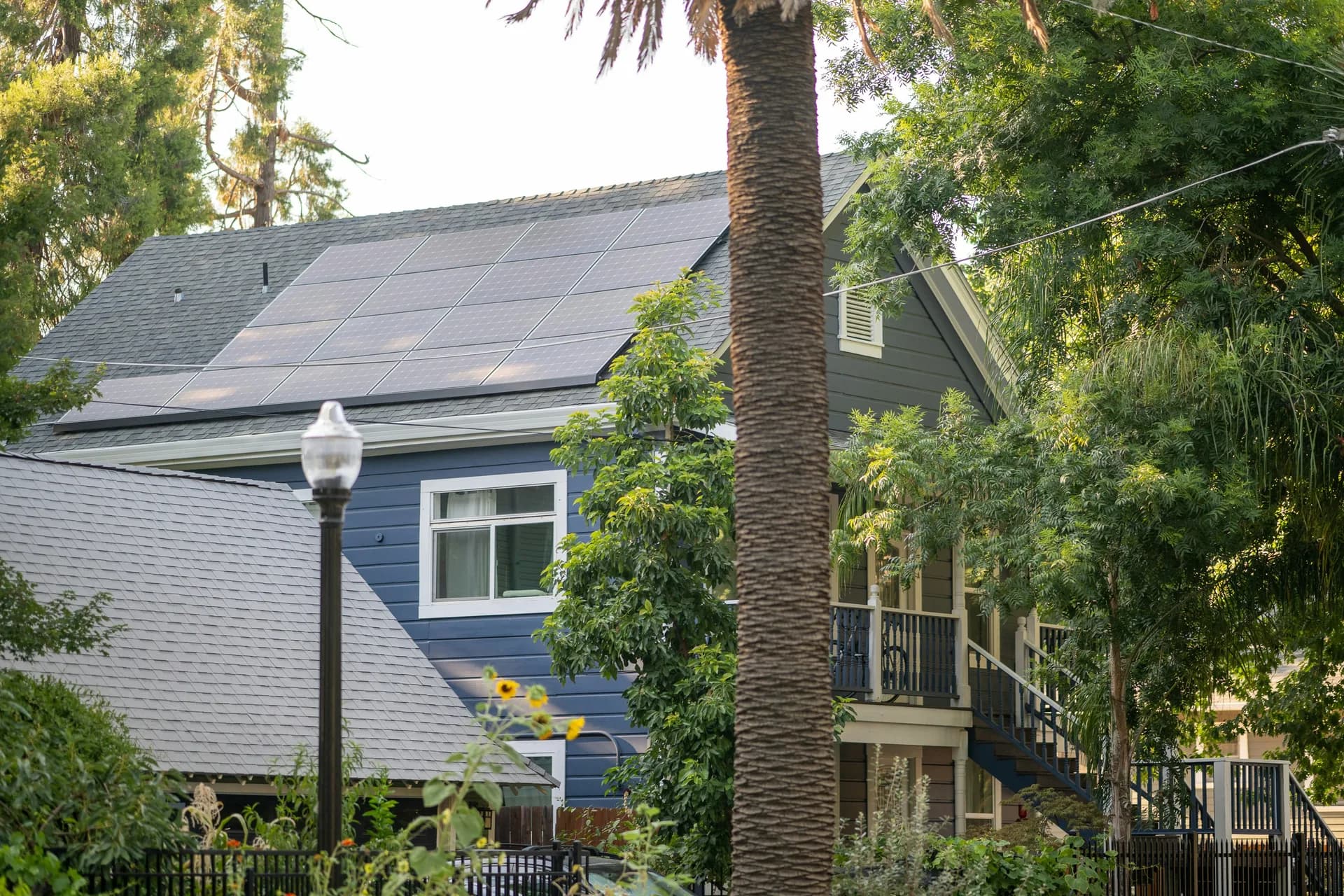
Most Iowa homeowners recover the premium through insurance discounts within 6–8 years. The upfront delta between Class 4 and standard shingles on a typical home is $1,800–$3,200, offset by annual premium reductions of $225–$475 depending on carrier and coverage amount.
Which Iowa Counties See the Most Hail Damage
Polk, Story, Dallas, Linn, Johnson, and Black Hawk counties report the highest frequency of hail claims, with severe hail events occurring 4–7 times per year in central Iowa's hail corridor. The National Weather Service documents hail 1.75 inches or larger in Des Moines and Ames 3–5 times annually, concentrated in April through July. Iowa ranks fourth nationally for hail claim frequency, behind Texas, Colorado, and Nebraska.
The 2020 derecho produced widespread hail and wind damage across 14 Iowa counties, generating over 250,000 property insurance claims statewide. Cedar Rapids, Marshalltown, and Urbandale saw concentrated roof replacement demand that extended contractor lead times to 8–14 weeks. Eastern Iowa counties along the I-380 corridor face combined hail and straight-line wind risk during severe convective events.
Rural Iowa counties with lower claim density still experience hail, but contractor availability and material delivery timelines are longer. Homeowners in Sioux, Plymouth, and Woodbury counties should expect 2–4 week lead times for Class 4 material orders compared to 5–10 days in metro markets.
Do Iowa Insurance Carriers Offer Discounts for Class 4 Roofs
Most Iowa carriers offer premium discounts of 15–35% on the dwelling coverage portion of homeowners policies when Class 4 shingles are installed and documented with proof of UL 2218 certification. State Farm, Nationwide, and Farm Bureau Financial Services confirm discounts at policy renewal after the contractor provides material certification and installation photos. The discount applies to the portion of the premium covering wind and hail, typically 25–40% of the total annual cost.
A homeowner paying $1,800 annually for coverage on a $300,000 dwelling can expect $225–$350 in annual savings with a Class 4 roof. Discounts vary by carrier underwriting models and county-level hail claim history. Carriers require documentation: material invoice showing Class 4 product, installation date, and contractor license number. Some carriers issue the discount immediately; others apply it at the next renewal cycle.
The discount remains in effect as long as the Class 4 roof is maintained and no non-impact repairs are made. Mixing Class 4 and standard shingles during partial repairs voids the certification in most carrier policies.
What Should Homeowners Know Before Choosing a Class 4 Roof System
Class 4 shingles require proper attic ventilation and deck preparation to perform as rated. Inadequate ventilation accelerates thermal aging and undermines impact resistance within 8–10 years, even on premium products. Iowa contractors should verify intake and exhaust ventilation meets the 1:300 net free area ratio before installing Class 4 materials. Deck sheathing must be structurally sound — warped or water-damaged OSB reduces the shingle's ability to absorb impact.
Manufacturer warranties on Class 4 shingles include material defect coverage but exclude damage from hail, wind, or other weather events unless paired with a system warranty that covers deck, underlayment, and starter course. GAF's Golden Pledge and CertainTeed's Integrity Roof System warranties cover labor and materials for 50 years when installed by certified contractors. These warranties cost $300–$800 upfront and transfer to new homeowners, adding resale value.
Color selection affects surface temperature and granule adhesion. Lighter colors reflect more solar radiation and run 10–15 degrees cooler in Iowa summers, reducing thermal cycling stress. Darker colors absorb heat and may experience faster granule loss in southern and western roof exposures, though Class 4 products use ceramic-coated granules that resist UV degradation better than standard formulations.
How Do Contractors Verify Class 4 Shingle Installation
Licensed Iowa contractors document Class 4 installations with material packaging labels, UL 2218 certification sheets, and geo-tagged installation photos submitted to the manufacturer for warranty activation. The certification sheet lists the product name, Class 4 rating, batch number, and installation date. Homeowners should receive copies of all documentation within 10 days of project completion for insurance discount submission.
Nailing patterns for Class 4 shingles follow NRCA and manufacturer specifications: six nails per shingle for standard slopes, eight nails for pitches above 7/12 or in high-wind zones. Overdriven or underdriven nails compromise impact resistance by creating stress points where granules separate under hail strike. Pneumatic nailers should be calibrated to leave the nail head flush with the shingle surface without breaking the mat.
Post-installation inspection confirms proper flashing at valleys, chimneys, and roof-to-wall intersections. Class 4 shingles perform only as well as the system around them — valley metal or step flashing installed incorrectly allows water infiltration that undermines deck integrity and voids impact warranties. Reputable contractors provide a final walkthrough with photo documentation and a written installation checklist.