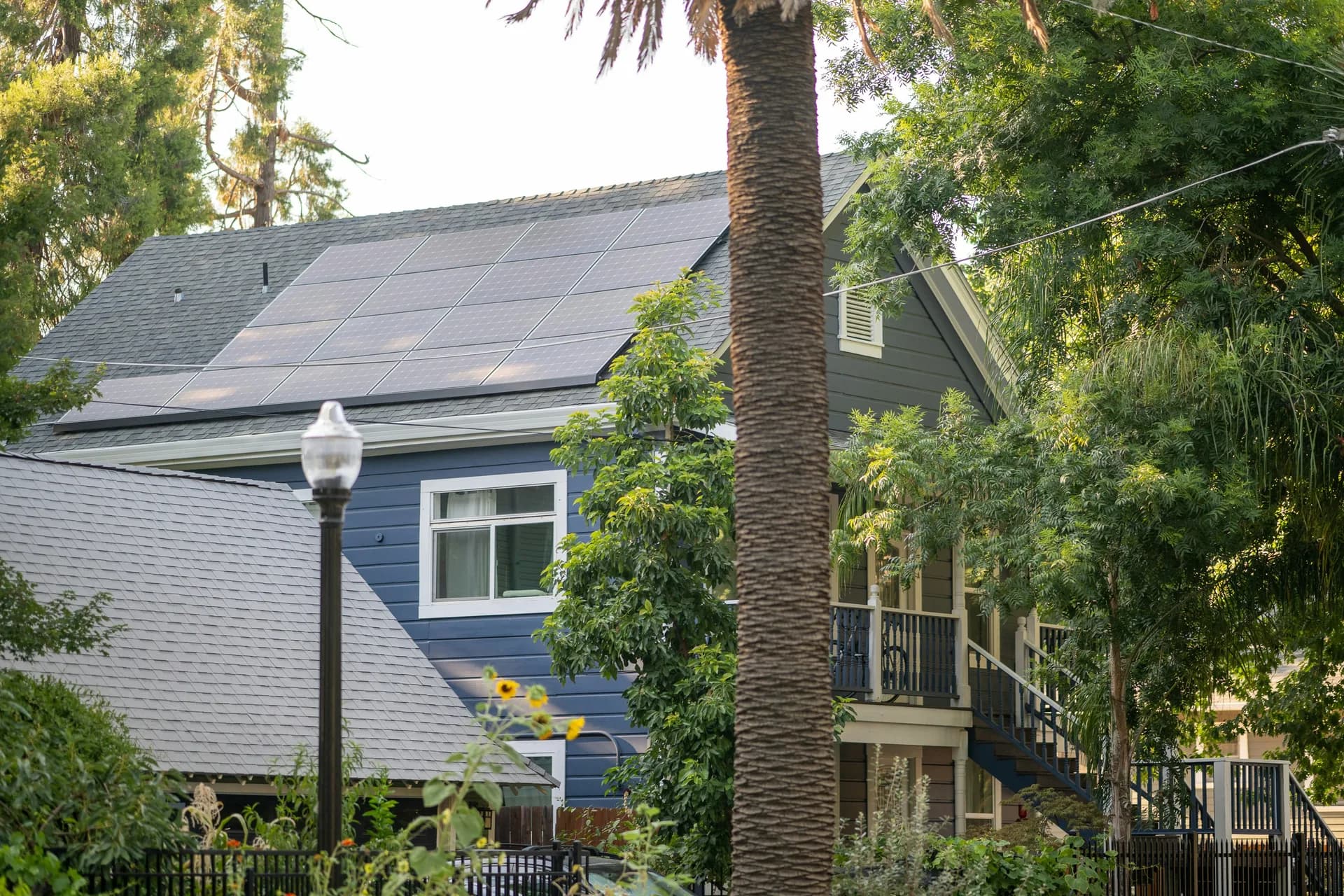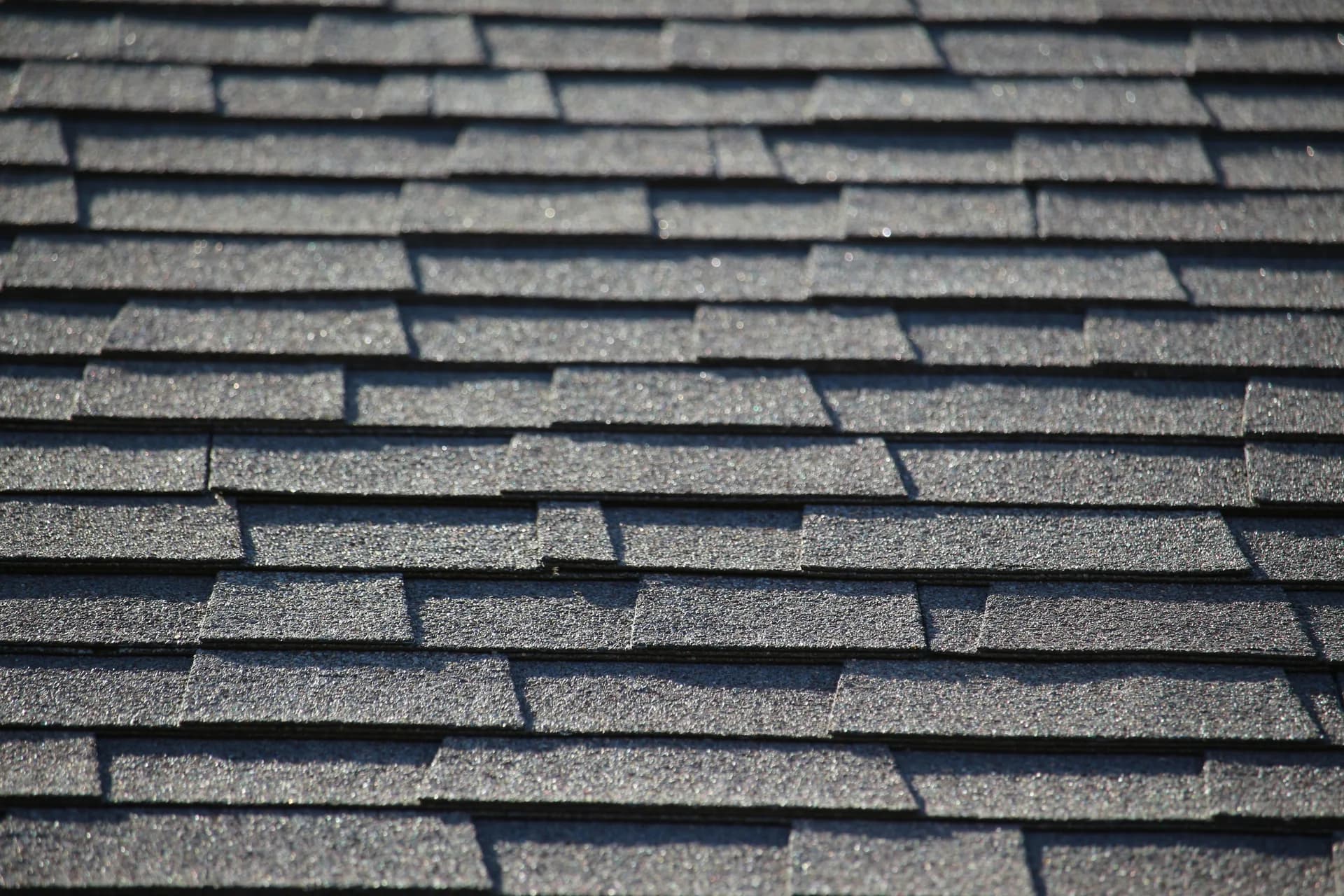
What Makes Class 4 Shingles Different From Standard Asphalt Shingles
Class 4 shingles contain a reinforced rubberized asphalt layer or polymer-modified backing that absorbs hail impact without cracking the fiberglass mat or displacing granules. Standard architectural shingles use a rigid asphalt formulation that fractures under direct strikes from hailstones 1.75 inches or larger, creatingbruising damage invisible from the ground but detectable during insurance inspections. The UL 2218 Class 4 rating requires the shingle to survive two strikes from a 2-inch steel ball dropped from 20 feet without tearing or splitting.
Manufacturers use different construction methods to achieve Class 4 certification. GAF Timberline HDZ uses a layered SBS-modified asphalt core; Owens Corning SureNail incorporates a woven fabric strip embedded in the shingle; Malarkey Legacy uses a rubberized asphalt blend across the entire mat. All three pass the same impact test, but installation details and warranty coverage vary by product line.
Class 4 shingles weigh 30–50 pounds more per square than standard shingles. The added weight requires verification that roof framing can support the load, particularly on older homes built before 1980 when rafter spacing standards were less conservative. Most Kansas residential roofs handle the load without reinforcement, but a structural evaluation is standard practice before Class 4 installation on homes over 40 years old.
How Much Class 4 Shingles Cost in Kansas
Class 4 shingles installed on a Kansas roof cost $150–$250 per square, compared to $120–$180 per square for standard architectural shingles. A 2,000-square-foot roof with typical pitch and complexity runs $9,000–$15,000 for Class 4 material and labor. The premium reflects higher material cost, longer installation time due to shingle weight, and the smaller contractor pool certified to install impact-resistant products under manufacturer warranty.
Material alone accounts for $90–$140 per square of the total installed cost. GAF Timberline HDZ retails at $95–$110 per square; Owens Corning SureNail runs $100–$125; CertainTeed NorthGate Class 4 averages $105–$130. Labor adds $60–$110 per square depending on roof pitch, penetration count, and accessibility. Steep-pitch roofs over 8/12 push labor to the higher end due to safety rigging and slower work pace.
Insurance claim reimbursement in Kansas typically covers the full material upgrade cost when hail damage is documented and the claim is filed within the policy's time window. Most carriers apply actual cash value depreciation to the labor portion until work is completed, then release recoverable depreciation. Homeowners paying out of pocket should expect the full range; those filing claims often see lower net costs after depreciation recovery.
Which Kansas Counties See the Most Hail Damage
Sedgwick, Reno, McPherson, Saline, and Butler counties logged the highest frequency of hail events exceeding 1.5 inches between 2015 and 2023, according to NOAA Storm Events Database records. Sedgwick County alone recorded 47 hail events with stones 1.75 inches or larger during that span, concentrated in April through June. Reno and McPherson counties each saw 30+ events, with peak activity in May when warm surface air collides with upper-level jet stream positioning.
Hail size matters more than event count for roof damage. Stones under 1.5 inches rarely crack asphalt shingles; stones between 1.75 and 2 inches cause bruising and granule displacement on standard shingles but often leave Class 4 shingles intact. Stones exceeding 2.5 inches damage even Class 4 products, though the threshold for total failure is higher. The May 2021 hailstorm in Andover dropped 2.75-inch stones across northern Sedgwick County, producing claims on both standard and impact-resistant roofs.
Counties along the I-70 and I-135 corridors carry the highest concentration of Class 4 installations. Insurance actuarial data shows measurable claim frequency reduction in those zones when Class 4 shingles are installed, which drives premium discount programs and repeat homeowner adoption after the first replacement cycle.
Do Kansas Insurance Carriers Offer Discounts for Class 4 Shingles
Most Kansas homeowners insurance carriers offer premium discounts ranging from 5% to 35% for verified Class 4 roof installations, with the exact percentage tied to county hail frequency and carrier underwriting models. State Farm, Farmers, and American Family actively promote Class 4 discounts in Sedgwick, Reno, and McPherson counties where hail claim history justifies the actuarial adjustment. Discounts apply annually and remain in effect as long as the Class 4 roof is maintained and documented.
Documentation requirements vary by carrier but typically include a signed contractor certification letter stating the shingle product name, UL 2218 Class 4 rating, installation date, and square footage. Some carriers require a building department final inspection report or a third-party roof certification from a HAAG-certified inspector. Homeowners should request documentation at project completion and submit it to their carrier within 30 days to activate the discount for the current policy term.
Discount percentages are highest in hail-prone zip codes. A Sedgwick County homeowner might see a 20–25% reduction; a homeowner in a lower-frequency county like Wyandotte might see 7–10%. The cumulative savings over a 25-year shingle lifespan often offset the initial material premium, particularly when combined with reduced claim frequency and avoided deductible payments on repeat damage events.
How Long Class 4 Shingles Last in Kansas Weather
Class 4 shingles carry manufacturer warranties ranging from 30 years to lifetime limited coverage, but functional lifespan in Kansas averages 22–28 years depending on attic ventilation, roof pitch, and cumulative UV exposure. The rubberized asphalt cores resist thermal cycling better than standard shingles, which extends granule retention and reduces brittleness in winter freeze-thaw cycles common across northern Kansas counties.
Hail resistance does not equal indefinite hail immunity. A Class 4 shingle survives multiple 2-inch strikes without catastrophic failure, but repeated impacts degrade the protective granule layer and accelerate weathering. A roof that weathers three major hail events over 15 years will show shorter remaining lifespan than an identical roof in a hail-free zone. Granule loss becomes visible after the second or third severe impact, even when the underlying mat remains intact.
Attic ventilation directly affects lifespan. Roofs with inadequate ridge and soffit ventilation trap heat in summer, pushing shingle surface temperatures above 160°F and accelerating asphalt oxidation. Properly vented attics keep surface temperatures 20–30°F cooler, which extends the effective service life of both standard and Class 4 products. Kansas building code requires 1 square foot of net free ventilation area per 150 square feet of attic space, but many pre-2000 homes fall short of that ratio.
What to Look for When Hiring a Contractor for Class 4 Installation
Verify the contractor holds manufacturer certification for the specific Class 4 product line you're installing. GAF Master Elite, CertainTeed SELECT ShingleMaster, and Owens Corning Platinum Preferred contractors complete product-specific training and maintain liability insurance thresholds required to offer enhanced warranties. Non-certified contractors can install Class 4 shingles, but the manufacturer warranty drops to standard coverage and insurance discount documentation may be rejected.
Ask for references from Class 4 projects completed in the past 24 months and contact at least two. Verify the references include installations in your county and involved insurance claims if you're filing one. Class 4 installation requires tighter nailing patterns and specific underlayment types; contractors without recent impact-resistant experience often revert to standard installation habits that void warranty coverage.
Request a written scope that itemizes shingle product name, underlayment type, ventilation upgrades if needed, and documentation deliverables. The contract should specify that the contractor provides a signed certification letter with UL 2218 rating confirmation at project completion. Avoid contractors who offer to waive your insurance deductible or guarantee claim approval — both practices violate Kansas insurance fraud statutes and signal operational patterns that create liability risk for the homeowner.