What Makes a Shingle Class 4 Impact-Resistant?
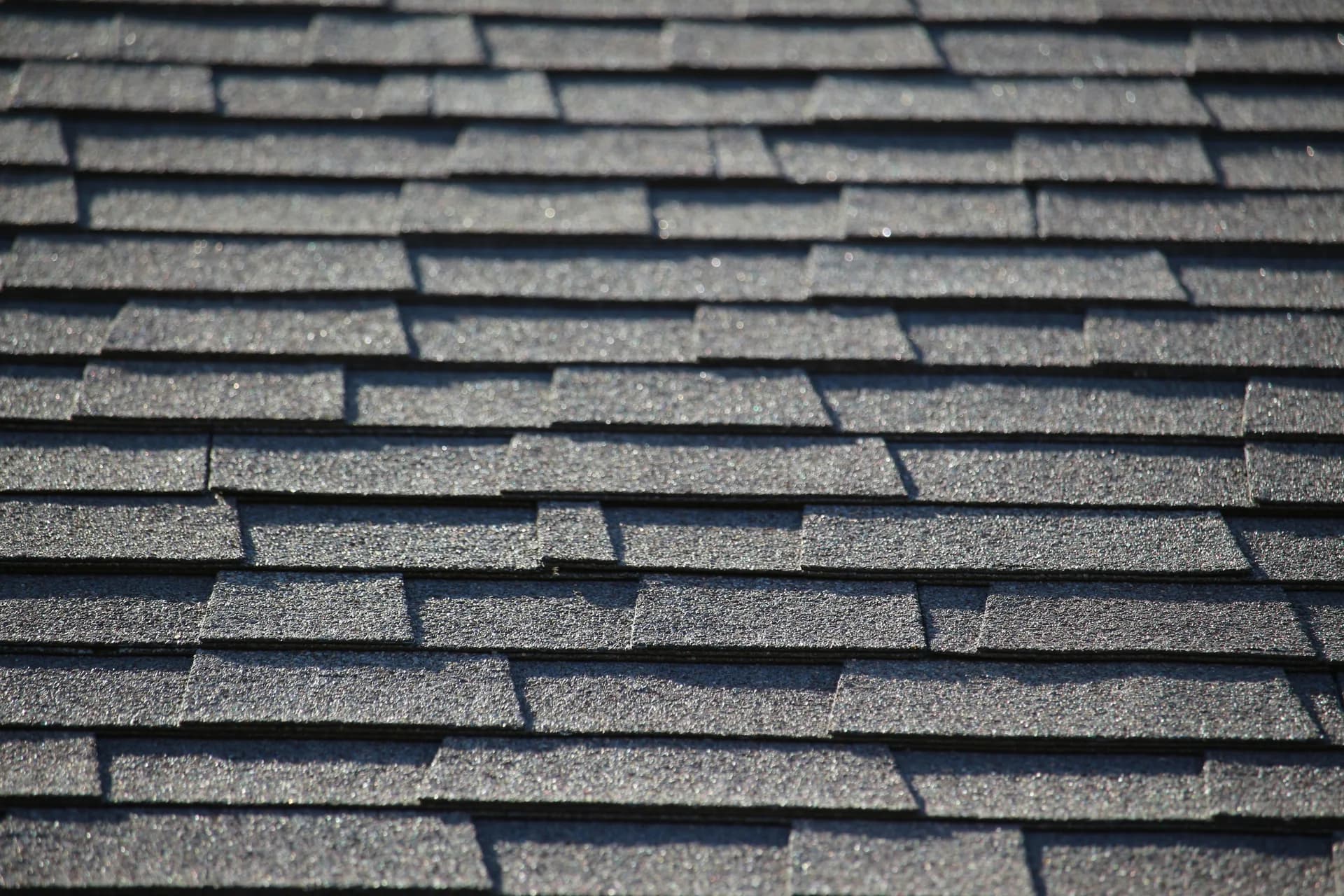
A shingle earns UL 2218 Class 4 certification by surviving repeated impacts from a 2-inch steel ball dropped from 90 feet without cracking or tearing. The test simulates hail strikes up to 2 inches in diameter—larger than the 1.5-inch to 1.75-inch hailstones that caused $180 million in damage across Jefferson, Fayette, and Boone counties during April 2020 storms. Standard asphalt shingles receive Class 3 ratings and fail at smaller impact thresholds.
Manufacturers achieve Class 4 ratings through rubberized asphalt formulations, SBS (styrene-butadiene-styrene) polymer modifiers, or reinforced mat construction. GAF's Timberline HDZ, CertainTeed's Highland Slate IR, and Owens Corning's Duration Storm shingles all carry Class 4 certification. The material construction allows the shingle to flex under impact rather than fracture, reducing bruising that leads to granule loss and premature failure.
Class 4 shingles weigh 30–50 pounds more per square than standard architectural shingles. A 2,000 square foot roof replacement adds 600–1,000 pounds of total weight, which falls within structural load tolerances for most Kentucky residential construction but requires verification during the inspection phase for older homes built before 1980.
How Much Do Class 4 Shingles Cost in Kentucky?
Class 4 impact-resistant shingles cost $150–$225 per square installed in Kentucky, compared to $95–$140 per square for standard architectural shingles. A full roof replacement on a 2,000 square foot home with moderate pitch runs $12,000–$18,000 with Class 4 material versus $7,500–$11,200 with standard asphalt—a $4,500–$6,750 premium. Estimates based on available industry data; individual project costs vary by roof size, pitch, material, and regional labor rates.
Material cost accounts for $2,800–$4,200 of the premium on a typical residential project. Labor costs remain similar between standard and Class 4 installations, though steeper pitches above 6:12 or complex roof geometries add $50–$80 per square regardless of shingle type. Louisville and Lexington metro areas track toward the higher end of the range due to contractor density and permit fees; rural counties in eastern Kentucky see lower labor rates.
Insurance discounts offset part of the upfront cost. Kentucky carriers offering UL 2218 Class 4 discounts reduce annual premiums by 10–25%, though discount availability varies by county hail frequency and carrier underwriting guidelines. A homeowner paying $1,800 annually for coverage in northern Kentucky can recover $1,800–$4,050 over a 10-year period with a 10% discount, reducing the net cost of the Class 4 upgrade.
Which Kentucky Counties See the Most Hail Damage?
Northern Kentucky counties—Boone, Kenton, Campbell—average 3–5 hail events per year based on NOAA Storm Events Database records from 2015–2023. The Ohio River corridor creates atmospheric instability during spring and early summer, producing supercell thunderstorms with hail diameters between 1 and 2 inches. April and May account for 60% of annual hail reports in this region.
Western Kentucky counties near Paducah—McCracken, Marshall, Calloway—see similar hail frequency with larger maximum stone sizes. The May 2009 derecho event produced 2.75-inch hail across McCracken County, damaging over 4,000 roofs and totaling $47 million in insured losses. This area sits within Dixie Alley, where tornado and hail activity peaks from March through June.
Central Kentucky counties including Jefferson, Fayette, and Madison report 2–4 hail events annually. Urban heat island effects in Louisville and Lexington intensify convective activity during warm-season months, though maximum stone sizes typically remain below 2 inches. The April 2020 hailstorm that swept through Louisville produced widespread 1.5-inch hail, triggering over 12,000 roof replacement claims across Jefferson County alone.
Do Kentucky Insurance Carriers Require Class 4 Shingles?
No Kentucky insurance carrier mandates Class 4 shingles as a coverage requirement, but many offer premium discounts for homes with UL 2218 Class 4 roofs in hail-prone counties. Discount percentages range from 10% to 25% depending on carrier, county loss history, and policy type. State Farm, Allstate, and Nationwide all publish Class 4 discount schedules for Kentucky policies, though homeowners must request the discount and provide proof of installation.
Carriers verify Class 4 installation through product documentation submitted with the discount request. Contractors must provide manufacturer certifications, UL listing numbers, and installation photos showing proper application. Some carriers dispatch inspectors to verify compliance before approving the discount, particularly for policies in northern and western Kentucky counties with higher hail claim frequencies.
Replacement cost coverage policies written after a major hail event sometimes include Class 4 upgrade requirements as a condition of renewal in high-loss counties. This appeared in northern Kentucky following the April 2020 storms, when several carriers sent non-renewal notices to homeowners with roofs over 15 years old unless they upgraded to impact-resistant materials within 12 months of the claim settlement.
How Long Do Class 4 Shingles Last in Kentucky Weather?
Class 4 impact-resistant shingles carry 30- to 50-year warranties from manufacturers and last 25–35 years in Kentucky climate conditions when installed correctly. Standard architectural shingles last 18–25 years in the same environment. The difference comes from material durability under thermal cycling, UV exposure, and impact events—not just hail resistance.
Kentucky's humid subtropical climate subjects roofs to 60–80 freeze-thaw cycles per winter in northern counties and 30–50 cycles in southern regions. Class 4 shingles with SBS polymer modifiers retain flexibility at low temperatures, reducing thermal cracking that shortens lifespan. Granule adhesion formulas used in impact-resistant products also perform better under UV exposure, slowing the degradation that causes color fading and brittleness.
Actual lifespan depends on roof pitch, ventilation, and maintenance. Roofs with 6:12 or steeper pitch shed water faster and experience less algae growth, extending material life by 3–5 years. Inadequate attic ventilation raises shingle temperatures by 20–40 degrees during summer months, accelerating asphalt aging regardless of impact rating. Homeowners should verify ventilation meets 1:150 ratio requirements during replacement projects to capture the full lifespan potential of Class 4 materials.
What Should You Look for in a Class 4 Shingle Contractor?
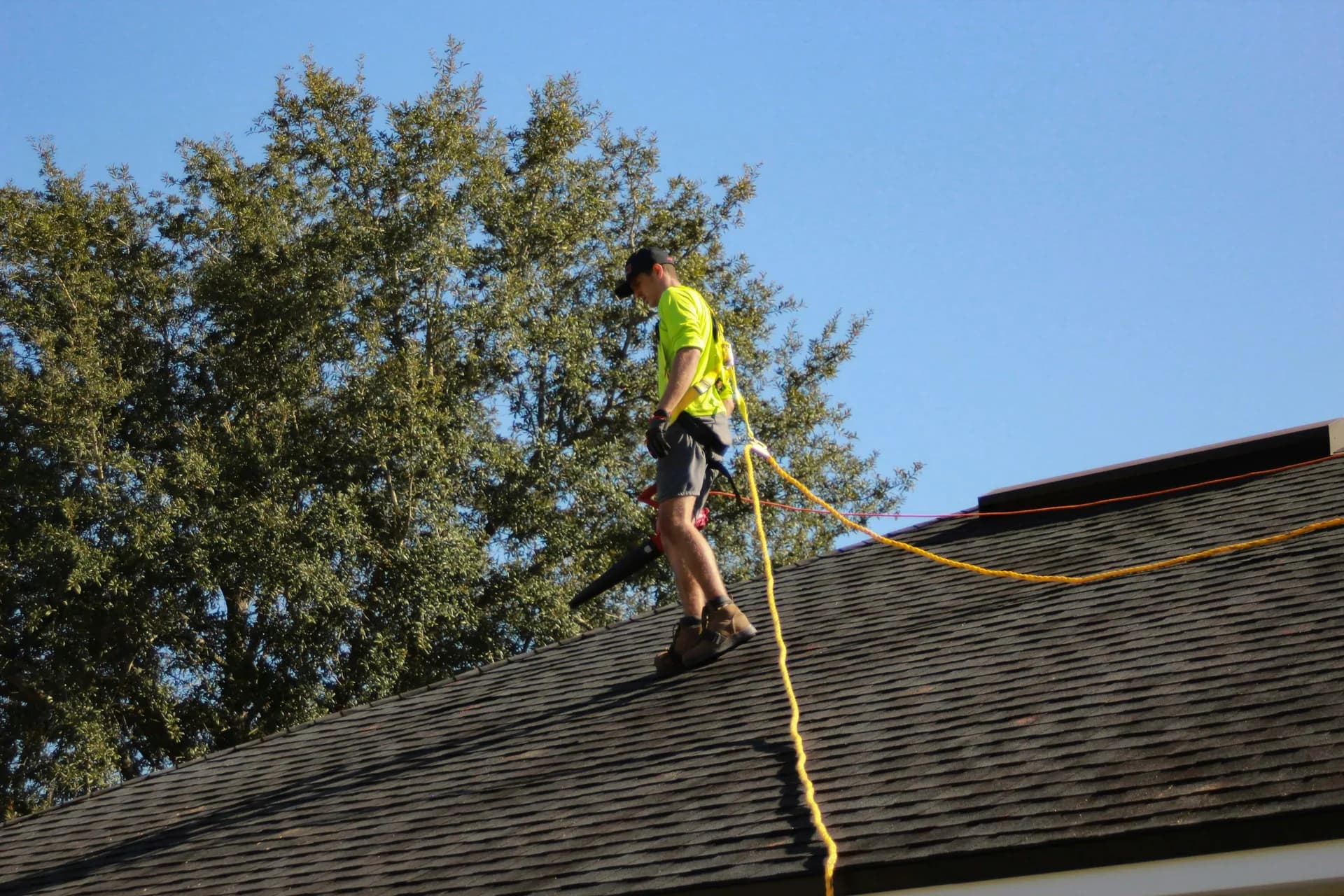
Verify the contractor holds manufacturer certifications from GAF, CertainTeed, or Owens Corning before signing a contract. Certified installers complete factory training on Class 4 product handling and application requirements that differ from standard shingle installation. GAF Master Elite contractors and CertainTeed SELECT ShingleMaster firms offer extended material warranties—up to 50 years—that standard installers cannot provide.
Request proof of general liability insurance with minimum $1 million coverage and workers' compensation insurance covering all crew members. Kentucky does not require state-level roofing contractor licenses, so licensing requirements vary by municipality. Most Kentucky cities and counties require permits for roof replacements, and contractors operating legally pull permits under their business registration and insurance coverage.
Ask for references from Class 4 installations completed in the past 12 months and verify the contractor stocks or has direct access to Class 4 materials. Supply chain delays during high-claim periods—common after widespread hail events—extend project timelines by 4–8 weeks. Contractors with manufacturer relationships secure materials faster than firms ordering through retail distributors. Confirm the written estimate specifies Class 4 product by manufacturer name and UL listing number to prevent substitution with lower-rated materials during installation.