What Makes Class 4 Shingles Different from Standard Asphalt Shingles?
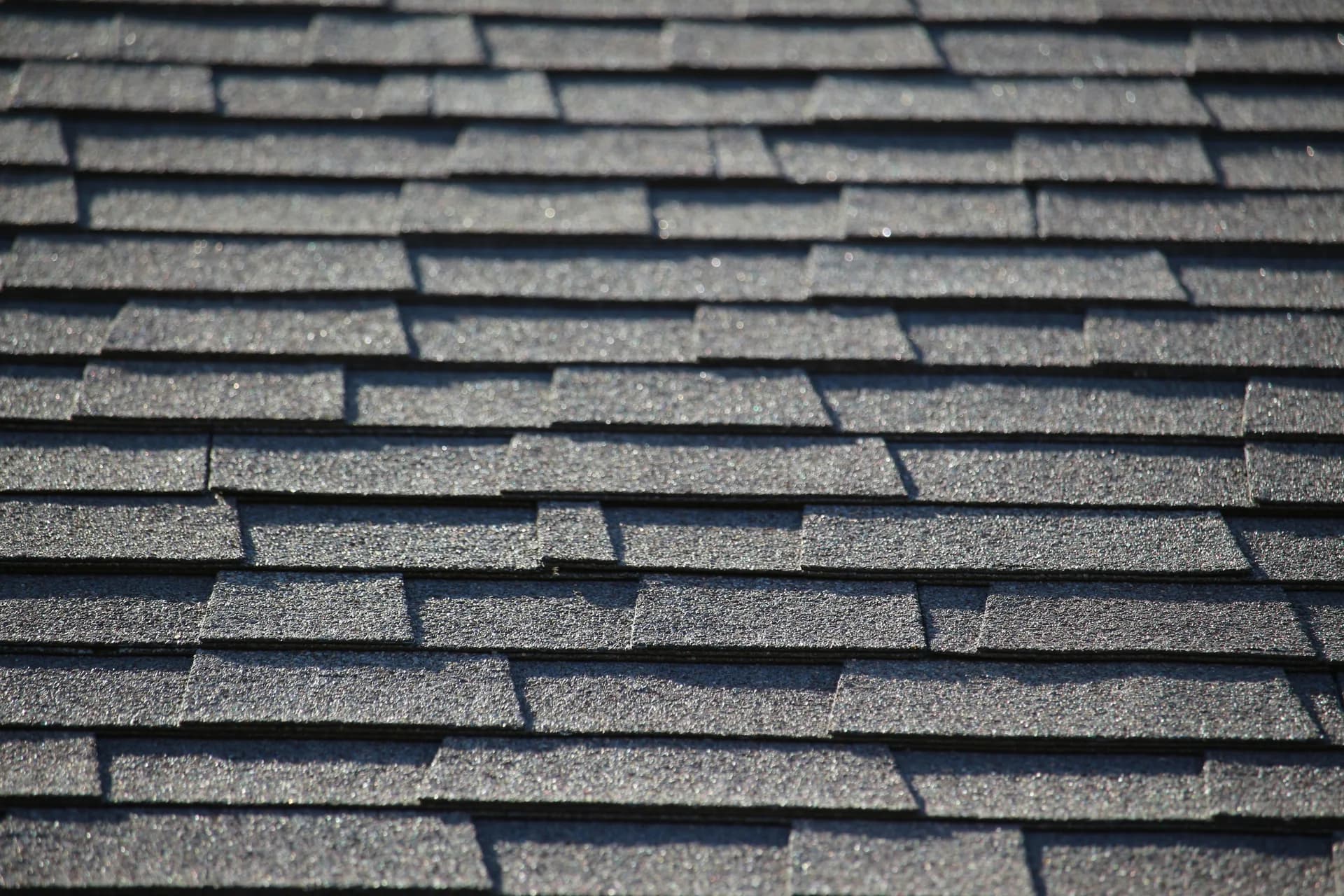
Class 4 shingles pass UL 2218 impact testing by surviving repeated strikes from a 2-inch steel ball dropped from 20 feet without cracking or tearing. Standard asphalt shingles fail this test at lower impact levels. The difference comes from a reinforced backing mat and polymer-modified asphalt that absorbs impact energy rather than transferring it to the underlying structure.
Michigan sees an average of 3–8 hail events per year in counties along the I-94 corridor from Kalamazoo through Ann Arbor to Detroit, with 1-inch to 2-inch hail reported most frequently during late spring severe weather outbreaks. Standard shingles develop bruising and granule loss from these strikes that shortens their lifespan by 5–10 years. Class 4 shingles maintain their integrity through the same events.
GAF Timberline HDZ, CertainTeed Northgate, Owens Corning Duration Storm, and Malarkey Legacy are the most common Class 4 products installed in Michigan. Each carries a limited lifetime warranty with impact resistance coverage that standard product lines do not include. Installation requirements match standard shingles, so labor costs remain comparable.
How Much Does a Class 4 Roof Replacement Cost in Michigan?
A full Class 4 shingle replacement on a 2,000 square foot Michigan home typically costs $12,000–$22,000 installed, compared to $8,500–$16,000 for standard architectural shingles. The premium runs $1.50–$3.00 per square foot for material upgrade alone. Roof pitch, complexity, tear-off layers, and contractor demand during storm surge periods push costs toward the higher end.
Detroit metro pricing sits near the top of that range due to higher labor rates and contractor density. Lansing, Grand Rapids, and Kalamazoo fall in the middle. Rural counties in the northern Lower Peninsula and Upper Peninsula trend lower, though contractor availability is thinner and travel fees sometimes offset material savings.
Insurance claims for hail damage often cover Class 4 upgrades with minimal out-of-pocket cost if the existing roof sustained enough damage to justify full replacement. Carriers recognize the reduced future claim risk and approve the upgrade when the claim meets replacement criteria. Homeowners paying out of pocket recover part of the premium through insurance discounts over 10–15 years.
Do Michigan Insurance Carriers Offer Discounts for Class 4 Shingles?
Most Michigan carriers offer impact-resistant roof discounts ranging from 10% to 35% on the dwelling coverage portion of homeowners policies. Auto-Owners, AAA Michigan, Frankenmuth, and State Farm all publish Class 4 discounts, though exact percentages vary by underwriting tier and county hail risk score. The discount applies as long as the shingles remain in service and the homeowner provides proof of installation.
A homeowner with $250,000 in dwelling coverage paying $1,800 annually could save $180–$270 per year with a 20% impact-resistant discount. Over 20 years, that totals $3,600–$5,400 in premium reduction, offsetting much of the Class 4 material premium. Carriers require documentation: a signed contractor invoice listing the specific Class 4 product installed and a roof certification form in some cases.
Southeast Michigan counties—Washtenaw, Wayne, Oakland, Macomb—see the highest discount percentages due to documented hail frequency. Northern counties with lower hail activity still receive discounts, but carriers scale them back to 10–15%. Homeowners should request the discount at policy renewal and confirm it appears on the declarations page.
Which Michigan Counties Have the Highest Hail Risk?
Washtenaw, Wayne, Jackson, Calhoun, and Kalamazoo counties report the most frequent severe hail days per year based on NOAA storm data from the past two decades. These counties sit in the path of late spring and early summer severe thunderstorm complexes that develop along the Indiana-Michigan border and track northeast. Hail events of 1 inch or larger occur 4–7 times annually in this corridor.
Kent County around Grand Rapids and Ingham County around Lansing experience 3–5 hail days per year, enough to justify Class 4 consideration but below the peak risk zone. Northern Lower Peninsula counties drop to 1–3 events annually, with most hail falling below the 1-inch threshold. The Upper Peninsula sees infrequent severe hail, with ice storms and heavy snow loads posing greater roof stress.
Class 4 shingles make the most financial sense in counties with 3 or more hail days per year and insurance discounts above 15%. Homeowners in lower-risk counties still benefit from longer shingle lifespan and stronger wind resistance, but the payback period on the material premium extends beyond 20 years without the insurance offset.
What Should Michigan Homeowners Look for When Hiring a Class 4 Installer?
Verify the contractor holds an active Michigan builder's license and carries general liability and workers' compensation insurance with coverage limits of at least $1 million per occurrence. Michigan does not require a separate roofing-specific state license, so municipal building permits and local contractor registration are the primary regulatory checkpoints. Request proof of insurance and confirm the policy is current by calling the carrier directly.
Look for manufacturer certifications specific to the Class 4 product being installed. GAF Master Elite, CertainTeed SELECT ShingleMaster, and Owens Corning Platinum Preferred contractors complete product training and maintain quality standards that trigger extended warranty coverage. These certifications also require the contractor to remain in good standing with the manufacturer, which reduces the risk of warranty issues if repairs are needed later.
Request references from Class 4 installations completed in the past two years in your county. Ask those homeowners whether the contractor submitted accurate insurance documentation, completed the project on the timeline promised, and handled permit inspections without delays. Storm-chasing contractors working out-of-area after major hail events sometimes lack local permit knowledge and disappear before warranty issues surface. Local contractors with established offices and multi-year track records provide better long-term accountability.
How Long Do Class 4 Shingles Last in Michigan's Climate?
Class 4 shingles installed correctly in Michigan typically last 25–35 years, compared to 18–25 years for standard architectural shingles. The extended lifespan comes from better impact resistance and improved granule adhesion that withstands freeze-thaw cycling common in Michigan winters. Shingles on south-facing slopes with high sun exposure wear faster, but Class 4 products still outlast standard shingles by 5–10 years in those conditions.
Michigan's climate stresses roofs through temperature swings from summer highs in the 80s and 90s to winter lows near zero. Ice damming along eaves and thermal expansion cycles degrade shingle adhesive over time. Class 4 products use modified asphalt formulations that remain flexible across a wider temperature range, reducing the cracking and curling that shortens standard shingle lifespan.
Manufacturer warranties on Class 4 shingles run 50 years to lifetime for material defects, with wind resistance ratings of 110–130 mph. The impact resistance component of the warranty typically covers 10–15 years, guaranteeing the shingles will continue to pass UL 2218 testing during that period. Real-world performance in Michigan matches these projections when installation follows manufacturer specifications and attic ventilation meets code requirements.