What Are Class 4 Shingles and How Do They Resist Hail?
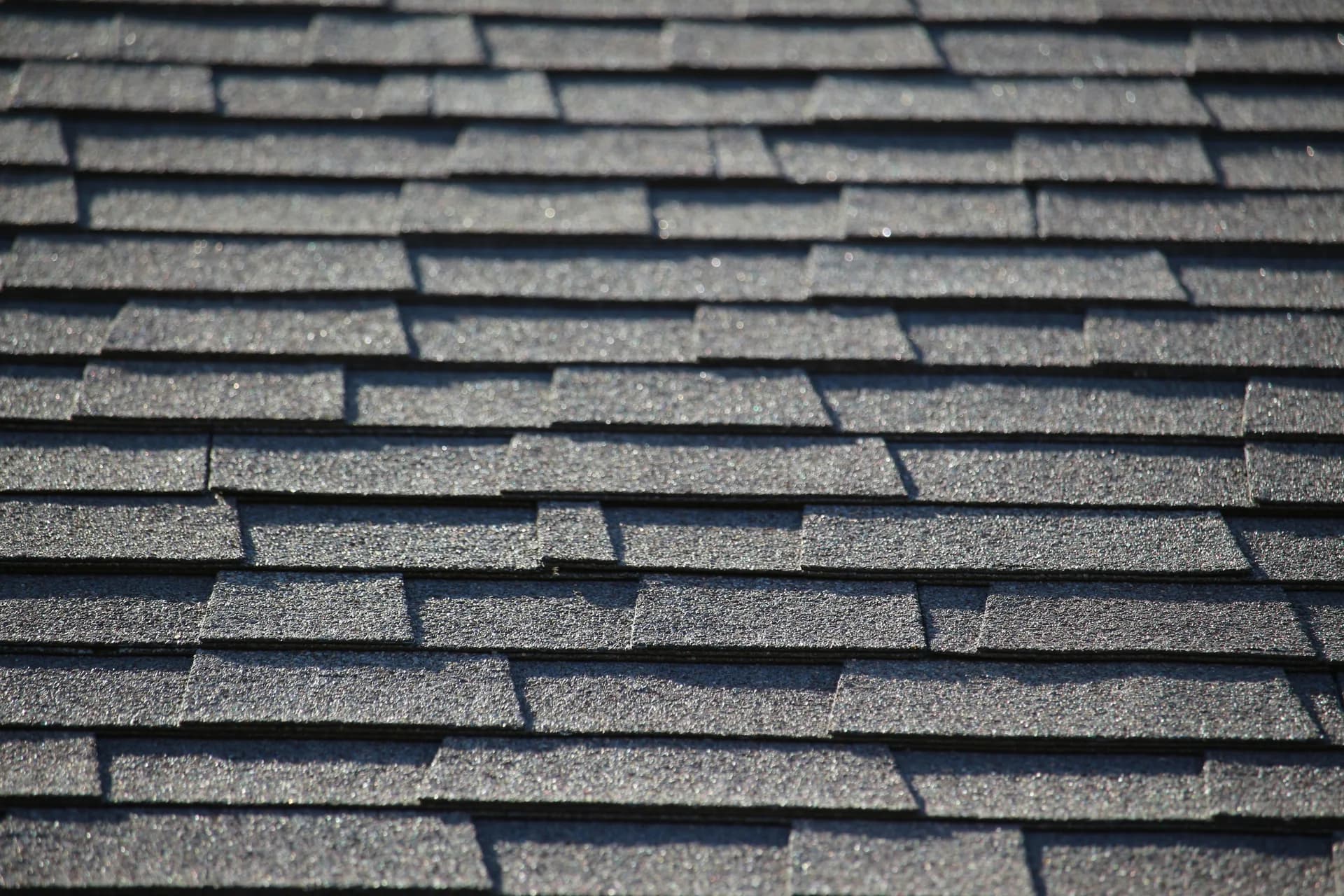
Class 4 shingles are impact-rated asphalt shingles tested to withstand a 2-inch steel ball dropped from 20 feet without tearing or cracking, the highest rating under UL 2218 impact resistance standards. Manufacturers achieve this rating by adding a reinforced polymer backing mat or rubberized asphalt layer that absorbs impact energy instead of transferring it to the mat surface. Standard 3-tab and architectural shingles lack this reinforcement and typically fail the test at Class 2 or below.
Minnesota sees frequent hail events producing 1.5–2.5 inch stones across the Twin Cities metro, Brainerd Lakes, and southern prairie counties. Class 4 shingles handle these impacts without granule loss or mat fractures that lead to leaks within two years. The UL 2218 test simulates terminal velocity hail impact, so a Class 4 rating translates directly to real-world storm resistance in Minnesota's climate.
Major manufacturers offering Class 4 shingles include GAF Timberline HDZ and ArmorShield II, CertainTeed Northgate and Grand Manor, Owens Corning Duration Storm and TruDefinition Duration Storm, IKO Dynasty and Nordic, and Malarkey Legacy and Vista. Each line uses proprietary impact-resistant technology but all meet the same UL 2218 Class 4 threshold. Homeowners replacing storm-damaged roofs in Minnesota typically choose one of these lines based on warranty length, color selection, and contractor availability.
How Much Do Class 4 Shingles Cost for Minnesota Roof Replacement?
Class 4 shingles add $1,500–$3,200 to a Minnesota roof replacement compared to standard architectural shingles on a 2,000–2,500 square foot roof. Total project cost typically runs $10,500–$16,000 for Class 4 installation including tear-off, underlayment, ridge venting, and disposal. Standard architectural shingle replacements cost $9,000–$12,800 for the same scope.
The premium breaks down to $0.60–$1.20 per square foot for material upgrade and $0.20–$0.40 per square foot for slightly longer installation time since Class 4 shingles weigh more and require careful handling to avoid pre-installation damage. Contractors in the Twin Cities metro quote at the higher end of this range; rural Minnesota contractors in Duluth, Rochester, and Mankato areas quote closer to the lower end. Roof pitch above 6:12 adds 15–25% to labor regardless of shingle type.
Insurance discounts offset part of the upfront cost. Minnesota insurers including State Farm, Allstate, and Auto-Owners offer 15–35% premium reductions on homeowners policies when Class 4 shingles are installed and verified by the contractor's certificate of completion. A homeowner paying $1,800 annually saves $270–$630 per year, recovering the upgrade cost in 3–7 years depending on the discount tier and replacement size. Estimates based on available industry data; individual project costs vary by roof size, pitch, material, and regional labor rates.
Which Class 4 Shingle Brands Perform Best in Minnesota Weather?
GAF Timberline HDZ and Owens Corning Duration Storm are the most installed Class 4 shingles in Minnesota based on contractor availability and warranty coverage. Both carry lifetime material warranties, 25-year workmanship coverage when installed by certified contractors, and 15-year algae resistance warranties important for Minnesota's humid summers. GAF's LayerLock technology bonds shingle layers to resist wind uplift during spring and fall storm fronts; Owens Corning's SureNail strip improves nail pull-through resistance on older roof decks common in pre-1980 Minnesota homes.
CertainTeed Northgate shingles offer a lower-cost Class 4 option at $0.40–$0.70 per square foot less than GAF or Owens Corning premium lines while meeting the same UL 2218 impact standard. The trade-off is a shorter 10-year algae warranty and limited color selection. Homeowners prioritizing cost recovery through insurance discounts over aesthetic variety choose Northgate frequently in Greater Minnesota markets outside the metro.
IKO Dynasty and Malarkey Legacy shingles perform well in Minnesota's freeze-thaw cycles due to modified asphalt formulations that remain flexible at temperatures below zero. Minnesota winters regularly hit -20°F to -30°F across northern counties, and shingles that crack during thermal contraction fail prematurely. IKO's ArmourZone reinforcement and Malarkey's Scotchgard protection both address brittleness and granule loss specific to cold-climate installations. Contractors working in Bemidji, International Falls, and Duluth stock these lines for that reason.
Do Minnesota Insurance Companies Require Class 4 Shingles After Hail Claims?
Minnesota insurers do not require Class 4 shingles as a condition of paying hail damage claims, but many offer replacement cost coverage only if the homeowner upgrades to impact-rated shingles during the claim-funded replacement. Standard policies pay actual cash value for like-kind replacement with depreciation applied to shingle age; homeowners choosing Class 4 shingles receive full replacement cost without depreciation in many cases. The policyholder pays the material upgrade cost difference, and the insurer covers the rest.
Some carriers including Auto-Owners and West Bend actively encourage Class 4 installation by waiving the upgrade cost difference on Minnesota policies written after hail loss events. This means the homeowner receives Class 4 shingles at no additional out-of-pocket expense beyond the deductible. The insurer benefits from reduced future claim frequency, and the homeowner gets a more durable roof. Contractors handling insurance work in Minnesota should verify this coverage option during the claim estimate process.
Homeowners replacing roofs outside the insurance claim process gain the premium discount benefit immediately. Minnesota law does not require insurers to offer impact-resistant discounts, but competitive pressure keeps most carriers at the 15–35% range for verified Class 4 installations. The discount applies to the dwelling coverage portion of the homeowners policy, not the total premium, so actual savings depend on coverage limits and deductible structure.
How Long Do Class 4 Shingles Last on Minnesota Roofs?
Class 4 shingles installed correctly in Minnesota last 25–35 years compared to 18–22 years for standard architectural shingles, based on field performance data from roofs installed in the early 2000s now reaching end-of-life. The extended lifespan comes from thicker mat construction and impact-resistant backing that reduces granule loss during hail, wind-driven rain, and freeze-thaw cycling. Granule retention directly affects UV protection and waterproofing, so shingles that hold granules longer maintain performance longer.
Minnesota's climate accelerates shingle aging through temperature swings of 100°F or more annually, from summer highs near 95°F to winter lows near -25°F. Asphalt expands and contracts with each cycle, and the polymer-modified asphalt in Class 4 shingles tolerates this movement better than standard formulations. Roofs on south and west exposures in Minneapolis, St. Paul, and Bloomington show measurable granule loss after 12–15 years with standard shingles; Class 4 shingles on the same exposures retain granules past 20 years.
Proper attic ventilation extends Class 4 shingle life regardless of brand. Minnesota building code requires 1 square foot of net free ventilation area per 150 square feet of attic space, typically achieved with continuous ridge vents and soffit vents. Roofs without adequate ventilation trap heat in summer and moisture in winter, both of which degrade shingle adhesives and accelerate aging. Contractors replacing Minnesota roofs should verify ventilation meets code during tear-off and upgrade it if the existing system falls short.
What Should Minnesota Homeowners Know Before Choosing Class 4 Shingles?
Verify the contractor provides a certificate of completion documenting the Class 4 shingle installation with manufacturer name, product line, and installation date. Minnesota insurers require this certificate to activate the premium discount, and without it the homeowner cannot claim the reduced rate even if Class 4 shingles are on the roof. The certificate should come from the contractor within two weeks of project completion and be submitted to the insurance agent immediately.
Confirm the contractor is certified by the shingle manufacturer if warranty coverage matters to your decision. GAF Master Elite, CertainTeed SELECT ShingleMaster, and Owens Corning Platinum Preferred contractors offer extended warranty coverage including workmanship guarantees that factory-only warranties exclude. A material defect warranty covers manufacturing failures but not installation errors; workmanship coverage protects against leak claims caused by improper nailing, flashing, or underlayment. Minnesota homeowners filing warranty claims years after installation benefit from this distinction.
Class 4 shingles do not eliminate hail damage in severe storms producing 3-inch or larger hail. UL 2218 Class 4 testing uses a 2-inch projectile, and stones above that threshold can still fracture even impact-rated shingles. Minnesota counties including Steele, Freeborn, and Goodhue have recorded 3–4 inch hail during supercell events, and roofs in those areas sustained damage regardless of shingle type. Class 4 shingles reduce claim frequency for typical Minnesota hail but do not make a roof hail-proof.