What Are Class 4 Shingles and How Do They Handle Texas Hail?
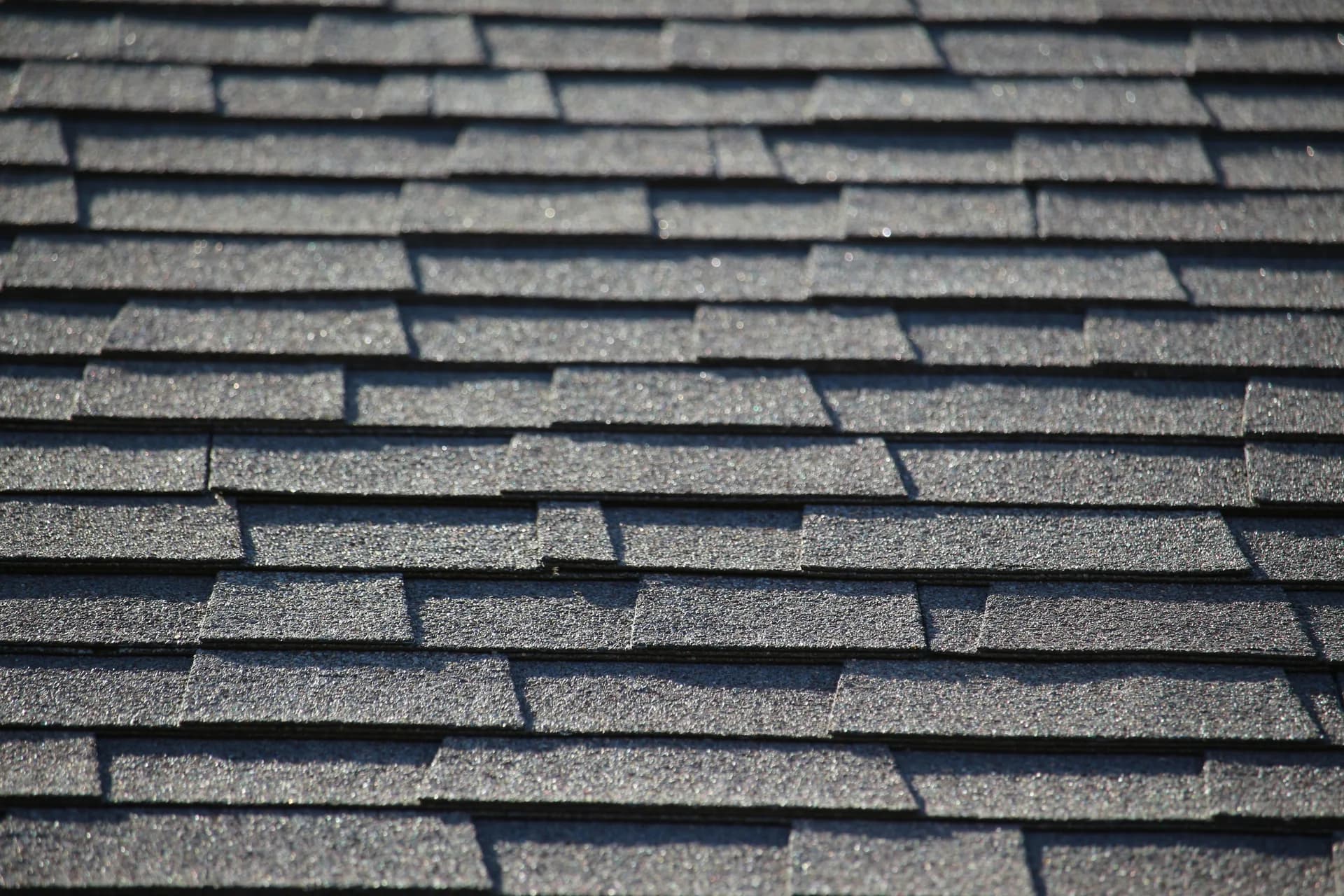
Class 4 shingles are impact-resistant asphalt shingles rated to withstand strikes from 2-inch steel balls dropped from 20 feet without cracking, the highest UL 2218 rating available for residential roofing materials. Texas hailstorms frequently produce stones between 1 and 2.5 inches, making Class 4 the most relevant upgrade for hail resistance.
Manufacturers build Class 4 shingles with reinforced asphalt formulations and rubberized polymer modifiers that absorb impact energy. GAF Timberline HDZ, CertainTeed Northgate, Owens Corning Duration Storm, and Malarkey Legacy all carry Class 4 ratings and dominate Texas installations.
Field performance data from Insurance Institute for Business & Home Safety shows Class 4 roofs sustain 90% fewer insurance claims after hailstorms compared to standard 3-tab or architectural shingles. The Dallas–Fort Worth Metroplex, which averages 3–5 severe hail events annually, shows the sharpest claim reduction rates statewide.
How Much Do Class 4 Shingles Cost for a Texas Roof Replacement?
Class 4 shingles cost $120–$180 per square installed in Texas, compared to $90–$130 for standard architectural shingles. A 2,000-square-foot roof replacement using Class 4 materials runs $8,500–$14,500 total, depending on roof pitch, layers removed, anddecking repairs.
Material costs account for roughly 40% of the total project. Class 4 shingles themselves run $85–$110 per square at distributor pricing, versus $60–$80 for non-rated architectural shingles. Labor, underlayment, flashing, permits, and tear-off make up the balance.
Cities within the Fort Worth, Austin, San Antonio, and Houston metro areas see higher labor rates due to contractor demand following spring and summer hail seasons. Roof pitch above 6:12 adds 15–25% to labor costs. Two-layer tear-offs add $1,500–$3,000 to total project cost.
Do Texas Homeowners Get Insurance Discounts for Class 4 Shingles?
Texas Insurance Code requires carriers to offer premium discounts for impact-resistant roofing materials, with actual discount rates ranging from 19% to 35% annually depending on insurer and county. State Farm, Allstate, USAA, and Farmers all publish Class 4 discount schedules for Texas policies.
The discount applies to the dwelling coverage portion of the policy, typically 60–70% of the total premium. A homeowner paying $2,400 annually can expect $285–$588 in annual savings with a Class 4 roof, recovering the premium cost difference within 5–8 years.
Discount eligibility requires documentation submitted at policy renewal: manufacturer spec sheets showing UL 2218 Class 4 certification, contractor invoices listing product names and installation dates, and photos of bundled shingles showing Class 4 labeling. Most carriers require re-verification every 3–5 years.
Which Texas Counties Benefit Most from Class 4 Shingle Upgrades?
Tarrant, Dallas, Denton, and Collin counties in the Metroplex record the highest frequency of 1.5-inch or larger hailstones in Texas, averaging 2–4 damaging events per year. Williamson, Travis, Hays, and Comal counties in Central Texas follow closely with 1–3 annual hail events.
National Weather Service data shows the I-35 corridor from San Antonio through Austin to the Red River experiences the highest hail density statewide due to Gulf moisture colliding with dry continental air masses. Panhandle counties see larger stones but fewer total events.
Roof replacement return on investment for Class 4 shingles peaks in these high-frequency zones. A homeowner in Tarrant County replacing a roof after the March hailstorm who upgrades to Class 4 material avoids the next replacement cycle entirely, saving $10,000–$15,000 over 15 years.
How Long Do Class 4 Shingles Last in Texas Heat and Storm Cycles?
Class 4 shingles carry 30- to 50-year warranties in Texas, with realistic service life of 22–28 years in North and Central Texas climates where summer roof surface temperatures exceed 160°F. Standard architectural shingles average 18–22 years under the same conditions.
Heat accelerates asphalt oxidation and granule loss, but Class 4 formulations use SBS-modified asphalt that resists thermal cycling better than standard asphalt. Owens Corning Duration Storm and GAF Timberline HDZ both use polymer-modified asphalt designed for high-UV, high-heat climates.
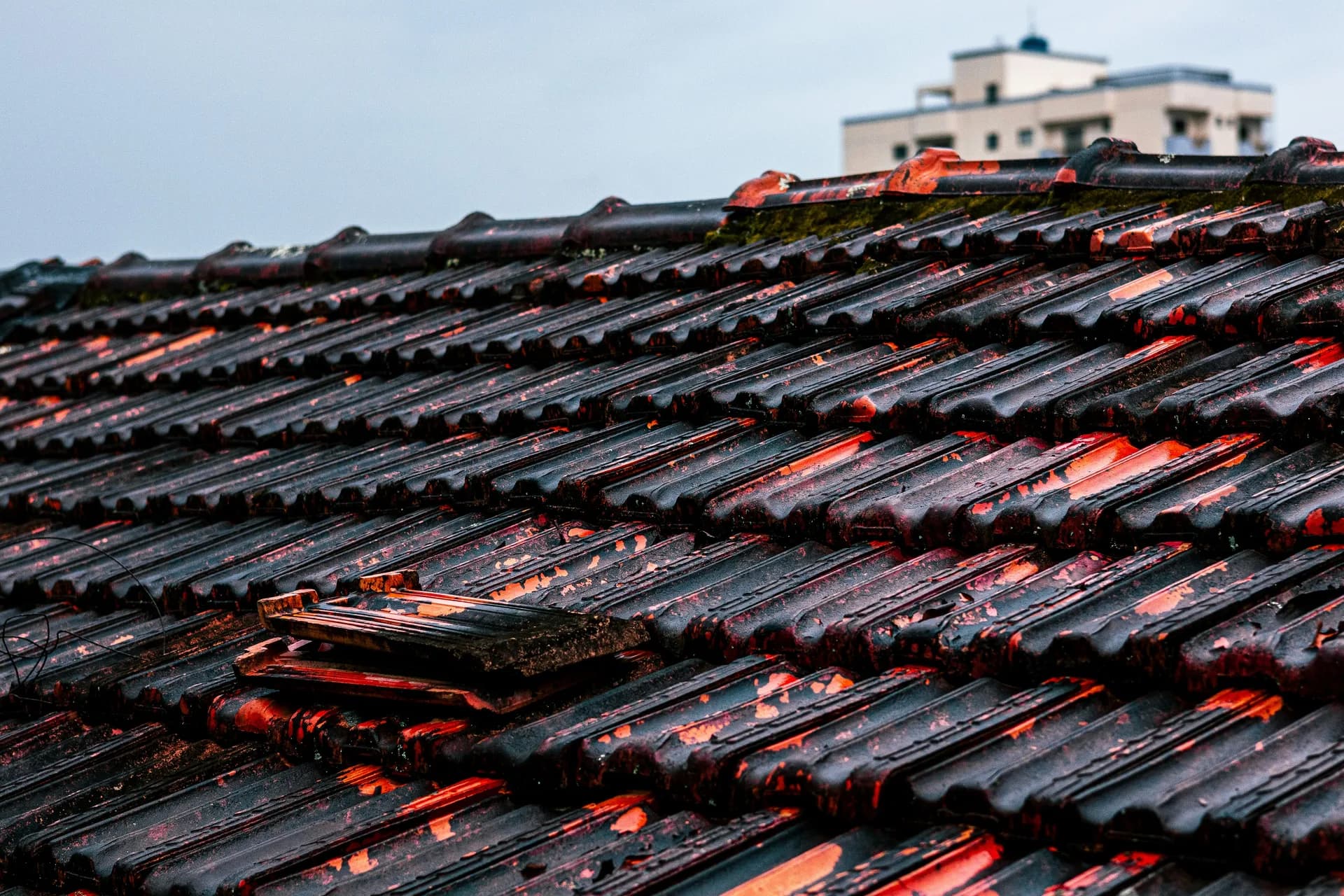
Hail damage compounds heat aging. A standard shingle hit by 1.75-inch hail may crack immediately or develop microfractures that allow moisture intrusion and accelerate granule loss. Class 4 shingles absorb the same impact without fracturing, preserving the waterproof seal and extending service life by 4–6 years on average.
What Should Texas Homeowners Know Before Installing Class 4 Shingles?
Class 4 shingles require proper deck preparation and underlayment to deliver rated performance. Contractors must install synthetic underlayment rated for high-wind uplift and ensure deck sheathing meets or exceeds 7/16-inch OSB or 1/2-inch plywood standards required by Texas code.
Nail placement and fastener count matter. Class 4 shingles require 6 nails per shingle in high-wind zones, driven flush with the shingle surface but not overdriven. Overdriven nails fracture the mat and void impact resistance.
Permit requirements vary by municipality. Most Texas cities require permits for full roof replacements, with inspections verifying deck attachment, underlayment, and flashing details. Contractors licensed in the municipality pull permits as part of the contract. Homeowners should verify contractor municipal registration before signing.