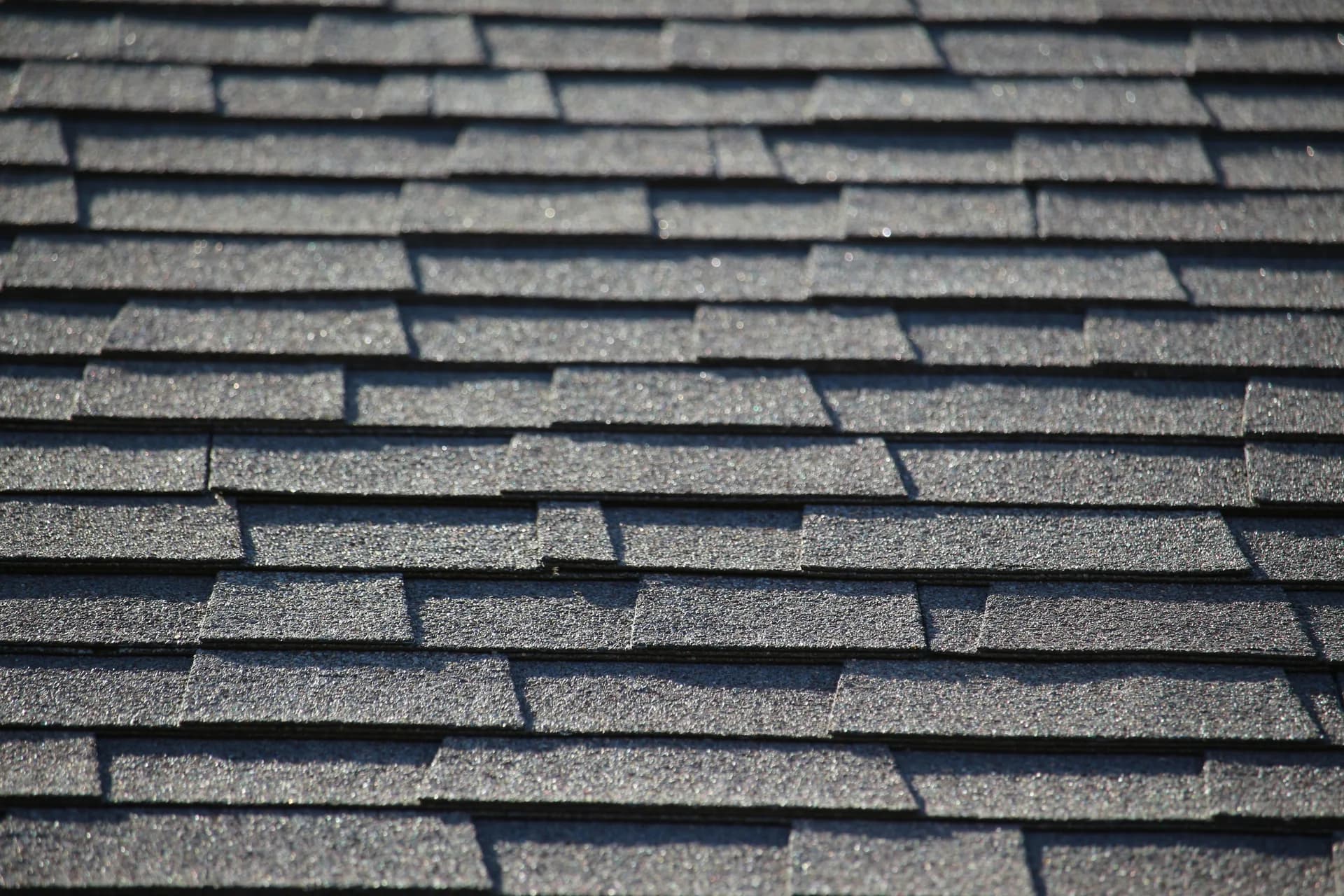
What Makes Class 4 Shingles Different From Standard Asphalt Shingles
Class 4 shingles pass UL 2218 impact testing by surviving multiple 2-inch steel ball drops from 20 feet without tearing or cracking. Standard architectural shingles typically fail at Class 3 or below. The difference comes from a reinforced mat layer and higher-density asphalt that absorbs hail strikes without fracturing the granule surface or puncturing the mat.
Virginia's hail belt—stretching from Shenandoah Valley through central counties including Albemarle, Augusta, and Rockingham—sees hail events 2–4 times per season during spring and early summer months. Most hailstones measure under 1 inch, but storms producing 1.5–2.5 inch hail occur annually in this region. Class 4 shingles rated for 2-inch impacts handle these events without the granule loss and mat bruising that shorten standard shingle lifespan.
Major manufacturers offering Class 4 options include GAF Timberline HDZ RS, CertainTeed Integrity Roof System, Owens Corning Duration Storm, IKO Dynasty, and Malarkey Legacy. Each uses proprietary impact-resistant technology but all meet the same UL 2218 Class 4 standard. Warranty terms vary by product line, with most offering 50-year limited material coverage and 15-year algae resistance.
How Much Class 4 Shingles Cost in Virginia Compared to Standard Options
Class 4 impact-resistant shingles cost $150–$250 per square installed in Virginia markets, compared to $120–$180 per square for standard architectural shingles. On a 2,000 square foot roof requiring 22–24 squares of material, that adds $3,000–$6,000 to total project cost. Estimates based on available industry data; individual project costs vary by roof size, pitch, material, and regional labor rates.
The premium pays for reinforced mat construction and higher-impact asphalt compounds. Installation labor rates stay roughly the same since Class 4 shingles install using standard methods—no specialized tools or techniques required. Tear-off, underlayment, flashing, and ventilation work costs the same regardless of shingle impact rating.
Insurance discounts offset some of the upfront cost. Virginia insurers offer premium reductions of 5–30% for Class 4 roofs in hail-prone counties, with exact discounts varying by carrier and loss history in your ZIP code. A homeowner paying $1,800 annually for coverage might save $90–$540 per year with a Class 4 roof, recovering the material premium in 5–15 years depending on discount rate and roof size.
Which Virginia Counties Qualify for Insurance Discounts on Class 4 Roofs
Most Virginia insurers offer Class 4 discounts in counties with documented hail frequency above regional averages. Albemarle, Augusta, Rockingham, Page, Shenandoah, Warren, Clarke, Frederick, Loudoun, and Fauquier counties typically qualify based on National Weather Service hail event data from the past decade. Coastal counties including Virginia Beach, Norfolk, and Hampton sometimes qualify for wind-impact discounts rather than hail-specific credits.
Discount rates depend on your carrier's actuarial model and your property's claims history. State Farm, Allstate, USAA, and Nationwide all publish Class 4 discount programs, but the percentage varies. Request a written quote adjustment from your agent showing the exact premium reduction before committing to Class 4 material—some discounts apply only to wind/hail coverage portions, not the entire premium.
Documentation requirements vary by carrier. Most require proof of installation through contractor invoice showing manufacturer name and Class 4 product line, plus photos of bundle labels on-site during installation. Some carriers send their own inspector to verify material before applying the discount. Confirm documentation steps with your agent before the roofing project starts to avoid delays in discount approval.
How Long Class 4 Shingles Last on Virginia Roofs After Hail Exposure
Class 4 shingles installed in Virginia hail belts typically last 25–35 years with normal maintenance, compared to 18–25 years for standard architectural shingles in the same climate. The difference comes from reduced granule loss and mat degradation after repeated hail strikes. A roof that survives 8–12 hail events over two decades without needing repair holds its waterproofing integrity longer than one replaced twice in the same period.
Lifespan depends on installation quality and attic ventilation as much as impact rating. A Class 4 roof installed over insufficient ridge venting or without proper ice-and-water barrier in valleys will fail early regardless of hail resistance. Virginia's heat and humidity cycle accelerates asphalt aging, so proper ventilation that keeps deck temperatures below 160°F extends shingle life by 5–10 years.
Manufacturer warranties cover material defects but not storm damage. A 50-year warranty on Class 4 shingles guarantees the product won't delaminate or lose excessive granules under normal conditions—it does not guarantee the roof survives every hailstorm without damage. Insurance covers storm repairs; the warranty covers manufacturing failures.
What Contractors Installing Class 4 Roofs in Virginia Should Provide
Licensed roofing contractors in Virginia should provide written estimates breaking out material cost, labor, underlayment type, ventilation upgrades, and permit fees before starting work. For Class 4 projects, confirm the estimate specifies manufacturer name and product line—generic "impact-resistant shingles" language leaves room for substitution with Class 3 products that don't qualify for insurance discounts.
Contractors handling storm damage replacements should document pre-installation roof condition with photos showing hail bruising, granule loss, or mat fractures. This documentation supports insurance claims and creates a baseline for future inspections. Ask for deck inspection results in writing—hail impacts sometimes crack decking or damage truss connections that need repair before new shingles go on.
Permit requirements vary by municipality in Virginia. Most counties require permits for full roof replacements but not for repairs under a certain square footage threshold set locally. Your contractor should pull permits, schedule inspections, and provide final approval documentation. Verify their Virginia contractor license status and general liability coverage before signing—municipal licensing requirements apply in most Virginia cities, and many counties require registration with the local building department.