What Makes Class 4 Shingles Different from Standard Asphalt
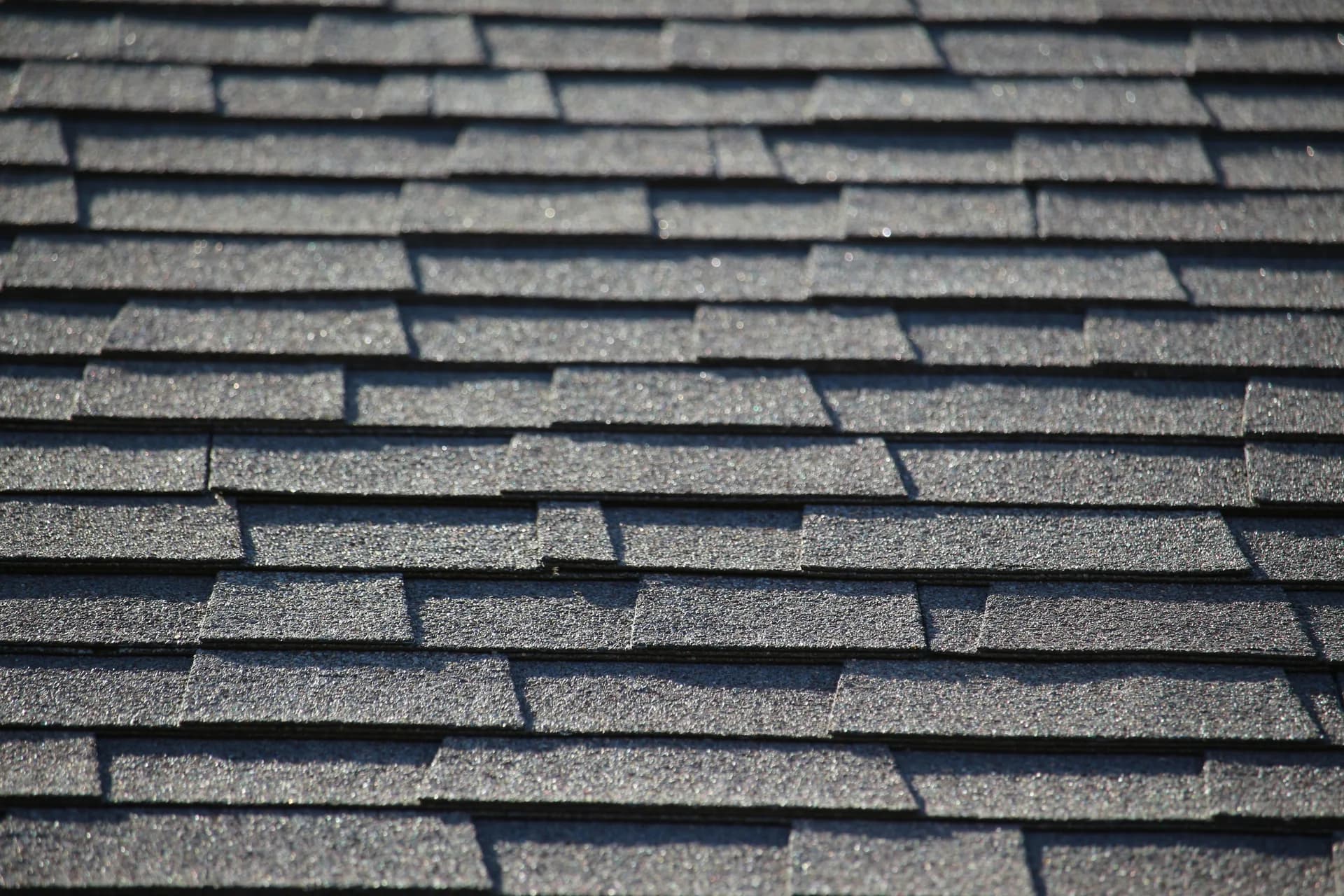
Class 4 shingles use a reinforced asphalt matrix and impact-modified polymer backing that absorbs hailstone energy without fracturing the granule surface. Standard shingles crack or bruise under 1.75-inch hail; Class 4 shingles pass UL 2218 testing with 2-inch steel balls dropped from 20 feet without visible damage. The polymer layer flexes on impact rather than shattering, which prevents the mat tears that lead to leaks.
Wisconsin's hail belt, running from Dane County through Fond du Lac and Sheboygan counties, sees hailstones over 1.5 inches in 40% of severe thunderstorm events during May and June. Standard shingles installed in these counties average 12–15 years before replacement; Class 4 shingles routinely exceed 20 years even after multiple hail events.
Manufacturers offering verified Class 4 products include GAF's Timberline HDZ RS, CertainTeed's IR series, Owens Corning's Duration Storm, and Malarkey's Legacy IR. Each carries a UL 2218 Class 4 rating and a 10-year algae resistance warranty, though installation quality determines real-world performance as much as the shingle rating.
How Much Class 4 Shingles Cost in Wisconsin
Class 4 shingles cost $125–$165 per square installed in Wisconsin, compared to $95–$135 for standard architectural shingles. A 2,000-square-foot roof replacement with Class 4 materials runs $10,500–$14,500 total, including tear-off, underlayment, drip edge, and ridge cap. Steep-pitch roofs or multi-story homes push costs toward the upper range.
Insurance premium discounts offset part of the upfront cost. Most Wisconsin carriers offer 5–15% annual premium reductions for Class 4 roofs, verified through installation documentation submitted at policy renewal. A homeowner paying $1,800 annually for dwelling coverage saves $90–$270 per year, recovering the material premium in 6–10 years.
Labor accounts for 60% of total project cost in Wisconsin's competitive contractor market. Material upgrade adds $600–$1,200 to a typical replacement, but the labor, permits, and disposal fees remain identical regardless of shingle class.
Which Wisconsin Counties See the Most Hail Damage
Dane, Jefferson, Waukesha, Dodge, Fond du Lac, and Sheboygan counties report the highest frequency of hail events over 1 inch, with 4–6 events annually during peak storm season from May through July. Southeastern Wisconsin's lake-effect instability and the state's position in the northern edge of Tornado Alley create repeated supercell formation.
The June 2022 hailstorm across Waukesha and Jefferson counties produced 2.5-inch hailstones that damaged an estimated 18,000 roofs, triggering the largest single-event claim volume in Wisconsin homeowner insurance history. Roofs with Class 4 shingles in the same storm path showed granule loss but no mat penetration, avoiding the full replacement claims filed by homes with standard shingles.
Northern counties like Marathon and Portage see fewer hail days but higher wind exposure during winter storms. Class 4 shingles offer limited wind advantage over standard architectural shingles, both rated for 110–130 mph winds when properly nailed.
Do Class 4 Shingles Qualify for Faster Insurance Claims
Class 4 shingles do not accelerate claim processing, but they reduce claim denial risk when hail damage is borderline. Adjusters evaluate hail damage by counting bruises per 10x10 test square; Class 4 shingles show fewer bruises under identical hailstone exposure, which can push marginal damage below the replacement threshold carriers use.
Homeowners who install Class 4 shingles and document the installation with photos and manufacturer certification should submit that documentation to their carrier within 30 days. Most Wisconsin carriers apply the premium discount at the next renewal, not retroactively, so timing installation before renewal maximizes savings.
Class 4 roofs damaged by hail over 2 inches still qualify for full replacement claims. The rating describes impact resistance, not invulnerability. A 3-inch hailstone will crack Class 4 shingles, though it causes less secondary damage than the same hailstone on a standard roof.
What Installation Details Matter Most for Class 4 Performance
Nail placement determines whether Class 4 shingles perform to spec. Each shingle requires six nails placed in the manufacturer's marked nail zone, typically 5.5–6 inches from the bottom edge. Nails driven too high miss the overlapping shingle layer and create wind lift points; nails driven too low penetrate the sealant strip and compromise adhesion.
Wisconsin building code requires ice and water shield along eaves in all counties, extending 3 feet past the interior wall line. Contractors working in hail-prone counties often extend coverage to valleys and around roof penetrations, adding $400–$800 to material cost but preventing the leak paths that develop after hail dents flashings.
Class 4 shingles weigh 30–50 pounds more per square than standard shingles. Roof decking older than 20 years should be inspected for sag or rot before installation; adding a layer of Class 4 shingles over compromised decking transfers impact energy directly to weakened boards and causes premature failure.
How to Verify a Contractor Installs Class 4 Shingles Correctly
Ask for the manufacturer's installation certification specific to the Class 4 product line. GAF, CertainTeed, and Owens Corning require contractors to complete product-specific training before they can offer enhanced warranties on impact-resistant shingles. A contractor certified for standard shingles is not automatically certified for Class 4 products.
Request a written installation plan that specifies nail count, underlayment type, and flashing details before the contract is signed. The plan should reference the shingle manufacturer's installation manual by name and version. Generic installation language suggests the crew may not understand the tighter tolerances Class 4 products require.
Inspect the job site at tear-off. The crew should discard all old underlayment and inspect every decking board for rot, particularly around chimneys and in valleys where ice dams concentrate. Class 4 shingles installed over rotted decking fail during the first hailstorm, wasting the material premium.