What Are Class 4 Shingles and Why Do They Cost More?
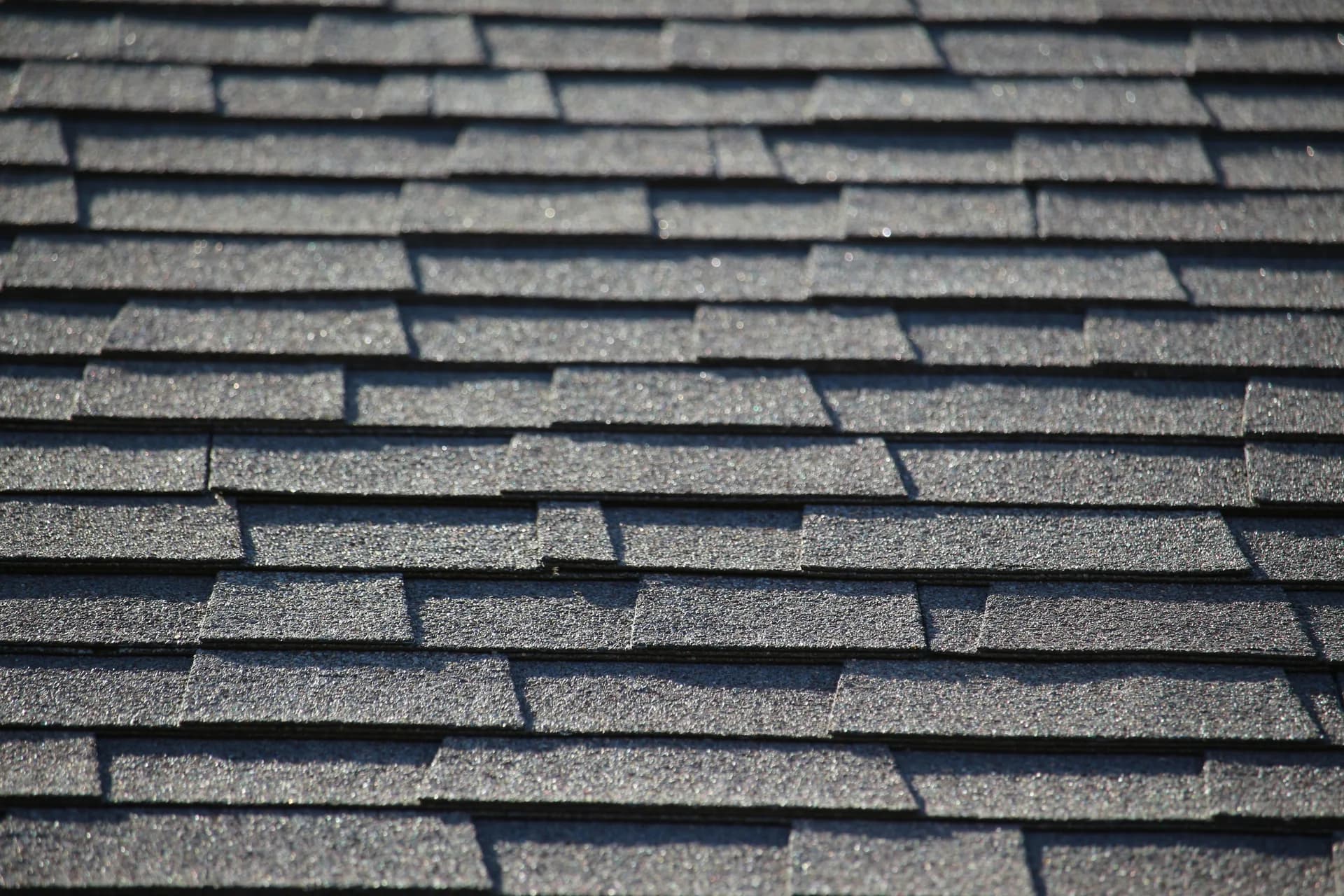
Class 4 shingles are impact-resistant asphalt shingles tested to withstand 2-inch steel balls dropped from 20 feet without cracking, the highest rating under UL 2218 testing standards. They cost more because they use reinforced asphalt formulations, heavier backing mats, and modified polymer blends that absorb hail impacts without fracturing.
Manufacturers like GAF (Timberline HDZ), Owens Corning (Duration Flex), and CertainTeed (Northgate Class IV) add rubberized asphalt or SBS polymer layers that standard shingles don't carry. These materials increase raw material costs by 10–20% before installation.
The premium pays off in hail-prone regions. Homes with Class 4 shingles qualify for insurance discounts of 10–35% in states like Texas, Colorado, Oklahoma, and Kansas, where hail damage drives thousands of replacement claims annually.
How Much Do Class 4 Shingles Cost Per Square?
Class 4 shingles cost $450–$650 per square installed, compared to $350–$500 per square for standard architectural shingles. A square covers 100 square feet, so a 2,000-square-foot roof requires 20–22 squares depending on pitch and waste factor.
Material-only pricing ranges from $120–$180 per square for Class 4 shingles at contractor pricing. Labor adds $250–$400 per square depending on roof complexity, regional wage rates, and crew availability. Tear-off of existing shingles adds $100–$150 per square in most markets.
Steeper roofs increase labor costs. Roofs with pitches above 7/12 can add 15–30% to installation labor because they require additional safety equipment and slower work pace.
What Drives the Total Project Cost for Class 4 Roof Replacement?
Total replacement cost for a Class 4 roof runs $9,000–$19,500 for most single-family homes, with roof size, pitch, and complexity as the primary cost drivers. A simple 1,500-square-foot ranch with a 4/12 pitch costs less than a 2,500-square-foot two-story with dormers and valleys.
Underlayment upgrades add $500–$1,200 to the project. Synthetic underlayment like GAF FeltBuster or Owens Corning ProArmor costs more than felt paper but performs better in high-wind and hail-prone regions. Some municipalities require ice and water shield in valleys and eaves, adding material cost.
Permit fees range from $150–$600 depending on jurisdiction. Most counties require permits for full roof replacements, with inspections before final approval. Contractor licensing and insurance compliance affect cost indirectly because unlicensed crews underbid licensed contractors but leave homeowners exposed to liability and warranty gaps.
Do Class 4 Shingles Lower Insurance Premiums Enough to Justify the Cost?
Insurance discounts for Class 4 shingles range from 10% to 35% annually in hail-prone states, with Texas, Colorado, and Oklahoma offering the highest premium reductions. A homeowner paying $2,000 annually for insurance could save $200–$700 per year with a Class 4 roof.
Payback period on the Class 4 premium typically runs 5–10 years. If Class 4 shingles add $2,500 to a replacement project and save $300 annually on premiums, the upgrade breaks even in roughly 8 years. Shingles last 25–30 years, so the net savings accumulate over the remaining lifespan.
Some carriers require certification from the contractor at installation to activate the discount. Homeowners should confirm discount eligibility with their insurer before starting the project and request written confirmation that the installed shingles meet UL 2218 Class 4 standards.
Which Class 4 Shingle Brands Offer the Best Value?
GAF Timberline HDZ, Owens Corning Duration Flex, and CertainTeed Northgate Class IV are the most widely installed Class 4 shingles, with material costs within $10–$20 per square of each other at contractor pricing. All three meet UL 2218 Class 4 standards and carry 25–30 year material warranties.
GAF Timberline HDZ uses LayerLock technology for wind resistance up to 130 mph and qualifies for insurance discounts in most hail-prone states. Owens Corning Duration Flex incorporates SBS-modified asphalt for flexibility under impact. CertainTeed Northgate uses a dual-layer design with Class 4 protection and StreakFighter algae resistance.
Regional availability affects cost more than brand reputation. Contractors stock the brands their local distributors carry, and special-order shingles add lead time and freight costs. Choosing a locally stocked Class 4 product typically saves $200–$500 compared to ordering a less common brand.
Should You Upgrade to Class 4 Shingles After Storm Damage?
Upgrading to Class 4 shingles during a storm damage replacement makes sense in regions with documented hail frequency above 3 events per decade. Texas counties along the hail belt from Lubbock to Fort Worth, Colorado's Front Range, and Oklahoma's central corridor see hail large enough to damage roofs every 3–5 years on average.
Insurance claim settlements for storm damage typically cover like-for-like replacement, meaning if your previous roof used standard shingles, the settlement reflects standard material costs. Upgrading to Class 4 requires paying the cost difference out of pocket unless the policy includes an upgrade endorsement.
The out-of-pocket premium for Class 4 upgrade during replacement runs $1,500–$3,500 for most homes, less than the cost of a second replacement claim 5–7 years later. Homeowners in high-hail-frequency zones recover the upgrade cost through avoided future claims and premium discounts within the first 7–10 years.