When Does Roof Replacement Require a Permit?
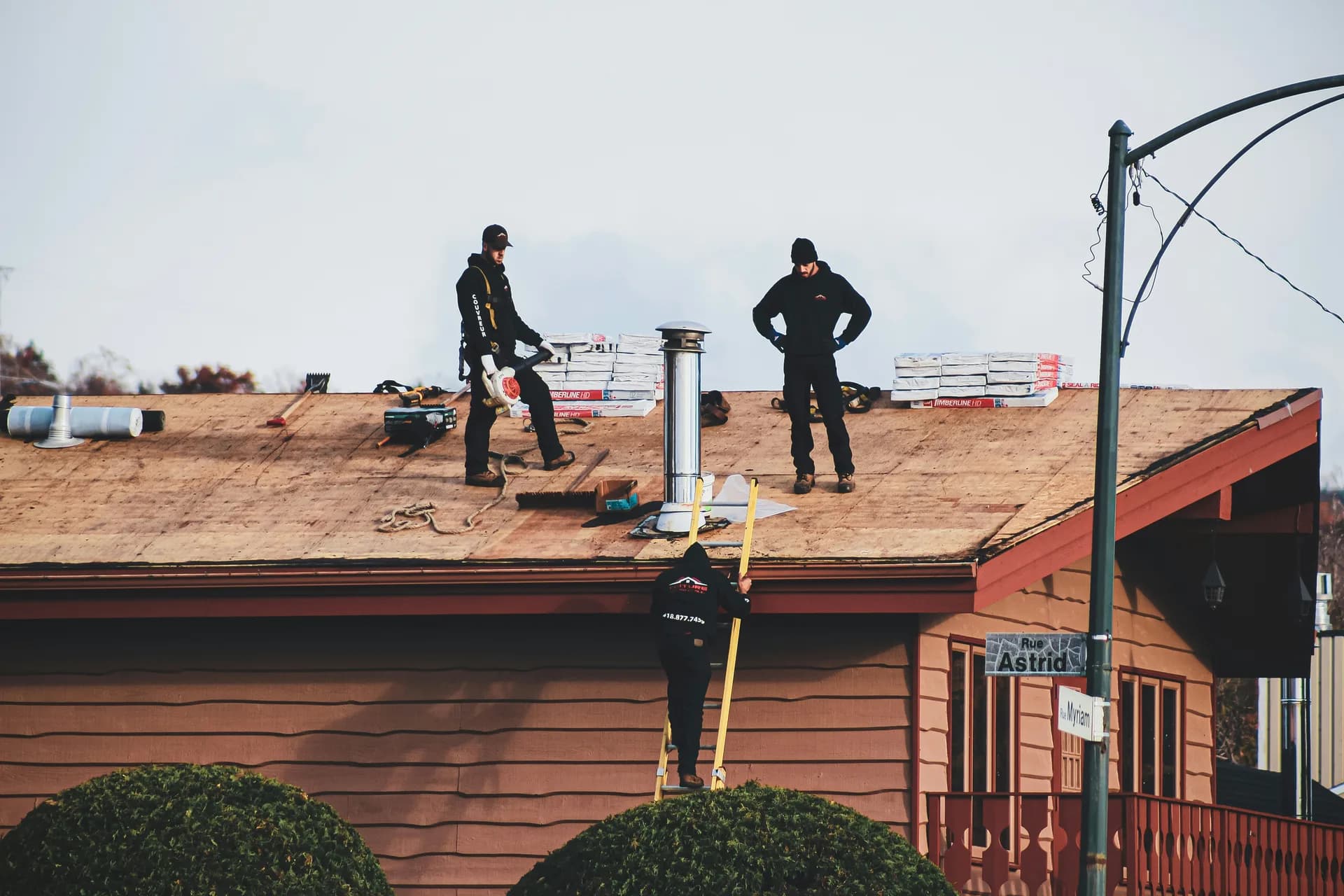
Full roof replacement triggers permit requirements in nearly all U.S. jurisdictions when the project involves removing existing shingles down to the deck and installing new underlayment and shingles. Most building departments set the threshold at 100 square feet of roofing work, which a typical single-family home roof exceeds by a large margin. Permits verify that the new roof system meets current wind uplift ratings, fire classifications, and structural load requirements for your area.
Minor repairs like replacing a few damaged shingles or patching flashing around a chimney typically fall below the permit threshold. Re-roofing over existing shingles without tearing off the old layer may or may not require a permit depending on local code. Many jurisdictions prohibit layering entirely if two or more layers already exist, and some ban it outright to prevent excessive roof weight.
Storm damage replacement follows the same permit rules as planned replacement. Insurance companies often require proof of permit approval before releasing final claim payment, and some carriers flag unpermitted work as a coverage risk during underwriting renewal.
What Does the Roof Replacement Permit Process Look Like?
Your roofing contractor pulls the permit by submitting project details to the local building department, including roof dimensions, material specifications, and installation methods. The department reviews the application to confirm the proposed work meets International Building Code standards and any state or local amendments. Approval typically takes 3–10 business days in most counties, though high-volume permit offices in metro areas can stretch to two weeks.
Once approved, the contractor posts the permit card visibly at the job site. An inspector visits during or after installation to verify proper attachment, flashing installation, ventilation compliance, and fire rating. Most jurisdictions require at least one mid-project or final inspection before issuing a certificate of completion.
Permit fees vary by jurisdiction and project size. Residential roof replacement permits typically cost $150–$500, with larger or more complex roofs pushing toward the higher end. Some municipalities calculate fees as a percentage of project value rather than a flat rate.
What Happens If You Replace a Roof Without a Permit?
Unpermitted roof work creates immediate complications during insurance claims, home sales, and refinancing. Title companies flag unpermitted improvements during closing, and buyers can demand proof of code compliance or negotiate price reductions to cover the cost of retroactive permitting and inspection. Mortgage lenders may refuse to close until the work is permitted and inspected.
Building departments that discover unpermitted roof replacement levy fines ranging from $500 to several thousand dollars depending on jurisdiction and project scope. Some departments require the contractor to remove portions of the new roof for inspection access, then reinstall after approval. Repeated violations can result in stop-work orders that halt all construction on the property.
Insurance carriers view unpermitted work as a red flag during underwriting. If storm damage occurs to an unpermitted roof, the carrier may deny the claim or reduce payout based on unknown installation quality. Homeowners insurance policies require disclosure of material alterations to the property, and failing to disclose a roof replacement constitutes misrepresentation.
How Do Permit Requirements Vary by Location?
Coastal counties in hurricane-prone states enforce stricter permitting and inspection protocols than inland areas. Florida, Louisiana, and Texas Gulf Coast jurisdictions require enhanced wind uplift testing documentation and more frequent inspections during installation. Some coastal building departments mandate third-party inspection by certified roof inspectors in addition to standard municipal inspection.
High-wind and hail-impact zones carry additional material requirements that appear on the permit. Roofs in these areas must meet minimum impact ratings, use specific fastener schedules, and include underlayment rated for severe weather exposure. The permit application must document compliance with these enhanced standards.
Rural counties with smaller building departments may consolidate permit review timelines or allow contractors to schedule inspections with more flexibility. Urban jurisdictions with high construction volume typically enforce more rigid inspection windows and stricter documentation requirements. Verify your county's specific process early in project planning to avoid delays.
Does Permit Complexity Affect Project Cost or Timeline?
Permit fees and inspection scheduling add 3–14 days to the overall project timeline in most regions. Contractors familiar with local permit processes build this window into their project estimates. Delays occur when permit applications lack required documentation or when inspection schedules conflict with contractor availability.
Permit costs represent a small fraction of total roof replacement expenses. A $300 permit fee on a $15,000 roof replacement accounts for 2% of project cost. The real cost risk comes from unpermitted work discovered later, which can exceed the original permit fee many times over in fines, re-inspection charges, and corrective work.
Contractors who regularly work in your jurisdiction streamline the permit process by maintaining relationships with local building departments and understanding documentation expectations. Hiring a contractor unfamiliar with your county's requirements can extend timelines and create avoidable friction during approval.
What Should You Ask Your Contractor About Permits?
Confirm that the contractor will pull the permit in their name and include the cost in your project estimate. Reputable contractors handle permitting as a standard part of the job and never ask homeowners to pull permits themselves. If a contractor suggests skipping the permit to save money or time, that signals serious risk.
Ask for a copy of the approved permit before work begins and verify that it matches your property address and project scope. Request the inspection schedule so you know when the building department will visit the site. After project completion, obtain a copy of the final inspection certificate and store it with your home records.
Some contractors include permit costs as a separate line item on estimates, while others bundle it into the total project price. Either approach is acceptable as long as the estimate clearly states that permitting is included and who is responsible for managing the process.