What Documentation Do You Need Before Filing an Alabama Storm Damage Claim?
You need dated photographs of visible damage, a written inspection report from a licensed roofing contractor, and records proving the storm date — typically local weather service data or news reports. Carriers deny claims when homeowners cannot tie damage to a specific storm event, which is common in Alabama where multiple hail and wind events happen each spring.
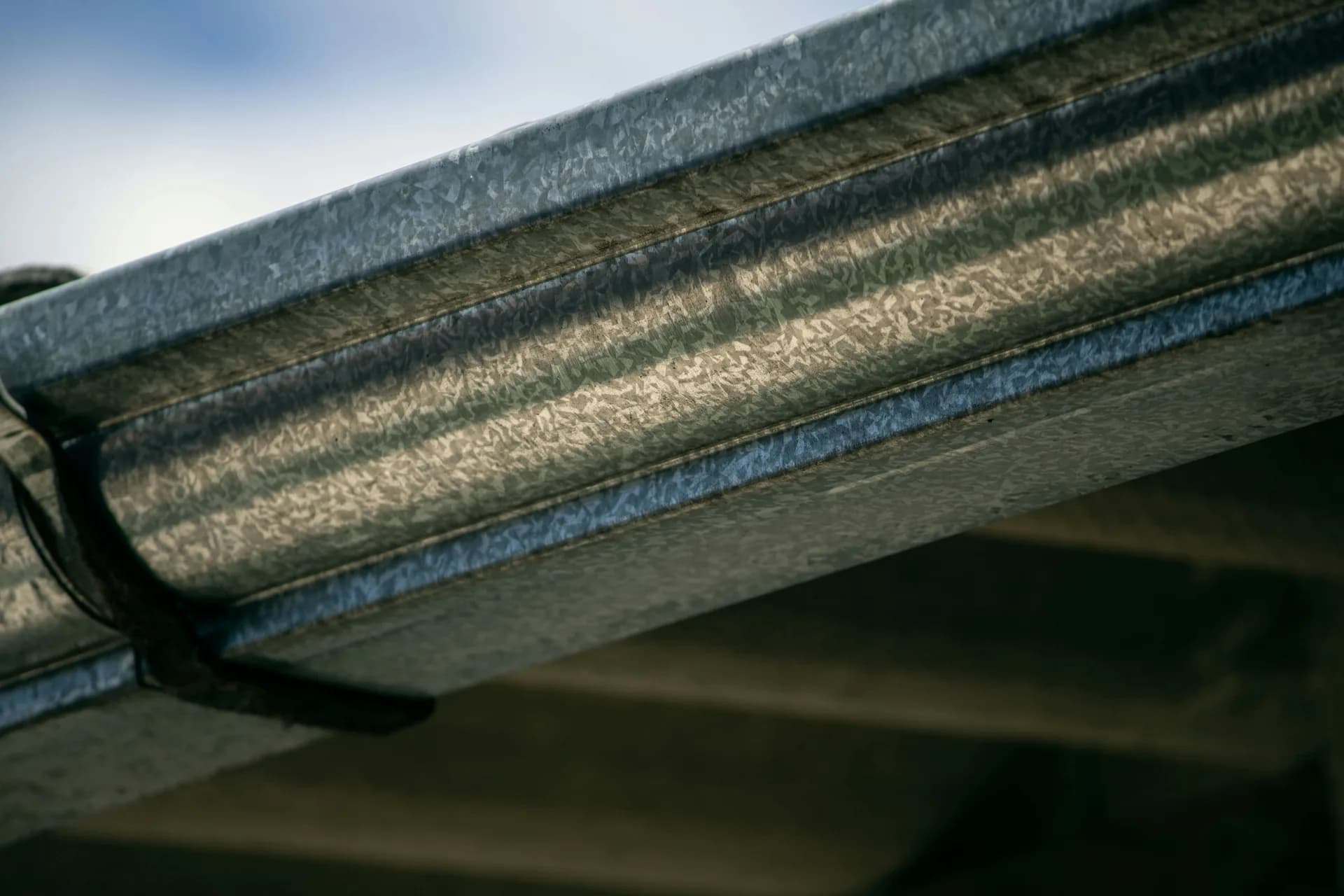
Take photos immediately after you discover damage, before any temporary repairs. Photograph missing shingles, dented flashing, granule loss in gutters, and damaged vents from multiple angles. If you tarp the roof for emergency protection, photograph the damage before tarping and save receipts for materials.
Most Alabama carriers require a contractor's written estimate that itemizes material costs, labor, permit fees, and disposal. This estimate establishes replacement scope. Some adjusters request estimates from two contractors to verify pricing consistency across the local market.
How Long After a Storm Can You File a Roof Damage Claim in Alabama?
Alabama law requires homeowners to file property damage claims within 12 months of the loss date, though most policies require notification within a shorter window — typically 30 to 90 days. Filing within the first 60 days after a named storm or severe weather event yields higher approval rates because adjusters can verify storm patterns and damage timelines more easily.
Delayed filing raises questions about whether damage occurred during the claimed event or from normal wear. After major hail storms in Jefferson, Shelby, and Madison counties, carriers process hundreds of claims simultaneously. Filing early places you in the initial review queue before adjusters tighten approval criteria.
If you discover hidden damage months after a storm — such as underlayment tears or decking rot that surfaced later — document the discovery date and request a professional inspection that ties the damage back to the original event. Carriers evaluate these cases individually.
What Does the Alabama Claim Inspection Process Look Like?
Your carrier sends an adjuster to inspect the roof within 7–14 days of filing, depending on claim volume after widespread storms. The adjuster photographs damage, measures the roof, checks pitch and accessibility, and determines whether damage qualifies as a covered loss under your policy terms.
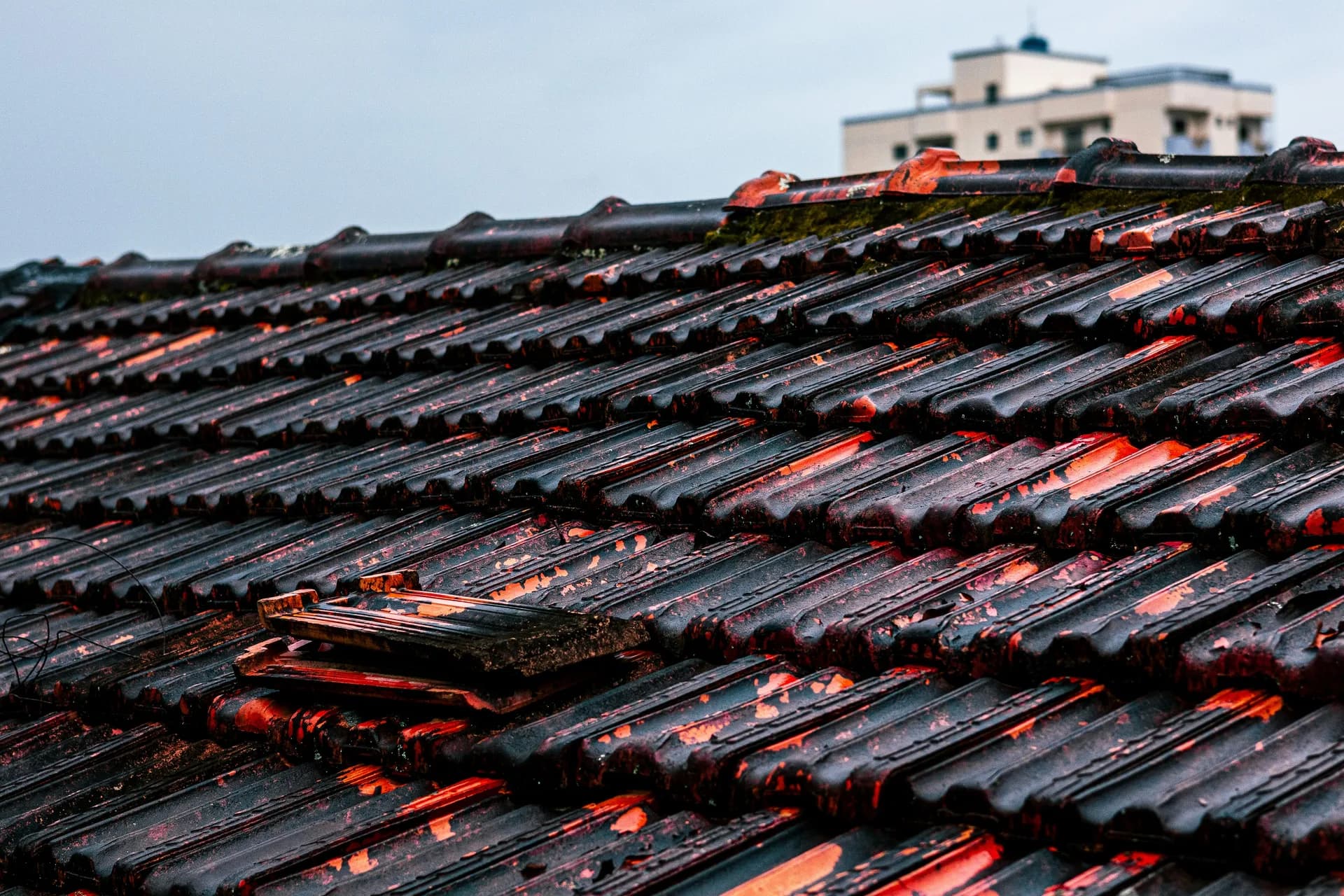
Adjusters differentiate between storm damage and wear-related deterioration. Wind damage shows as missing shingles, lifted tabs, or torn edges. Hail damage appears as dents in metal flashing, bruised shingles with mat fractures, or concentrated impact marks. Adjusters deny claims when damage patterns suggest aging rather than acute storm impact.
Some homeowners hire public adjusters or ask their contractor to attend the inspection. Alabama does not require carriers to accept contractor damage assessments, but having a licensed roofer present ensures the adjuster documents all damage areas. If the adjuster's scope differs significantly from your contractor's estimate, request a reinspection with written justification for the disputed items.
How Much Does Insurance Typically Cover for Alabama Storm Damage Roof Replacement?
Replacement cost policies cover the full cost of a new roof minus your deductible, typically $1,000–$2,500 for Alabama homeowners. Actual cash value policies deduct depreciation based on roof age, which can reduce payouts by 30–60% on roofs older than 10 years.
A full replacement on a 2,000 square foot home in Alabama costs $8,000–$16,000 depending on material and pitch. If your carrier approves replacement and you carry a replacement cost policy with a $1,500 deductible, you receive an initial check for depreciated value, then a second check for recoverable depreciation after the contractor completes work and you submit final invoices.
Some policies include code upgrade coverage, which pays for bringing the roof to current building code standards if older materials or installation methods no longer comply. Alabama amended its building code in 2018 to require higher wind ratings in coastal counties. Verify whether your policy covers the cost difference between your old roof spec and current code requirements.
What Are the Most Common Reasons Alabama Storm Damage Claims Get Denied?
Claims are denied when damage is attributed to deferred maintenance, pre-existing wear, or gradual deterioration rather than a sudden storm event. Alabama adjusters frequently cite missing shingles as wind damage only if the adhesive strip shows tearing — clean separations suggest failed adhesive from age, not wind uplift.
Missing the filing deadline is the second most common denial reason. Homeowners who wait months to file after discovering damage often cannot prove the damage occurred during a specific covered event. Carriers also deny claims when policy exclusions apply, such as flood damage to roof decking in low-lying areas or damage from named hurricanes when windstorm coverage was excluded.
Inadequate documentation leads to partial denials. If your contractor's estimate includes $12,000 in work but the adjuster's assessment covers only $7,000, the carrier pays the lower amount unless you provide evidence supporting the higher scope. Hiring an inspector certified by HAAG or NRCA to document damage increases approval likelihood for disputed claims.
Should You Hire a Contractor Before or After Filing Your Alabama Claim?
Hire a licensed contractor for an inspection before filing to ensure you have documented damage that meets your policy's coverage threshold. Many Alabama contractors offer free storm damage inspections and will identify hail bruising, wind tears, or structural issues you might miss from ground level.
Your contractor's written estimate strengthens your claim by establishing repair scope and cost before the adjuster arrives. If the adjuster's initial assessment undervalues damage, your contractor's estimate provides a comparison baseline. Some contractors attend the adjuster's inspection to point out damage areas and advocate for full replacement rather than partial repair.
Do not sign a contract or start work before your carrier approves the claim and issues a scope of loss. Alabama law does not prevent contractors from performing emergency tarping or temporary stabilization before approval, but permanent repairs completed before carrier authorization can complicate claims if the adjuster later disputes the scope. Wait for written approval and an initial claim check before signing a replacement contract.