What Documentation Do You Need Before Calling Your Insurance Carrier?
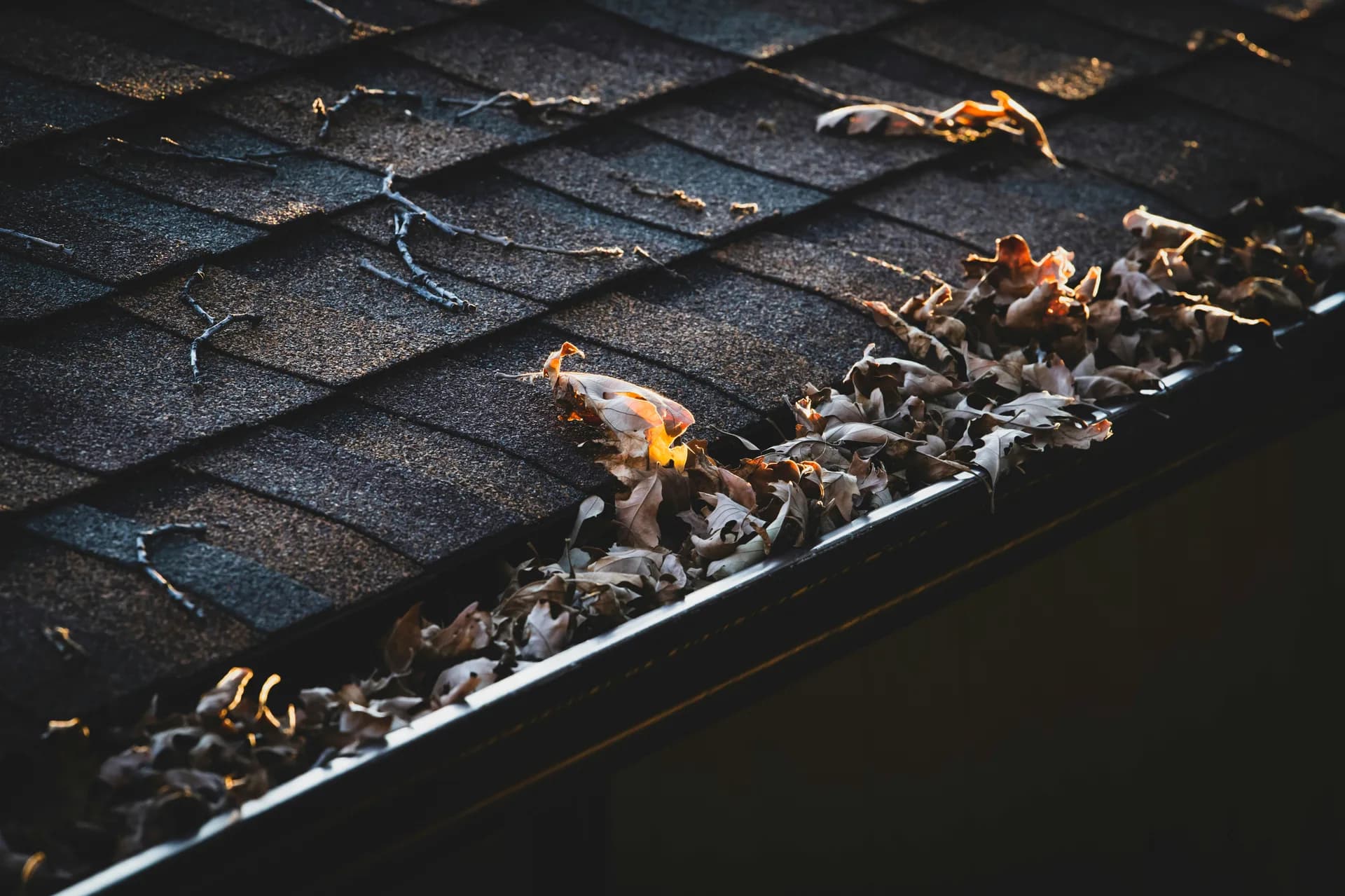
Photograph visible damage from ground level before you call your carrier — shingle granules in gutters, missing or lifted shingles, dented flashing, and damaged vents. Most Iowa carriers assign claim numbers within 24 hours of your call, but adjusters schedule inspections 5–14 days out during peak storm seasons when hail sweeps through multiple counties.
Your policy requires you to mitigate further damage, which means emergency tarping if the roof is actively leaking. Save receipts for tarping or temporary repairs — most policies reimburse mitigation costs separately from the replacement claim. Document the tarp installation with photos showing both the damaged area and the tarp in place.
Do not allow a contractor to perform a full tearoff before your adjuster inspects unless the roof is structurally unsafe. Once shingles are removed, adjusters cannot verify pre-existing conditions or confirm storm damage patterns. If you tearoff early, your carrier may reduce the settlement or deny coverage for portions they cannot visually confirm.
How Do Iowa Contractors and Insurance Adjusters Assess Hail Damage Differently?
Contractors look for bruising on shingle mats, fractured granule coatings, and dented ridge vents — damage that shortens roof lifespan even when shingles remain attached. Iowa adjusters use impact density thresholds: typically 8–10 hail strikes per 100 square feet in a test square before approving full replacement. If your roof shows scattered hits below that threshold, adjusters often approve repairs only.
Hiring a HAAG-certified inspector gives you an independent assessment that carriers respect. HAAG-certified inspectors document hail diameter, strike density, and damage location using industry-standard protocols adjusters recognize. Independent inspections cost $300–$600 in Iowa, but they produce defensible reports when your contractor's scope and the adjuster's scope don't match.
Adjusters measure roofs using aerial software and apply depreciation based on your shingle age. A 12-year-old asphalt roof in Iowa receives roughly 40% depreciation on materials, meaning your initial check covers actual cash value only. You collect the depreciation holdback after replacement is complete and you submit final invoices to your carrier.
What Happens If Your Adjuster's Estimate Is Lower Than Your Contractor's Bid?
Request a reinspection with your contractor present — Iowa law does not require carriers to accept contractor bids, but most adjusters will walk the roof with your contractor to resolve scope disputes. Differences typically center on whether damage justifies full replacement or targeted repairs, not on labor rates or material costs.
If reinspection doesn't resolve the gap, you can hire a public adjuster who negotiates directly with your carrier. Public adjusters in Iowa charge 5–15% of your final settlement, paid only if they increase your payout. Use them when your carrier denies a claim you believe is valid or when depreciation holdback disputes stall your project.
Some contractors offer to supplement the difference — they complete work your adjuster approved, then bill your carrier directly for additional damage discovered during tearoff. Supplemental claims are standard practice in Iowa roofing, but verify your contractor documents new damage with photos before proceeding. Supplements filed without documentation get denied and leave you responsible for the cost difference.
How Long Does the Iowa Claim Process Take from Filing to Settlement?
Straightforward hail claims in Iowa close in 4–8 weeks when damage is clear and scope is undisputed. Your carrier issues an initial payment within 7–10 days of the adjuster's inspection, covering actual cash value minus your deductible. The depreciation holdback arrives 2–4 weeks after you submit completion photos and final invoices.
Disputed claims stretch to 12–16 weeks or longer when carriers question whether storm damage exists, whether damage is new or pre-existing, or whether replacement is necessary. Iowa law requires carriers to acknowledge claims within 10 business days and either approve, deny, or request additional information within 30 days, but scope disputes and supplement negotiations extend timelines beyond those statutory minimums.
Schedule your replacement during your contractor's next available window after your adjuster approves the scope — waiting for full payment before signing a contract means you lose your place in the schedule. Most Iowa roofers require a deposit equal to your actual cash value check to lock in your start date, then collect the depreciation holdback and any out-of-pocket difference at project completion.
What Are the Most Common Reasons Iowa Storm Damage Claims Get Denied?
Carriers deny claims when they determine damage resulted from wear, aging, or installation defects rather than a covered storm event. A 20-year-old roof with widespread granule loss and curling shingles will not pass inspection even after a hailstorm — adjusters attribute the damage to age, not hail. Iowa policies cover sudden storm damage, not deferred maintenance.
Filing delays reduce approval rates when damage cannot be clearly linked to a specific storm. If you wait six months after a hail event to file, your carrier may argue that wind damage in the interim or seasonal expansion caused the issues you're claiming. File within 30 days of the storm whenever possible.
Contractors who door-knock after storms and promise to waive deductibles create claim red flags. Iowa law prohibits contractors from advertising or agreeing to absorb deductibles — it's considered insurance fraud and gives carriers grounds to investigate your claim more aggressively. If your contractor waives your deductible, your carrier can void your claim and cancel your policy.
Can You Choose Your Own Roofing Contractor or Does Your Carrier Assign One?
You select your own contractor — Iowa insurance law does not allow carriers to require you to use a preferred vendor list. Carriers may suggest contractors in their network, but you have the legal right to hire any licensed contractor you choose. Network contractors often streamline the claims process because they're familiar with that carrier's documentation requirements, but they are not your only option.
Verify your contractor holds an active Iowa roofing license if your municipality requires one, and confirm they carry general liability and workers' compensation insurance before signing a contract. Request certificates of insurance naming you as an additional insured. If a roofer is injured on your property and lacks workers' comp coverage, your homeowner's policy may not cover the liability.
Avoid contractors who ask you to sign over your insurance check or who request payment before materials arrive on site. Standard Iowa roofing contracts require a deposit when materials are ordered, a progress payment when materials are delivered, and final payment when the project passes inspection. Signing over your check removes your leverage if the contractor abandons the project or performs substandard work.