When Should You File a Storm Damage Roof Claim in Michigan?
File your claim within 48–72 hours after confirmed storm damage, even if you're uncertain about severity. Michigan's summer hail season runs May through August, with Wayne, Oakland, Macomb, and Washtenaw counties seeing the highest frequency of damaging hail events. Wind damage from severe thunderstorms and occasional tornadoes adds secondary claim volume across the state.
Most policies require prompt notification after a covered loss. Waiting weeks to report allows insurers to question whether damage occurred during the reported event or from normal wear. Document the storm date, take photos of visible damage, and note any interior leaks or missing shingles immediately.
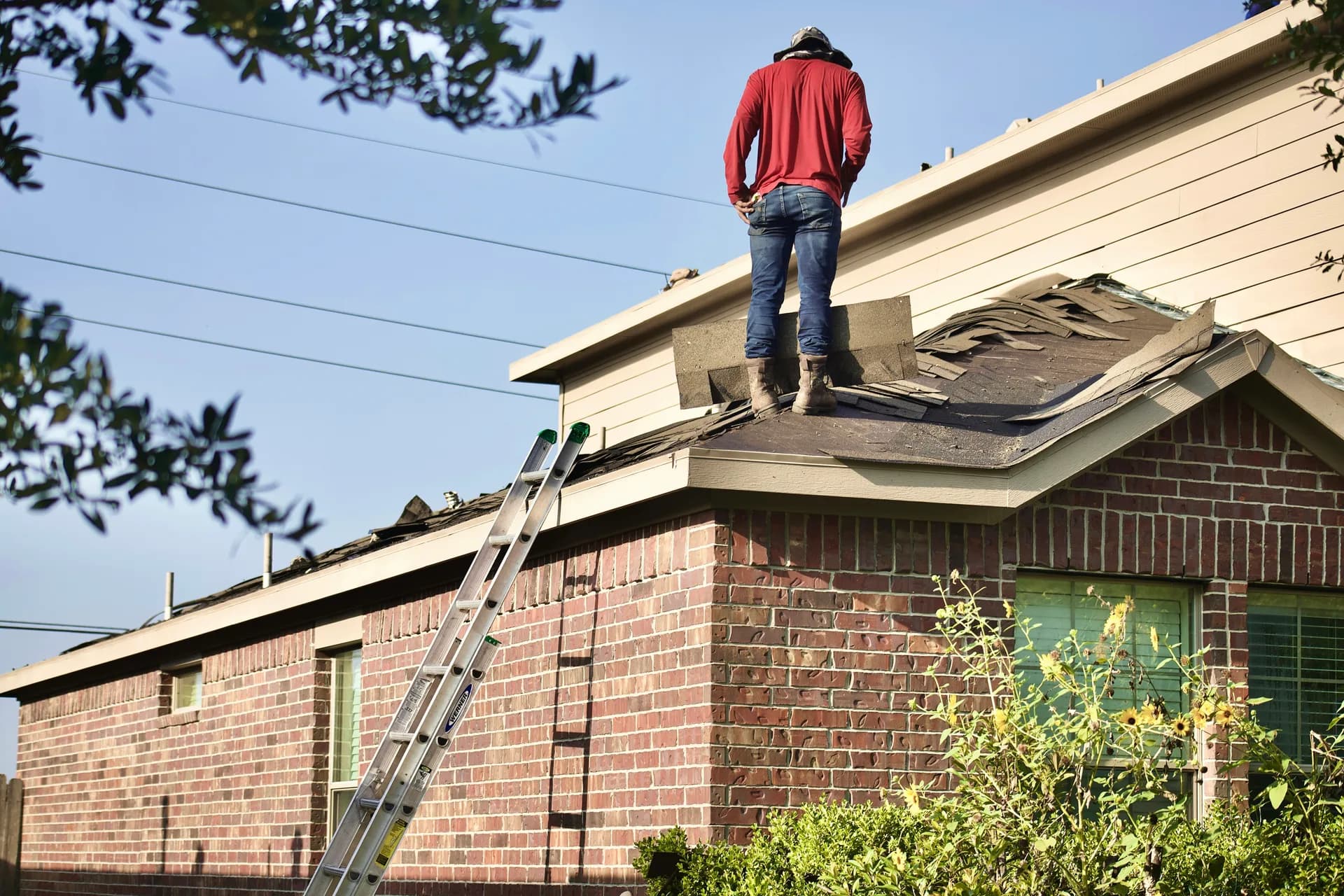
Schedule a professional roof inspection before your insurance adjuster arrives. Contractors trained in storm damage identification catch hail bruising on shingle backs, wind-lifted seal strips, and granule loss patterns that untrained eyes miss. This independent assessment strengthens your claim and provides leverage if the adjuster's initial estimate falls short of actual repair needs.
What Documentation Does Your Michigan Storm Damage Claim Require?
Your claim file needs dated photos of damaged shingles, gutters showing granule accumulation, interior water stains if leaks occurred, and a written timeline linking damage to a specific weather event. Michigan insurers process thousands of hail claims each summer, and thorough documentation separates approved claims from disputed ones.
Request a copy of the National Weather Service storm report for your county and date. This official record confirms hail size, wind speed, and storm path, providing third-party verification that a covered peril occurred. Include this report with your claim submission.
Hire a licensed Michigan roofing contractor to perform a detailed inspection and provide a written damage assessment. The contractor's report should itemize damaged areas, estimate replacement scope, and include photos with measurements. This professional documentation often reveals damage the adjuster's initial walkthrough missed, particularly on steep-pitch roofs or in hard-to-access areas.
How Do Michigan Insurance Adjusters Assess Storm Damage?
Adjusters inspect your roof for hail impact marks, wind-lifted shingles, and damage patterns consistent with the reported storm event. They measure affected areas, count damaged shingles, and determine whether repair or full replacement is justified under your policy terms.
Michigan adjusters distinguish between storm damage and pre-existing wear by examining granule loss patterns, checking manufacturing dates on shingles, and assessing overall roof condition. A 15-year-old roof with widespread granule loss may receive a depreciated settlement rather than full replacement cost, depending on your policy's actual cash value versus replacement cost coverage.
Be present during the adjuster's inspection. Point out all damage areas your contractor identified, including subtle hail bruising on shingle backs and flashing damage around vents and chimneys. Adjusters work multiple claims daily and may miss damage if you don't direct their attention to specific problem areas. If the adjuster's assessment differs significantly from your contractor's report, request a reinspection or ask your contractor to meet with the adjuster directly.
What Happens If Your Claim Is Denied or Underpaid?
Request a written explanation detailing why the insurer denied your claim or offered a lower settlement than your contractor's estimate. Michigan law requires insurers to provide specific reasons for claim denials, and this documentation is essential if you appeal.
Hire a public adjuster if the settlement gap exceeds $5,000 or if the insurer denies a claim you believe is valid. Public adjusters work for you, not the insurance company, and typically charge 5–15% of the final settlement. They re-document damage, negotiate with the insurer, and handle the appeals process.
File a complaint with the Michigan Department of Insurance and Financial Services if your insurer fails to respond within 30 days, denies a valid claim without clear justification, or uses unfair claims practices. The department investigates consumer complaints and can pressure insurers to reconsider disputed claims. Most disputes resolve through negotiation before reaching this stage, but the option exists if standard appeals fail.
How Much Does Storm Damage Roof Replacement Cost in Michigan?
Full asphalt shingle replacement on a typical 2,000 square foot Michigan home ranges from $8,000 to $18,000, depending on pitch, layers removed, and material grade. Insurance covers the replacement cost minus your deductible, which typically runs $500 to $2,500 for wind and hail claims.
Impact-resistant shingles rated Class 4 add $1,500 to $3,000 to total project cost but may qualify for insurance discounts of 10–20% on future premiums. Michigan's hail-prone counties make this upgrade financially sensible for homeowners planning long-term occupancy. The higher upfront cost often pays back within 5–7 years through premium savings alone.
Your settlement includes tear-off, disposal, new shingles, underlayment, and flashing. It may not cover roof deck repair if the adjuster attributes rot to maintenance neglect rather than storm damage. Review your estimate line by line with your contractor to identify coverage gaps before signing a contract. Estimates based on available industry data; individual project costs vary by roof size, pitch, material, and regional labor rates.
What Should You Know About Contractor Selection After a Storm?
Verify Michigan licensing through your municipality, as the state does not issue contractor-specific licenses at the state level. Check references, confirm active liability and workers compensation insurance, and avoid contractors who offer to waive your deductible or promise to handle your entire claim without your involvement.
Out-of-state contractors flood Michigan after major hail events, and while many are legitimate, some disappear before completing punch-list items or honoring warranties. Prioritize contractors with permanent Michigan addresses, established local reputations, and verifiable project histories in your county. Ask for references from recent storm damage projects and contact those homeowners directly.
Do not sign a contract with a completion date until your claim settles and financing is confirmed. Contractors who pressure immediate signatures often overestimate their crew availability or lock you into terms before you understand your actual settlement amount. Reputable contractors provide written estimates, explain the claims process without overpromising outcomes, and wait for your approval before ordering materials.