When Should You File a Storm Damage Roof Claim in Pennsylvania?
File your claim within 48–72 hours after a confirmed hail or windstorm event in Pennsylvania, even if damage appears minor. Pennsylvania insurance regulations allow up to one year from the loss date to file, but delays complicate damage attribution and give carriers grounds to question whether the damage occurred during the claimed event or from aging.
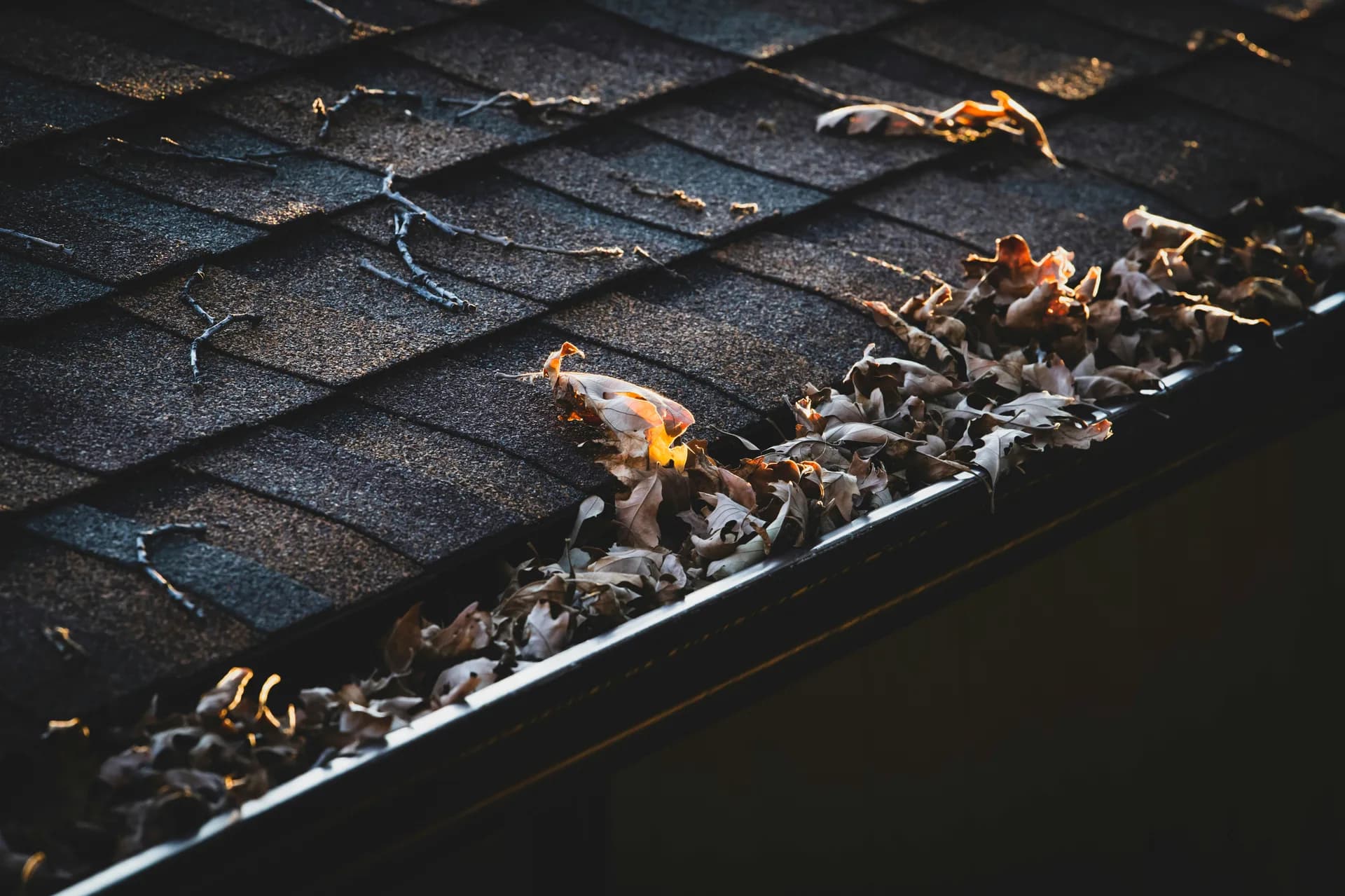
Document the damage immediately with timestamped photos of shingle loss, granule buildup in gutters, dented vents or flashing, and any interior water stains. If a named storm passed through your county, note the date and reference it in your claim submission. Pennsylvania's central and eastern regions see frequent severe thunderstorms from April through September, with Lancaster, Berks, and Chester counties reporting the highest hail claim frequency statewide.
Contact your carrier's claims hotline before hiring a contractor for permanent repairs. Emergency tarping to prevent further damage is covered under most policies and does not require pre-approval, but full roof replacement authorization requires adjuster inspection and written approval.
What Documentation Do PA Insurance Adjusters Require?
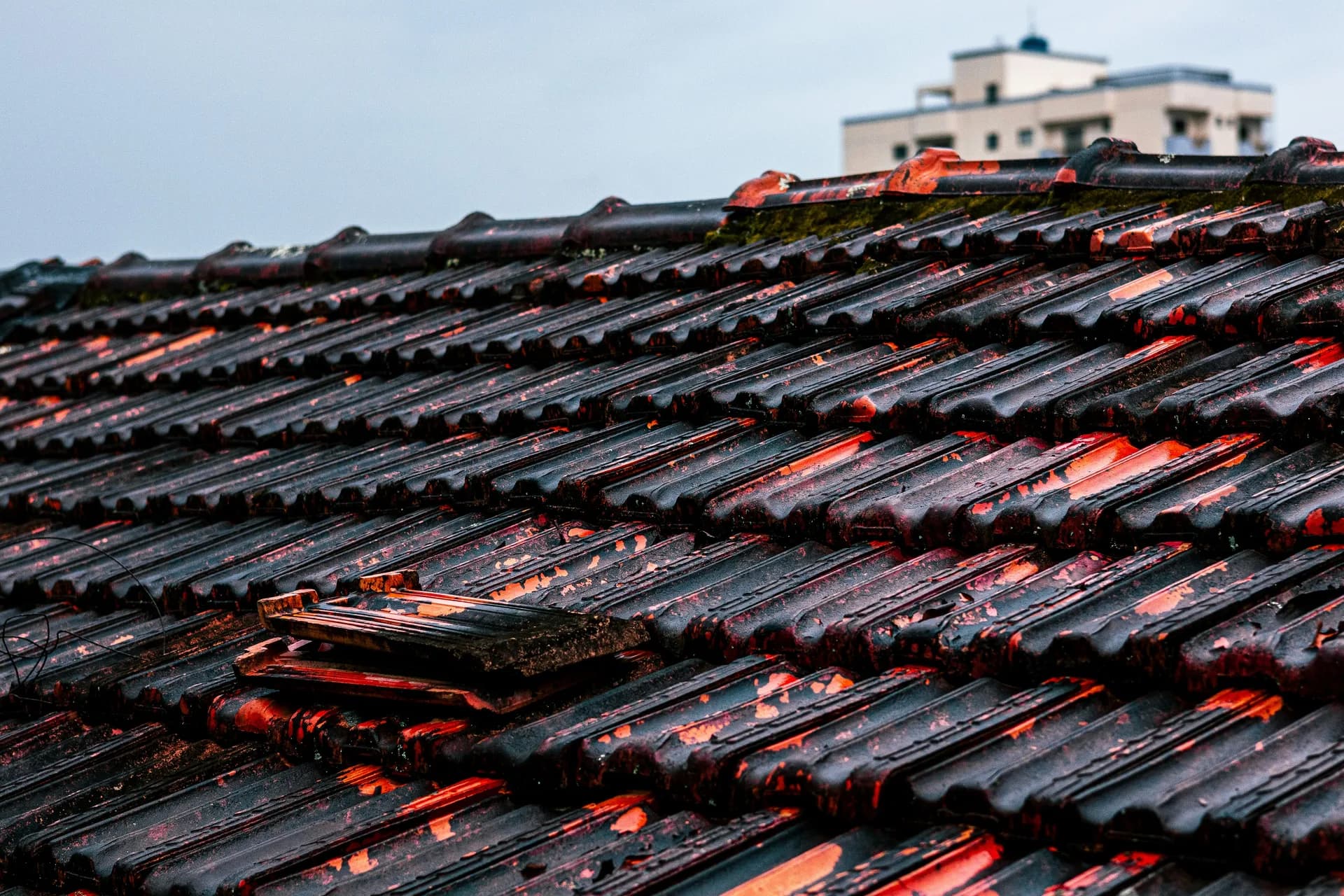
Pennsylvania adjusters require clear photo evidence of storm-specific damage patterns: hail bruising on shingle edges, wind-lifted tab tears, missing shingles with intact nail lines, and dented metal components. Self-reported damage descriptions without visual proof rarely result in approved claims. Include wide shots showing the full roof plane and close-ups of individual shingle impacts.
Your contractor estimate must itemize material type, square footage, pitch complexity, and removal costs separately. Pennsylvania carriers often reject lump-sum bids that do not break down labor, materials, and disposal. Most adjusters use Xactimate software to calculate replacement costs, so contractor estimates aligned with Xactimate line items process faster.
If the adjuster disputes your damage assessment, Pennsylvania law allows you to request a third-party appraisal at your expense. The appraiser's findings do not bind the carrier, but they create a documented second opinion that strengthens dispute resolution. Save all correspondence, inspection reports, and contractor communications in a single claim file.
How Does Pennsylvania's Inspection Process Work?
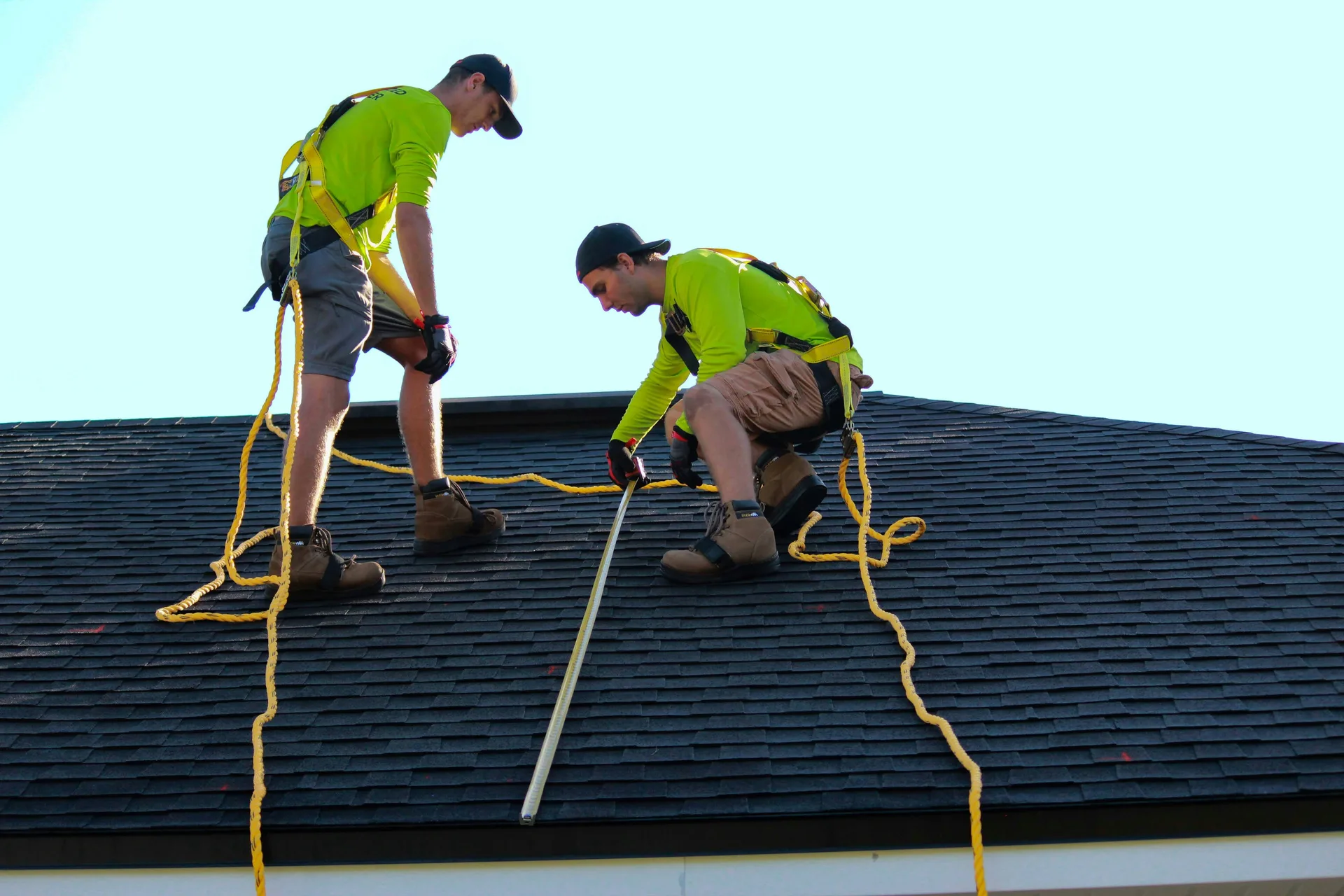
Pennsylvania carriers dispatch an adjuster within 7–14 days of claim filing, though post-storm backlogs in high-damage counties can extend this to three weeks. The adjuster inspects from the roof surface, not from the ground, and measures damage density per square. If fewer than 8–10 hail impacts appear per 100 square feet, many carriers classify the damage as cosmetic and deny replacement coverage.
Adjusters also evaluate pre-existing wear. Pennsylvania's freeze-thaw cycles accelerate shingle aging, and adjusters subtract depreciation for roofs older than 12 years even when storm damage is confirmed. If your roof is 15 years old and the adjuster determines 40% depreciation, your payout reflects actual cash value, not replacement cost, until you complete the work and submit paid invoices.
Request a copy of the adjuster's inspection report and roof diagram within 48 hours of the visit. Compare the adjuster's damage count to your contractor's independent assessment. Discrepancies over 20% warrant a reinspection request or appraisal.
What Are Common Claim Denial Reasons in Pennsylvania?
Pennsylvania carriers most often deny claims for insufficient damage density, pre-existing wear misattributed to storm events, and missed filing deadlines. Hail smaller than 1 inch in diameter rarely produces enough surface bruising to meet replacement thresholds, even when wind accompanies the hail. Adjusters flag roofs with curled edges, missing granules across large sections, or algae streaking as aged rather than storm-damaged.
Wind damage claims fail when the adjuster cannot verify wind speed exceeded policy thresholds. Pennsylvania homeowner policies typically cover wind damage from sustained speeds above 50 mph, but localized microbursts and downburst winds are harder to document without National Weather Service confirmation. If a named storm passed through your area, request the NWS storm report for your county and attach it to your claim.
Another common denial: contractor-identified damage that does not align with the storm date. If you file a claim three months after a hailstorm and the adjuster finds damage patterns inconsistent with recent impact, the carrier assumes the damage existed before the event. This is why immediate filing matters.
How Much Does Roof Replacement Cost After a Claim Approval?
Approved storm damage roof replacement in Pennsylvania averages $9,500–$16,000 for a 2,000-square-foot asphalt shingle roof with moderate pitch. Your out-of-pocket cost depends on your deductible, depreciation holdback, and whether you carry replacement cost or actual cash value coverage. A typical $1,500 deductible and 20% depreciation on a $14,000 claim means you pay $1,500 upfront and the carrier withholds $2,800 until you submit completion receipts.
Pennsylvania's southeastern counties trend higher due to labor costs, with Philadelphia and Delaware County projects running $12,000–$18,000 for comparable scope. Western Pennsylvania projects in Allegheny and Westmoreland counties average $8,500–$14,000. Steep-pitch roofs, multiple valleys, and architectural shingle upgrades add 15–30% to base estimates.
Estimates based on available industry data; individual project costs vary by roof size, pitch, material, and regional labor rates. Request itemized bids from at least two licensed contractors and compare them to your adjuster's Xactimate estimate before signing a work agreement.
What Should You Look for in a Storm Damage Roofing Contractor?
Verify the contractor holds an active Pennsylvania Home Improvement Contractor registration through the Office of Attorney General. Pennsylvania law requires contractors performing work over $5,000 to register, and unregistered contractors cannot legally enforce payment collection, which creates project abandonment risk. Request the HIC number and verify it online before signing a contract.
Avoid contractors who offer to waive your deductible or guarantee claim approval. Deductible waivers violate Pennsylvania insurance fraud statutes, and contractors cannot control carrier claim decisions. Legitimate contractors provide independent damage assessments, assist with documentation, and write estimates that align with adjuster findings without promising outcomes they cannot deliver.
Request references from projects completed in your county within the last 12 months and verify the contractor carries general liability and workers' compensation insurance. Pennsylvania does not require roofing-specific licenses at the state level, so rely on HIC registration, insurance proof, and local project history as your vetting criteria.