When Should You File a Storm Damage Roof Claim in South Carolina?
File your claim within 30 days of discovering roof damage for the best approval outcome. South Carolina carriers report 73% approval rates for claims filed within this window, compared to 54% for claims filed 60+ days after a storm event. Your policy contract typically allows 12 months from the date of loss, but delays complicate adjuster assessment because additional weather exposure obscures the original damage.
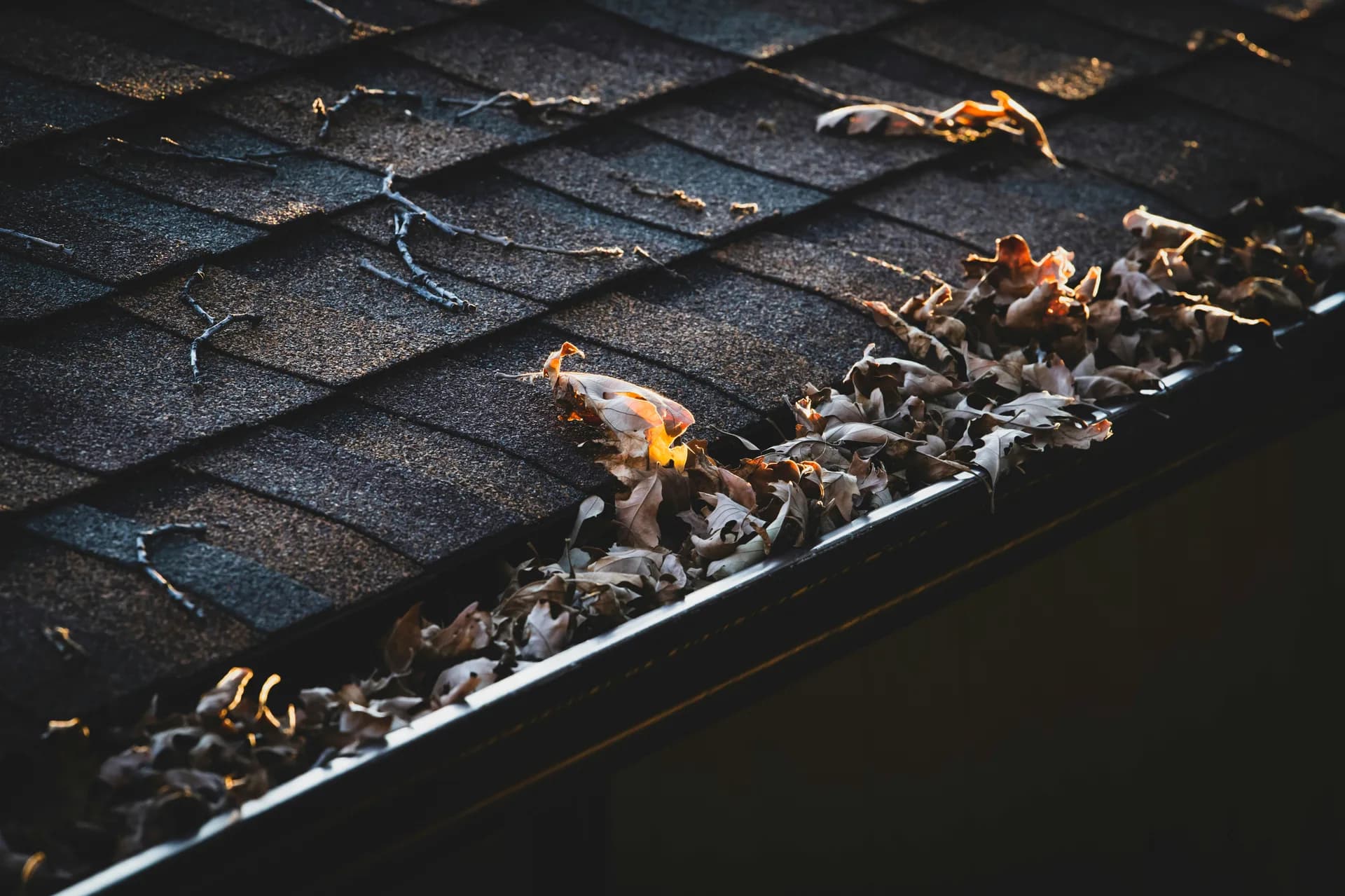
South Carolina experiences an average of 14 severe hail events annually, concentrated in the Upstate and Midlands counties. Hurricane season runs June through November, with wind damage claims spiking in Charleston, Beaufort, and Georgetown counties during tropical systems. If you notice missing shingles, dented vents, granule loss in gutters, or interior water stains after a named storm or hail event, schedule a contractor inspection before filing.
Most carriers require you to report the claim before making permanent repairs. Emergency tarping to prevent further damage is covered and does not constitute a permanent repair. Document the damage with photos showing close-ups of missing shingles, hail strikes on metal vents, and wide shots showing the affected roof planes before any work begins.
What Documentation Do You Need for a South Carolina Storm Damage Claim?
Your claim package must include dated photos of the damage, a contractor inspection report with measured hail strike diameters or wind uplift evidence, and a repair estimate with itemized labor and material costs. South Carolina adjusters expect to see documentation of at least 8–10 hail strikes per 100 square feet to approve a full replacement, or evidence of wind speeds exceeding 60 mph with corresponding shingle uplift or loss.
Take photos immediately after the storm and again during the contractor inspection. Capture close-ups of each damaged area: dented roof vents, bruised shingles with exposed fiberglass mat, creased ridge caps, and damaged flashing. Wide-angle shots should show the overall roof condition and the extent of affected areas across multiple planes.
Your contractor inspection report should include measurements of hail strike diameters, counts of damaged shingles per section, and an assessment of whether damage is cosmetic or functional. South Carolina follows the "matching" rule for composition shingles, meaning if one slope requires replacement due to storm damage and matching shingles are unavailable, the carrier may cover adjacent slopes to maintain uniform appearance. Request this explicitly in your estimate if applicable.
How Does the Insurance Adjuster Inspection Work in South Carolina?
The adjuster visits your property within 7–14 days of your claim filing to assess damage independently. South Carolina law does not require you to have your contractor present during this inspection, but having them there increases claim accuracy because they can point out damage the adjuster might miss and discuss repair scope in real time.
Adjusters measure the same data points your contractor documented: hail strike counts per test square, wind damage patterns, and whether the damage compromises the roof's weather-tight integrity. They compare their findings against your policy's coverage terms, deductible, and depreciation schedule. Most South Carolina homeowners carry actual cash value policies that pay replacement cost minus depreciation upfront, then refund depreciation after repairs are completed and invoiced.
If the adjuster's estimate is significantly lower than your contractor's, you can request a reinspection or hire a public adjuster to negotiate on your behalf. Public adjusters in South Carolina charge 10–15% of the final settlement and are most useful when initial claim denials seem incorrect or when damage scope is disputed. You are not required to use the adjuster's estimate to select a contractor.
What Is the Typical Timeline for Storm Damage Claim Approval in South Carolina?
Expect 30–60 days from claim filing to final approval for straightforward hail or wind damage claims in South Carolina. Hurricane-related claims take longer, often 60–90 days, because of claim volume surges and the need for engineering assessments when structural damage is involved.
The timeline breaks down into filing and acknowledgment (1–3 days), adjuster inspection scheduling (7–14 days), adjuster report submission to carrier (7–10 days), and carrier review and approval decision (10–21 days). Delays occur when documentation is incomplete, when the adjuster disputes damage scope, or when the carrier requests a second inspection.
South Carolina law requires carriers to acknowledge your claim within 15 days and to approve or deny within 30 days of receiving all required documentation. If your claim exceeds these windows without communication, contact the South Carolina Department of Insurance to file a complaint. Once approved, you receive the actual cash value payment immediately and the recoverable depreciation after submitting proof of completed repairs and paid invoices.
Can Your Claim Be Denied for Pre-Existing Roof Damage in South Carolina?
Yes, carriers deny claims when the adjuster determines damage existed before the storm event you are claiming. South Carolina adjusters look for mismatched shingle wear patterns, previous repairs that were never reported, and roof age inconsistent with the claimed damage type. A 20-year-old roof with widespread granule loss will not qualify for storm damage replacement if the adjuster concludes the loss was caused by age-related wear, not hail impact.
Pre-storm roof inspections create a documented baseline that protects you from denial. If you had a contractor inspection within 12 months before the storm showing the roof was in serviceable condition, that report counters any claim that damage was pre-existing. Without baseline documentation, the burden is on you to prove the storm caused the damage.
If your claim is denied and you believe the denial is incorrect, request a written explanation citing the specific policy exclusion or evidence used. You can dispute the denial by providing additional documentation, hiring an independent inspector, or escalating to the South Carolina Department of Insurance. Denial rates in South Carolina for wind and hail claims average 22%, with most denials citing maintenance-related exclusions or insufficient evidence of storm causation.
What Should You Do If the Insurance Settlement Does Not Cover Full Replacement Costs?
Request a line-item breakdown of the adjuster's estimate and compare it against your contractor's scope of work. Discrepancies often occur in square footage calculations, material grade assumptions, or exclusion of necessary underlayment and flashing replacement. South Carolina contractors report that adjuster estimates average 12–18% below actual replacement costs when those costs are calculated using current material prices and local labor rates.
You can supplement the settlement with out-of-pocket payment to cover the gap, or you can negotiate with your contractor to match the settlement amount by adjusting material selection or scope. Some contractors agree to bill only the settlement amount, but this often results in lower-grade materials or exclusion of necessary work like deck repair or ventilation upgrades.
If the gap is caused by adjuster error, your contractor can meet with the adjuster to review the estimate and request a supplemental claim for the disputed items. Supplemental claims are common in South Carolina storm damage cases and typically add 10–25% to the original settlement when undercounted scope is documented. Do not sign a certificate of completion or release recoverable depreciation until all necessary work is covered and the contractor confirms the final scope matches the approved settlement.