When Should You File a Storm Damage Roof Claim in South Dakota?
File your claim within 30 days of a confirmed hail or wind event in your area to avoid adjuster backlog and seasonal delays. South Dakota sees peak hail activity from May through August, when insurers process hundreds of claims across the eastern counties and adjuster response times stretch from 1–2 weeks to 4–6 weeks. Your policy allows up to 12 months from the damage date, but late filing risks disputed timelines and carrier arguments that damage predates the storm.
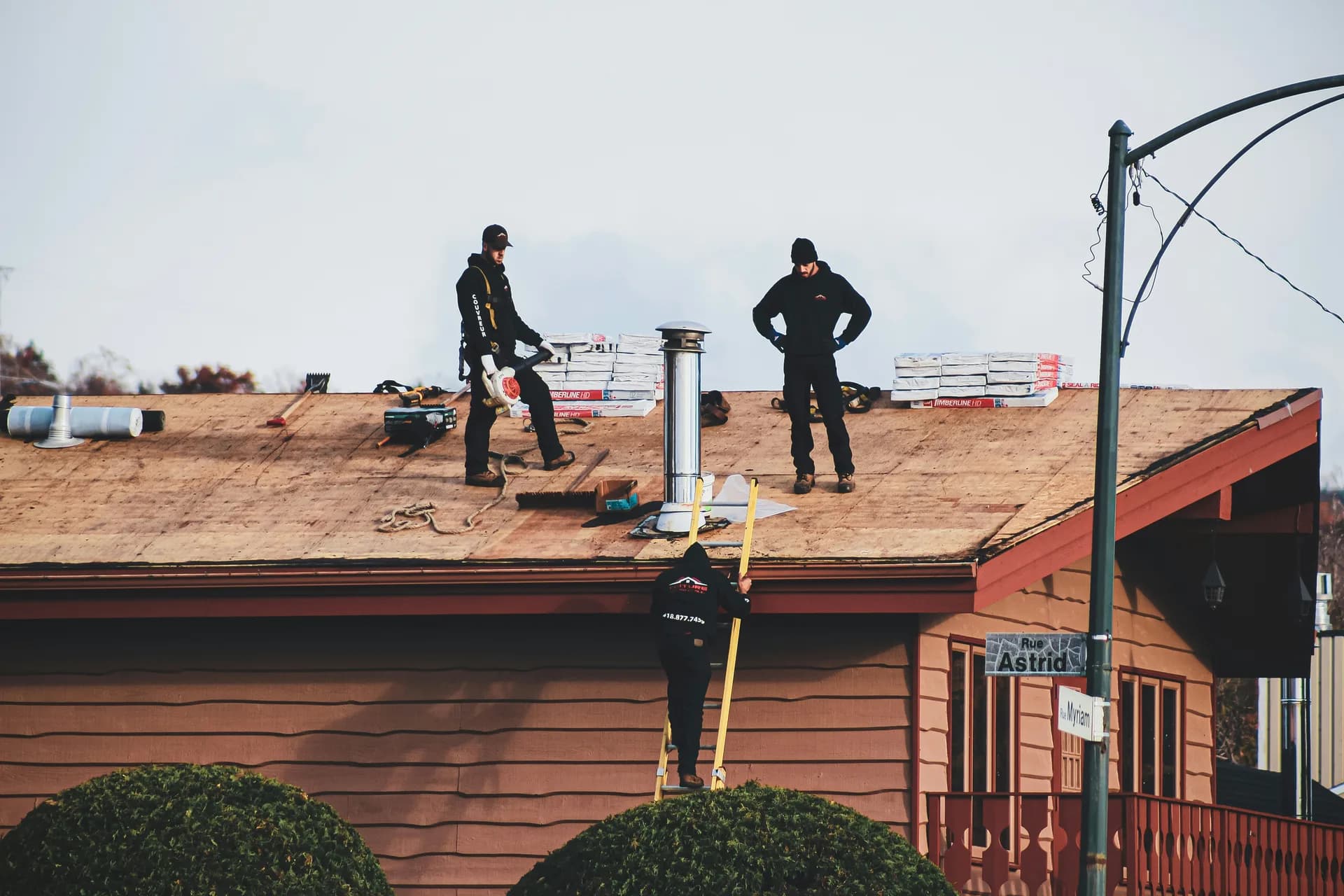
Most carriers require a professional roof inspection before they dispatch an adjuster. Licensed roofing contractors in South Dakota provide free storm damage inspections and document hail strike density, granule loss, and shingle seal failure with roof-level photos. Contractors mark damage locations with chalk or stickers so adjusters can verify the same strike points during their visit.
If you're in Sioux Falls, Rapid City, Aberdeen, or Brookings and suspect damage after a hail event, schedule the inspection before contacting your carrier. The inspection report becomes your evidence when the adjuster arrives, and it establishes the damage scope before seasonal wear complicates the assessment.
What Documentation Do South Dakota Insurers Require for Roof Claims?
Carriers require dated photos of visible damage, a contractor inspection report with hail strike counts, and confirmation of the storm date through National Weather Service records or local NOAA hail reports. Your contractor's report should include roof pitch measurements, shingle age, strike density per test square, and photos of at least three damaged zones across different roof planes. Adjusters compare this documentation against their own field inspection to determine coverage.
South Dakota policies typically cover replacement when hail strikes exceed 8–10 per 100 square feet, though thresholds vary by carrier and shingle type. Three-tab asphalt shingles show damage at lower strike densities than architectural shingles, and older roofs with existing granule loss may not meet the threshold even after a confirmed hail event. Your contractor measures strike density using a 10x10 test square in multiple roof sections to document consistent damage.
Carriers also require proof of policy active status on the storm date and confirmation that the damage wasn't preexisting. If your roof is older than 15 years, expect the adjuster to scrutinize wear patterns and question whether hail caused the damage or simply revealed aging. Contractor photos taken immediately after the storm counter this argument by showing fresh indentations and intact granule beds around strike points.
How Long Does a Storm Damage Roof Claim Take in South Dakota?
Adjuster site visits happen 1–6 weeks after you file, depending on claim volume and storm severity across the state. After a large hail event affecting Sioux Falls or the I-29 corridor, carriers deploy traveling adjusters from neighboring states and response times extend to 4–6 weeks. Once the adjuster inspects, carriers issue coverage decisions within 7–14 business days and release payment within 30 days of approval.
Replacement project timelines depend on contractor availability and material lead times. Most South Dakota roofing contractors schedule storm damage replacements 2–6 weeks out during peak season, with faster timelines in fall and winter when claim volume drops. Full replacements on a typical 2,000 square foot home take 1–2 days in dry conditions, longer ifdecking replacement is required after wind uplift or water intrusion.
Your carrier releases payment in two stages: depreciated actual cash value at project start, and recoverable depreciation after you submit completion certificates and final invoices. Expect the second payment 10–21 days after your contractor files the completion documentation with your insurer.
What If Your Claim Is Denied or Underpaid in South Dakota?
Request a re-inspection when your contractor's damage assessment conflicts with the adjuster's findings. South Dakota carriers allow policyholders to dispute initial denials within 60 days, and most agreements include an appraisal clause that lets you hire an independent appraiser to evaluate damage if the carrier and contractor can't agree on scope. The two appraisers then select a neutral umpire whose decision binds both parties.
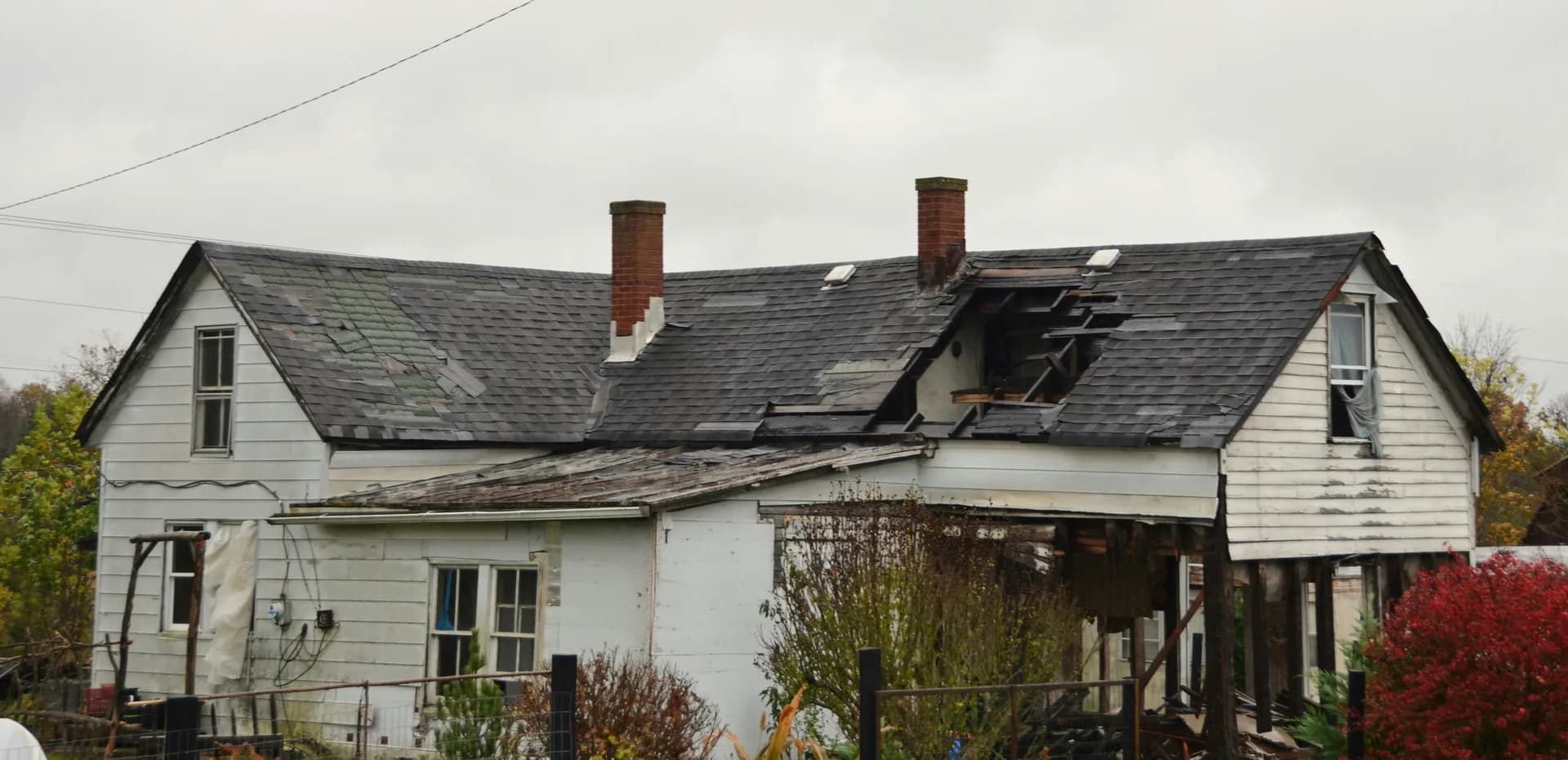
Common denial reasons include insufficient strike density, preexisting wear classified as storm damage, or cosmetic-only damage that doesn't affect shingle function. If your roof is 12–20 years old, carriers often argue that granule loss and seal failure result from age rather than hail impact. Contractor reports that isolate fresh strikes with intact surrounding granules and compare damaged areas to undamaged slopes strengthen your rebuttal.
South Dakota law requires carriers to respond to appraisal requests within 30 days and complete the appraisal process within 60 days. If the appraisal finds in your favor, the carrier must issue payment within 15 business days. Policyholders who disagree with appraisal results can file complaints with the South Dakota Division of Insurance, though most disputes resolve at the appraisal stage.
Does Filing a Claim Raise Your Homeowner's Insurance Premium in South Dakota?
Storm damage claims classified as Act of God events typically don't raise premiums the same way at-fault claims do, but South Dakota insurers can non-renew policies after multiple claims within a three-year period. Most carriers allow one hail claim without penalty, but two or more claims in rapid succession flag your property as high-risk and trigger non-renewal notices at your next policy anniversary. Non-renewal forces you into the state's assigned risk pool or higher-cost carriers.
Premium increases after a single storm claim average 9–15% statewide, though increases vary by carrier, claim amount, and your prior claims history. If your replacement cost exceeds $15,000 and you've filed another claim in the past five years, expect higher increases or a non-renewal letter. Carriers review loss history through the Comprehensive Loss Underwriting Exchange, which tracks all claims filed under your name regardless of property or state.
Homeowners in high-hail counties along the I-29 corridor from Watertown to Sioux Falls face higher base premiums regardless of claims history. If you're shopping for coverage after a non-renewal, expect quotes 20–40% higher than your previous premium, with some carriers requiring wind and hail exclusion endorsements that eliminate storm coverage entirely.