When Should You File a Storm Damage Roof Claim in Virginia?
File your claim within 60 days of discovering roof damage from hail, wind, or fallen debris. Most Virginia homeowner policies include a notice requirement tied to discovery date, not the storm event date itself. Missing this window can result in claim denial regardless of damage severity.
Virginia's mid-Atlantic location exposes roofs to spring hail systems tracking from the Ohio Valley, coastal hurricane remnants between June and November, and winter ice dam damage in mountain counties. Fairfax, Loudoun, and Prince William counties averaged 12–18 hail events annually from 2015–2023, with stone sizes reaching 1.5 inches during severe convective outbreaks.
Document damage immediately after a named storm or after noticing missing shingles, granule loss in gutters, or dented metal flashing. Take dated photos from ground level showing missing tabs, exposed underlayment, and damaged ridge caps before calling your carrier.
What Documentation Do Virginia Adjusters Require for Roof Claims?
Adjusters need dated exterior photos showing hail bruising on shingles, creased ridge caps, dented gutters or downspouts, and wind-lifted tab edges. Interior documentation includes attic photos of daylight penetration, water staining on decking, and wet insulation if leaks occurred.
Virginia operates under a modified comparative negligence rule for property claims. If your roof is 20+ years old with pre-existing wear, adjusters will depreciate replacement value based on expected lifespan. A 15-year-old asphalt shingle roof with a 25-year rated life receives 40% depreciation on labor and materials before actual cash value payout.
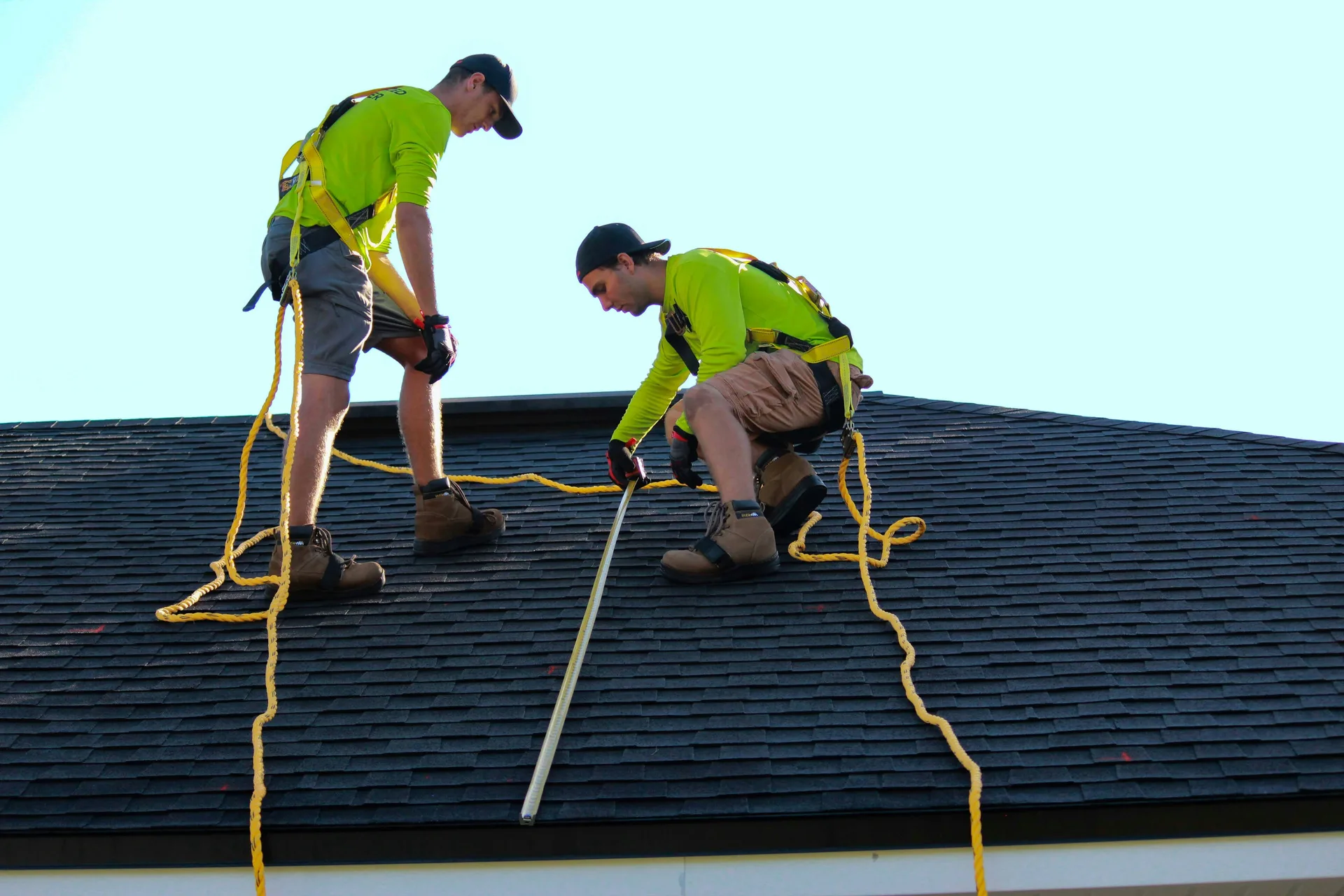
Include your contractor's inspection report with the claim submission. Licensed Virginia roofing contractors document storm damage using HAAG-certified inspection methods that identify hail strike patterns, uplift test results on tabs, and thermal scan data showing moisture intrusion paths adjusters recognize as verifiable loss.
How Does the Virginia Insurance Claim Process Work for Roof Damage?
Your carrier assigns an adjuster within 5–10 business days of claim filing. The adjuster schedules a roof inspection, documents damage with photos and measurements, then issues a preliminary estimate within 7–14 days. Payment arrives as actual cash value minus your deductible, with recoverable depreciation paid after replacement completion.
Virginia law requires carriers to acknowledge claims within 15 business days and issue payment or denial within 30 days of receiving all requested documentation. Delays happen when adjusters dispute damage causation or request supplemental inspection data from contractors.
Have your roofing contractor present during the adjuster visit. Contractors identify damage patterns adjusters miss from ground-level inspections, test for soft decking indicating hidden moisture damage, and document square footage calculations that affect total replacement cost estimates. Adjuster-only inspections undercount affected areas by 15–25% on average.
What Replacement Costs Should Virginia Homeowners Expect After Storm Damage?
Full asphalt shingle replacement on a 2,000 square foot roof in Virginia costs $9,500–$16,000 depending on pitch, material grade, and decking repair scope. Impact-resistant Class 4 shingles add $1.50–$2.00 per square foot but qualify for 10–20% premium discounts with most carriers.
Southern Virginia counties near the North Carolina border face higher wind ratings requiring enhanced fastening patterns that increase labor costs by 8–12%. Northern Virginia and Richmond metro pricing runs 10–15% above state averages due to contractor density and permitting overhead.
Insurance payouts cover replacement cost if policy terms include RCV endorsements. Actual cash value policies subtract depreciation based on roof age, leaving homeowners to cover the gap between payout and contractor invoice. A 12-year-old roof with 30% depreciation on a $14,000 replacement receives $9,800 initially, with the remaining $4,200 paid after work completion and final inspection approval. Estimates based on available industry data; individual project costs vary by roof size, pitch, material, and regional labor rates.
How Do You Choose a Contractor for Insurance Claim Roof Replacement in Virginia?
Verify the contractor holds an active Virginia Class A or Class C contractor license through the Department of Professional and Occupational Regulation online lookup tool. Virginia requires contractors performing work over $1,000 to carry general liability insurance with minimum $500,000 coverage and workers' compensation if they employ crew members.
Request references from insurance claim projects completed in the past 18 months. Contractors experienced with adjuster coordination provide supplemental damage documentation that increases approved claim amounts by identifying hidden decking rot, inadequate ventilation causing premature shingle failure, and code violations requiring upgrade work.
Avoid contractors who offer to waive deductibles or guarantee claim approval. These practices violate Virginia insurance fraud statutes and can void your policy. Legitimate contractors provide written estimates matching or exceeding adjuster assessments, then submit supplement requests with photo evidence when additional damage appears during tear-off.
What Happens If Your Claim Gets Denied in Virginia?
Carriers deny claims when they attribute damage to wear and age rather than storm events, or when filing deadlines pass. Request a written denial explanation citing specific policy language and the adjuster's damage assessment rationale.
Hire an independent roofing inspector with HAAG certification to perform a second assessment. Independent inspectors document storm damage using industry-standard hail strike measurement, wind uplift testing, and moisture intrusion mapping that provides evidence for claim appeals. Appeal submissions including third-party inspection reports succeed in 40–50% of initial denials.
Virginia's Bureau of Insurance accepts complaints against carriers who delay payments beyond statutory timeframes or deny claims without adequate investigation. File complaints through the bureau's online portal with your claim number, denial letter, and contractor estimates. The bureau investigates within 30 days and can compel carriers to reopen claims showing procedural violations.