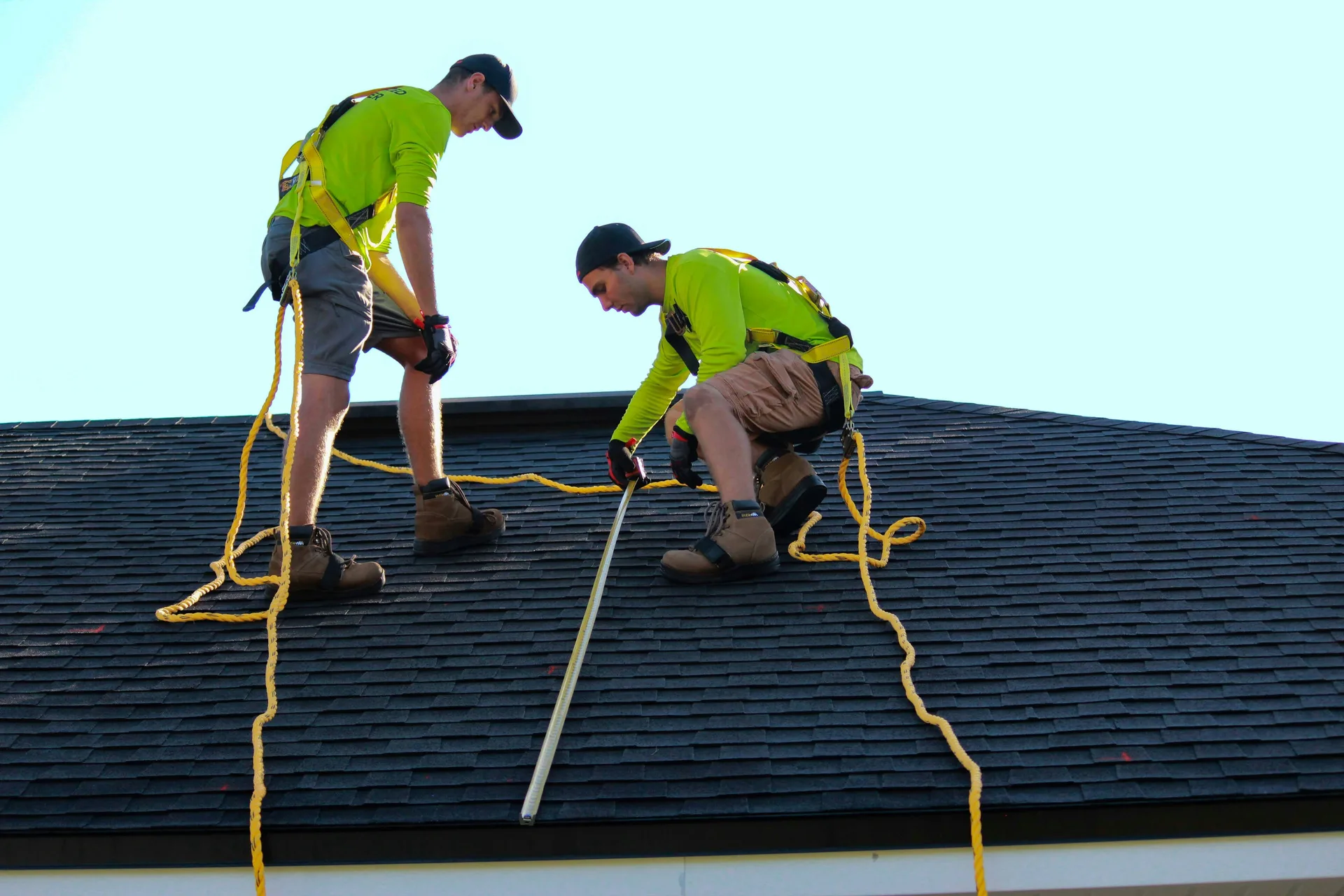
What Does Hail Damage Look Like on an Alabama Roof?
Hail damage appears as circular bruises on asphalt shingles where the granule coating is knocked off, exposing the black substrate underneath. These bruises range from dime-sized to quarter-sized depending on hail diameter—storms with 1-inch hail or larger typically cause replacement-level damage across Alabama's Central and Northern counties. You'll also see cracked or split shingles along edges, dented metal flashing around vents and chimneys, and granules collecting in gutters and downspouts.
Damage severity depends on hail size, wind speed during the storm, roof age, and shingle quality. A 10-year-old roof with architectural shingles handles hail better than a 20-year-old roof with builder-grade three-tab shingles. Alabama's March-through-May severe weather season produces the majority of damaging hail events, with Jefferson, Shelby, and Madison counties seeing the highest frequency.
Roof pitch matters—steeper roofs take more direct impact from hail, while low-slope roofs may show less visible damage but still suffer underlying mat fractures. If your roof sustained hits during a storm that produced hail reports of 1 inch or larger in your county, schedule an inspection even if you don't see obvious damage from the ground.
How Soon After a Hailstorm Should You Inspect Your Roof?
Inspect your roof within 72 hours of a confirmed hail event in your area. Hail damage doesn't worsen with time, but documenting it quickly strengthens insurance claims and prevents confusion about which storm caused the damage if multiple events occur in the same season. Alabama's spring and early summer bring clusters of severe weather—waiting weeks between a storm and an inspection makes it harder to tie damage to a specific date.
Start with a ground-level walk around your property. Check gutters for granule accumulation, inspect window screens and siding for dents, and look at air conditioning units and mailboxes for ding marks. If you see impact damage on these surfaces, your roof likely took hits too.
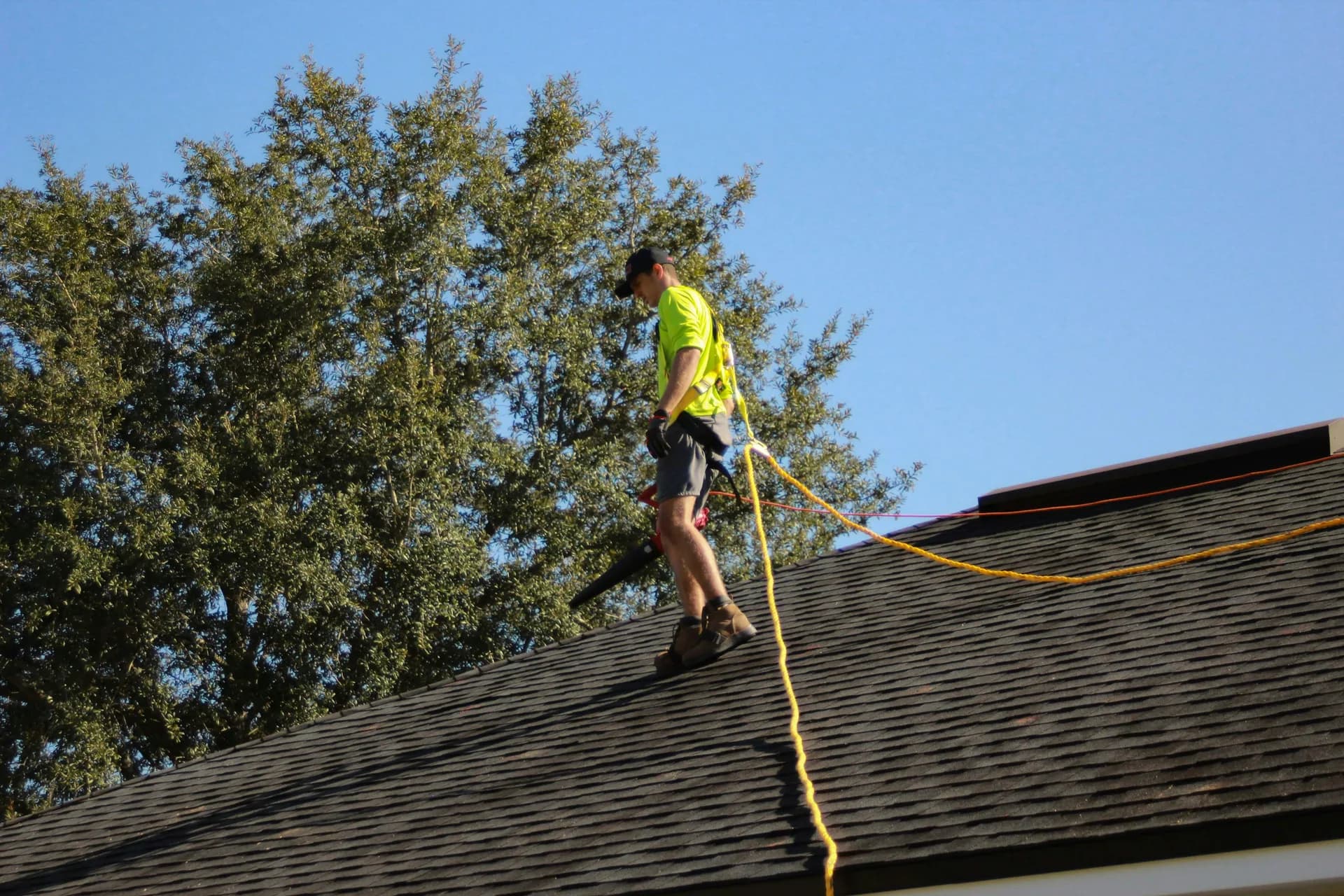
Hire a licensed roofing contractor or HAAG-certified inspector for the roof surface evaluation—walking on a damaged roof can worsen hidden fractures and void some manufacturer warranties. Most Alabama contractors offer free post-storm inspections during active hail seasons, and many work directly with insurance adjusters to document findings.
What Are the Hidden Signs of Hail Damage That Homeowners Miss?
Cracked sealant strips along shingle tabs are the most commonly missed hail damage indicator. These adhesive strips bond each shingle to the one below it—hail impact fractures them, allowing wind to lift shingles during future storms. You won't see this damage without lifting shingle edges, which is why professional inspections matter.
Dented or creased metal valleys show hail impact even when shingles look intact. Valleys channel water off the roof, and dents disrupt flow patterns, creating spots where water pools and eventually leaks through. Soft metal flashing around chimneys, skylights, and plumbing vents dents easily and often shows damage before shingles do.
Fractured fiberglass mats under the shingle surface don't always produce visible bruising immediately. The mat holds the shingle together—once fractured, the shingle loses wind resistance and starts deteriorating faster. This type of damage appears as subtle divots or softness when you press the shingle, detectable only during hands-on inspection.
How Much Does Hail Damage Roof Replacement Cost in Alabama?
Full roof replacement after hail damage in Alabama runs $8,500 to $22,000 for a typical 2,000-square-foot home with architectural shingles, depending on roof pitch, complexity, and material choice. Single-story ranch homes with simple gable roofs cost less than two-story homes with multiple valleys, dormers, and steep pitches. Estimates based on available industry data; individual project costs vary by roof size, pitch, material, and regional labor rates.
Impact-resistant shingles rated Class 4 by UL 2218 add $1,500 to $3,500 to the total but often qualify for insurance discounts of 10 to 25 percent on premiums in hail-prone counties. GAF Timberline HDZ, CertainTeed Landmark IR, and Owens Corning Duration Storm shingles are the most common Class 4 options installed across Alabama.
Insurance typically covers hail damage replacement minus your deductible, which ranges from $1,000 to $2,500 for most Alabama homeowners. If your roof is older than 15 years, some carriers apply depreciation or limit coverage to actual cash value rather than full replacement cost—review your policy before filing a claim.
What Should You Ask a Roofing Contractor During a Hail Damage Inspection?
Ask whether the contractor is licensed with your local municipality and carries both general liability and workers' compensation insurance—Alabama doesn't require state-level roofing licenses, so verification happens at the city or county level. Request proof of insurance with coverage limits of at least $1 million general liability before allowing anyone on your roof.
Ask how they document damage for insurance claims. Competent contractors photograph every area of damage, mark shingle locations on a roof diagram, and provide a written report with hail size estimates and replacement recommendations. This documentation goes directly to your insurance adjuster and determines claim approval.
Ask whether they work as a public adjuster or contractor—not both. Contractors who also act as public adjusters create conflict-of-interest situations that some Alabama insurance carriers flag as fraudulent. The contractor should estimate repair costs and perform the work; a separate public adjuster (if you hire one) negotiates with your carrier.
Do You Need a Permit to Replace a Hail-Damaged Roof in Alabama?
Most Alabama cities and counties require building permits for full roof replacements, with fees ranging from $75 to $300 depending on project size and jurisdiction. Birmingham, Huntsville, Montgomery, and Mobile all enforce permit requirements for reroofing projects—your contractor pulls the permit, not you, and the cost is typically included in the project estimate.
Permit inspections verify that new roofing meets International Residential Code standards for wind uplift, fire rating, and flashing details. Alabama's location in Dixie Alley and proximity to the Gulf Coast means many jurisdictions require wind-rated shingles and enhanced attachment patterns in high-wind zones.
Skipping permits risks insurance claim denial if future damage occurs and the carrier discovers unpermitted work. It also complicates home sales—title companies often require proof of permits for major improvements completed during your ownership.