What Does a Hail Damage Roof Inspection in Arkansas Actually Check?
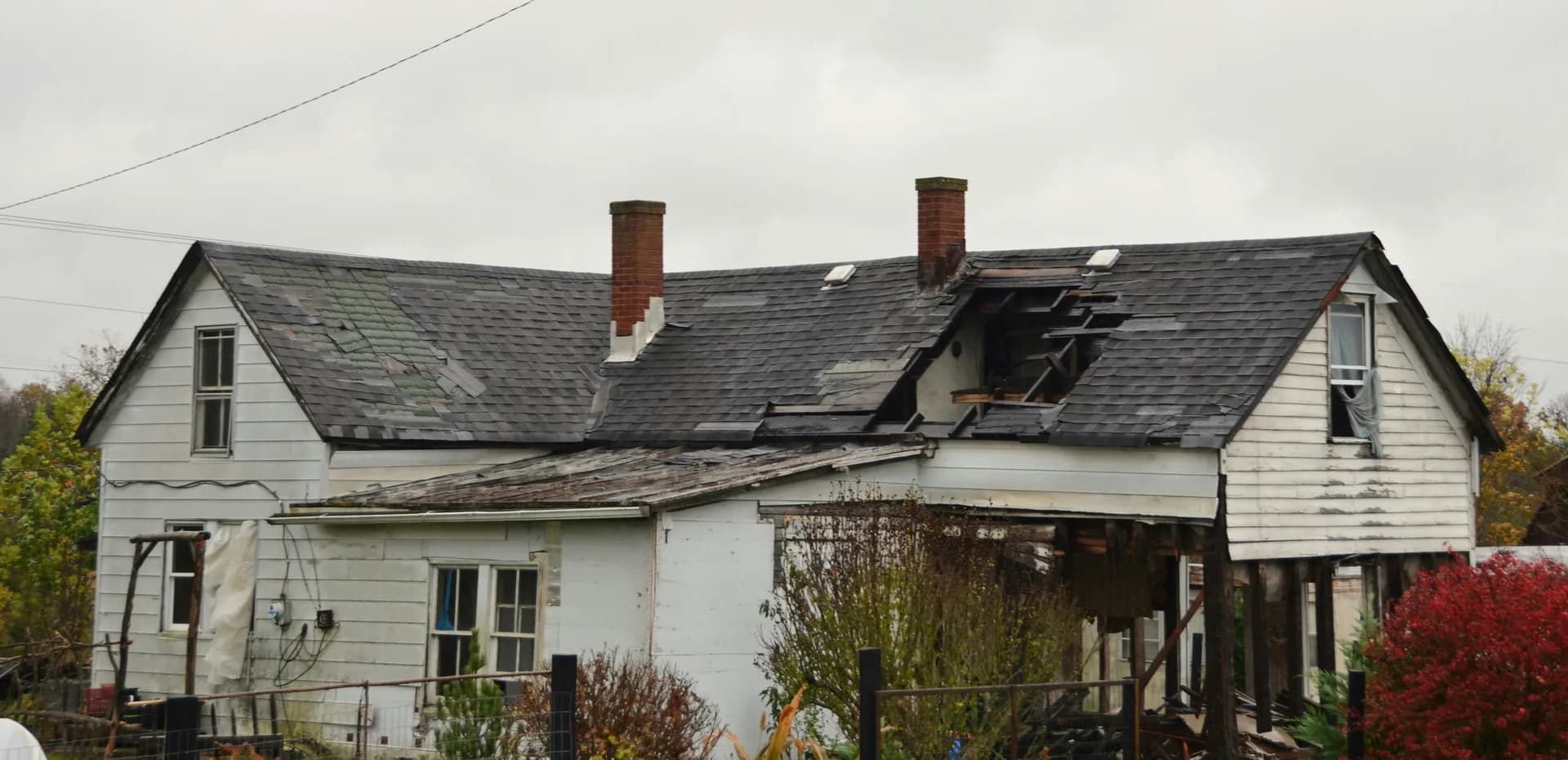
Inspectors examine shingles for hail bruising, which appears as circular impressions where hail compressed the asphalt mat and displaced granules without breaking through. They check ridge caps and roof valleys where hail impact concentrates, measure granule loss in gutters and downspouts, and document dents on metal flashing, vents, and chimney caps as corroborating evidence of hail size and impact force. Arkansas hail typically ranges from pea-sized to golf ball diameter, with the larger stones causing immediately visible damage and smaller hail creating bruising that only shows under close inspection.
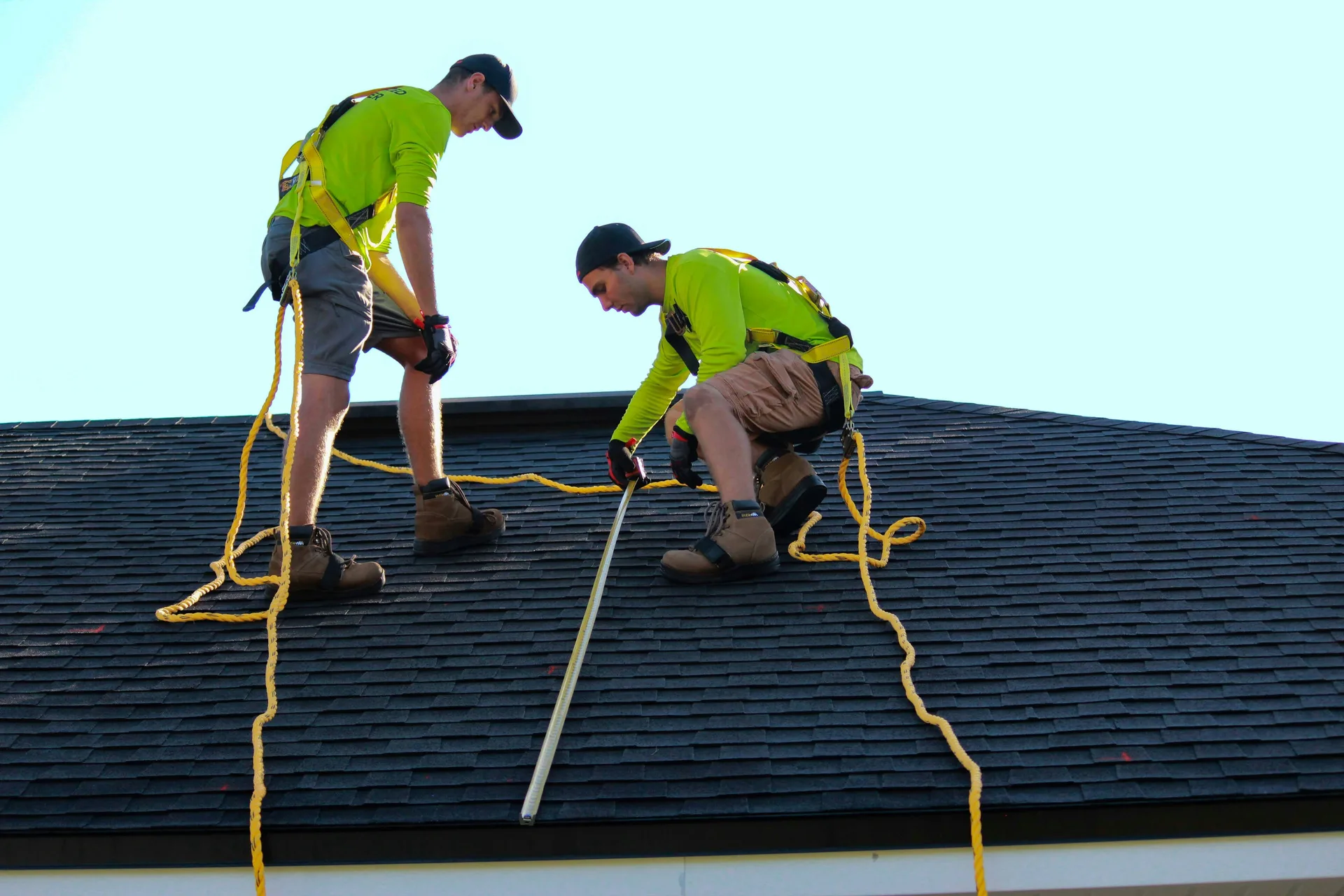
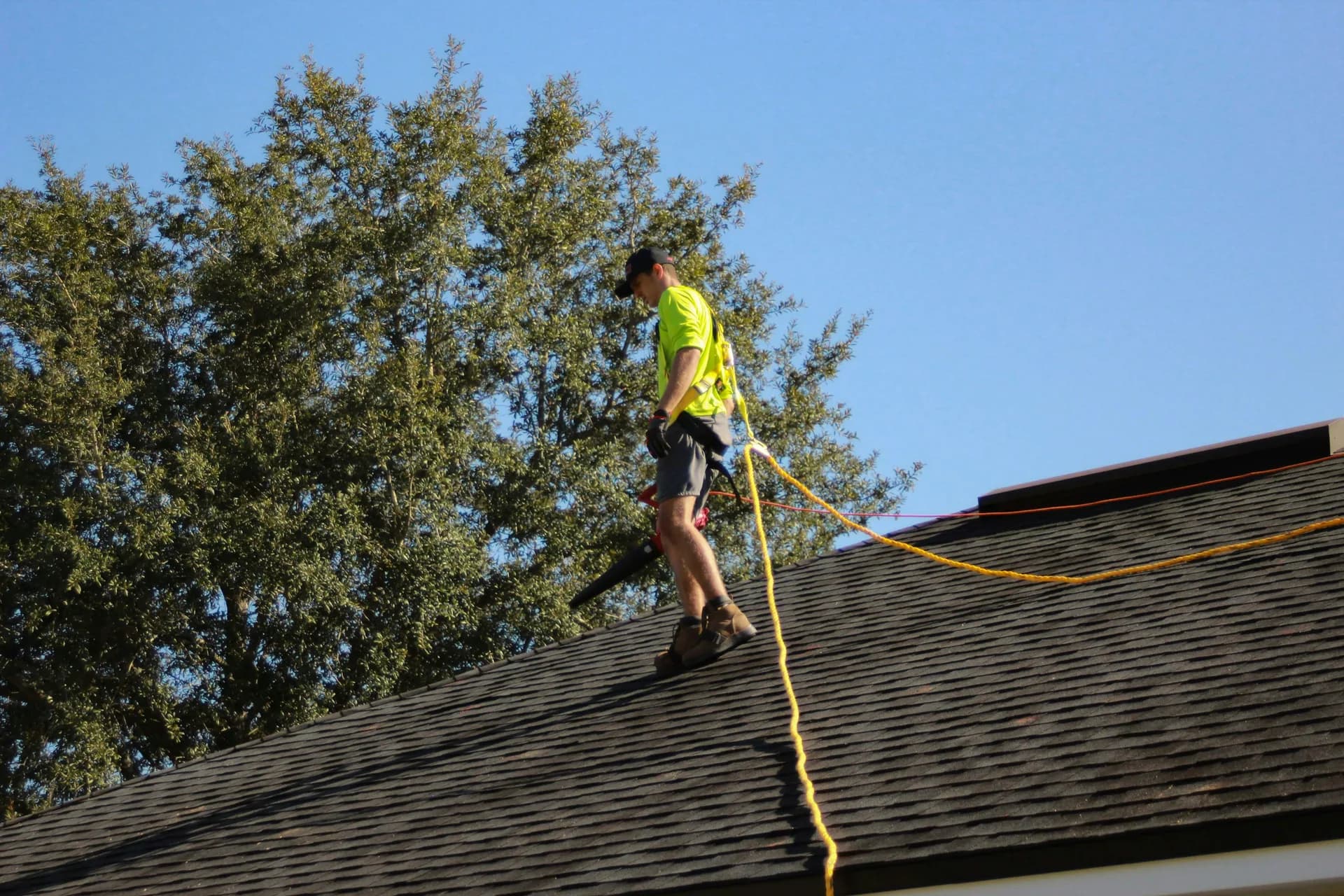
Inspectors walk the entire roof surface when safe, photographing damage from multiple angles and recording GPS-tagged images that match specific roof sections to damage documentation. They note the direction of impact marks, which helps correlate damage to known storm paths tracked by the National Weather Service. Most Arkansas inspections take 45–90 minutes depending on roof size and complexity.
The inspector provides a written report quantifying damage density, typically expressed as hits per 100 square feet, along with recommendations for repair versus full replacement. Insurance adjusters use this density metric to determine coverage, with most carriers authorizing replacement when damage exceeds 8–10 hits per test square.
When Should You Schedule an Inspection After an Arkansas Hailstorm?
Schedule within 7–14 days after a confirmed hail event in your county. Arkansas hailstorms are tracked by the National Weather Service offices in North Little Rock and Tulsa, which publish storm reports with hail size and impact zones within 24 hours of each event. Waiting longer than two weeks makes it harder to correlate roof damage to a specific storm date, which some carriers require for claim approval.
Most Arkansas counties experience their highest hail frequency from late March through early June, when warm Gulf moisture collides with cool continental air masses over the state. Pulaski, Faulkner, Lonoke, and Saline counties see the highest annual hail day counts. If you missed scheduling an inspection immediately after a spring storm, you can still document damage months later, but expect additional questions from your insurance adjuster about when the damage occurred.
Avoid scheduling during active severe weather warnings or when roofs are wet. Wet shingles are slippery and obscure damage visibility, and inspectors typically reschedule rather than risk unsafe conditions.
How Much Does a Professional Hail Damage Inspection Cost in Arkansas?
Professional inspections in Arkansas cost $150–$400 depending on roof size, pitch, and accessibility. Single-story homes with standard asphalt shingle roofs typically fall in the $150–$250 range, while two-story homes or roofs with steep pitch and multiple valleys cost $300–$400. Some contractors offer free inspections when the homeowner commits to using them for the replacement if damage is confirmed, though this creates a potential conflict of interest.
Many Arkansas homeowners hire independent inspectors who charge a flat fee and provide a detailed report without bidding the replacement work. This approach costs more upfront but delivers unbiased documentation useful for negotiating with multiple contractors. Insurance adjusters conduct their own inspections after a claim is filed, but having a pre-claim inspection report strengthens your position if the adjuster's assessment differs from observed damage.
Estimates based on available industry data; individual inspection costs vary by roof complexity, travel distance, and local market rates.
What Roof Materials Show Hail Damage Most Clearly in Arkansas?
Asphalt shingles, which cover approximately 80% of Arkansas residential roofs, show hail damage as circular bruises where granules are displaced and the underlying mat is compressed. Three-tab shingles bruise more visibly than architectural shingles because they have a thinner profile and less granule density. Metal roofing shows dents on flat pans and standing seams, making hail damage immediately obvious even from the ground in severe storms.
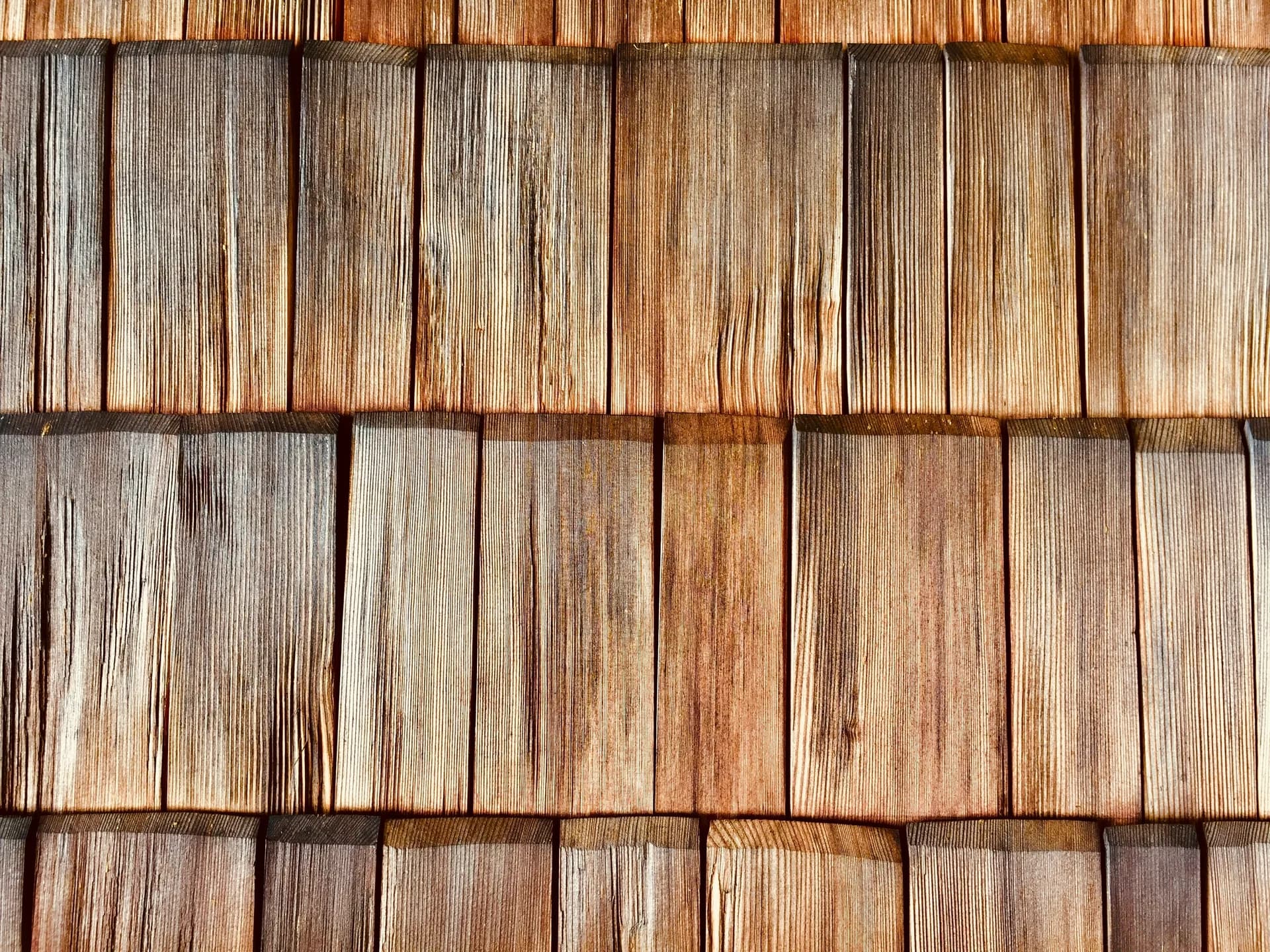
Clay and concrete tiles crack or shatter on impact with hail larger than one inch, leaving visible fracture lines and missing tile fragments in gutters. Wood shake roofs split along the grain when struck by hail, though distinguishing hail damage from age-related splitting requires experience. Inspectors often check metal roof components like vents, flashing, and HVAC units to confirm hail size when shingle damage is ambiguous.
Impact-resistant shingles rated Class 4 under UL 2218 testing resist bruising from hail up to two inches in diameter. These shingles cost 10–20% more than standard products but qualify for insurance discounts in most Arkansas counties and reduce the likelihood of total replacement after moderate hail events.
What Documentation Do You Need for an Arkansas Hail Damage Insurance Claim?
Insurance carriers require dated photographs of the damage, the inspection report with damage density calculations, and verification of the hail event date and location from National Weather Service storm reports. Most Arkansas carriers ask for photos showing both close-up shingle bruising and wide-angle shots establishing the damage location on the roof. GPS-tagged images strengthen claims by proving the damage exists at your specific address.
You need your policy declarations page showing your wind and hail coverage limits, deductible amount, and any endorsements for roof surface depreciation. Arkansas insurance policies typically cover full replacement cost for roofs under 10 years old and apply depreciation schedules for older roofs, reducing payout by 5–10% per year after the first decade. Check whether your policy includes an actual cash value or replacement cost valuation method before filing.
Some carriers send their own adjusters within 5–10 business days of claim filing, while others authorize third-party adjusting firms during high-volume claim periods after widespread hail events. Keep copies of all correspondence, inspection reports, and contractor estimates organized in a single file. Arkansas law requires carriers to acknowledge claims within 10 days and approve or deny within 30 days of receiving all required documentation.
How Do You Choose a Qualified Roof Inspector in Arkansas?
Look for inspectors certified by HAAG Engineering or the National Roofing Contractors Association, which provide training in hail damage assessment and forensic roof analysis. HAAG certification requires passing a multi-day course and field examination, and certified inspectors carry credentials verifiable through the HAAG website. Arkansas does not require state-level roofing contractor licensing, so verify credentials at the municipal level where the work occurs.
Ask whether the inspector carries errors and omissions insurance, which protects you if their damage assessment is later disputed by your carrier or proves inaccurate. Request sample inspection reports before hiring to confirm the level of detail and documentation quality. Strong reports include damage density calculations, photographs with annotations, and clear repair versus replacement recommendations based on industry standards.
Avoid inspectors who guarantee claim approval, promise to waive your deductible, or pressure you to sign a contractor agreement before completing the inspection. These are common patterns in storm-chasing operations that move through Arkansas after severe weather, and they often lead to disputes with insurance carriers or substandard repair work.