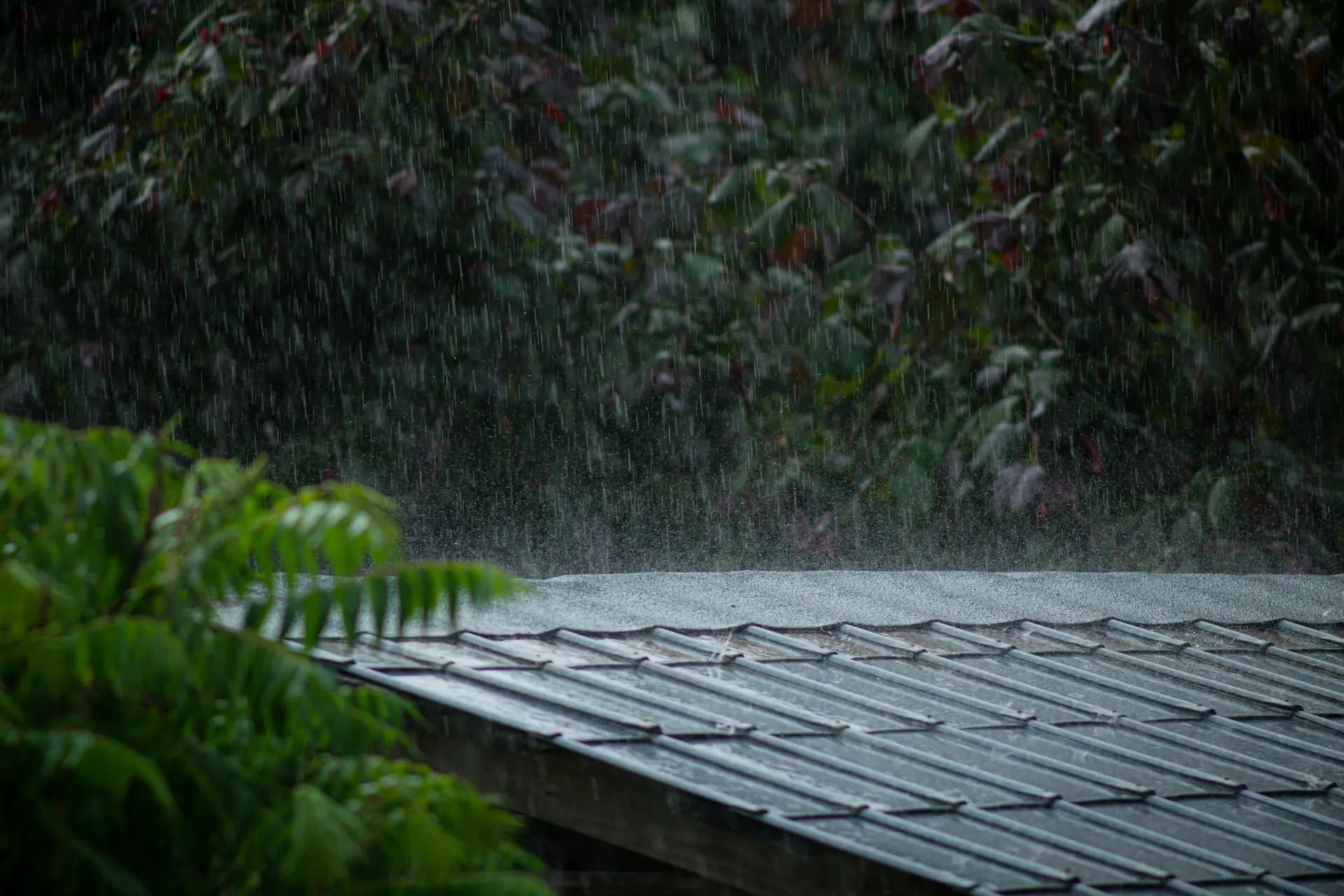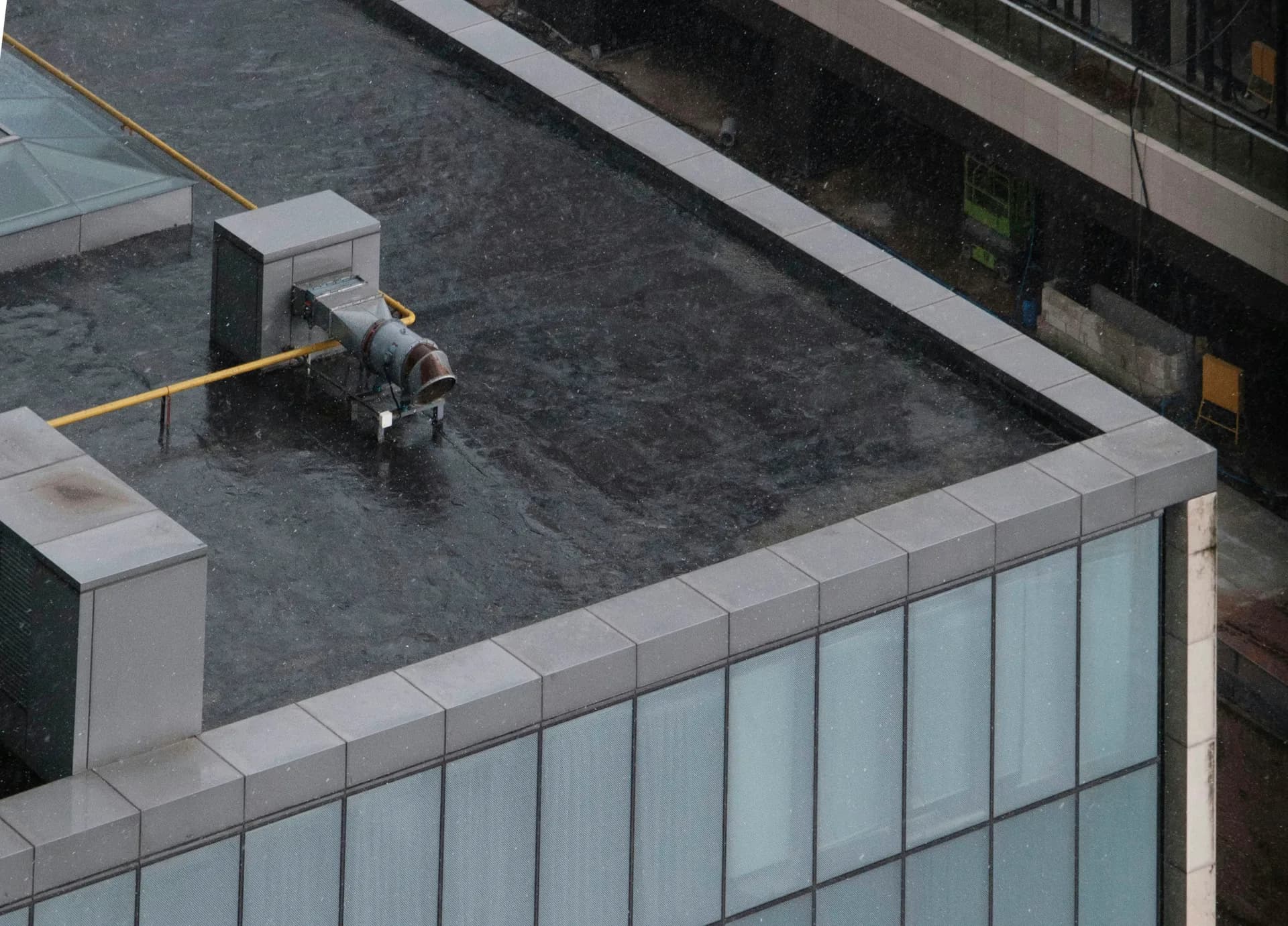
What Are the Primary Signs of Hail Damage on an Indiana Roof?
Hail impact creates circular bruises on asphalt shingles where granules compress into the mat without immediately puncturing through. These bruises appear as dark spots roughly the diameter of the hailstone, typically ranging from half-inch to golf-ball size in Indiana's most damaging storms. Granule loss accelerates around impact points, leaving exposed asphalt vulnerable to UV degradation within one to two seasons.
Metal components show different damage patterns. Roof vents, flashing, and drip edges display visible dents that indicate hail size and impact force. Gutters and downspouts collect displaced granules after storms, often the first clue homeowners notice before climbing for a closer look.
Wood shake and architectural shingles split or crack along edges when struck at angles. Older roofs with existing wear show amplified damage because hail exploits brittleness from prior sun exposure. A 10-year-old roof in Fort Wayne sustains more severe damage from identical hail than a 2-year-old roof in the same neighborhood.
When Should You Schedule a Professional Inspection After a Storm?
Schedule an inspection within 7–14 days of a confirmed hail event in your county. Insurance carriers in Indiana typically allow claims within one year of documented storm dates, but waiting months reduces your ability to correlate specific damage to specific storms when multiple events occur in one season. Contractors experienced with Indiana storm patterns can distinguish fresh hail bruising from older wind damage or wear.
Immediate inspections catch progressive damage before it worsens. A shingle bruise from May hail allows water infiltration by August if left unaddressed, turning a covered insurance repair into a denied claim for deferred maintenance. Counties along the I-65 corridor from Indianapolis to Gary see the highest hail frequency, making post-storm inspection a seasonal routine for diligent homeowners.
Don't wait for visible leaks. Interior water stains indicate advanced failure, often requiring deck replacement in addition to shingles. Inspections during the dry period between storms give contractors time to document damage, file claims, and schedule replacement before the next weather system arrives.
What Does a Thorough Hail Damage Inspection Include?
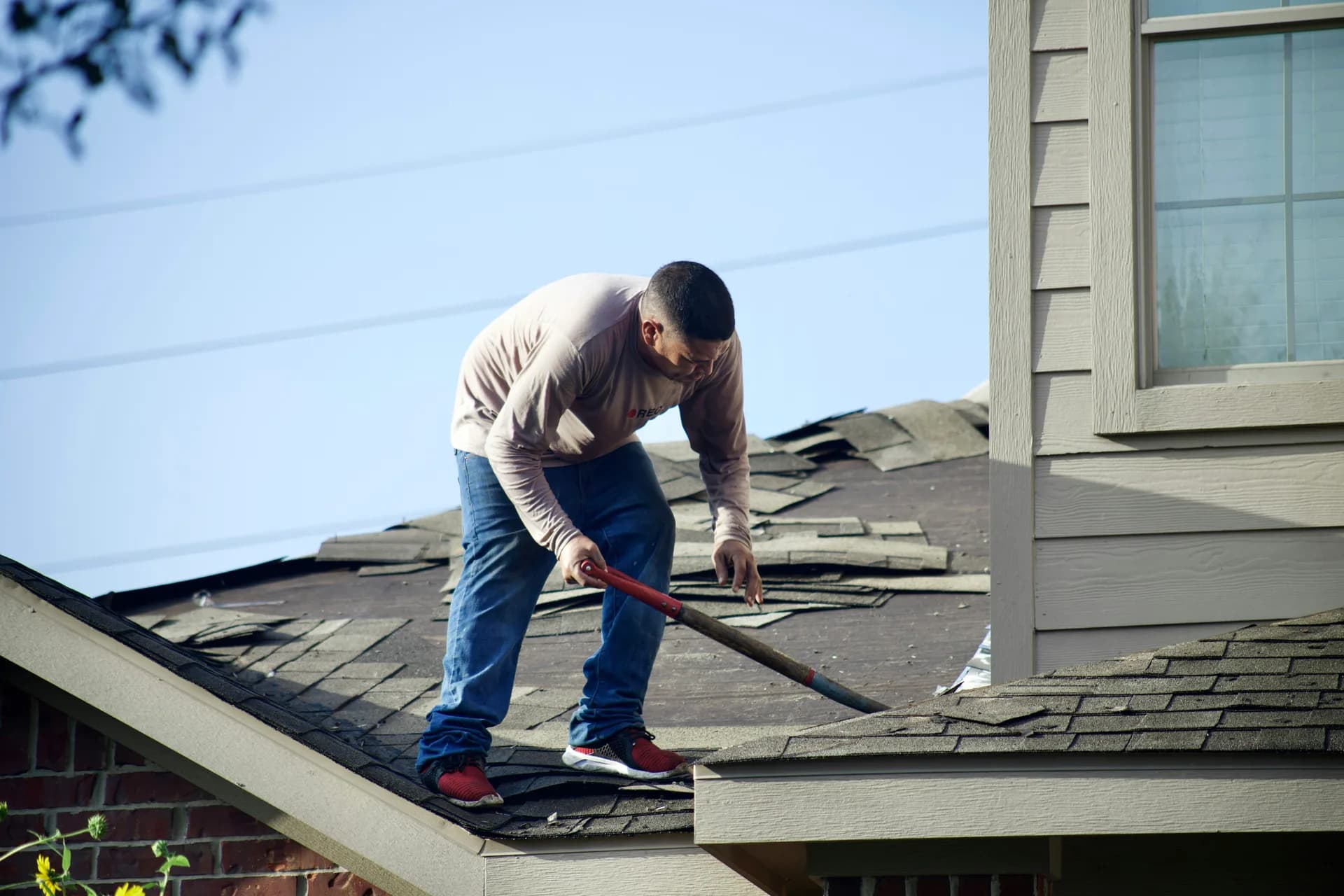
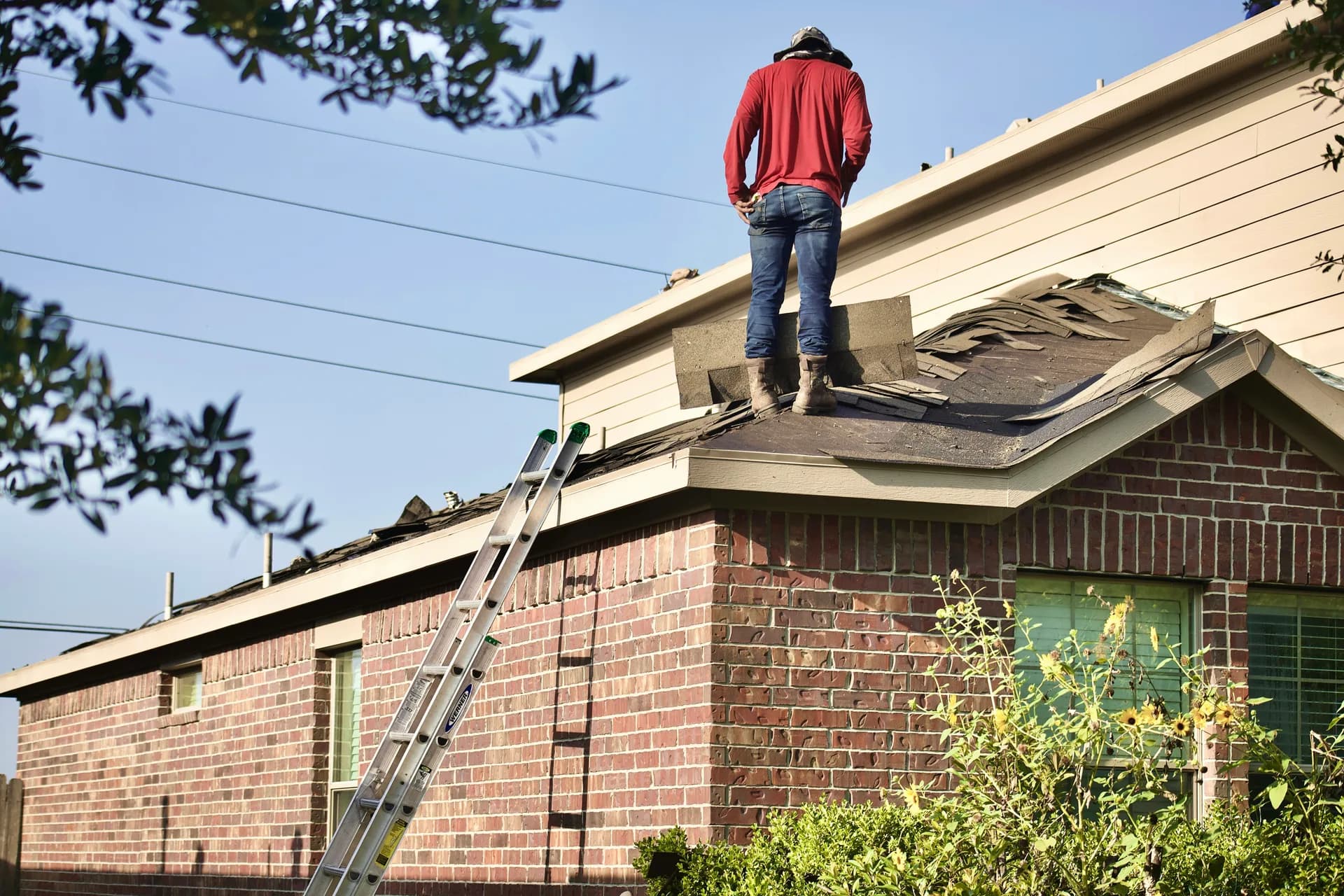
Licensed inspectors examine every roof plane from multiple angles, documenting impact density per 10x10 section. Indiana building standards don't mandate specific inspection protocols, but insurance adjusters expect photographic evidence showing at least 8–10 verifiable strikes per 100 square feet to justify full replacement rather than spot repair. Inspectors mark damage with chalk or digital overlays to create undisputable records.
Flashing inspection identifies compromised seals around chimneys, skylights, and vent pipes. Hail dents these thin metal barriers, creating immediate leak points that bypass shingle damage entirely. Ridge caps receive focused attention because their elevated position takes direct hits, and their three-dimensional profile makes them more vulnerable than field shingles.
Underlayment assessment requires lifting sample shingles in suspected impact zones. Hail can bruise through to synthetic or felt underlayment without leaving surface evidence, especially on impact-resistant shingles designed to absorb energy. Inspectors also check attic spaces for interior signs: water stains on decking, wetness around penetrations, or compressed insulation beneath known exterior damage points.
How Do Indiana Weather Patterns Affect Roof Inspection Priorities?
Indiana's position in Tornado Alley's eastern edge creates dual threats: rotating supercells dropping large hail and straight-line wind events that compound impact damage. Northern counties near South Bend and Fort Wayne average 4–6 hail days per year, while southern counties see 2–3 days but often with larger stone sizes from stronger updrafts. Inspectors familiar with regional patterns know which damage signatures match local storm types.
Spring and early summer storms between April and July account for 70% of Indiana's hail claims. This timing matters for inspection scheduling because contractors face peak demand, and insurance adjusters process hundreds of claims simultaneously. Homeowners who schedule inspections in the first week after a named storm event secure faster claim processing than those waiting until late summer.
Winter ice and freeze-thaw cycles worsen existing hail damage. A shingle bruised in June develops cracks by February as trapped moisture expands during freezes. Inspectors in Indiana assess not just current visible damage but projected failure points before the next winter, influencing repair-versus-replace recommendations that account for seasonal degradation timelines.
What Qualifications Should You Look for in a Roof Inspector?
HAAG Certified inspectors complete engineering-level training in storm damage assessment and provide reports insurance carriers accept without dispute. Indiana requires roofing contractors to hold municipal business licenses but imposes no state-level roofing credential, making third-party certifications the primary quality signal. Inspectors affiliated with manufacturers like GAF or CertainTeed access proprietary damage assessment tools and direct claim support.
Experience with Indiana-specific claim processes separates competent inspectors from generic contractors. Adjusters for State Farm, Nationwide, and Indiana Farm Bureau follow different documentation standards, and inspectors who regularly work with these carriers know exactly what evidence each requires. Request references from claims completed in your county within the past 12 months.
Avoid inspectors who quote replacement costs before completing the assessment or pressure immediate contracts. Legitimate inspections produce detailed reports with photo documentation, damage density maps, and scope recommendations without requiring signed agreements. Indiana consumer protection guidelines allow homeowners to use inspection reports from one contractor while hiring another for the actual work.
How Much Does Roof Replacement Cost After Hail Damage in Indiana?
Full asphalt shingle replacement on a typical 2,000-square-foot Indiana home ranges from $7,500 to $16,000 depending on pitch, accessibility, and material grade. Insurance coverage reduces out-of-pocket costs to the deductible amount, typically $1,000 to $2,500, when hail damage meets carrier thresholds for replacement rather than repair. Steep-pitch roofs in older Indianapolis neighborhoods cost 15–20% more due to safety equipment and labor intensity.
Impact-resistant shingles rated Class 4 add $1,200 to $2,500 to total project cost but qualify for insurance premium discounts of 10–35% annually in high-hail counties. Over a 20-year shingle lifespan, the premium savings often exceed the upfront material cost. Northern Indiana counties with documented hail frequency above four events per year see the fastest payback on impact-resistant upgrades.
Permit fees in Indiana municipalities range from $50 to $200 for residential roof replacement, with most jurisdictions requiring permits only when complete tear-off occurs. Contractors include permit costs in total bids. Estimates based on available industry data; individual project costs vary by roof size, pitch, material, and regional labor rates.