What Does Hail Damage Actually Look Like on an Iowa Roof?
Hail damage shows up as circular bruises on asphalt shingles where the granule surface is fractured but the underlying mat may still be intact. You'll see random patterns of dents, not uniform wear, typically concentrated on slopes facing the storm direction. Larger hail, 1 inch or greater, creates visible divots you can feel by running your hand across the shingle surface.
Granule loss appears in gutters and downspouts after a hail event. Black asphalt substrate becomes visible where protective granules have been knocked off. This accelerates aging and reduces the shingle's ability to shed water properly.
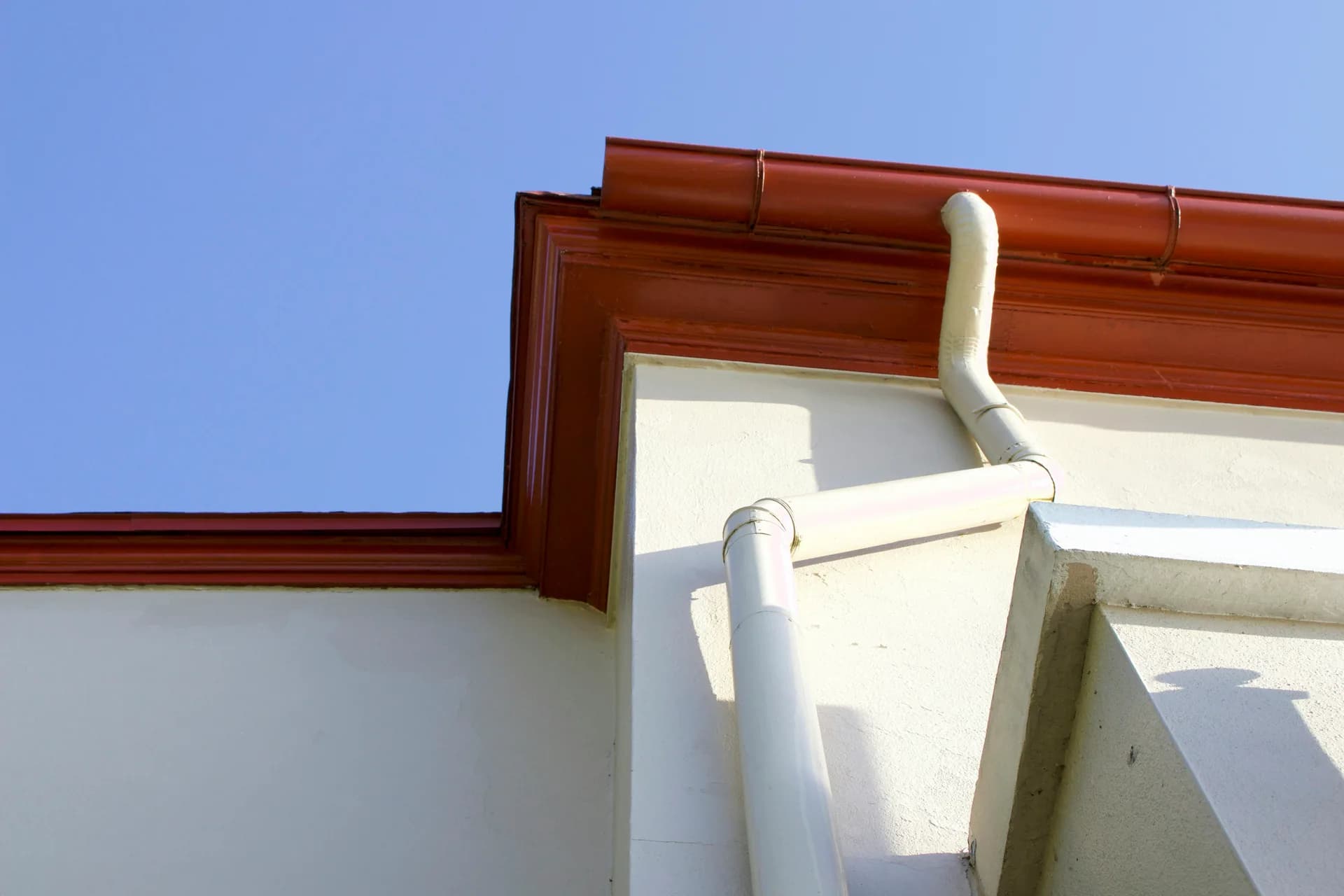
Metal components take obvious hits. Roof vents, flashing, gutters, and downspouts show dents that confirm hail size and intensity. These are the easiest indicators to spot during a ground-level inspection before climbing onto the roof.
When Should You Schedule a Hail Damage Inspection in Iowa?
Schedule an inspection within 72 hours of a confirmed hail event in your county. Insurance carriers in Iowa typically allow 1–2 years to file claims after a storm, but documenting damage early strengthens your claim and prevents disputes over whether damage is storm-related or age-related.
Iowa averages 3–5 significant hail events per year, concentrated April through August. The Quad Cities corridor, Des Moines metro, and Cedar Rapids area see the highest frequency. Check the National Weather Service's storm reports for your county to confirm hail size and impact area.
If you see your neighbors getting inspections or tarps after a storm, call a licensed contractor even if you don't see obvious damage from the ground. Hail bruising on shingles isn't always visible without close examination, and waiting allows minor damage to worsen through summer heat cycles.
What Do Professional Inspectors Check That Homeowners Miss?
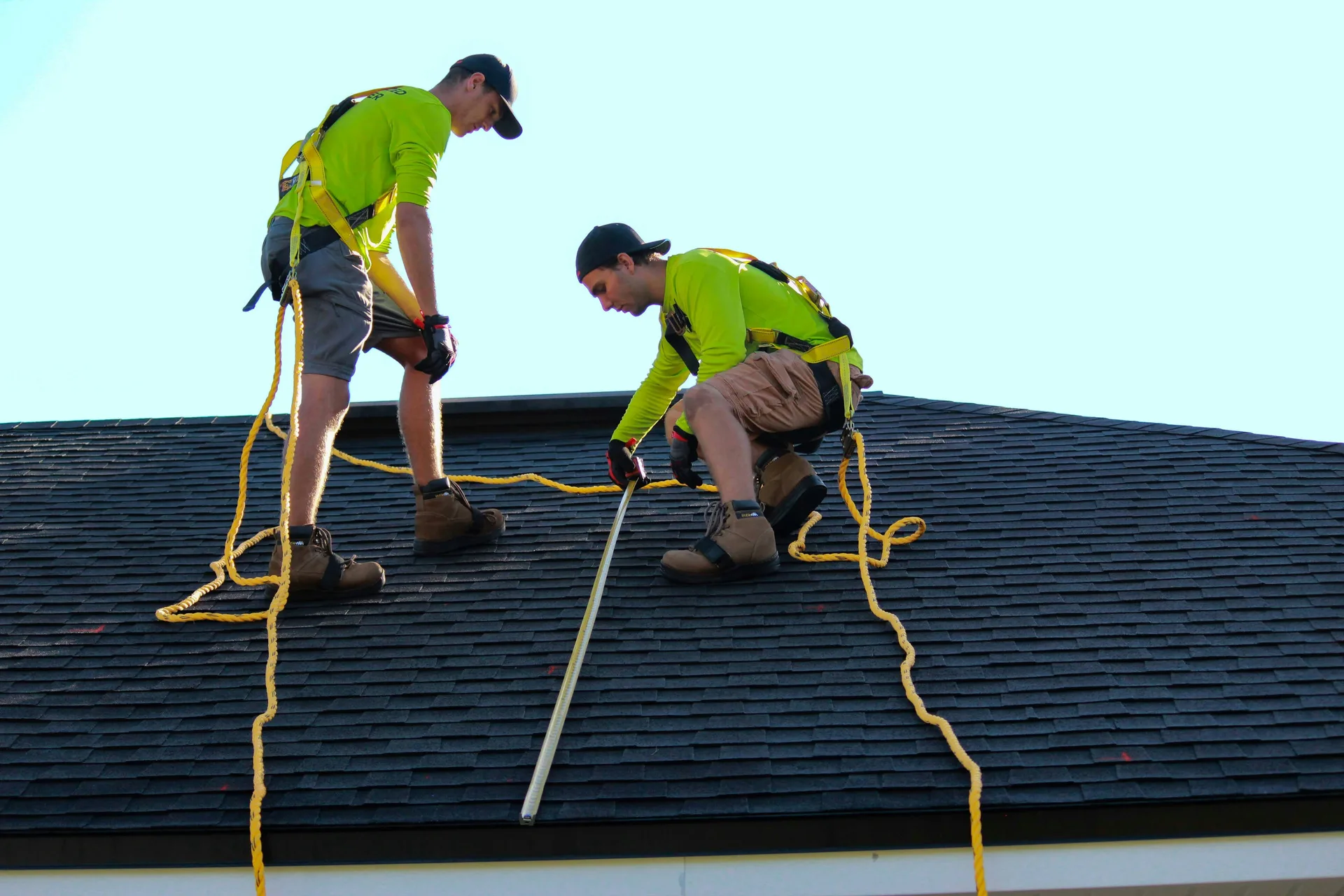
Inspectors test shingle integrity by pressing on suspected bruises to check for mat fractures beneath the surface. A bruised shingle feels soft or spongy compared to undamaged sections. This test reveals hidden damage that won't show in photos but will fail within 2–3 years.
Flashing around chimneys, skylights, and valleys gets close scrutiny. Hail dents on metal flashing can compromise seals and create leak points that don't appear until the next heavy rain. Inspectors document every compromised seal point with photos for insurance adjusters.
Underlayment inspection requires lifting shingles in damaged areas to check for tears or punctures. Iowa's freeze-thaw cycles make torn underlayment a serious problem, allowing water infiltration that leads to deck rot. Most homeowner inspections miss this entirely because it requires partial disassembly.
How Does Iowa Hail Damage Affect Roof Replacement Timing?
Documented hail damage triggers immediate replacement consideration because insurance coverage expires if you don't file within your policy window, typically 1–2 years in Iowa. Waiting past your claim deadline means paying out of pocket for a roof that's already compromised.
Bruised shingles fail faster in Iowa's temperature swings. Summer heat expands fractured asphalt, winter cold contracts it, and the cycle creates leaks within 18–36 months of the hail event. Replacing a hail-damaged roof before leaks start costs less than emergency repairs plus replacement later.
Contractor availability peaks in late spring and early fall. If a major hail event hits Des Moines or Cedar Rapids in May, expect 4–8 week lead times by June as crews book out. Scheduling your inspection and claim early puts you ahead of the surge.
What Should an Iowa Hail Damage Inspection Report Include?
A complete inspection report documents hail size based on impact measurements, the number of hits per 10x10 test square, and photos of damage on multiple roof slopes. Insurance adjusters in Iowa use the 8–10 hits per test square standard to approve full replacements versus partial repairs.
The report must include ground-level evidence: dented gutters, damaged siding, mailbox dents, or deck furniture impacts. This corroborates that hail affected your property, not just your roof, which strengthens claims when adjusters question whether damage is storm-related.
Material failure documentation matters for older roofs. If your roof is 15+ years old and shows hail damage, the inspector should note pre-existing wear versus fresh impacts. Iowa adjusters often depreciate payouts on older roofs, so clear documentation of what's new damage versus age-related wear protects your claim value.
How Do You Choose a Qualified Hail Damage Inspector in Iowa?
Look for HAAG Certified inspectors or contractors with documented storm restoration experience in Iowa. HAAG certification is the industry standard for identifying hail damage accurately, and certified inspectors produce reports insurance adjusters trust without requiring re-inspection.
Verify the contractor holds an active business license in your Iowa municipality and carries general liability and workers' compensation insurance. Des Moines, Cedar Rapids, and Davenport require city-level contractor registration. Storm chasers flooding the area after major events often skip local licensing.
Ask how many Iowa hail claims the contractor has worked in the past two years and request references from homeowners whose claims were approved. Contractors experienced with Iowa carriers know how Grinnell Mutual, FBL Financial, and State Farm handle hail claims differently, which affects how they document damage for maximum approval likelihood.