What Does Hail Damage Actually Look Like on a Michigan Roof?
Hail impact creates circular dents in asphalt shingles where the granule layer is crushed or missing, exposing the black substrate underneath. On metal flashing and vents, you'll see round dents similar to golf ball impacts. Wood shakes and cedar shingles show split edges and splintered corners where hailstones hit at angles.
Michigan hail events averaging 1 to 2 inches in diameter leave dents you can feel by running your hand across the shingle surface. Smaller hail under 1 inch may bruise the shingle mat without visible surface damage, shortening roof lifespan but not always triggering immediate replacement. Inspectors use this tactile test alongside visual checks because photos alone miss subsurface bruising.
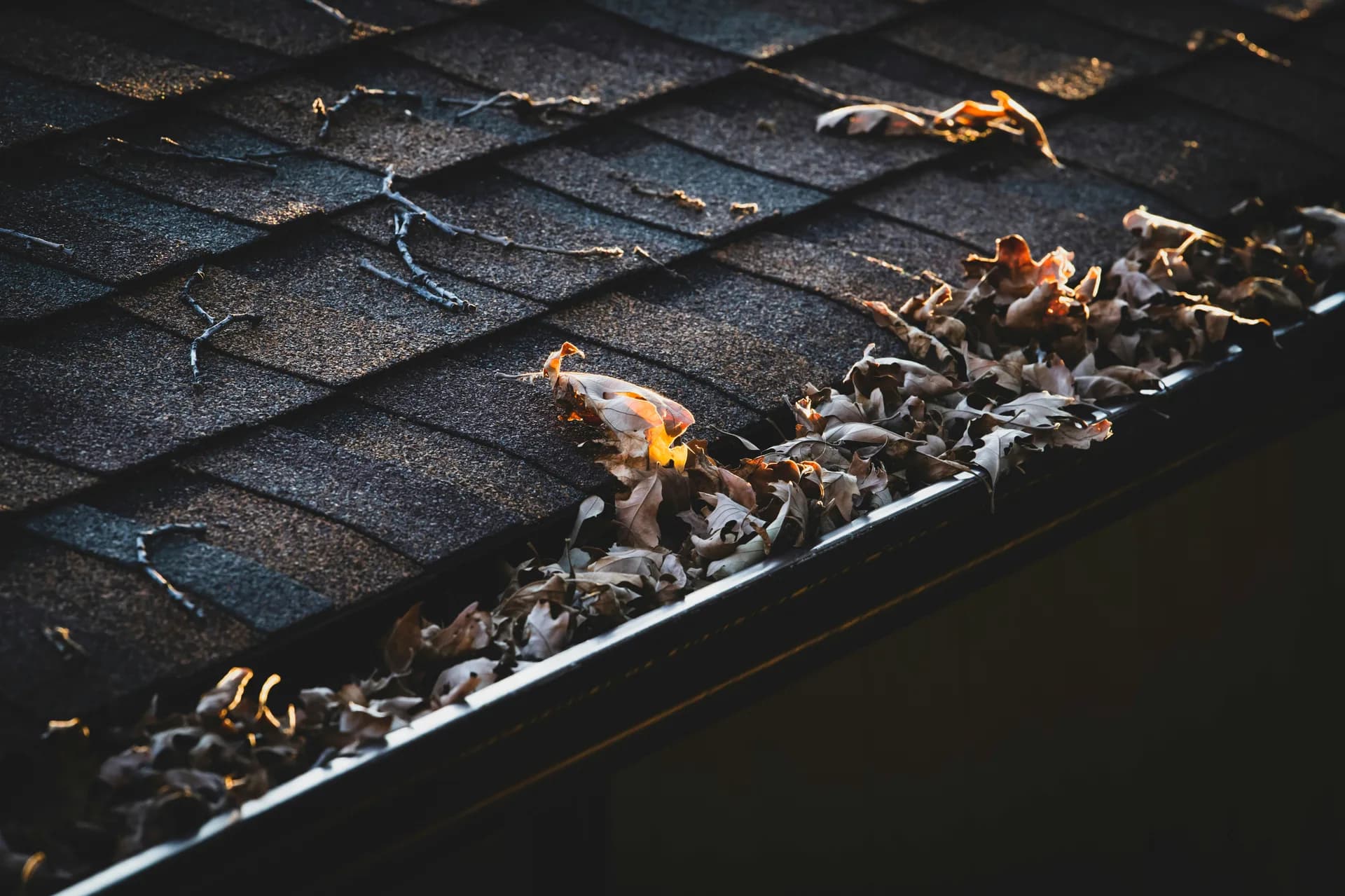
Gutters and downspouts collect displaced granules after a hail storm. If you see a layer of dark, sand-like material in your gutters within days of a storm, that's granule loss from impact points. Heavy granule shedding indicates the protective layer is compromised across multiple shingles.
Which Roof Components Do Inspectors Check for Hail Damage?
Inspectors start with shingles on south and west-facing slopes where Michigan's prevailing storm winds drive hail at steeper angles. They mark impact density per 10x10 foot test square, looking for 8 to 10 hits or more in that area as the threshold for functional damage. Ridge caps, hip shingles, and valley flashing receive close attention because these zones take direct vertical strikes.
Vents, skylights, and chimney flashing are secondary checkpoints. Aluminum and galvanized steel vents dent easily and serve as hail markers even when shingle damage is borderline. Inspectors photograph dented vents to establish storm intensity for insurance documentation.
Underlayment and decking come last, checked only if shingle damage is severe enough to suggest punctures. Most Michigan hail events damage the top layer without penetrating to the felt or wood below, but storms producing 2-inch hail or larger warrant attic inspection for water stains on roof decking.
When Should You Schedule a Hail Damage Inspection in Michigan?
Schedule an inspection within 7 to 14 days after a confirmed hail event in your county. Michigan homeowners insurance policies typically allow 1 year from the date of loss to file a claim, but waiting months lets secondary damage like moisture infiltration complicate the claim review. Early documentation separates storm damage from pre-existing wear.
Michigan's peak hail season runs May through August, with southeast counties around Detroit and Ann Arbor seeing 3 to 5 hail days per year on average. If your area experienced a severe thunderstorm warning with hail reports, inspect your roof even if you didn't hear impacts. Hail falling during heavy rain makes less noise and homeowners often miss the event entirely.
Re-inspect 30 days after the first check if your initial inspection showed borderline damage. Some shingle bruising becomes visible only after a few rain cycles expose the weakened mat layer.
What Tools and Methods Do Professional Inspectors Use?
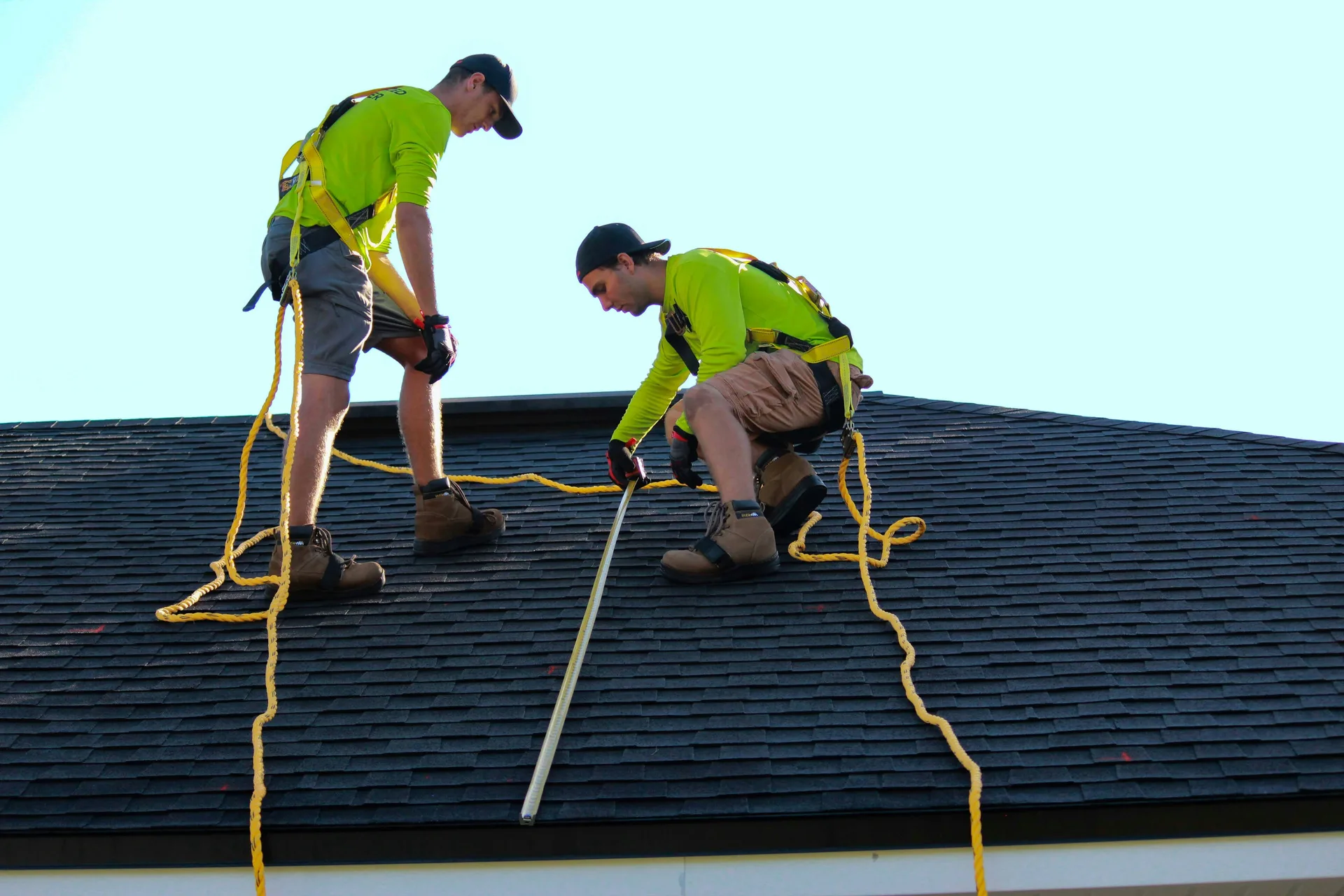
Licensed inspectors use ladders to access the roof surface directly rather than relying on drone photos or ground-level binoculars. They carry chalk or washable markers to circle damage zones, tape measures to size dent diameters, and cameras with macro lenses to document granule displacement at impact points. Walk patterns follow a grid to ensure full coverage of each slope.
HAAG Certified inspectors trained in forensic storm damage analysis can distinguish hail dents from mechanical damage like foot traffic or fallen branches. They measure dent depth with calipers and check for radial cracking around impact points, patterns specific to ice sphere strikes. This level of detail matters when insurance adjusters question the damage source.
Infrared cameras detect moisture intrusion under shingles where hail punctured the surface but left minimal visible marking. Michigan's freeze-thaw cycles after spring hail storms accelerate water infiltration through hairline cracks, making thermal imaging useful for borderline cases where underlayment integrity is uncertain.
How Much Does a Hail Damage Roof Inspection Cost in Michigan?
Most Michigan roofing contractors offer free hail damage inspections if you're considering roof replacement with their company. Independent inspections from certified firms not tied to a contractor run $300 to $500 for a detailed report with photos, measurements, and a written assessment your insurance carrier will accept. Paying for an independent inspection makes sense if you need leverage in a claim dispute or want a second opinion before committing to a contractor.
Some Michigan homeowners hire public adjusters who charge 5% to 15% of the final insurance settlement and include the roof inspection as part of their claim advocacy. This option works when damage is extensive and the claim value exceeds $15,000, but adds cost to smaller repair claims. Review your deductible and estimated replacement cost before deciding whether a public adjuster's fee is justified.
Estimates based on available industry data; individual inspection costs vary by roof size, accessibility, and report detail level.
What Should You Do Immediately After Finding Hail Damage?
Document the damage with ground-level photos showing your home address, close-ups of dented shingles, and wide shots of each roof slope before any contractor touches the roof. Take pictures of granules in gutters and any dented vents or flashing. This photo set establishes the pre-inspection condition and prevents disputes if a contractor's access causes additional damage.
Contact your insurance carrier to open a claim and request an adjuster inspection. Michigan insurers typically schedule adjusters within 7 to 10 business days of a claim filing, faster after widespread storm events when multiple claims hit the same county. Don't sign a contractor agreement or allow roof work to start before your adjuster completes their inspection, or you risk claim denial for altering the loss scene.
Get at least two inspection opinions from licensed Michigan roofing contractors before selecting a replacement provider. Compare their damage assessments, check for NRCA membership or manufacturer certifications like GAF Master Elite, and verify they carry general liability and workers' compensation insurance through Michigan's Department of Insurance and Financial Services.