What Does Hail Damage Actually Look Like on Mississippi Roofs?
Hail damage on asphalt shingle roofs appears as circular bruises where hailstones compress the shingle mat and displace granules, exposing the underlying asphalt layer to UV degradation. In Mississippi's humid subtropical climate, this exposed asphalt accelerates shingle aging by 3–5 years compared to intact granule coverage. Bruising diameter correlates to hailstone size: one-inch hail creates dime-sized marks, while golf-ball-sized hail (common in spring severe weather outbreaks) produces quarter- to half-dollar-sized divots.
Inspectors check south-facing and west-facing slopes first because afternoon storm angles drive hail into these surfaces with greater force. Wind-driven hail creates asymmetric damage patterns, with one roof slope showing severe bruising while another remains intact. Metal roof components like vents, flashing, and HVAC units show denting that confirms hail size when shingle damage is ambiguous.
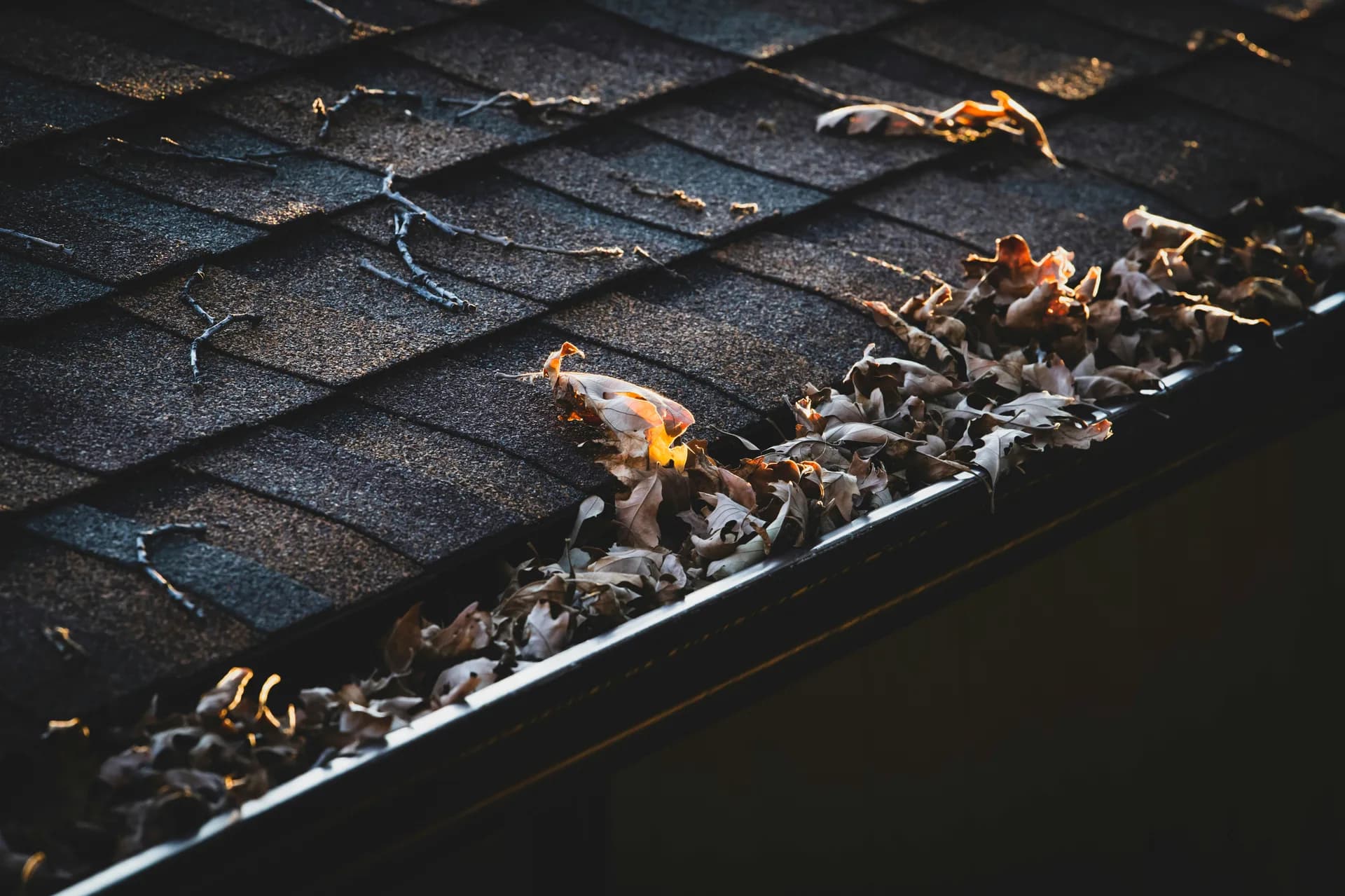
Granule accumulation in gutters and downspouts indicates active granule loss, but timing matters. Fresh granule piles after a confirmed hail date suggest impact damage; older accumulation may reflect normal aging. Inspectors photograph both thebruising and the granule loss, creating documentation insurance carriers require for claim approval.
Which Parts of the Roof System Need Inspection After Hail?
Comprehensive hail inspections in Mississippi cover seven distinct roof components: primary shingle field, ridge caps, starter strips, pipe boot seals, turbine vents, soffit vents, and gutter systems. Ridge caps sustain damage at twice the rate of field shingles because they sit higher and absorb direct hailstone strikes without deflection. Cracked or fractured ridge caps allow water penetration into the ridge board, creating leak points that appear inside the home weeks after the storm.
Pipe boot seals around plumbing vents crack when hail strikes the rubber collar, and these failures produce ceiling stains in bathrooms and kitchens within one to two rain cycles. Inspectors test boot flexibility by hand, checking for brittleness that indicates replacement need. Turbine vents and box vents show visible denting on metal surfaces, and bent louvers reduce attic ventilation efficiency by 20–40%, increasing summer cooling costs.
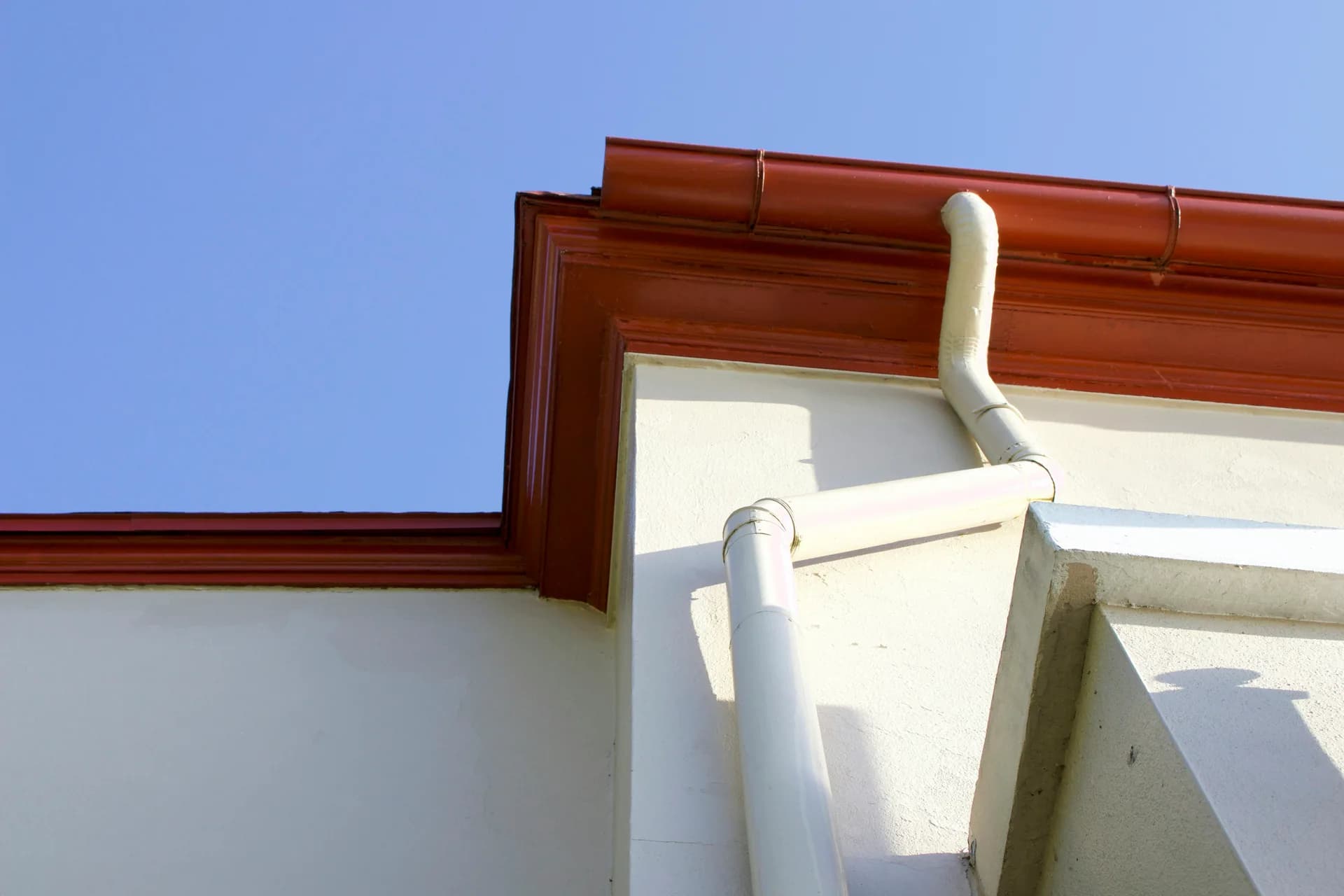
Gutters and downspouts bent by hail create drainage failures that direct water against fascia boards and foundation perimeters. Inspectors measure gutter slope after hail events because even slight gradient changes cause standing water that breeds mosquitoes and degrades gutter liners. Mississippi's hurricane season compounds hail damage when August and September rains test compromised roof systems before replacement happens.
How Do Inspectors Differentiate Hail Damage from Normal Wear?
Inspectors use impact pattern analysis to separate hail damage from aging or wind wear. Hail creates random circular bruises across the roof surface with no directional pattern, while wind damage produces linear tears along shingle edges and missing tab sections clustered on specific slopes. Aging shows as uniform granule loss across all shingles with color fading, not the localized asphalt exposure hail produces.
Mississippi's high humidity accelerates algae growth on north-facing slopes, creating black streaks homeowners sometimes mistake for storm damage. Algae appears as organic staining without granule displacement or mat compression, and it wipes off during inspection while hail bruising remains permanent. Inspectors document shingle manufacturing dates using lot codes printed on packaging found in attics or garages, establishing the roof's age and expected remaining lifespan.
Core samples taken from damaged shingles reveal mat compression depth under magnification. Insurance adjusters compare these samples to control shingles from undamaged sections, measuring the difference in mat thickness. Compression exceeding 15% of original thickness qualifies as impact damage under most carrier standards, triggering claim approval for affected roof sections or full replacement depending on damage distribution.
What Documentation Should Homeowners Collect Before the Inspector Arrives?
Homeowners should photograph visible ground-level damage to gutters, siding, and outdoor equipment within 48 hours of confirmed hail events, creating timestamped evidence that supports the roof inspection findings. Close-up images of dented AC units, pocked vinyl siding, and damaged window screens establish hailstone size and storm severity before contractors or adjusters arrive. Mississippi's frequent spring and early summer hail means multiple storms may occur between damage discovery and inspection, so dating evidence to the specific event matters.
Property insurance declarations pages showing current coverage limits and deductibles help inspectors frame replacement cost estimates during the visit. Mississippi homeowners carry actual cash value policies at higher rates than neighboring states, and these policies depreciate roof age when calculating payouts. Knowing your policy type before inspection lets you ask relevant questions about out-of-pocket costs during the assessment.
Previous roof installation records with contractor names, material specifications, and warranty documents establish the existing roof's age and remaining manufacturer coverage. Roofs under ten years old with transferable warranties may qualify for manufacturer-covered replacement if hail damage meets warranty terms. Inspectors check warranty status during assessment because it affects whether the claim routes through insurance, manufacturer coverage, or hybrid funding.
When Does Hail Damage Require Replacement Instead of Repair?
Insurance carriers in Mississippi mandate full roof replacement when hail damage affects more than 30–40% of any single roof slope, measured by bruised shingle count or square footage of compromised area. Partial repairs on slopes exceeding this threshold create mismatched shingle appearance because manufacturing dye lots change every 8–12 months, making new shingles visibly different from undamaged sections. Most homeowners choose replacement over patchwork aesthetics when insurance covers the work.
Structural damage to roof decking from hail-driven water intrusion triggers automatic replacement regardless of shingle damage percentage. Inspectors probe decking through attic access points, checking for soft spots, mold growth, and water staining on sheathing panels. Mississippi's humidity accelerates mold colonization on wet decking, with visible growth appearing 72–96 hours after water exposure. Once decking requires replacement, carriers approve tearing off all shingles to access compromised panels.
Roof age interacts with damage severity in replacement decisions. Roofs over 15 years old with 20% hail damage typically get approved for replacement because repairing aging shingles extends a roof already near end-of-life by only 2–4 years. Inspectors note manufacturing date, current condition, and remaining expected lifespan in reports, giving adjusters the data needed to justify replacement over repair on borderline claims.
How Long Should Homeowners Wait Between Storm and Inspection?
Schedule inspections 3–7 days after confirmed hail events to allow temporary roof stress indicators like displaced granules to stabilize while avoiding the multi-week contractor backlog that follows major storms. Mississippi's spring severe weather season produces regional hail swaths affecting 10–20 counties simultaneously, and contractor availability drops to 4–6 week lead times within 72 hours of widespread events. Early scheduling secures inspection slots before the queue fills.
Waiting longer than 30 days after hail allows secondary damage from compromised shingles to develop, and insurance carriers sometimes dispute whether subsequent leaks resulted from the original hail event or delayed maintenance. Inspectors note examination dates in reports, and gaps exceeding 45 days between storm date and inspection invite carrier scrutiny. Mississippi's April through June hail season means homeowners should monitor weather reports and act within the first week after confirmed events.
Winter hail events require faster inspection timelines because freezing temperatures following damage cause water intrusion through bruised shingles to freeze and expand, cracking roof decking. Mississippi sees ice-producing winter storms every 2–3 years, and these create compounding damage when homeowners delay assessment. Inspectors prioritize winter hail calls because structural damage accelerates in freeze-thaw cycles.