What Does Hail Damage Actually Look Like on a Montana Roof?
Hail damage on asphalt shingles appears as circular bruises where the impact compressed the mat and displaced granules, exposing the underlying asphalt to UV degradation. You'll see dents with dark centers surrounded by lighter halos where protective granules were knocked loose. On metal roofs, hail creates dime-sized to quarter-sized dents that don't always penetrate but can compromise protective coatings.
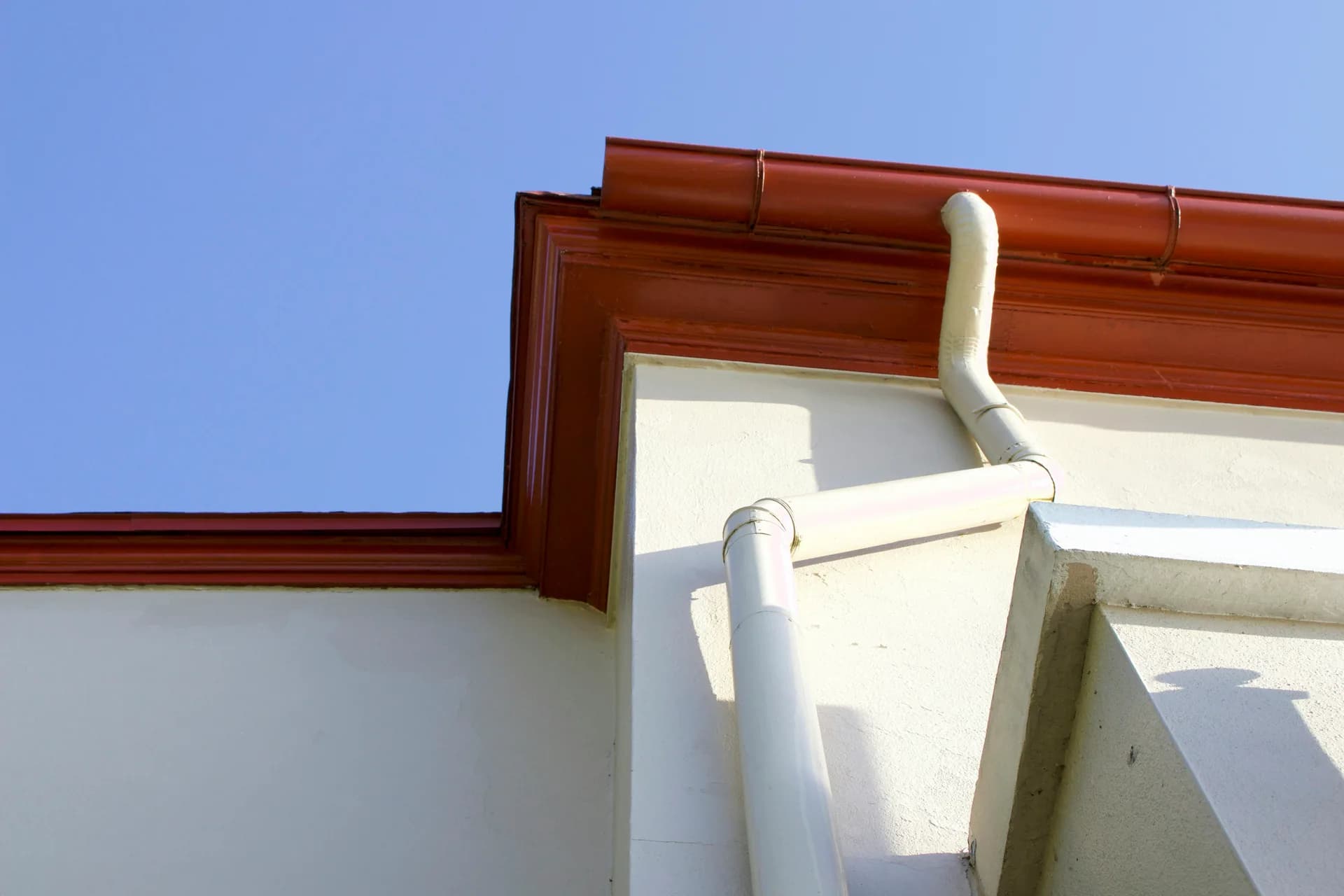
Flashing around chimneys, vents, and skylights shows cracking or creasing from direct strikes. Soft metal components like ridge caps, drip edges, and gutter systems dent visibly. Check downspouts and gutters for accumulated granules, a reliable indicator that shingle surfaces took repeated hits during the storm.
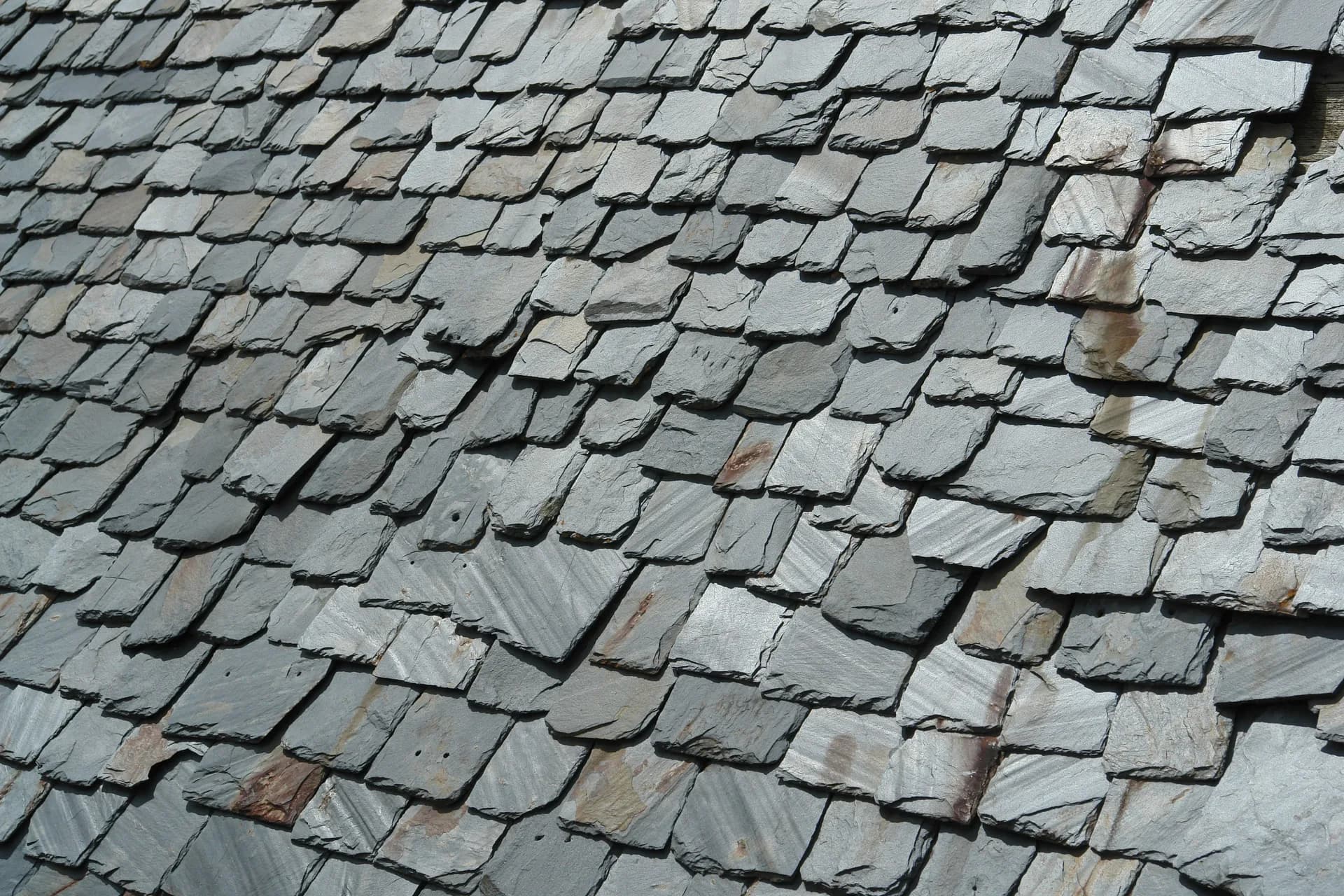
Wood shake roofs split along the grain where hail fractured the fibers. Clay and concrete tile roofs crack or shatter on impact, though damage may not be visible from ground level without walking the roof. The size of hail matters: stones over one inch in diameter cause the most structural damage, while smaller hail primarily accelerates granule loss and shortens remaining roof life.
Why Ground-Level Inspection Misses Most Hail Damage
Hail bruising on shingles doesn't create holes or immediate leaks, so damage remains invisible from the ground until secondary problems develop months later. The asphalt mat compresses on impact, weakening the shingle's structure without breaking through the surface layer. By the time water intrusion or curling becomes visible, UV exposure has degraded the compromised areas and spread damage beyond the original strike points.
Roof pitch and viewing angle hide impact patterns. A 6/12 or steeper pitch prevents you from seeing the upper roof plane where hail strikes concentrate. Shadows, dirt accumulation, and algae growth obscure the subtle color variation that marks impact sites.
Professional inspectors walk the roof to check sealant bond integrity, a critical failure point after hail exposure. Impacts break the adhesive seal between shingle layers, allowing wind to lift edges and moisture to infiltrate. These bond failures don't show up in photos or binocular scans but directly determine whether your roof survives the next wind event.
What a Professional Hail Damage Inspection Includes
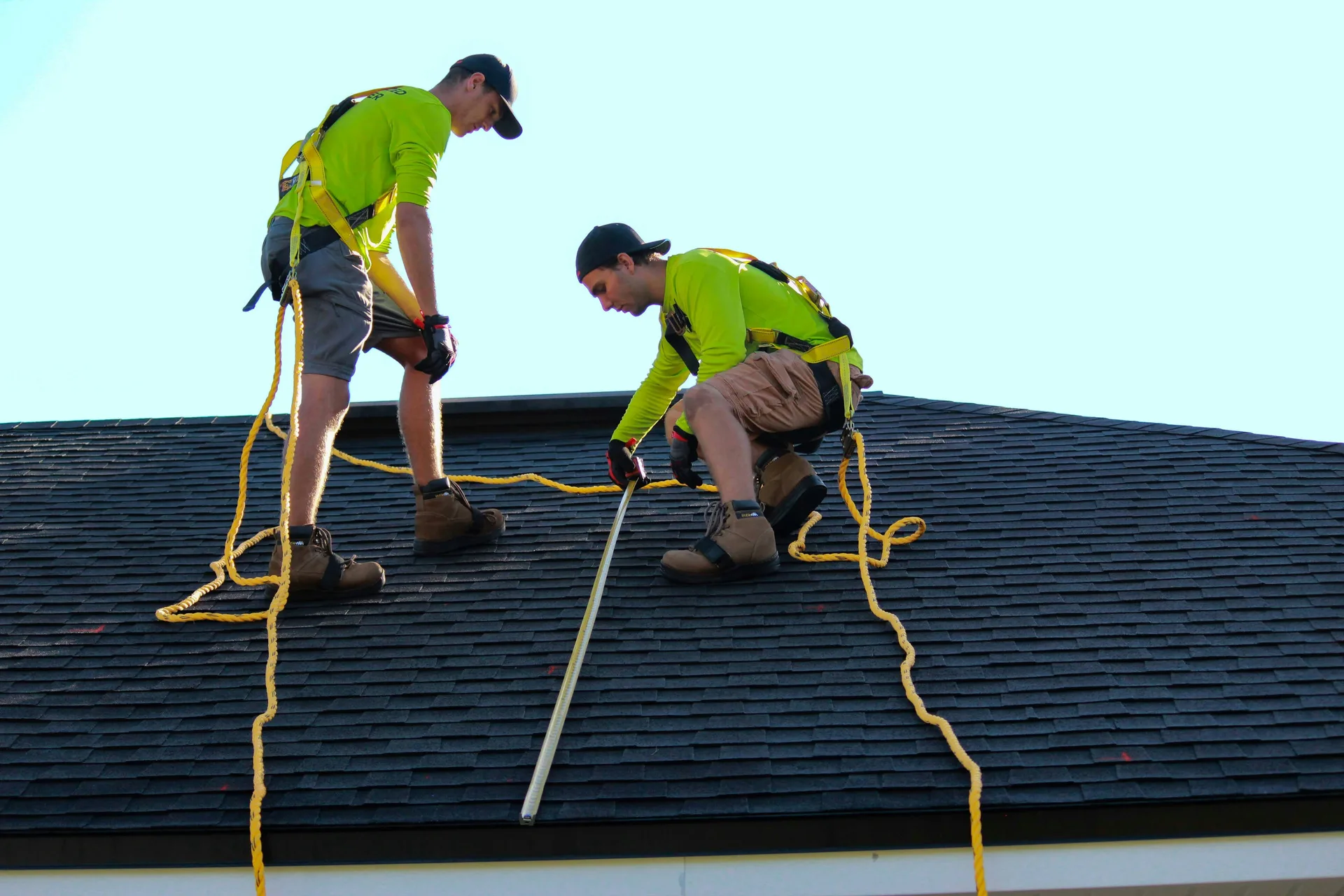
A complete hail damage inspection in Montana costs $150 to $400 and includes a roof walk to document strike density, granule displacement patterns, and structural integrity of flashings and penetrations. The inspector photographs each damaged area with measurement references, notes shingle age and pre-existing wear, and maps damage distribution across roof planes. This documentation becomes the foundation for your insurance claim.
Inspectors check attic spaces for interior impact evidence: drywall cracks near roof penetrations, insulation displacement, and moisture staining that indicates compromised underlayment. They test sealant bonds by lifting shingle edges to verify adhesion failure. Gutters, downspouts, and soffit vents get examined for impact dents that corroborate roof damage timing.
The final report quantifies damage using insurance industry standards: strikes per 10x10 section, percentage of granule loss, and remaining service life estimate. Inspectors certified by HAAG Engineering or similar bodies provide reports that carriers accept without requiring secondary verification. Expect the process to take 45 to 90 minutes for a typical residential roof.
When Hail Damage Requires Replacement Instead of Repair
Replacement makes sense when hail strikes cover more than 30 percent of any roof plane or when your roof already has 15-plus years of service before the storm. Insurers typically total a roof when repair costs exceed 40 percent of replacement value, but the decision also factors in remaining service life and whether partial repairs leave you with mismatched shingle lots that void manufacturer warranties.
Severe hail events in Montana—like the July 2021 storm that dropped baseball-sized hail across Gallatin and Park counties—cause widespread granule loss that accelerates aging across the entire roof surface. Even if only 25 percent of shingles show visible bruising, UV exposure through compromised granule layers degrades the full roof faster than normal wear patterns. Replacing the whole roof restores uniform protection and resets your warranty clock.
Age matters more than damage density for older roofs. A 20-year-old roof with moderate hail damage has minimal remaining service life even without storm impact. Patching it extends function by two to four years but leaves you facing replacement costs again soon. Full replacement after a qualifying hail event lets insurance cover work you'd pay out-of-pocket for within the next replacement cycle.
How Montana's Hail Patterns Affect Inspection Timing
Montana sees peak hail activity from May through August, with the highest frequency along the eastern plains and in mountain valleys where afternoon convective storms concentrate. Cascade, Yellowstone, Gallatin, and Flathead counties report the most frequent severe hail days, averaging 3 to 7 events per year with stones exceeding one inch diameter. Schedule inspections within two to four weeks after a confirmed hail event to document damage before secondary wear obscures impact evidence.
Insurance claim deadlines vary by carrier, but most Montana policies require damage reporting within one year of the loss date. Waiting six months makes it harder to prove storm timing, especially if your roof experiences multiple weather events between the hail strike and your inspection. Carriers dispute claims when they can't definitively link damage to a specific date.
Fall inspections before snow cover allow contractors to assess damage and plan spring replacement projects. Montana's short construction season—typically late April through October—means scheduling replacement work immediately after winter thaw. Inspecting in September or October gives you time to file claims, receive adjuster visits, and lock in contractor schedules before the spring rush.
What to Ask Before Hiring a Hail Damage Inspector in Montana
Ask whether the inspector holds HAAG Certified Inspector credentials or equivalent third-party certification recognized by insurance carriers. Certified inspectors complete standardized training in damage assessment methodology, which makes their reports more credible during claims disputes. Verify that the inspection includes a written report with photos, damage density maps, and remaining service life estimates rather than just verbal assessment.
Confirm the inspector's relationship with roofing contractors. Independent inspectors who don't bid replacement work provide unbiased damage assessments, while contractor-employed inspectors may overstate damage to secure project contracts. If you hire a contractor who offers free inspections, understand that the inspection serves as a sales tool and get a second opinion before committing to replacement.
Request references from recent Montana hail damage inspections and ask how many inspections the individual completed in the last year. Experience with local storm patterns and familiarity with regional insurance adjusters matter more than national credentials. Inspectors who regularly work in your county know which carriers require supplemental documentation and which damage thresholds trigger automatic replacement approvals.