What Hail Damage Patterns Do Nebraska Roof Inspectors Prioritize?
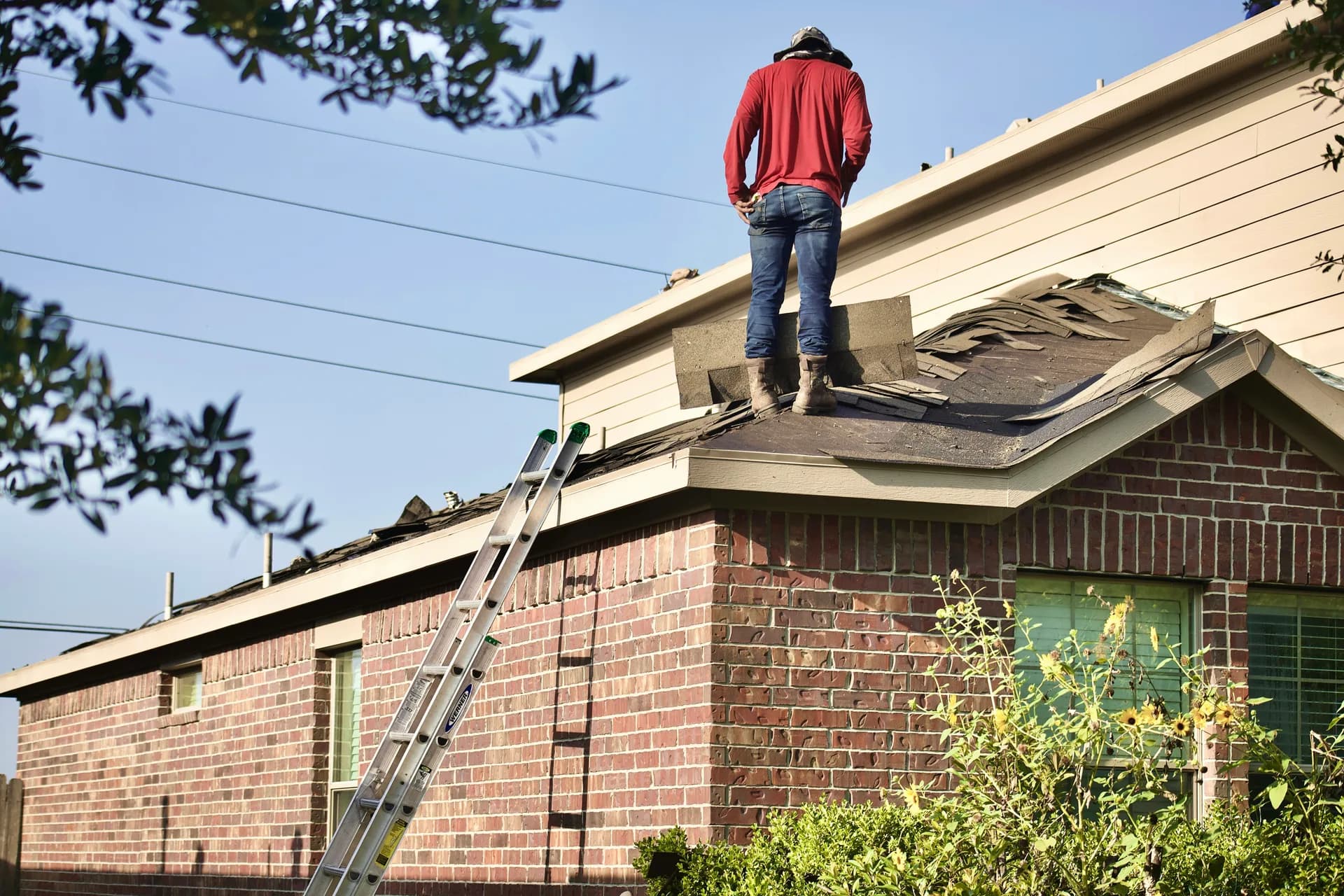
Inspectors focus on three critical damage patterns: bruising on asphalt shingle surfaces where hail compressed the mat without puncturing it, fractured sealant strips along shingle edges that allow wind-driven rain penetration, and circular impact craters in soft metal components like roof vents and drip edges. Bruising appears as dark spots with exposed asphalt where granules dislodged on impact, typically concentrated on slopes facing prevailing storm direction. Each bruise weakens the shingle's UV resistance and waterproofing capacity.
Eastern Nebraska counties including Douglas, Lancaster, and Sarpy record the highest hail frequency, with storms producing 1.5–2 inch diameter hail occurring 3–5 times per severe weather season. This repetition creates cumulative damage even when individual storms don't trigger immediate leaks. Inspectors map damage density across roof zones because insurance adjusters require documentation showing widespread impact, not isolated strikes.
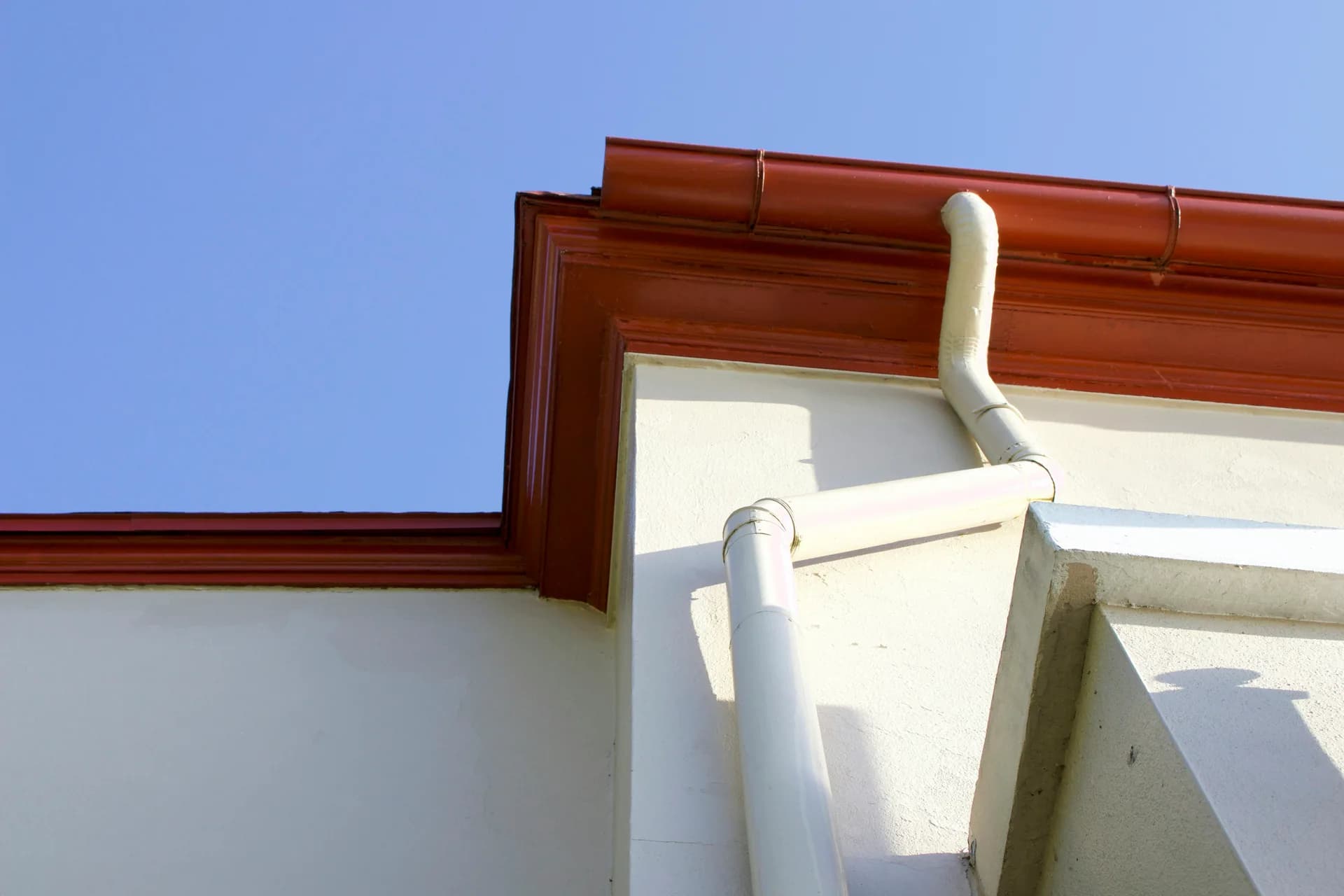
Metal flashing damage serves as a secondary indicator because aluminum and galvanized steel dent at lower impact thresholds than asphalt shingles. If your roof vents show multiple dents from a single storm, the shingles absorbed equivalent or greater force. Inspectors photograph these components as corroborating evidence for claim documentation.
How Do You Identify Hail Bruising Versus Normal Shingle Aging?
Hail bruising creates circular impressions with sharp boundaries where granules separated from the asphalt backing in a defined impact zone, while aging causes diffuse granule loss across entire shingle surfaces without distinct edges. Fresh bruising exposes black asphalt underneath; aged wear shows lighter substrate. Inspectors use this color contrast to date damage relative to known storm events.
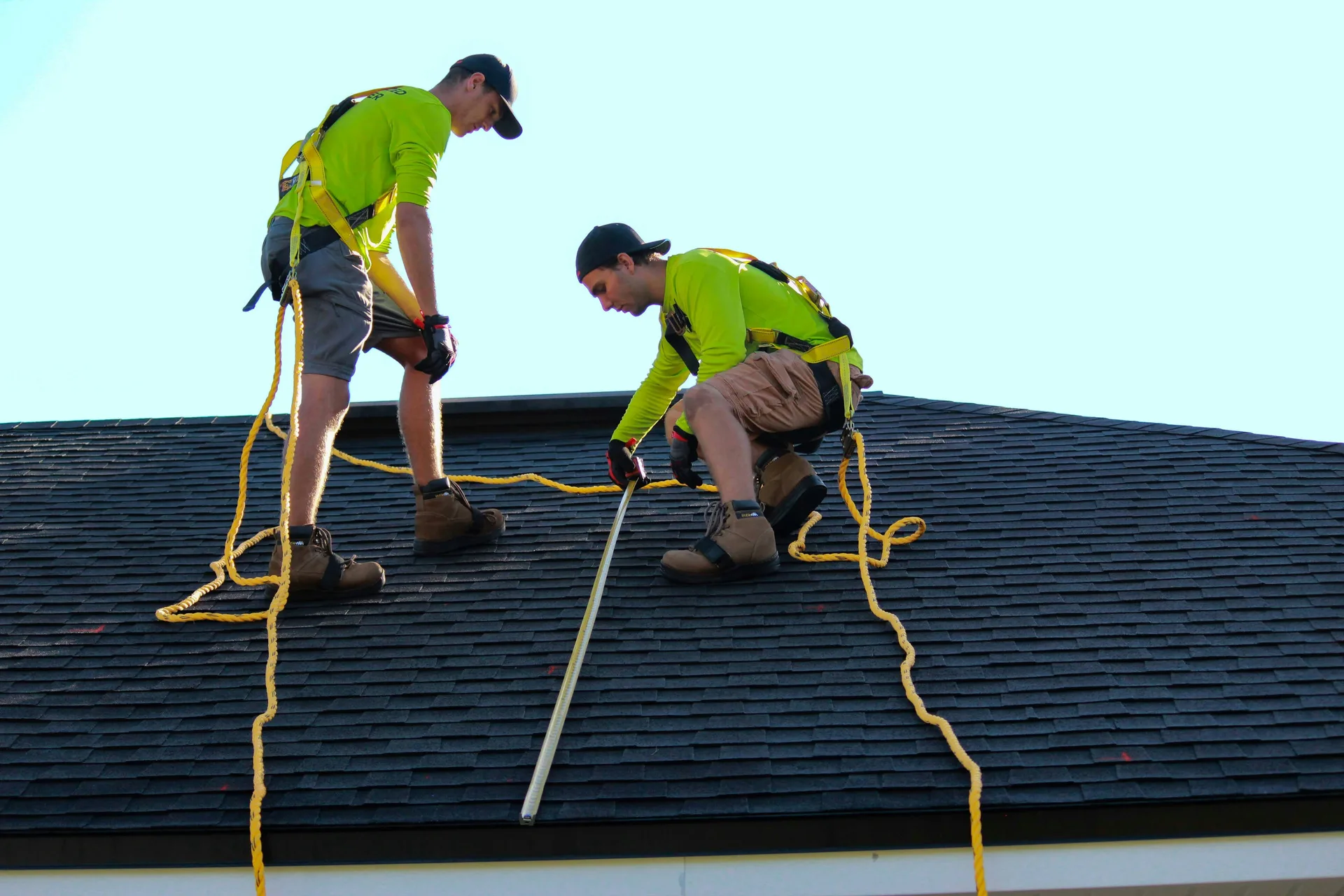
Bruise diameter correlates to hail size: 1-inch hail produces quarter-sized bruises, 2-inch hail creates bruises the size of golf balls. Nebraska's most damaging storms produce hail ranging from 1.5 to 2.75 inches, leaving bruise patterns 1–3 inches across. Inspectors count bruises per 10x10 foot test square on multiple roof slopes to establish damage density thresholds insurance carriers recognize.
Shingles older than 12 years may show both hail damage and thermal cracking, requiring careful differentiation. Thermal cracks run linearly along shingle length following tar strip locations; hail bruises appear randomly distributed across the shingle field. Inspectors document both conditions separately because they trigger different replacement justifications.
What Underlying Damage Do Surface Inspections Miss?
Surface-only inspections miss fractured fiberglass mat beneath intact granule layers, delaminated adhesive strips that haven't yet lifted, and compressed decking at impact points that create future sag zones. These hidden failures don't leak immediately but guarantee premature roof system failure within 3–5 years. Comprehensive inspections include attic access to check for water staining on decking underside and compressed insulation indicating roof deck deflection.
Hail impacts transfer kinetic energy through the shingle into underlying felt paper and decking. Plywood decking shows compression dimples at impact sites visible from attic spaces, particularly on older 3/8-inch or 7/16-inch sheathing common in pre-2000 Nebraska construction. Inspectors mark these locations because future leak risk concentrates where decking integrity is compromised.
Sealant strip failure becomes evident only during subsequent wind events when shingles that appeared intact after hail lift at edges. Nebraska wind gusts during thunderstorms regularly exceed 60 mph, creating uplift force that exploits hail-fractured adhesive. Inspectors perform manual lift tests on suspect shingles, checking whether tabs resist upward pressure or separate easily from underlying courses.
When Does Hail Damage Require Full Replacement Instead of Repair?
Full replacement becomes necessary when damage density exceeds 8–10 bruises per 100 square feet on any roof slope, when metal components show denting across multiple planes, or when granule loss exposes more than 30% of asphalt backing on affected shingles. These thresholds align with insurance carrier totaling criteria and manufacturer warranty exclusions for impact-compromised shingles.
Nebraska building codes don't mandate replacement at specific damage levels, but insurance adjusters follow industry guidelines requiring replacement when repairs would exceed 40% of replacement cost or when damage affects multiple roof planes. A typical 2,000 square foot ranch with damage on two slopes meeting density thresholds qualifies for full replacement. Partial repairs make economic sense only for isolated damage confined to a single slope under 300 square feet.
Replacement timing matters because manufacturers void warranties on impact-damaged shingles even if leaks haven't occurred. Waiting extends your exposure to secondary damage from subsequent storms while eliminating insurance coverage for the original event. Most Nebraska carriers enforce 12-month claim filing deadlines from the documented storm date.
What Should Nebraska Homeowners Provide to Roof Inspectors?
Provide inspectors with specific storm dates from National Weather Service records, photos of visible damage taken within 72 hours of the event, and prior inspection reports if your roof was evaluated after previous hail seasons. Storm dates anchor the inspection to meteorological data insurance adjusters cross-reference during claim review. Nebraska's Storm Prediction Center archives include county-level hail size reports that corroborate your damage timeline.
Document interior evidence including attic water stains, ceiling discoloration, or drywall cracks that appeared after suspected storm dates. Inspectors photograph these indicators as supporting evidence even when exterior damage appears minimal. Hail can fracture sealant and create leak pathways without obvious surface bruising, making interior damage the first visible sign of compromise.
Clear roof access by trimming branches within 6 feet of roof edges and removing patio furniture or equipment blocking ladder placement zones. Inspectors need unobstructed access to all roof slopes, chimneys, and penetration points. Blocked access areas become exclusions in inspection reports, potentially limiting claim scope.
How Do You Select Qualified Hail Damage Inspectors in Nebraska?
Choose inspectors holding HAAG Certified credentials specific to residential steep-slope roofing, which requires passing standardized testing on hail damage identification protocols. HAAG certification is the industry standard insurance adjusters recognize, giving certified inspector findings greater weight during claim disputes. Verify certification status directly through the HAAG website before scheduling.
Nebraska contractors offering free inspections after publicized hail events are common, but quality varies significantly. Request sample inspection reports showing photo documentation methods, damage density calculations, and slope-by-slope analysis before agreeing to inspection. Reports should include minimum 20–30 photographs with annotations identifying specific damage types and locations.
Avoid inspectors who guarantee insurance claim approval or promise to waive deductibles as part of inspection services. These practices violate insurance fraud statutes and signal contractors prioritizing claim volume over accurate damage assessment. Legitimate inspectors document conditions objectively and let adjusters determine claim outcomes based on policy terms and damage evidence.