What Does a Hail Damage Roof Inspection Actually Involve?
An inspector climbs onto the roof and examines each slope for hail strikes, checking shingle surfaces for bruising, missing granules, cracked tabs, and mat compression. They photograph damage with reference measurements, document the number of strikes per 10x10 foot test square, and assess whether the shingle layer retains structural integrity or requires replacement. The inspection produces a written report with photo documentation, strike density counts, and a replacement recommendation based on the percentage of affected shingles.
Inspectors trained in HAAG certification or equivalent programs use specific criteria to differentiate cosmetic granule loss from functional damage that shortens roof lifespan. Most insurance carriers require at least 8-10 hail strikes per 100 square feet to approve a replacement claim. The inspector's role is to provide objective documentation, not to advocate for a claim outcome.
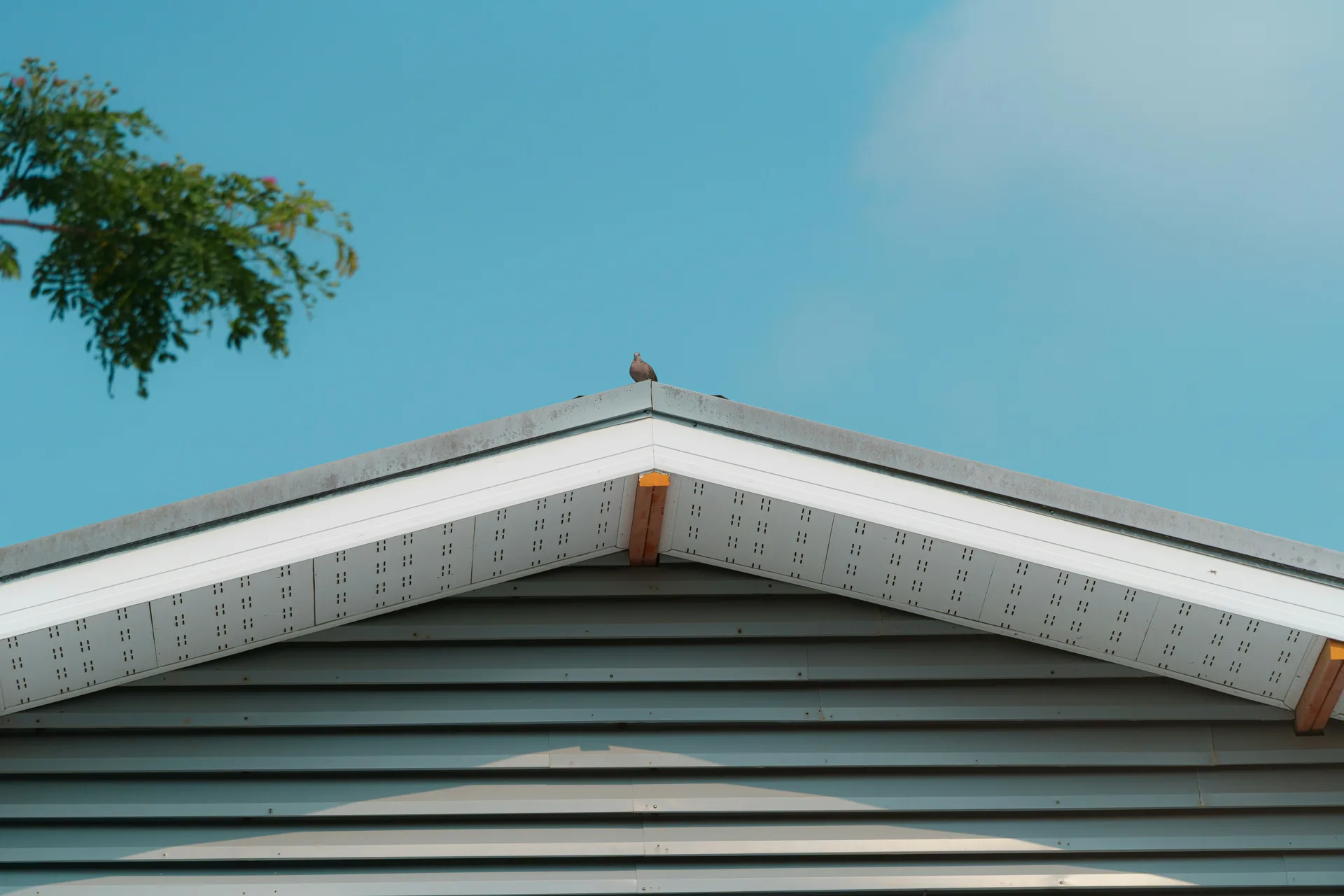
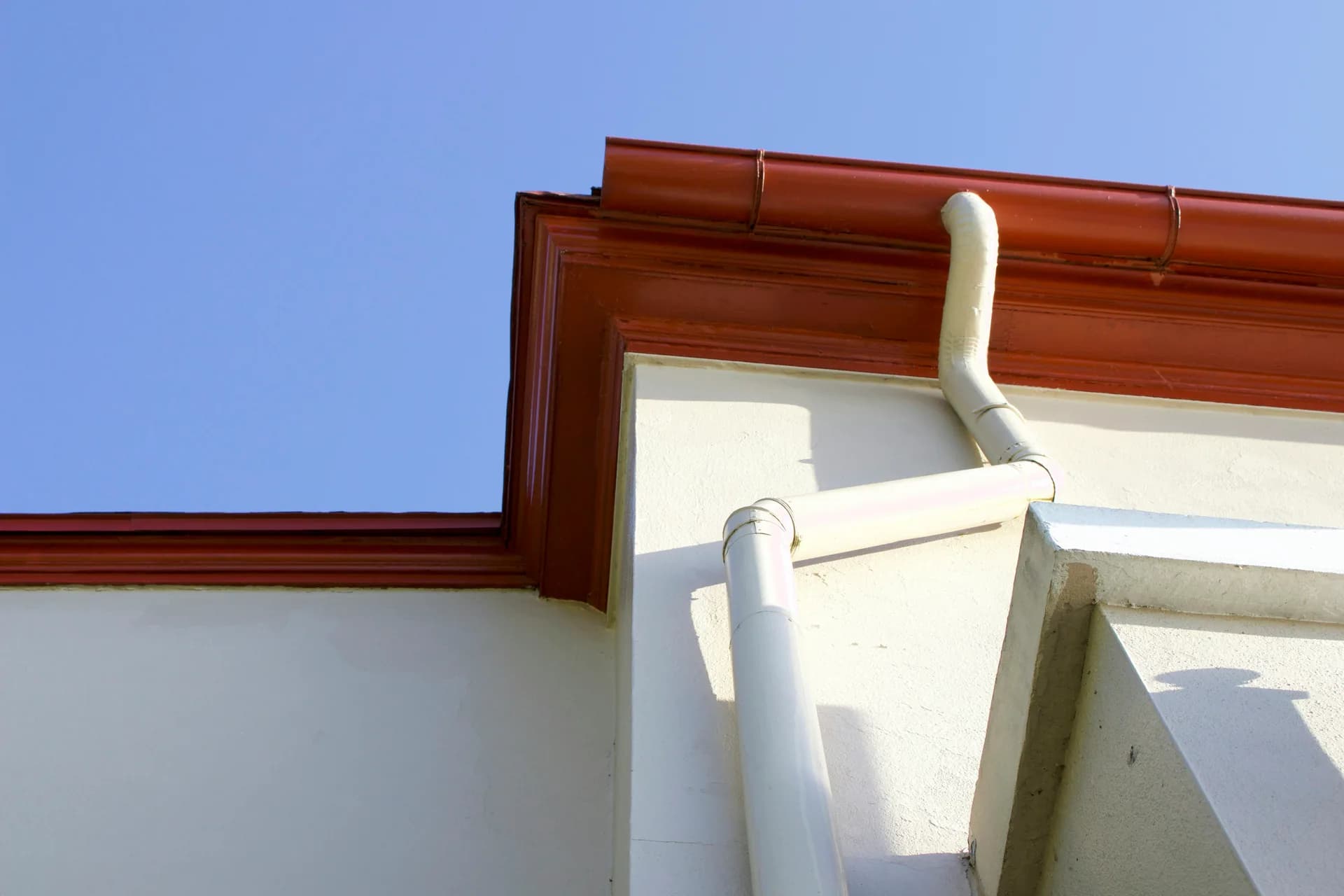
A thorough inspection includes gutters, flashing, vents, and ridge caps. Hail often damages these components before impacting shingles, and overlooked accessory damage can void warranty coverage if not documented during the initial claim.
How New Mexico's Storm Patterns Create Specific Hail Damage Risks
New Mexico records an average of 30-50 hail events annually, concentrated in the eastern plains counties and along the I-25 corridor from Albuquerque to Santa Fe. Hail forms when updrafts in high-altitude thunderstorms cycle ice pellets through freezing cloud layers, producing stones ranging from pea-sized to golf ball diameter. The state's elevation amplifies storm intensity, and late spring storms between April and June produce the largest hail sizes.
Roofs in Albuquerque, Rio Rancho, and Las Cruces face repeated exposure during multi-year hail cycles. A roof that survives one moderate hail event may fail after a second strike two years later, as prior bruising weakens the shingle mat. Homeowners often mistake cumulative damage for a single recent event, complicating insurance timelines.
Wind-driven hail hits north and west-facing slopes hardest. Inspectors check these exposures first, as asymmetric damage patterns indicate directional storm impact rather than uniform wear.
What Hail Damage Looks Like on Different Roofing Materials
Asphalt shingles show hail damage as circular bruises with displaced granules, visible as dark spots where the underlying mat is exposed. Larger hail cracks the fiberglass mat beneath the surface, creating fractures that allow water infiltration even when the shingle appears intact from the ground. Granule loss accelerates UV degradation and reduces the shingle's designed lifespan by 30-50 percent.
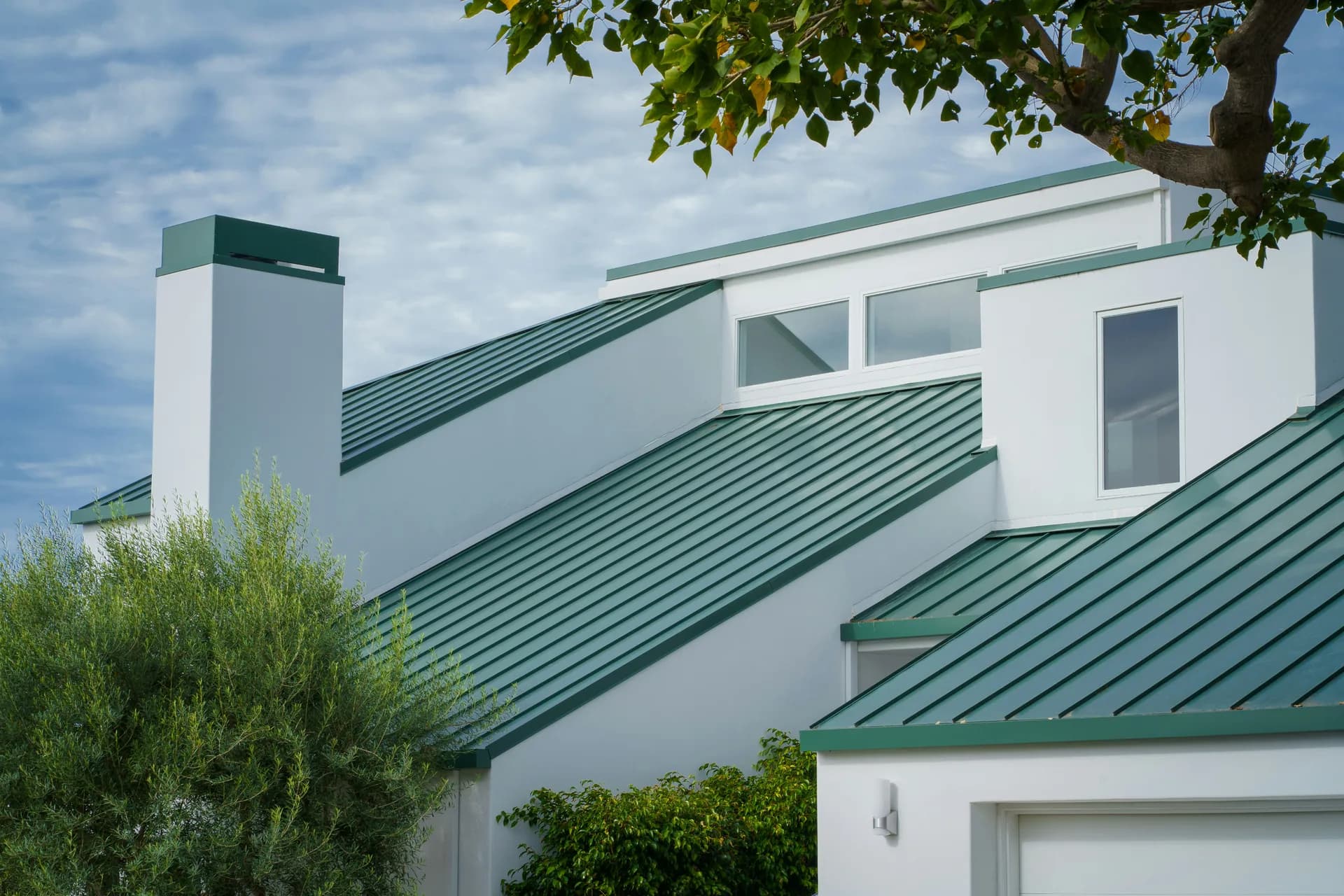
Metal roofing dents under hail impact but rarely loses structural integrity unless the panel gauge is below 26. Inspectors measure dent depth and frequency to assess whether cosmetic damage affects performance. Clay and concrete tiles crack outright under golf ball-sized hail, requiring individual tile replacement rather than full roof replacement in most cases.
Flat roofs with TPO or EPDM membranes show hail damage as punctures or surface crazing. These impacts compromise the waterproof barrier immediately, and delayed inspection allows water intrusion that spreads damage beyond the original strike zone.
When Hail Damage Requires Replacement Instead of Repair
Replacement becomes necessary when hail strikes affect more than 30 percent of any roof slope, as patchwork repairs create mismatched shingle ages and void manufacturer warranties. Insurance adjusters use the 8-10 strike per test square threshold, but contractors evaluate whether the remaining undamaged shingles retain enough lifespan to justify repair. A roof with pre-existing wear and new hail damage rarely benefits from partial repair.
Shingle age determines the replacement decision as much as strike density. A 5-year-old roof with moderate hail damage may qualify for repair, while a 15-year-old roof with identical damage requires full replacement because the undamaged shingles are already approaching end of life. Mixing new and aged shingles creates thermal expansion mismatches and aesthetic inconsistency.
Mat fractures invisible during the initial inspection often appear months later as leaks. Contractors recommend replacement when bruising penetrates the fiberglass layer, even if granule loss appears minimal.
How to Choose a Qualified Hail Damage Inspector in New Mexico
Licensed roofing contractors in New Mexico municipalities offering inspection services should carry both general liability and workers' compensation insurance, as roof access creates fall hazards. Ask for proof of HAAG certification or equivalent training in hail damage assessment, as insurance carriers give more weight to reports from certified inspectors. Avoid contractors who offer free inspections contingent on signing a replacement contract before the insurance claim closes.
A legitimate inspector provides a written report within 48 hours, includes georeferenced photos with measurement scales, and delivers the documentation directly to you rather than filing the claim on your behalf. You control the claim process. The inspector's job is documentation, not claim negotiation.
Verify the contractor's local business presence. Storm-chasing contractors follow hail patterns across state lines and disappear before warranty issues arise. Check the New Mexico Construction Industries Division licensing database, verify the business address, and confirm the contractor has completed projects in your county within the past 12 months.
What Happens After the Inspection Report Is Complete
You submit the inspection report to your insurance carrier as supporting documentation for a claim filed under your wind and hail coverage. The carrier assigns an adjuster who conducts a separate inspection, comparing findings with the contractor's report. Discrepancies between the two inspections are common, and you may need a third-party umpire inspection to resolve disputes over strike counts or replacement eligibility.
Approved claims provide an actual cash value payment upfront, covering depreciated shingle value, with recoverable depreciation paid after replacement completion. Replacement timelines depend on contractor availability and material lead times, typically 3-8 weeks from claim approval. New Mexico building departments in cities above 10,000 population require permits for full roof replacements, adding 1-2 weeks to project start.
If the claim is denied, request a detailed explanation referencing the specific policy exclusion. Age-related wear, insufficient strike density, and pre-existing damage are the most common denial reasons. A second opinion from a HAAG-certified inspector strengthens appeals.