What Does a Hail Damage Roof Inspector Check First?
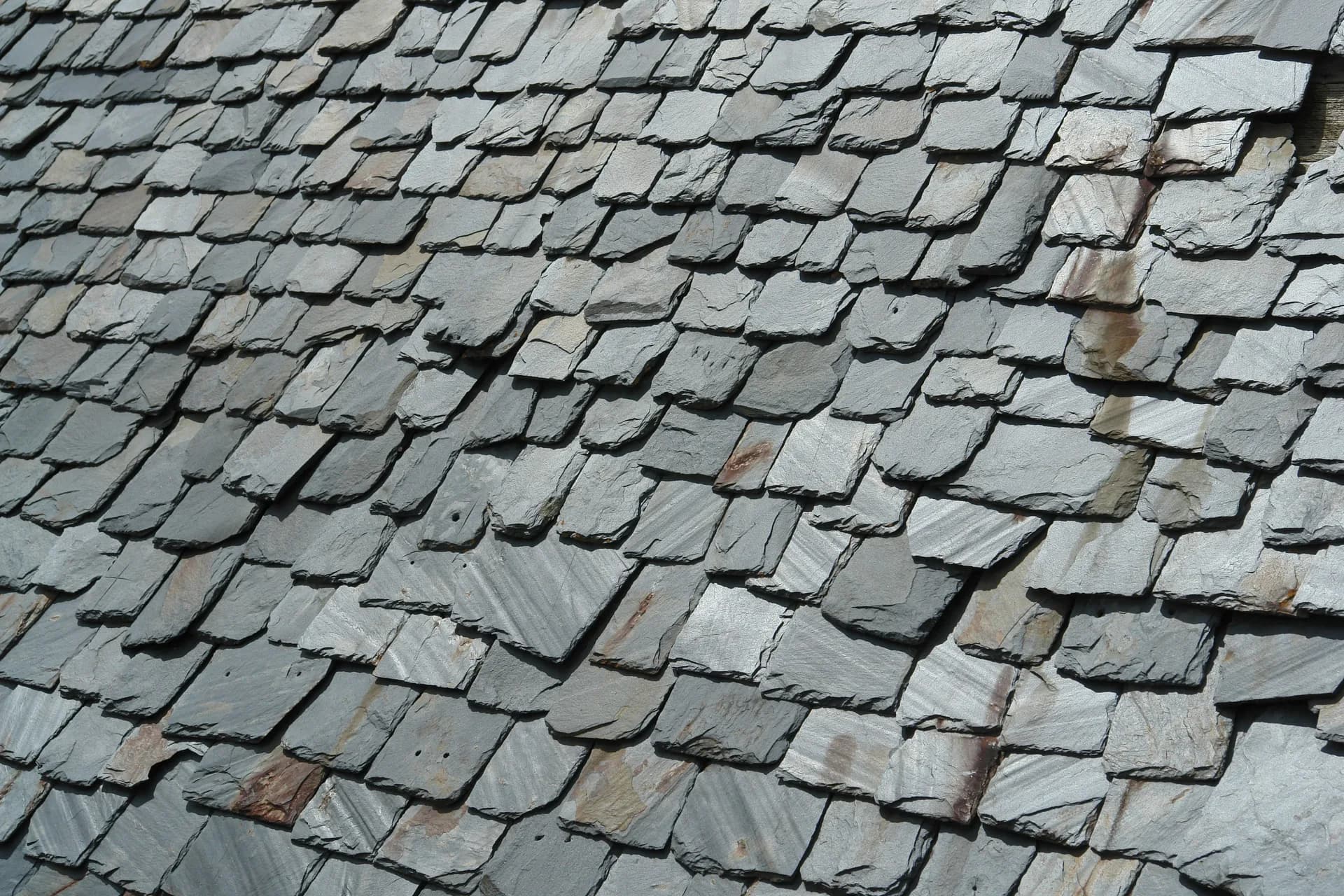
The inspector starts on shingle surfaces, looking for impact marks that compress the asphalt mat without puncturing it—these bruises appear as dark spots where granules were forced into the shingle, weakening its structure. On steep-slope roofs common in Bismarck and Fargo, hail strikes the side facing the storm direction hardest, creating concentrated damage patterns on north and west exposures.
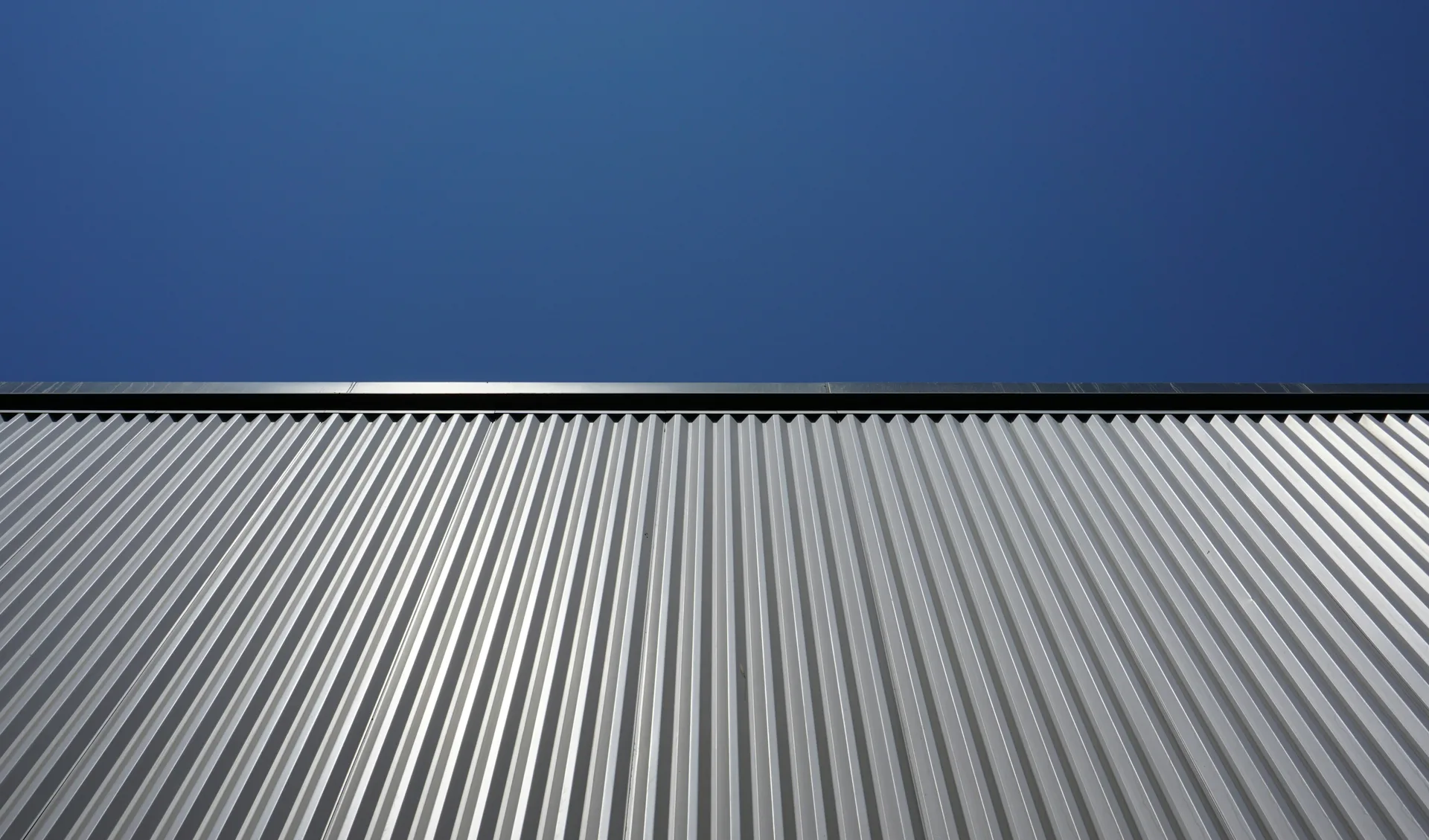
Metal flashings around chimneys, vents, and roof-to-wall transitions show dents from hail impact—these dings confirm storm activity even when shingle damage is subtle. Inspectors document dent diameter and density per 10-foot test square, comparing findings against insurance carrier thresholds that typically require 8–10 hits per square to justify replacement.
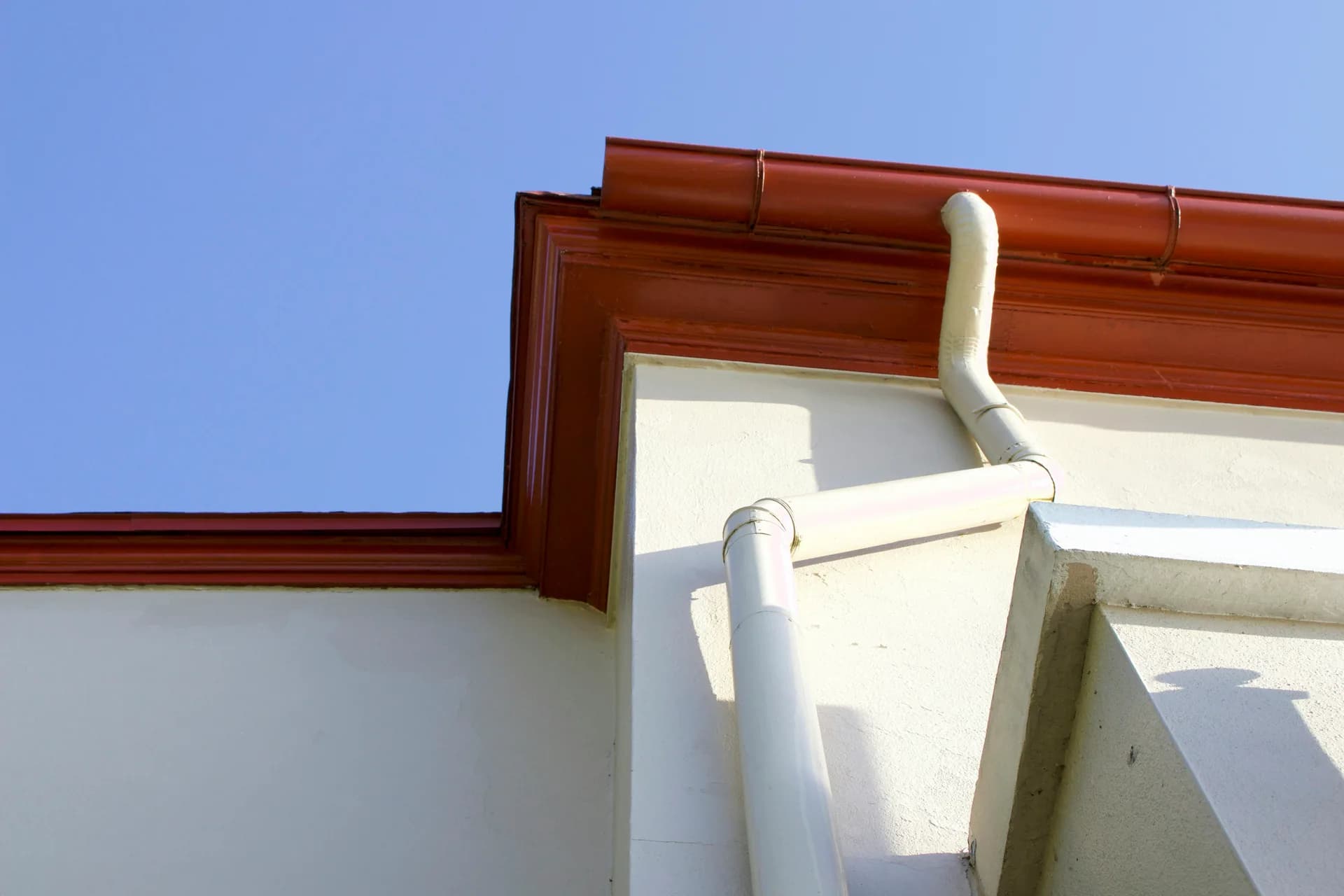
Gutters and downspouts collect granule loss after hail strips protective coatings from shingles. Heavy granule accumulation indicates advanced wear that shortens remaining roof life to 2–5 years, even if the mat itself hasn't fractured yet.
How Do You Identify Bruised Shingles Versus Normal Wear?
Hail bruises create circular depressions with intact shingle surfaces—the asphalt mat compresses but doesn't tear, unlike wind damage that lifts and creases tabs. Fresh bruises from recent storms show dark impact zones where granules embedded deeper into the mat; older bruises fade to lighter spots as weathering evens out the surface.
Normal wear appears as uniform granule loss across the entire roof, concentrated on south-facing slopes with maximum sun exposure. Hail damage clusters in patterns matching storm direction, often covering only portions of the roof while leaving protected areas untouched.
Felt paper exposure signals mat fracture—when hail impact cracks the fiberglass or organic mat beneath the asphalt layer, underlying felt shows through as dark streaks. This level of damage triggers immediate replacement because the shingle's structural integrity is gone.
What Roof Components Beyond Shingles Suffer Hail Damage?
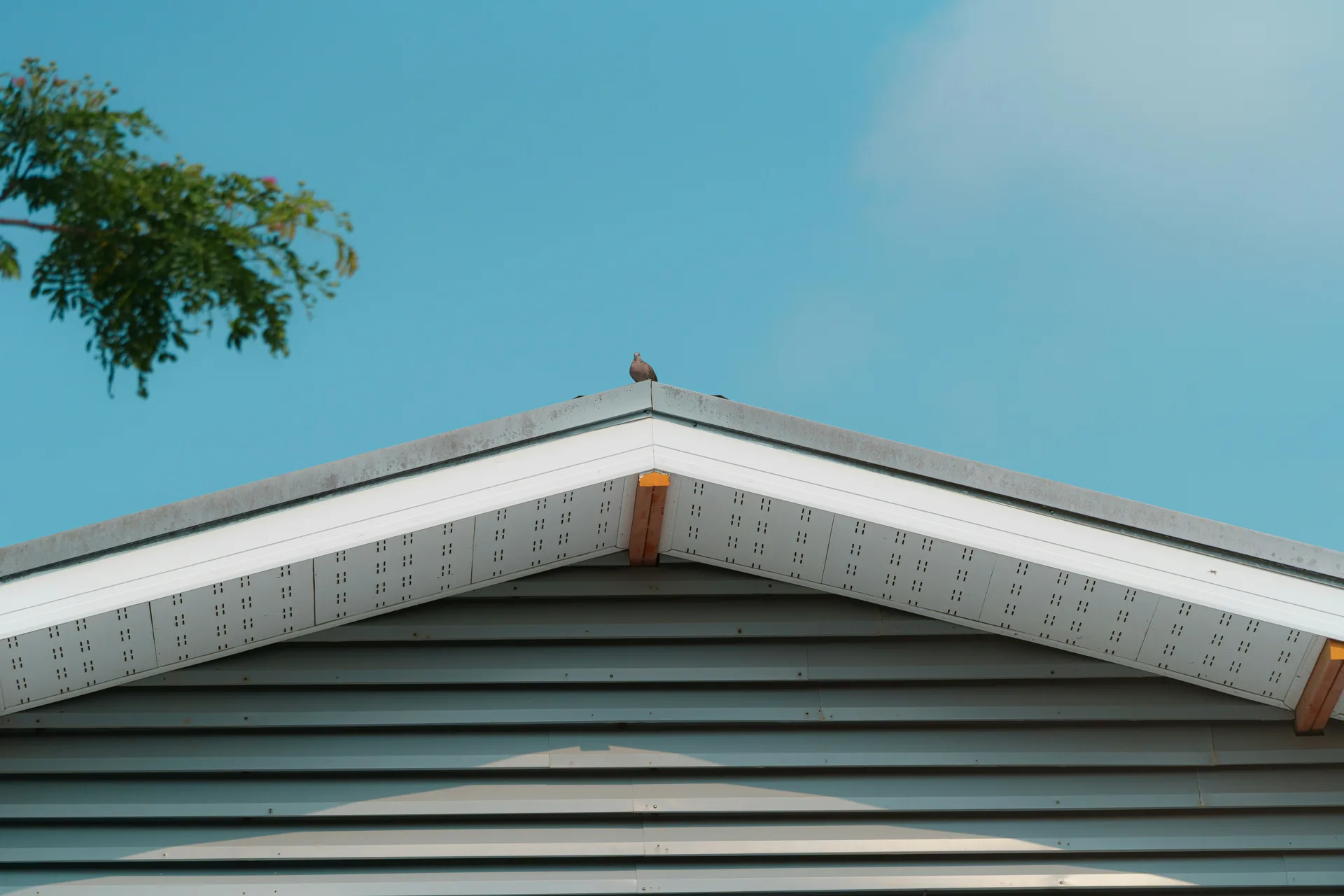
Ridge caps take direct vertical strikes that split seams and crack the molded profile, creating entry points for moisture that rots underlying decking. North Dakota's freeze-thaw cycles worsen this damage—water enters through hairline cracks, freezes, expands, and splits the cap further each winter.
Vent boots and pipe flashings made from rubber or plastic crack under hail impact, particularly aging boots over 10 years old that have already hardened from UV exposure. Inspectors check every penetration seal because a single failed boot causes interior ceiling stains within one season.
Soffits, fascia boards, and gutter systems dent from large hail, indicating storm severity even when roof damage is borderline. Insurance adjusters use these secondary indicators to corroborate shingle damage claims, especially when homeowners delay inspection until granule loss has faded.
When Does Hail Damage Require Full Roof Replacement in North Dakota?
Replacement becomes necessary when inspectors document 8–10 or more hail strikes per 10-foot square section across multiple roof planes—this density threshold appears in most carrier guidelines and indicates the roof won't reach its expected lifespan. A 15-year-old asphalt shingle roof with this damage level has 5–8 years of rated life remaining but will likely fail within 2–3 years as bruised mats deteriorate.
Mat fractures visible as felt paper exposure trigger immediate replacement regardless of strike count because the shingle's waterproofing layer is compromised. North Dakota building codes don't allow repairs over fractured shingles—the entire roof plane must be stripped and replaced to meet permit requirements in most municipalities.
Age compounds damage severity: hail hitting a 5-year-old roof may only reduce lifespan by a few years, while the same storm hitting a 12-year-old roof often justifies replacement because remaining life after impact drops below the cost-effective repair window. Inspectors consider manufacturing date stamps on shingles when recommending repair versus replacement.
What Documentation Do You Need for Insurance Claims After Hail Inspection?
Photograph every documented impact mark with a reference object—a quarter placed next to the bruise shows diameter and depth in a format adjusters accept. Shoot both close-up detail and wide-angle context showing damage distribution across roof planes, capturing north and west slopes where hail concentration typically peaks.
Written reports must include strike count per test square, granule loss severity ratings, and measurements of any exposed felt or fractured mats. North Dakota carriers require this quantified data—descriptions like "moderate damage" or "significant wear" get rejected without numerical backup.
Collateral damage photos of dented gutters, cracked vent boots, and dinged flashings support your claim timeline by proving storm activity occurred. Adjusters look for consistent damage patterns: if your roof shows hail bruising but gutters are pristine, they question whether impacts were severe enough to justify replacement.
How Soon After a Hail Storm Should You Schedule an Inspection?
Schedule within 2–4 weeks of a confirmed hail event while impact marks remain visible and before summer heat fades bruise contrast. North Dakota's peak hail season runs May through August, with storms tracking northeast along the Red River Valley and I-94 corridor—homeowners in Cass, Grand Forks, and Burleigh counties should inspect after any reported hail over 1 inch diameter.
Insurance claim deadlines typically allow one year from the date of loss, but waiting reduces evidence quality as granule loss normalizes and bruise patterns weather out. Inspectors find the clearest damage documentation in the first 30–60 days post-storm.
Delay inspection only if active leaks or visible shingle loss require emergency tarping first. Once temporary protection is in place, full inspection happens within days to document damage before contractors begin repair work that might obscure original impact patterns.