What Does Hail Damage Actually Look Like on an Ohio Roof?
Hail damage on asphalt shingles appears as circular marks where the granule protective layer has been knocked off, exposing the black asphalt or fiberglass matting underneath. These marks range from dime-sized to quarter-sized depending on hailstone diameter. You'll see random scatter patterns across the roof, not linear wear like wind damage creates.
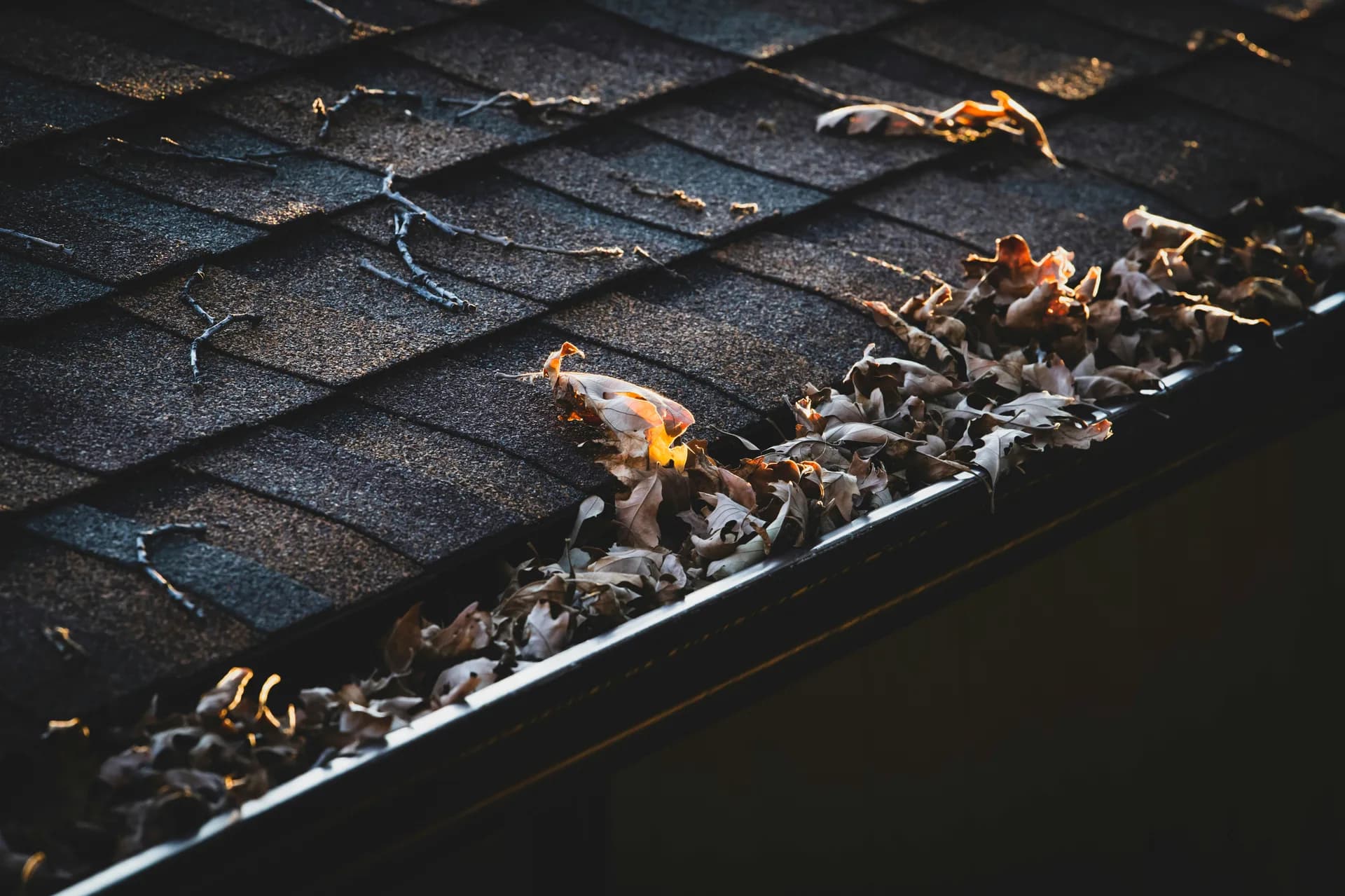
Granules collect in gutters and downspouts after a hail event. If you see dark patches of grit in your gutters within days of a storm, that's displaced granule material. Metal components like flashing, vents, and ridge caps show small dents. Wood shake roofs split along the grain. Tile and slate crack outright.
Damage severity increases with hail size, wind speed during the storm, roof age, and shingle quality. A 1-inch hailstone hitting a 15-year-old roof at 60 mph wind speed causes more functional damage than the same hailstone on a 3-year-old impact-resistant shingle with no wind assist. Ohio's most damaging hail events occur when storms drop stones larger than 1.5 inches, which happens 3–5 times per year statewide.
Where Should You Look First After a Hail Storm in Ohio?
Start with south and west-facing roof slopes, because prevailing storm systems in Ohio move northeast and hail falls at an angle with wind. These slopes take the hardest hits. Check ridge caps next, since they're the highest and most exposed points on the roof. Damage here indicates the storm had enough energy to affect lower sections too.
Inspect soft metal components from the ground: gutter edges, downspout elbows, air conditioning unit housings, and outdoor HVAC covers. If these show fresh dents, your roof likely sustained similar impact. Metal is easier to assess than shingles without climbing. Look inside gutters for granule accumulation and check downspout outlets for granule discharge onto splash blocks.
Document everything with photos timestamped to the storm date. Insurance adjusters in Ohio typically require visual evidence tied to a specific weather event. The National Weather Service archives storm reports by county and date, which you can cross-reference with your documentation to establish causation.
How Do You Tell the Difference Between Hail Damage and Normal Roof Wear?
Hail damage is random and scattered. Normal wear from age, UV exposure, and thermal cycling creates uniform fading, granule loss along edges, and curling at shingle corners. If you see circular impact marks concentrated on one slope and minimal wear on shaded north-facing sections, that's hail. If granule loss is even across all slopes and concentrated at tab edges, that's aging.
Hail bruises break the seal between granules and asphalt backing. You can sometimes feel a soft spot when pressing the damaged area with your thumb. Aged shingles lose granules but remain firm to the touch. Storm damage happens suddenly after a weather event. Aging happens gradually over years.
Ohio roofs installed before 2010 with standard 3-tab shingles show age-related wear around year 15–18. Architectural shingles last longer but still degrade predictably. Hail damage on a 5-year-old roof with otherwise intact granule coverage is unambiguous. Hail damage on a 20-year-old roof with pre-existing wear requires a licensed inspector to separate storm loss from deferred maintenance, because insurance carriers in Ohio deny claims they attribute to aging.
What Hail Size Causes Replacement-Level Damage in Ohio?
Hailstones 1 inch in diameter or larger cause functional damage to standard asphalt shingles, meaning the granule layer is compromised enough to accelerate weathering and void manufacturer warranties. Stones between 1 and 1.5 inches create cosmetic bruising that may not warrant immediate replacement on newer roofs. Stones 1.5 inches and larger crack shingle backing, puncture underlayment, and mandate full replacement.
Ohio's most severe hail falls in a diagonal band from Darke and Mercer counties in the west through Franklin, Licking, and Muskingum counties in central Ohio, then northeast into Stark and Columbiana counties. These areas see 1-inch-plus hail 2–4 times per growing season. The National Weather Service recorded 47 hail events exceeding 1.75 inches across Ohio between 2018 and 2023, with the largest stones reaching 2.75 inches in diameter.
Impact-resistant shingles rated Class 4 by UL 2218 testing withstand up to 2-inch simulated hail without cracking. Standard shingles carry Class 3 or lower ratings. If your roof has Class 3 shingles and your county experienced 1.5-inch hail, replacement is likely. Insurance adjusters use hail maps from the Storm Prediction Center and local spotter reports to confirm stone size.
Should You Hire a Professional Inspector or Check the Roof Yourself?
Hire a licensed roofing contractor or a HAAG-certified inspector if you're filing an insurance claim. Insurance carriers in Ohio require third-party documentation for claims exceeding the deductible, which is typically $1,000–$2,500 for wind and hail coverage. A professional inspection costs $200–$400 and produces a written report with photo documentation, shingle sample analysis, and damage quantification that adjusters accept.
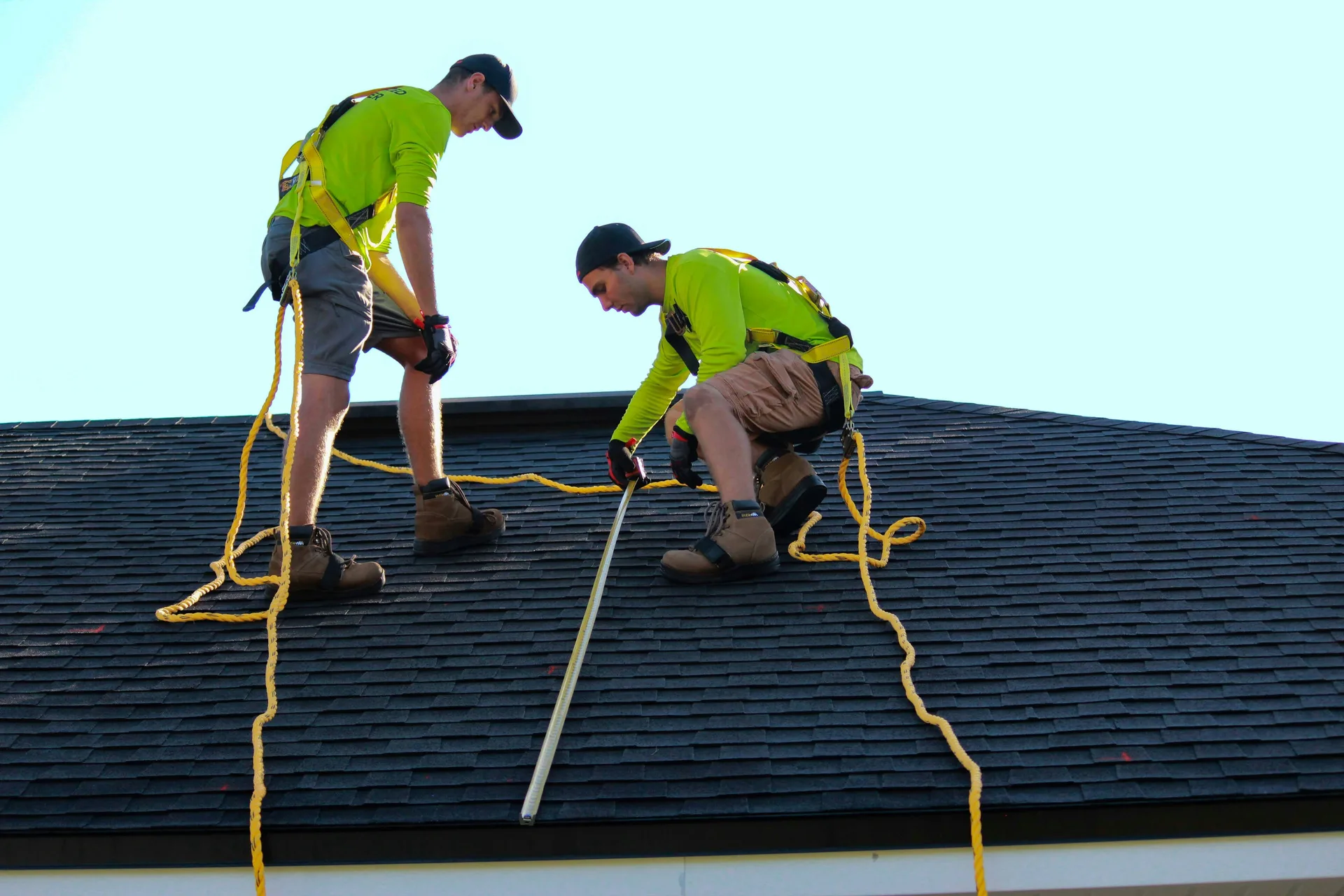
Self-inspection from the ground works for initial triage. Use binoculars to scan for obvious shingle loss, lifted tabs, or visible bruising. Check gutters, soft metals, and siding. If you see indicators, call a contractor before climbing. Walking on a damaged roof can worsen existing cracks and create liability issues if you're injured.
Contractors offering free inspections after storms are common in Ohio, but verify licensing through your county building department before allowing roof access. Free inspections are standard practice and not inherently suspicious, but unlicensed canvassers who appear immediately after storms and pressure you to sign same-day contracts should be avoided. Ohio does not require statewide roofing contractor licensing, so verification happens at the municipal level.
What Happens If You Don't Address Hail Damage Quickly?
Granule loss accelerates shingle aging. Once the protective granule layer is gone, UV radiation degrades the asphalt binder and fiberglass mat underneath. A bruised shingle that might have lasted another 5 years intact will fail within 18–24 months after hail exposure. You'll see curling, cracking, and tab blow-off during the next windstorm.
Water infiltration follows. Hail cracks allow moisture into the shingle core, the underlayment below, and eventually the roof deck. Ohio's freeze-thaw cycles between November and March expand that moisture, widening cracks and lifting shingle edges. Interior leaks appear months after the original storm, usually around roof penetrations like vents and chimneys where hail damage concentrates.
Insurance claim windows matter. Most Ohio homeowner policies require filing within one year of the loss date. If you delay inspection and miss that window, you pay for replacement out of pocket. Policies also exclude pre-existing damage, so if a second hail event occurs before you've filed a claim for the first, adjusters may deny both, arguing you failed to mitigate. The claim clock starts the day the storm is reported by the National Weather Service, not the day you notice leaks.