What Does Fresh Hail Damage Look Like on Oklahoma Asphalt Shingles?
Fresh hail damage on asphalt shingles appears as circular dimples or bruises where hail impacts compressed the shingle mat and displaced granules. The bruised spot looks darker than surrounding shingle surface because the impact exposes the underlying asphalt layer. Hail larger than one inch in diameter typically creates visible damage; smaller hail may bruise shingles without immediate surface evidence but still compromise the shingle's protective granule layer.
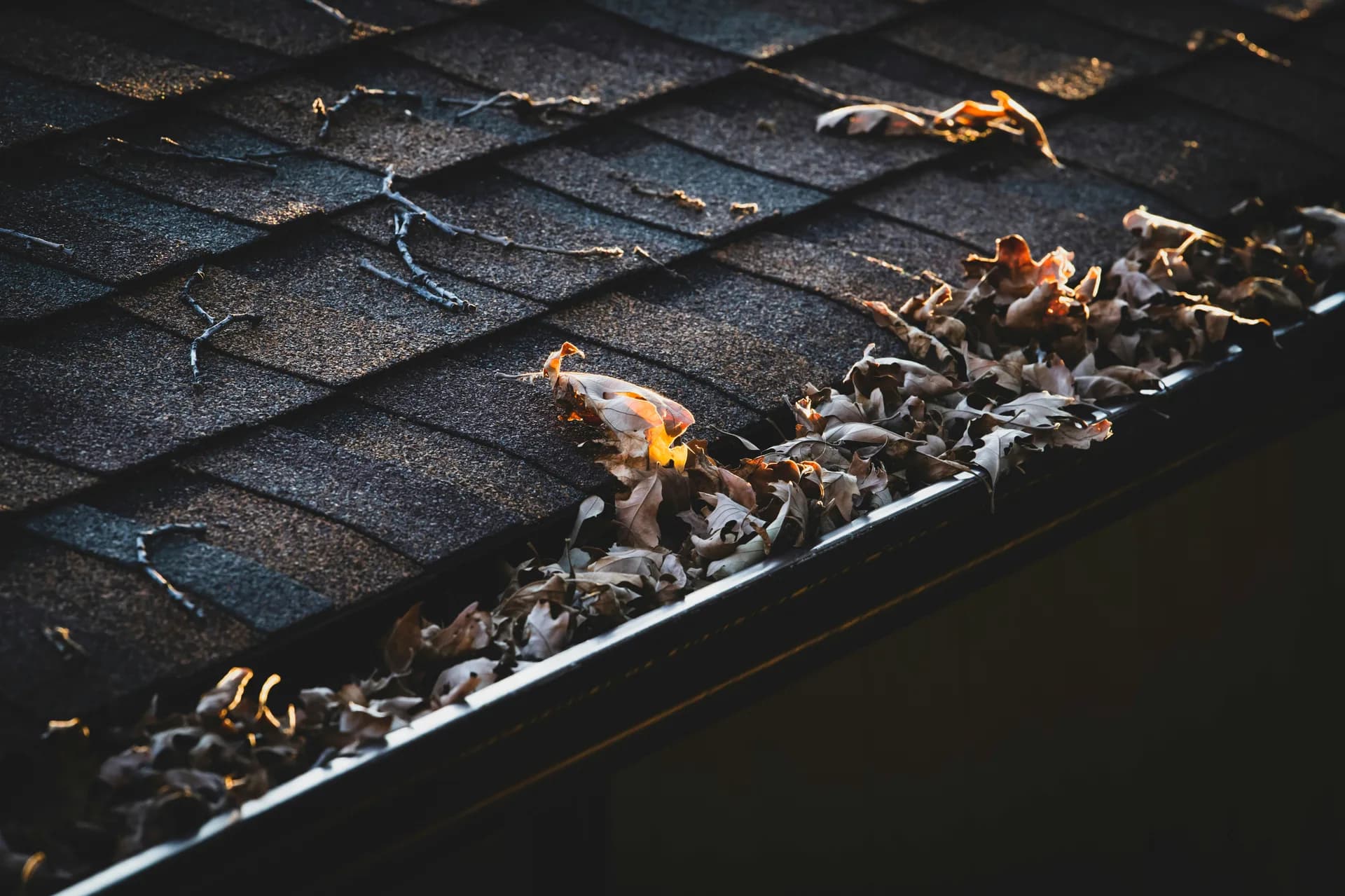
Granule loss is the clearest early indicator. After a hail event, check gutters and downspouts for concentrated piles of granules, which look like coarse sand in gray, brown, or black. Fresh granule loss appears as light-colored spots on the shingle surface where the protective coating has been knocked away. Oklahoma's intense UV exposure accelerates deterioration once granules are gone, shortening the remaining lifespan of damaged shingles from 15–20 years to 3–5 years.
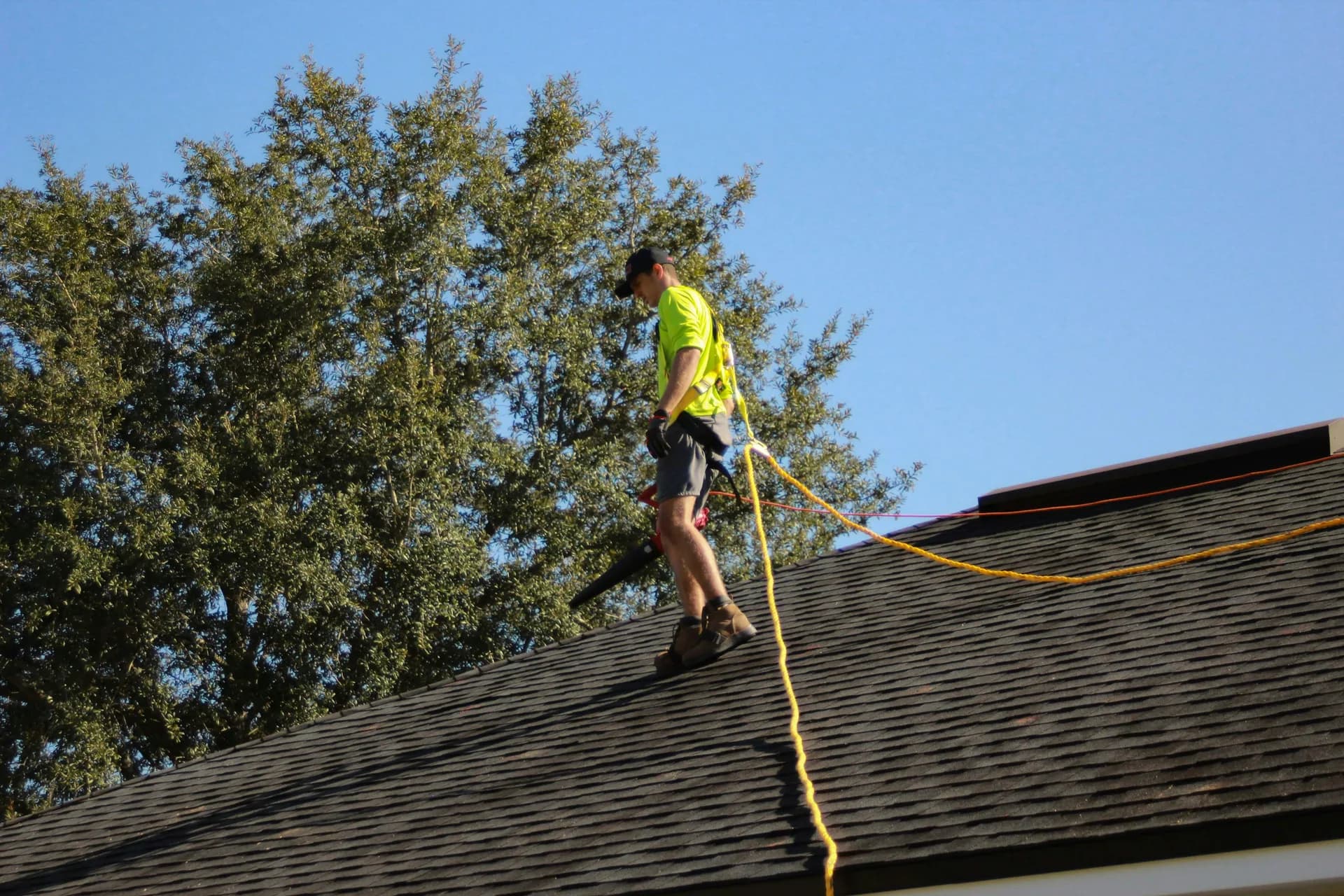
Check the roof's field area, not just edges. Hail damage concentrates on slopes facing the storm's wind direction, often the southwest or west-facing planes in Oklahoma. Walk the perimeter and scan with binoculars, or hire a licensed inspector to walk the roof safely. Impact patterns should be random but clustered, not uniform, distinguishing hail damage from manufacturing defects or wear.
Where Should You Inspect for Hidden Hail Damage Beyond Shingles?
Metal roof components show hail damage more clearly than shingles. Check roof vents, flashing around chimneys, ridge caps, drip edges, and gutter systems for dents or dings. Metal vents dent easily under hail impact; a roof vent with multiple small dents signals hail large enough to damage surrounding shingles even if shingle bruising is subtle. Aluminum or galvanized flashing around skylights and pipe boots will show similar denting patterns.
Gutters and downspouts accumulate both visible damage and diagnostic evidence. Look for dents along the gutter trough, especially on the side facing the storm direction. Inside gutters, check for granule concentration and small shingle fragments, which indicate impact force sufficient to tear surface material. Downspout splash blocks often collect granules washed from the roof, providing ground-level evidence without climbing.
Soffits, fascia, and siding adjacent to the roofline also sustain hail damage during severe storms. Inspect these areas for chipped paint, dents in vinyl or aluminum siding, and cracked wood trim. Damage to vertical surfaces confirms hail size and wind-driven impact force, supporting your roof damage claim and helping contractors estimate total project scope for insurance documentation.
How Do You Distinguish Hail Damage from Normal Wear on an Oklahoma Roof?
Hail damage appears suddenly and uniformly across exposed roof planes, while normal wear progresses gradually and appears first on south and west-facing slopes due to UV exposure. Hail creates random, circular impact points clustered in the field of the roof; wear shows as linear cracking along shingle edges, curling at corners, and uniform granule loss across broad areas. If your roof is 10–15 years old and shows gradual deterioration, that's aging. If it's 5–8 years old and suddenly shows bruising after a May storm, that's hail.
Storm timing matters for documentation. Oklahoma's peak hail season runs April through June, with secondary activity in September and October. If you notice roof damage within days or weeks of a reported hail event in your county, document the date and check local weather records through the National Weather Service or Oklahoma Mesonet. Insurance adjusters compare damage patterns to verified storm dates and hail size reports to distinguish impact damage from pre-existing wear.
Professional inspectors use moisture meters and infrared imaging to detect hidden damage beneath surface shingles. Hail impacts can crack the shingle mat without visible surface bruising, allowing water infiltration that shows as moisture readings or thermal signatures. Oklahoma contractors experienced with storm damage know these patterns and can provide documentation that supports insurance claims, distinguishing fresh hail impact from deferred maintenance.
What Should You Do Immediately After Discovering Hail Damage?
Document the damage with dated photographs before any temporary repairs. Photograph the overall roof from ground level, close-ups of individual damaged shingles, granule accumulation in gutters, dented vents and flashing, and any interior water stains or ceiling damage. Time-stamped photos create a damage baseline for insurance claims and contractor estimates. Walk your property and photograph siding, windows, and outdoor equipment like HVAC units, which often sustain hail damage alongside roofing.
Contact your insurance carrier within 30–60 days of the hail event to file a claim. Oklahoma homeowners' policies typically cover hail damage as a covered peril under dwelling coverage, subject to your deductible. Provide your carrier with storm date, photos, and a request for adjuster inspection. Delays beyond 60–90 days allow normal wear and secondary weather exposure to obscure hail damage patterns, weakening your claim documentation.
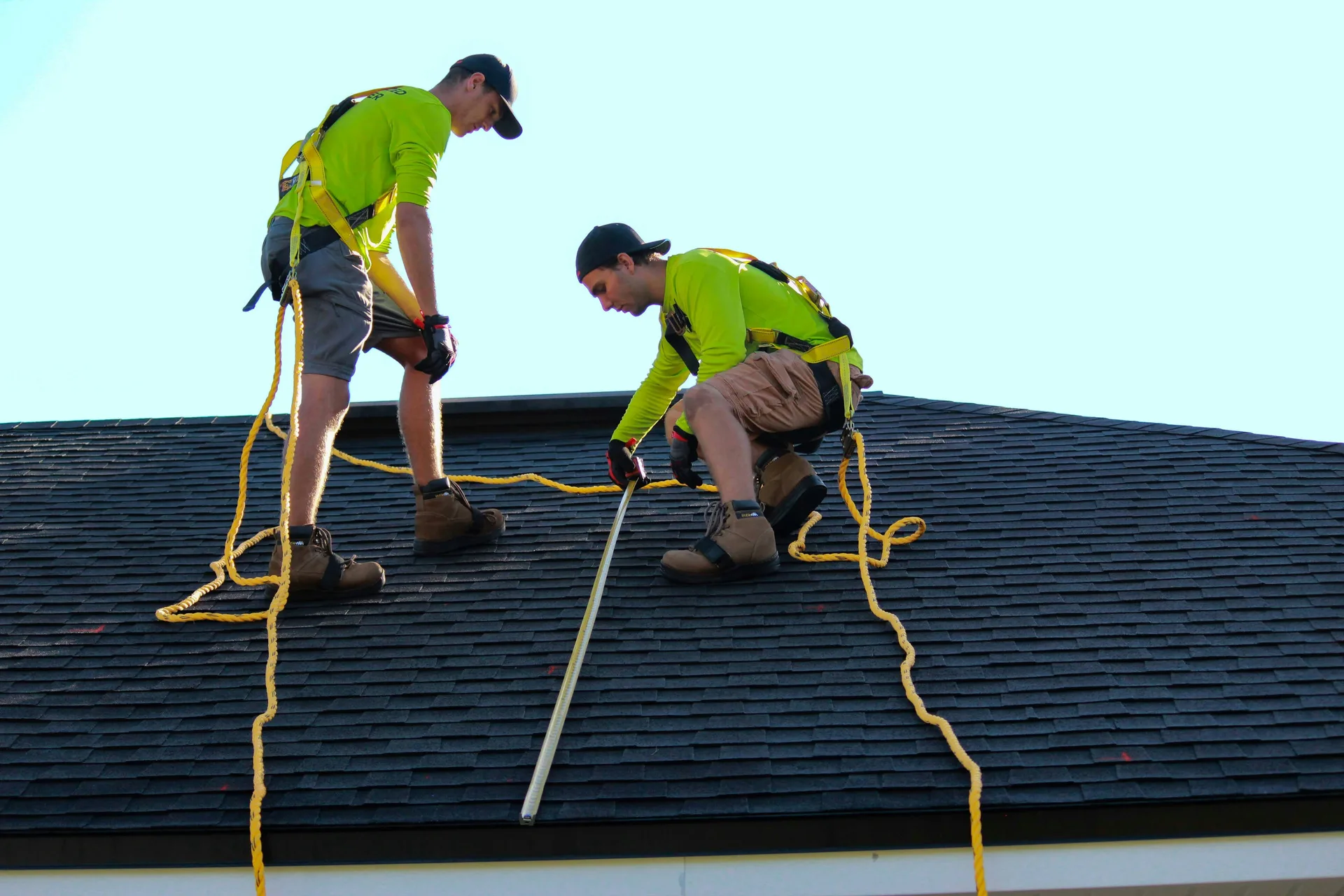
Schedule a professional roof inspection with a licensed Oklahoma roofing contractor who has HAAG Certified Inspector credentials or equivalent storm damage training. The inspector will assess shingle integrity, measure impact density per 10x10 section, check underlayment exposure, and provide a written report with replacement cost estimates. Use this report to compare against the insurance adjuster's assessment. Oklahoma does not require state-level roofing contractor licensing, so verify the contractor holds proper local municipal permits and liability insurance before allowing roof access.
How Much Does Hail Damage Roof Replacement Cost in Oklahoma?
Full asphalt shingle replacement for hail damage on a typical 2,000 square foot Oklahoma home ranges from $8,000 to $16,000, depending on shingle grade, roof pitch, and whether decking replacement is required. Impact-resistant Class 4 shingles, recommended for Oklahoma's hail frequency, add $1,500 to $3,000 to total project cost but often qualify for insurance premium discounts of 15–25 percent. Steep-pitch roofs, multiple valleys, and complex flashing around dormers or chimneys increase labor costs by 20–35 percent.
Insurance coverage typically pays replacement cost minus your deductible, which ranges from $1,000 to $2,500 for most Oklahoma homeowners' policies. If your adjuster approves full replacement, the carrier issues an initial payment for actual cash value, then a second payment for recoverable depreciation once work is completed and documented. Replacement cost policies cover current material and labor rates; actual cash value policies deduct depreciation based on roof age, reducing your payout for roofs older than 10 years.
Contractor estimates should itemize tear-off, disposal, new shingle material, underlayment, flashing replacement, ridge cap installation, and permit fees. Oklahoma municipalities set permit costs locally, typically $75 to $250 depending on project scope. Obtain three written estimates and compare line items, not just total cost. Estimates based on available industry data; individual project costs vary by roof size, pitch, material, and regional labor rates.
What Roofing Materials Handle Oklahoma Hail Best?
Class 4 impact-resistant asphalt shingles are the most cost-effective hail defense for Oklahoma homes, tested to withstand two-inch steel ball impacts without cracking. Manufacturers like GAF, CertainTeed, and Owens Corning produce IR shingles with reinforced mats and rubberized asphalt that absorb hail energy better than standard three-tab or architectural shingles. These shingles carry UL 2218 Class 4 ratings and qualify for insurance discounts in most Oklahoma counties with documented hail history.
Metal roofing resists hail damage through denting rather than cracking, maintaining weather integrity even after cosmetic surface impacts. Standing seam metal roofs in 26-gauge steel or aluminum handle one to two-inch hail with minimal functional damage, though dents remain visible. Metal roofs cost $12,000 to $25,000 for a 2,000 square foot Oklahoma home, roughly double the cost of Class 4 shingles, but carry 40–50 year lifespans compared to 25–30 years for impact-resistant asphalt.
Concrete and clay tile roofs offer superior hail resistance but require structural support for the added weight, increasing installation cost to $18,000 to $35,000 for typical residential applications. Tile performs well in Oklahoma's wind and hail conditions but cracks under impacts from hail larger than two inches. Slate roofing provides the highest impact resistance but costs $25,000 to $50,000 installed and requires specialized contractors, making it uncommon in Oklahoma's residential market outside historic districts.