What Does Hail Damage Look Like on Pennsylvania Roofs?
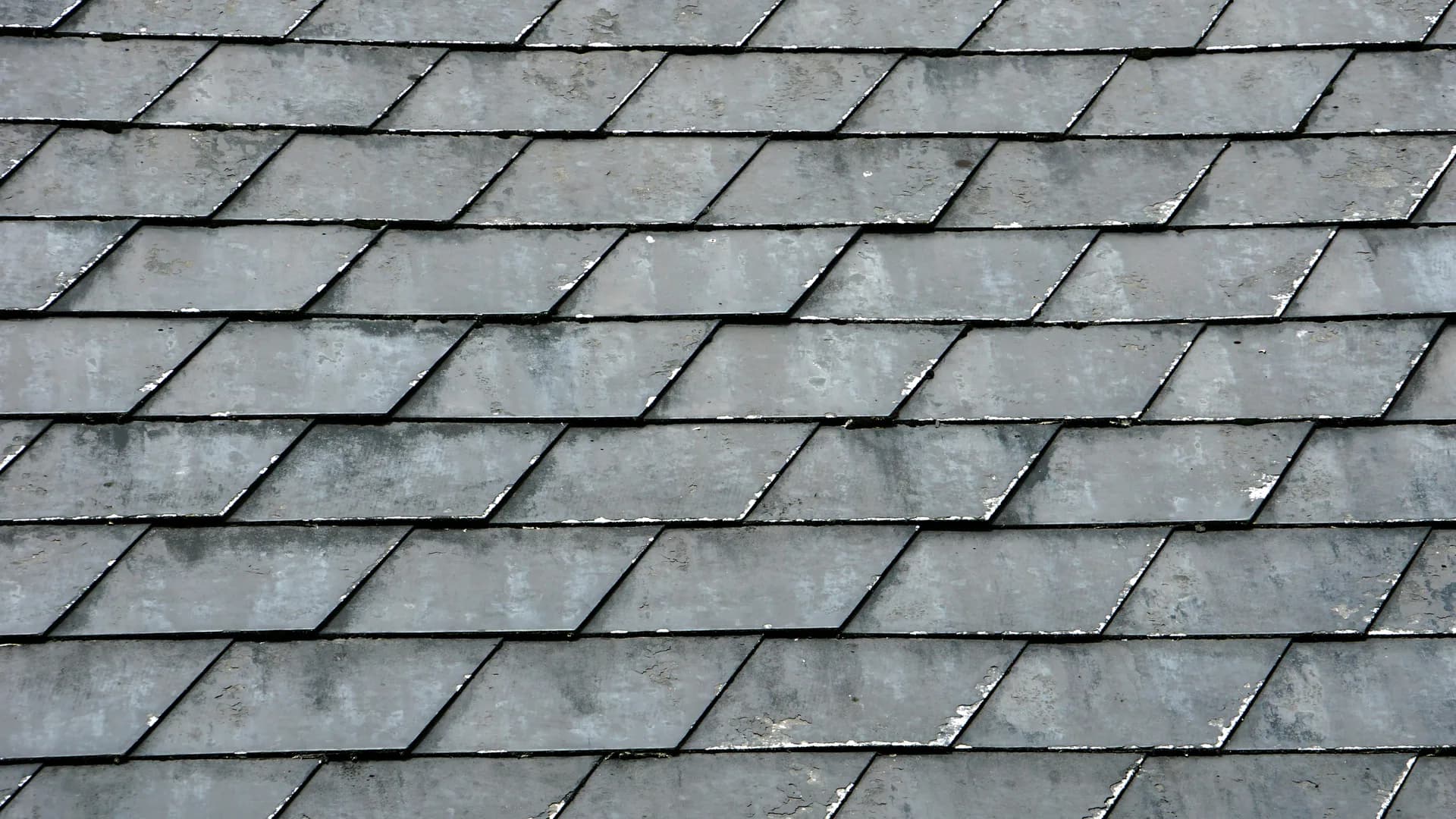
Hail damage on Pennsylvania asphalt shingle roofs appears as circular bruises where granules are knocked loose, exposing the black asphalt mat beneath. Each impact compresses the fiberglass mat and cracks the asphalt layer, creating a divot typically 0.5 to 1.5 inches in diameter depending on hailstone size. Larger hail above 1.5 inches can crack shingles completely, but most Pennsylvania hail produces softer damage visible only up close.
Granule loss concentrates in random patterns across the roof, distinct from the uniform wear of aging shingles. Fresh hail strikes show bright underlying asphalt; older damage darkens as UV exposure oxidizes the exposed surface. Pennsylvania storms frequently produce 1-inch hail in counties along the I-80 corridor and southwestern region, where May through August sees the highest hail frequency.
Sealant strip damage is harder to spot but critical. Hail impacts can crack the adhesive strips that bond shingle tabs together, creating entry points for wind-driven rain. This damage rarely causes immediate leaks but accelerates shingle deterioration and increases blow-off risk during future windstorms. Professional inspectors check sealant integrity by lifting shingle edges, a step homeowners should not attempt without training.
When Should You Schedule a Hail Damage Inspection in Pennsylvania?
Schedule an inspection within 30 days of any hailstorm producing stones larger than 0.75 inches in your area. Pennsylvania homeowners insurance policies typically allow 1 year to file claims, but early documentation strengthens your claim and prevents disputes over damage timing. National Weather Service reports and local news coverage identify hail size by county; storms producing golf ball hail (1.75 inches) warrant immediate inspection.
Inspect annually if you live in high-frequency hail zones including Erie County, Crawford County, and counties surrounding Pittsburgh. These areas average 2–4 hail events per year, and cumulative damage from smaller stones shortens roof lifespan even when individual storms seem minor. Asphalt shingles lose weather resistance once 30% of granules are missing, a threshold reached faster in counties with repeated seasonal hail.
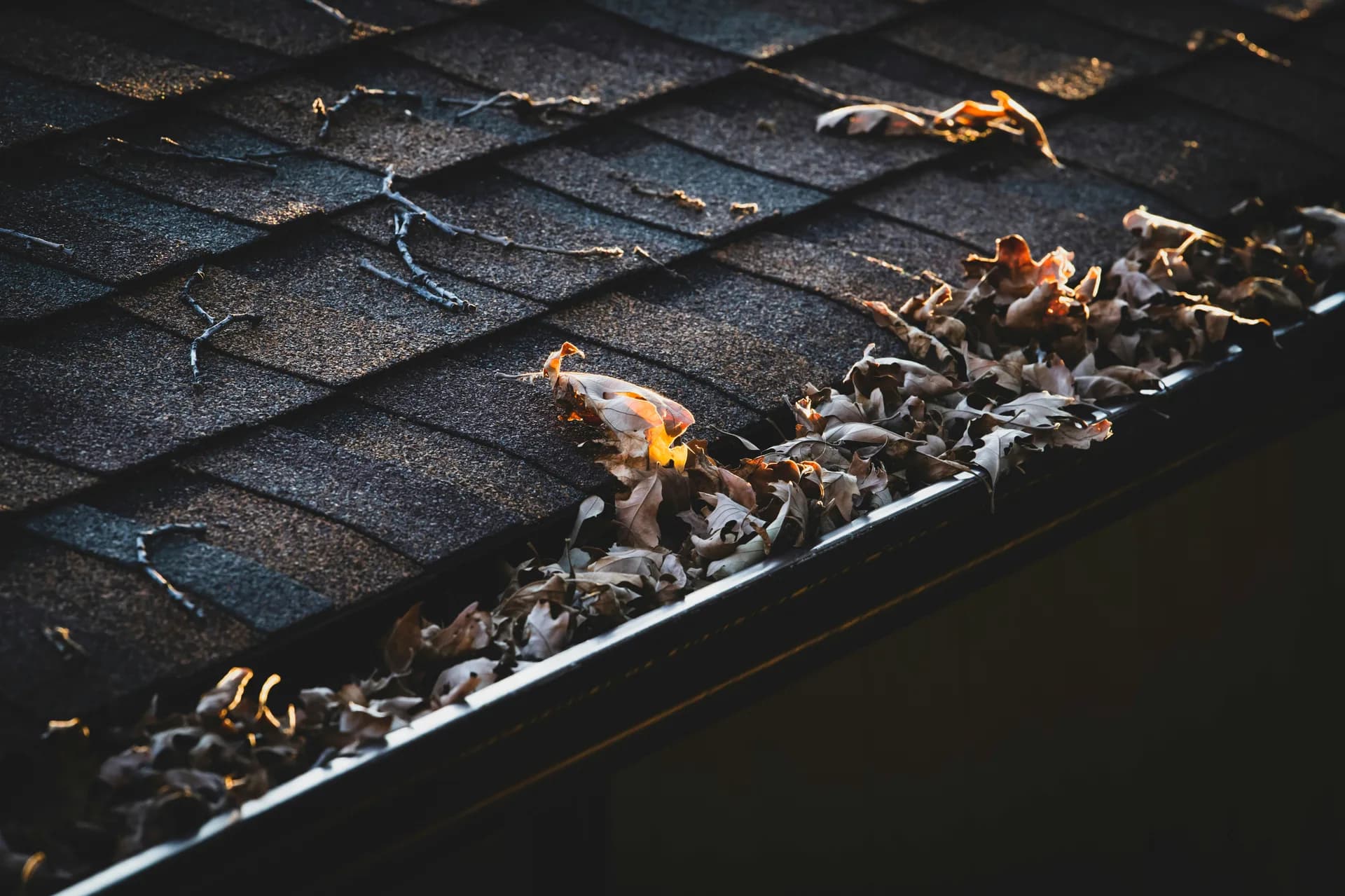
Post-storm debris in gutters signals potential damage. Check downspouts and gutters for concentrated granule accumulation after storms; heavy granule shedding indicates shingle surface integrity loss. Pennsylvania spring storms often combine hail with high winds, creating compound damage that requires inspection even when hail size seems borderline.
How Much Does a Professional Hail Damage Roof Inspection Cost in Pennsylvania?
Professional hail damage roof inspections in Pennsylvania cost $200–$500 for residential properties, with most homeowners paying around $300 for a complete assessment including documentation and insurance reporting. Inspections on larger homes above 3,000 square feet or complex rooflines with multiple valleys and dormers run toward the higher end. Some contractors offer free storm damage inspections as part of their business model, planning to capture the replacement project if damage warrants a claim.
Many Pennsylvania roofing contractors waive inspection fees if you proceed with repairs or replacement through their company. This arrangement works when damage is obvious, but creates potential bias in borderline cases. Independent inspections by HAAG Certified inspectors cost more, typically $400–$600, but provide unbiased documentation useful in insurance disputes or when assessing whether damage justifies replacement.
Insurance adjusters conduct their own inspections at no cost to homeowners, but their assessments often underestimate damage scope or exclude areas not immediately visible from ladders. Pennsylvania homeowners should schedule their own inspection before the adjuster visit to understand the full damage extent and challenge lowball settlement offers with specific documentation.
What Tools and Methods Do Inspectors Use to Find Hail Damage?
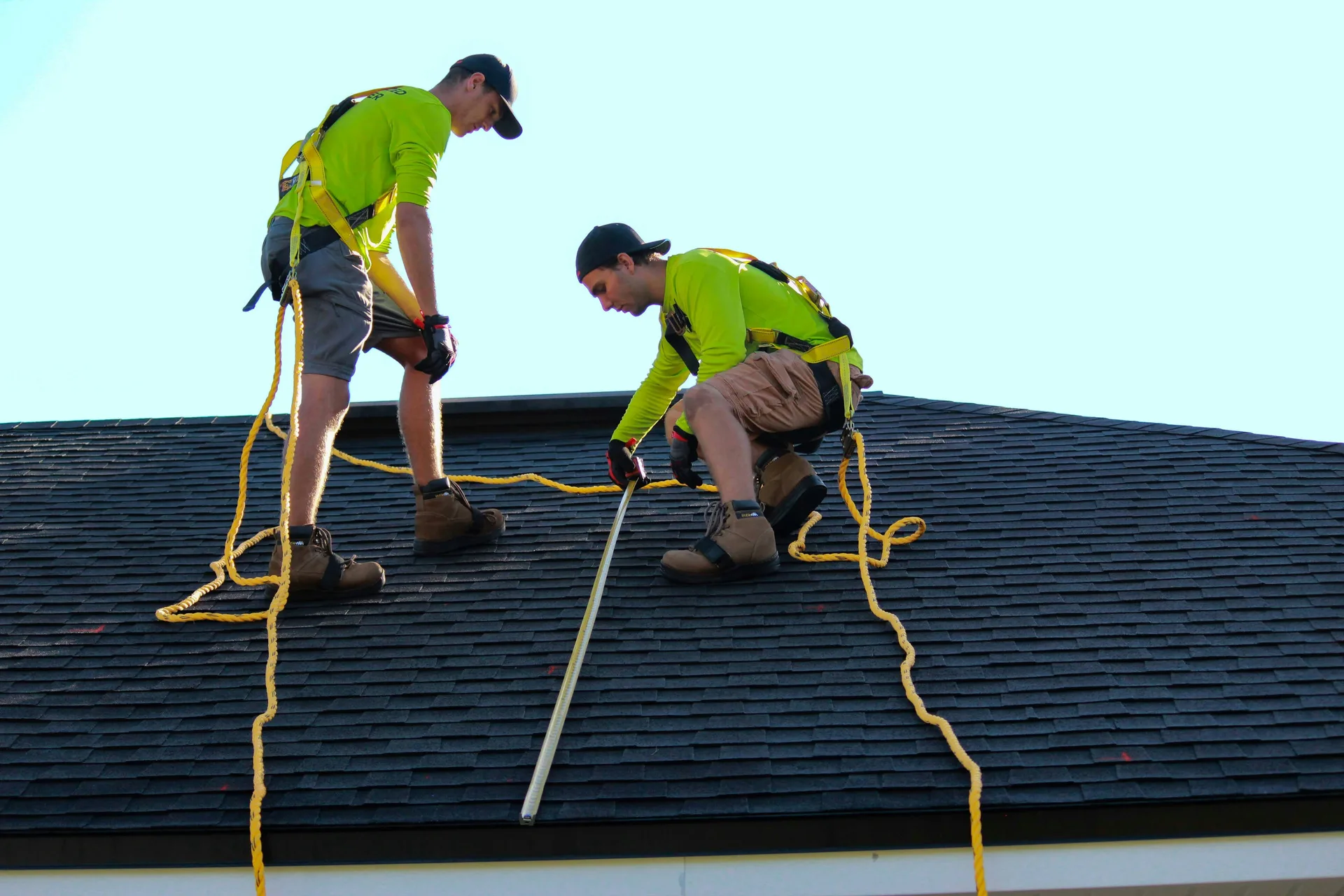
Professional inspectors use chalk or small stickers to mark each hail strike, creating a visual damage density map across roof sections. Pennsylvania insurance carriers typically require 8–10 strikes per 100 square feet to approve full replacement claims, making strike documentation critical. Inspectors photograph each marked area with measurement references, building a damage portfolio that survives adjuster challenges.
Moisture meters detect water intrusion beneath shingles where hail cracked sealant strips or damaged underlayment. Readings above 17% moisture content in roof decking indicate active leaks requiring immediate repair, even when interior ceiling stains are not yet visible. Pennsylvania humidity and freeze-thaw cycles accelerate water damage once shingle integrity is compromised, making early detection valuable.
Drone inspections map large or steep roofs without ladder access, capturing high-resolution imagery of damage patterns across the entire surface. Thermal imaging cameras identify temperature variations where missing granules reduce shingle insulation value or where moisture accumulates beneath damaged areas. These tools cost more but provide documentation quality that speeds insurance approval, particularly on complex roofs where ground-level photography misses critical sections.
Can You Inspect for Hail Damage Yourself or Should You Hire a Professional?
Homeowners can check gutters for granule accumulation and scan visible roof sections with binoculars, but cannot safely or accurately assess damage extent from the ground. Pennsylvania hail damage patterns vary by storm direction and roof slope; southern exposures typically sustain heavier impact than northern sections during summer storms. Missing this variation leads to incomplete insurance claims that leave money on the table.
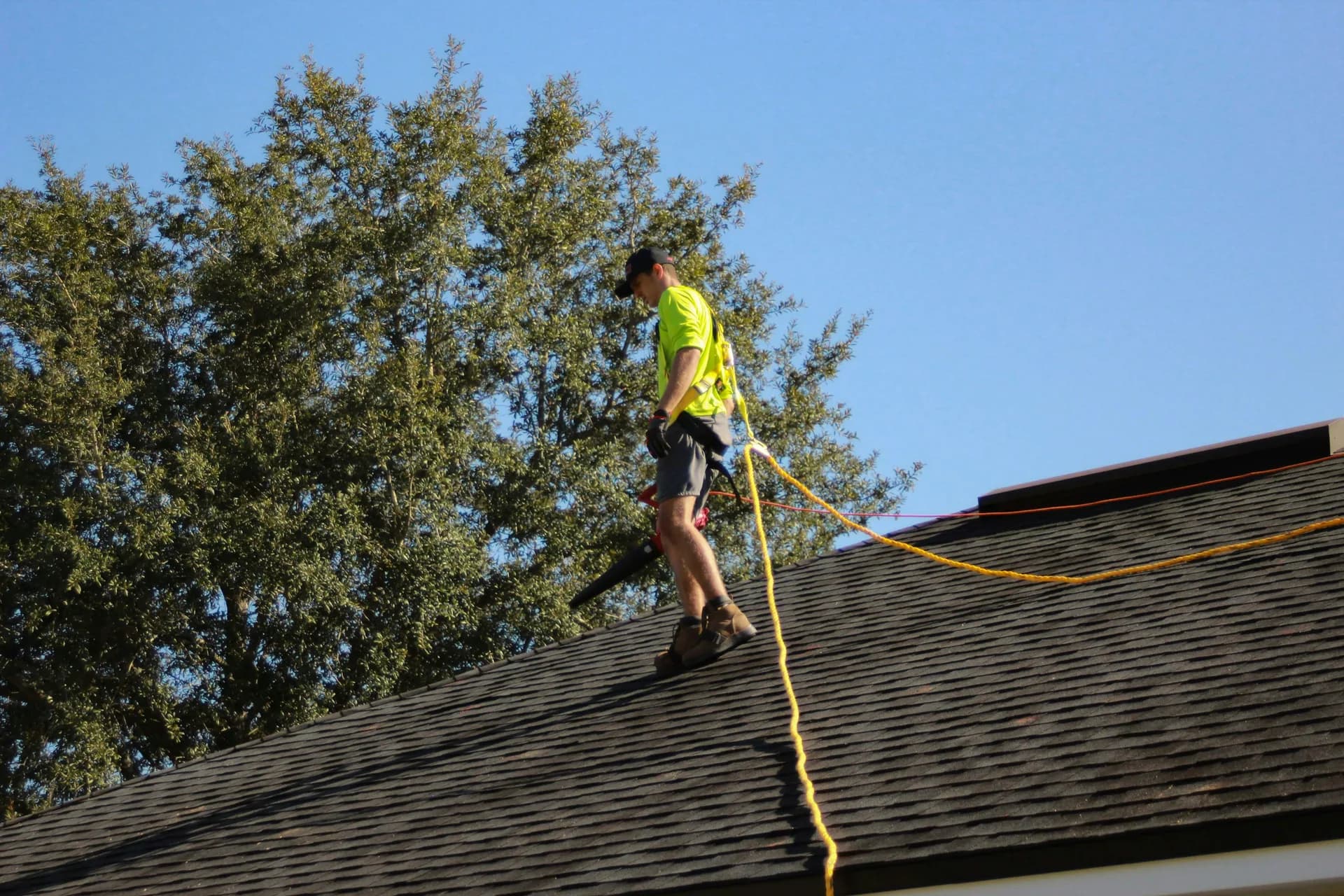
Walking on hail-damaged roofs risks further shingle breakage and voids some manufacturer warranties. Asphalt shingles weakened by hail impacts crack under foot traffic, creating additional damage insurance carriers may refuse to cover. Professional inspectors use proper fall protection and distribute weight to avoid compounding existing damage, a precaution most homeowners cannot replicate safely.
Insurance claim success rates improve significantly with professional documentation. Pennsylvania carriers approve 70–80% of claims supported by certified inspector reports compared to 40–50% of claims based on homeowner-submitted photos alone. The inspection cost pays for itself through higher settlement amounts and reduced claim disputes, particularly in counties where adjusters routinely challenge damage severity.
What Happens After the Inspection Identifies Hail Damage?
Inspectors provide a written report detailing damage location, strike density, and replacement recommendations within 2–5 business days. Pennsylvania homeowners use this report to file insurance claims, attaching photos and damage maps as supporting documentation. Most carriers assign an adjuster within 7–10 days of claim filing; spring and summer storm seasons extend this timeline to 2–3 weeks due to claim volume.
Temporary repairs may be necessary if damage includes active leaks or compromised flashing. Pennsylvania building codes do not require permits for emergency tarping, but full replacement projects need municipal permits in most counties. Contractors should handle permit applications as part of project scope; permit costs typically run $150–$400 depending on jurisdiction and project size.
Replacement timelines depend on insurance approval speed and contractor availability. Pennsylvania roofing contractors book 3–6 weeks out during May through September, the peak storm damage and replacement season. Homeowners should select contractors before adjuster visits complete, allowing immediate project start once settlement checks arrive. Delays beyond 60 days after damage approval risk claim complications if secondary damage develops.