What Does Hail Damage Look Like on South Carolina Roofs?
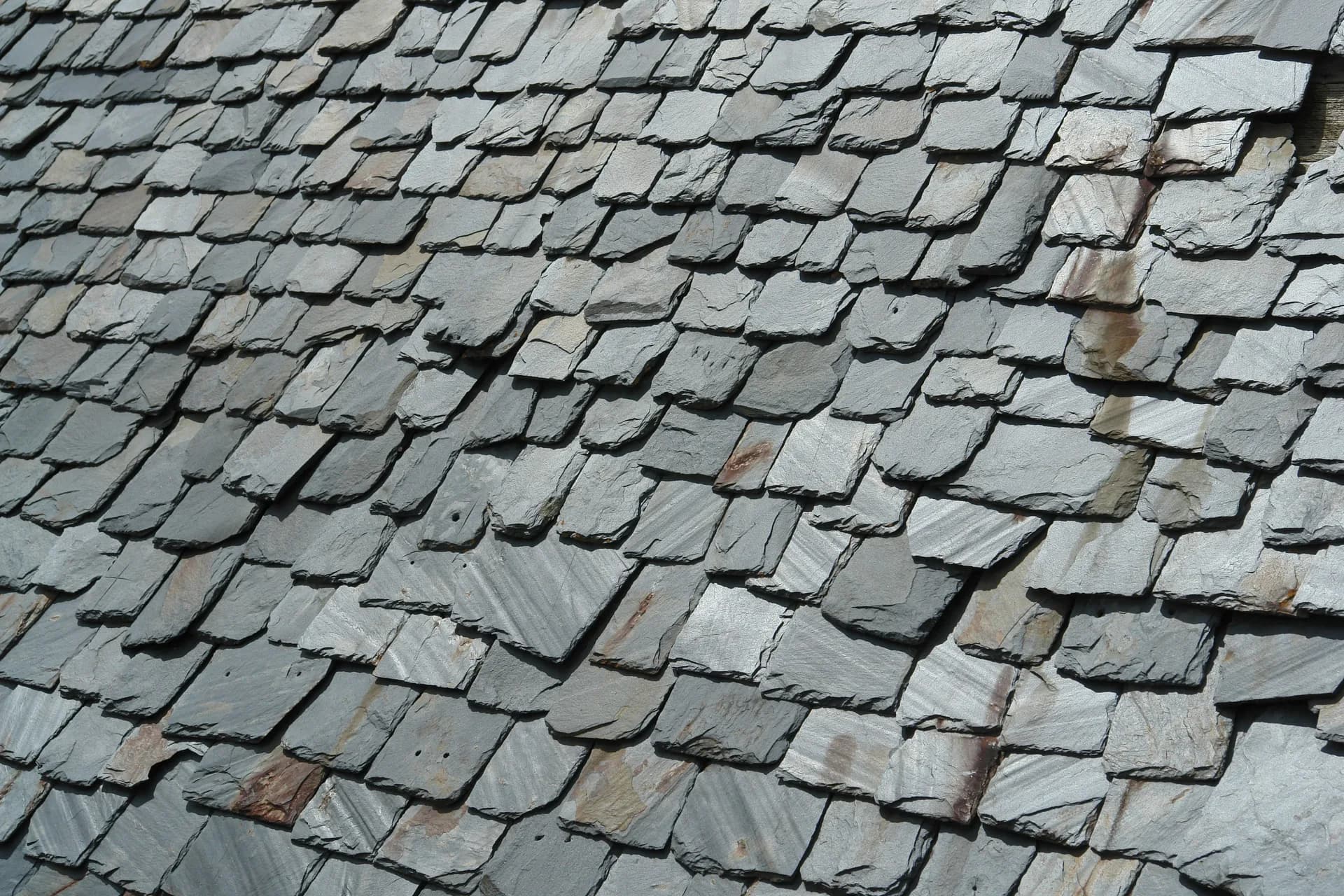
Hail damage on asphalt shingle roofs appears as circular bruises where hailstones compressed the shingle mat, exposing the underlying asphalt or cracking the protective granule layer. These bruises feel soft to the touch and often cluster in sections where wind drove hail at steep angles. Larger hailstones—those exceeding one inch in diameter—crack shingle edges, split sealant strips between tabs, and leave visible dents in metal flashing, ridge vents, and gutters.
South Carolina's most damaging hail events occur during severe spring thunderstorms, particularly in the Upstate and Midlands counties where supercell activity peaks between March and June. The March 2020 hail event across Greenville and Spartanburg counties produced golf ball-sized hail that damaged thousands of roofs, many of which showed no visible damage from street level. Hidden bruising weakens shingle integrity over time, leading to accelerated granule loss and eventual leaks within two to four years if left unaddressed.
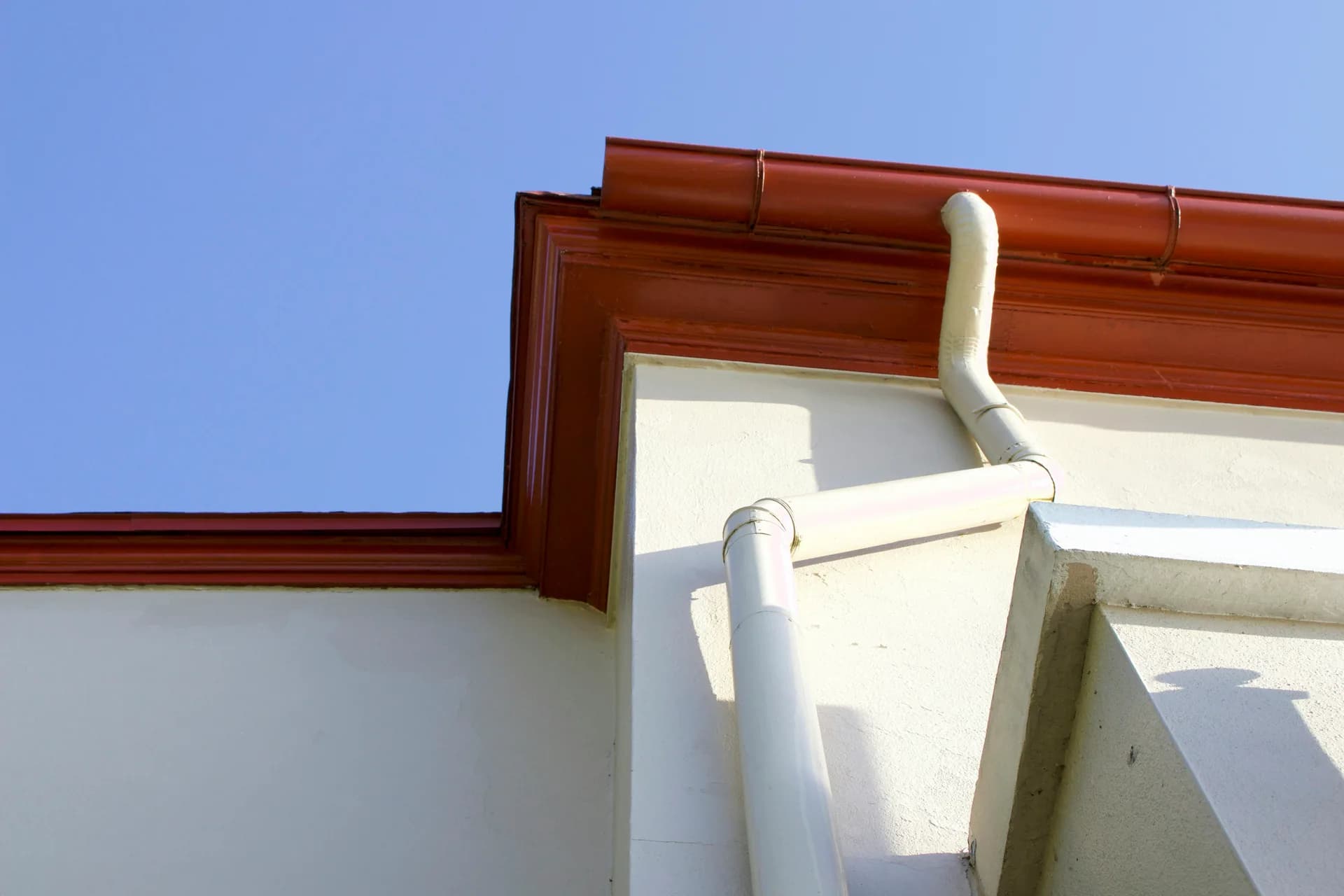
Granule loss concentrates in roof valleys and along eaves where hail strikes at lower angles and water flow washes displaced granules into gutters. Inspect downspouts and gutter channels for accumulations of dark, sand-like material—the protective mineral coating that shields shingles from UV exposure. Roofs older than ten years with pre-existing granule loss show hail damage more quickly because the shingle mat has less cushioning to absorb impact energy.
How Do You Inspect a Roof for Hail Damage in South Carolina?
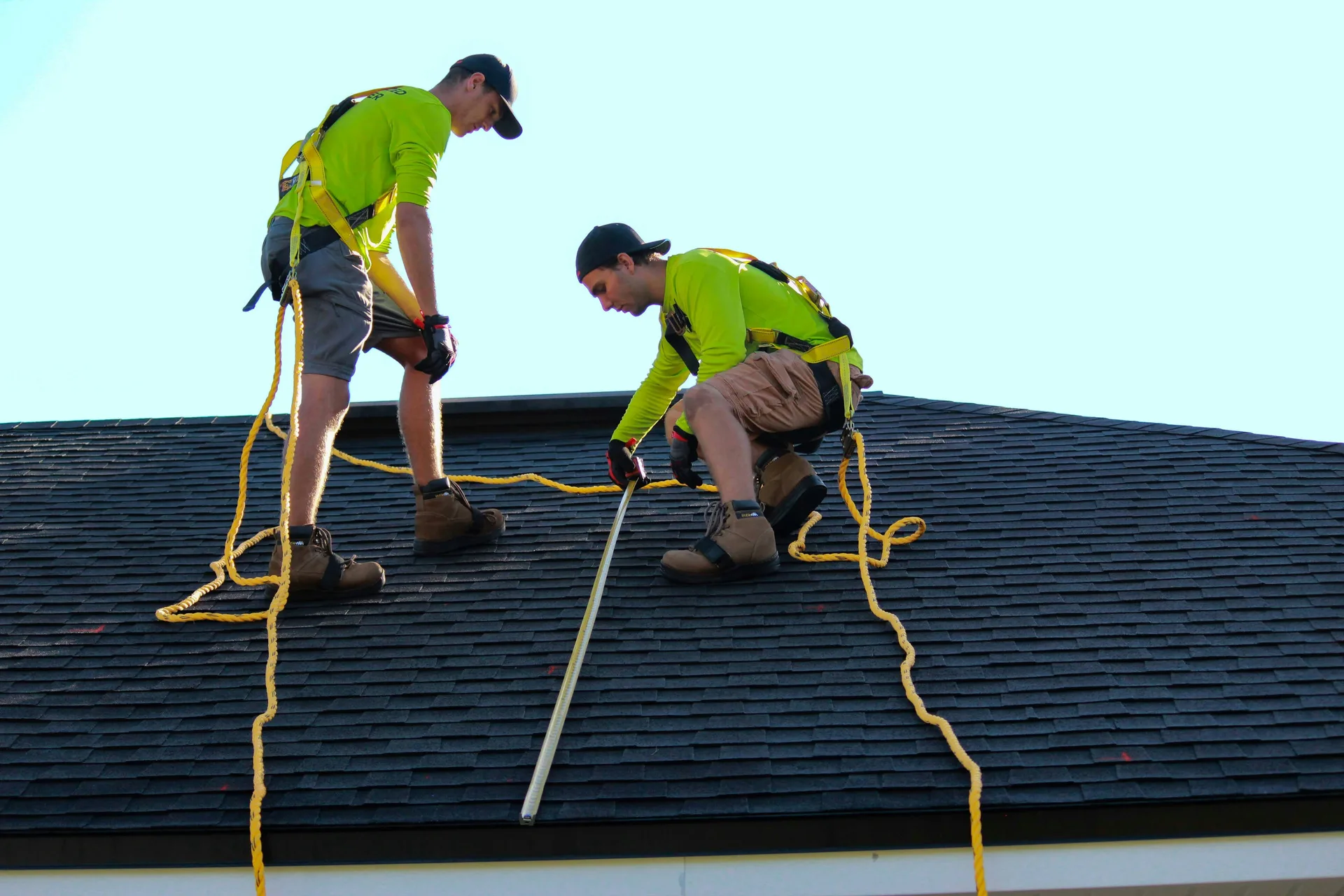
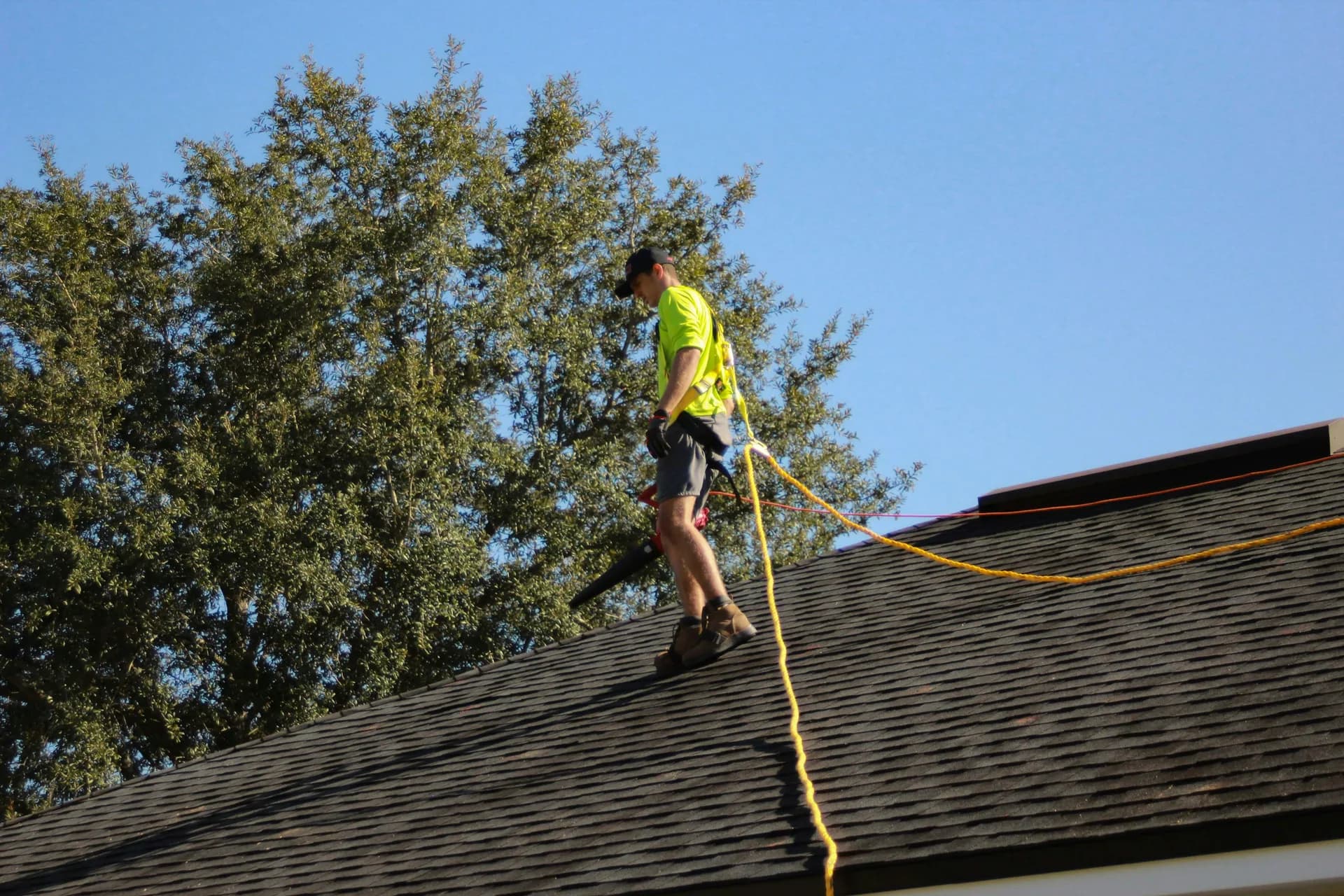
A thorough hail damage inspection starts on the ground, checking gutters, downspouts, and landscaping for fresh granule accumulation and examining metal components like HVAC units, vents, and chimney flashing for visible dents. Licensed contractors then access the roof surface to perform close-range inspections of shingle tabs, checking for soft spots,mat fractures, and loss of sealant adhesion. Each slope receives individual attention because wind direction during storms creates uneven damage patterns—south-facing and west-facing slopes in South Carolina typically sustain heavier hail impact.
Contractors document damage with photos showing impact marks against a reference object like a quarter or measuring tape, creating a visual record for insurance adjusters. They mark damaged areas with chalk or temporary tags to ensure comprehensive coverage during the adjuster's visit. Most South Carolina insurers require professional documentation for hail claims, particularly when damage isn't visible from ground level or when the storm event occurred weeks earlier.
Inspection timing matters. Schedule within two weeks of a confirmed hail event in your county to establish a clear timeline between the storm and the damage. South Carolina homeowners insurance policies typically require claims within one year of the loss, but earlier reporting improves claim approval rates and prevents disputes over whether damage came from the reported event or prior wear.
What Are the Common Signs Homeowners Miss During Self-Inspections?
Homeowners inspecting from the ground routinely miss shingle bruising because undamaged granule surfaces hide the compressed mat underneath. A shingle can lose structural integrity while appearing intact, with the actual damage only visible during physical inspection where pressure applied to the tab reveals soft spots or indentations. Self-inspections also overlook fractured sealant strips—the adhesive bands bonding each shingle to the layer below—which fail after hail impact but don't manifest as visible cracks until wind lifts the loosened tabs months later.
Metal component damage serves as a diagnostic indicator contractors use to estimate hail size and roof impact severity. Dented ridge vents, creased drip edge, and dimpled chimney flashing all suggest hailstones large enough to bruise shingles even when the shingle surface looks normal. Homeowners checking only the shingle field miss this corroborating evidence that adjusters and roofing professionals rely on during damage assessments.
Another frequently missed sign: cracked or missing ridge cap shingles along the roof peak. Ridge caps take direct vertical hail strikes without the cushioning effect of overlapping shingle layers, making them more vulnerable to splitting and granule displacement. South Carolina's spring hailstorms often produce localized wind bursts exceeding fifty miles per hour, compounding impact damage with shear forces that tear already-compromised ridge caps loose from their fasteners.
When Should You Call a Professional Hail Damage Inspector?
Call a licensed roofing contractor within seventy-two hours of any confirmed hail event producing stones one inch or larger in your county. The National Weather Service issues hail size reports through local forecast offices in Greenville-Spartanburg, Columbia, and Charleston, providing specific measurements and affected ZIP codes. Contractors familiar with South Carolina storm patterns recognize which events merit immediate inspection versus minor weather that's unlikely to cause actionable damage.
Schedule a professional inspection even if you see no visible damage after storms reported to have produced golf ball-sized hail or larger. Insurance claim data from South Carolina's Midlands region shows roughly thirty percent of approved hail damage claims involve roofs with no ground-level visible indicators, identified only through professional close-range inspection. Waiting until leaks develop forfeits the opportunity to file a timely insurance claim and risks secondary water damage to decking, insulation, and interior finishes.
Property owners planning to sell within two years should document any hail event occurring during their ownership, even if immediate replacement isn't necessary. Home inspections routinely flag older hail damage as a material defect requiring disclosure, and undocumented damage raises questions about maintenance history and concealed issues. A professional post-storm inspection report protects both insurance claim eligibility and future transaction clarity.
What Happens After a Hail Damage Inspection Confirms Roof Damage?
Contractors provide a written inspection report detailing damage locations, estimated hail size based on impact patterns, and recommendations for repair versus full replacement. South Carolina insurers typically cover full roof replacement when hail damage affects more than thirty percent of any single slope or when bruising compromises shingle integrity across multiple roof sections. The contractor's documentation becomes the foundation for your insurance claim, supplementing the adjuster's independent assessment.
File your insurance claim immediately after receiving the contractor's report, providing photos, the inspection summary, and the date of the confirmed hail event. Most South Carolina homeowners policies include a roof replacement depreciation schedule that reduces coverage as the roof ages, but actual cash value settlements still cover a significant portion of replacement costs for roofs under fifteen years old. Your contractor coordinates with the adjuster's site visit, walking the roof together to review damage and ensure all affected areas appear in the claim estimate.
Replacement timelines depend on claim approval speed and contractor availability. Spring hail events across the Upstate and Midlands create scheduling backlogs extending six to ten weeks during peak damage years, while isolated summer storms allow faster project starts. Contractors often provide temporary tarping or emergency repairs for actively leaking damage while the claim processes, with costs typically covered under the policy's emergency mitigation provisions.