What Does a Professional Hail Damage Roof Inspection Include in South Dakota?
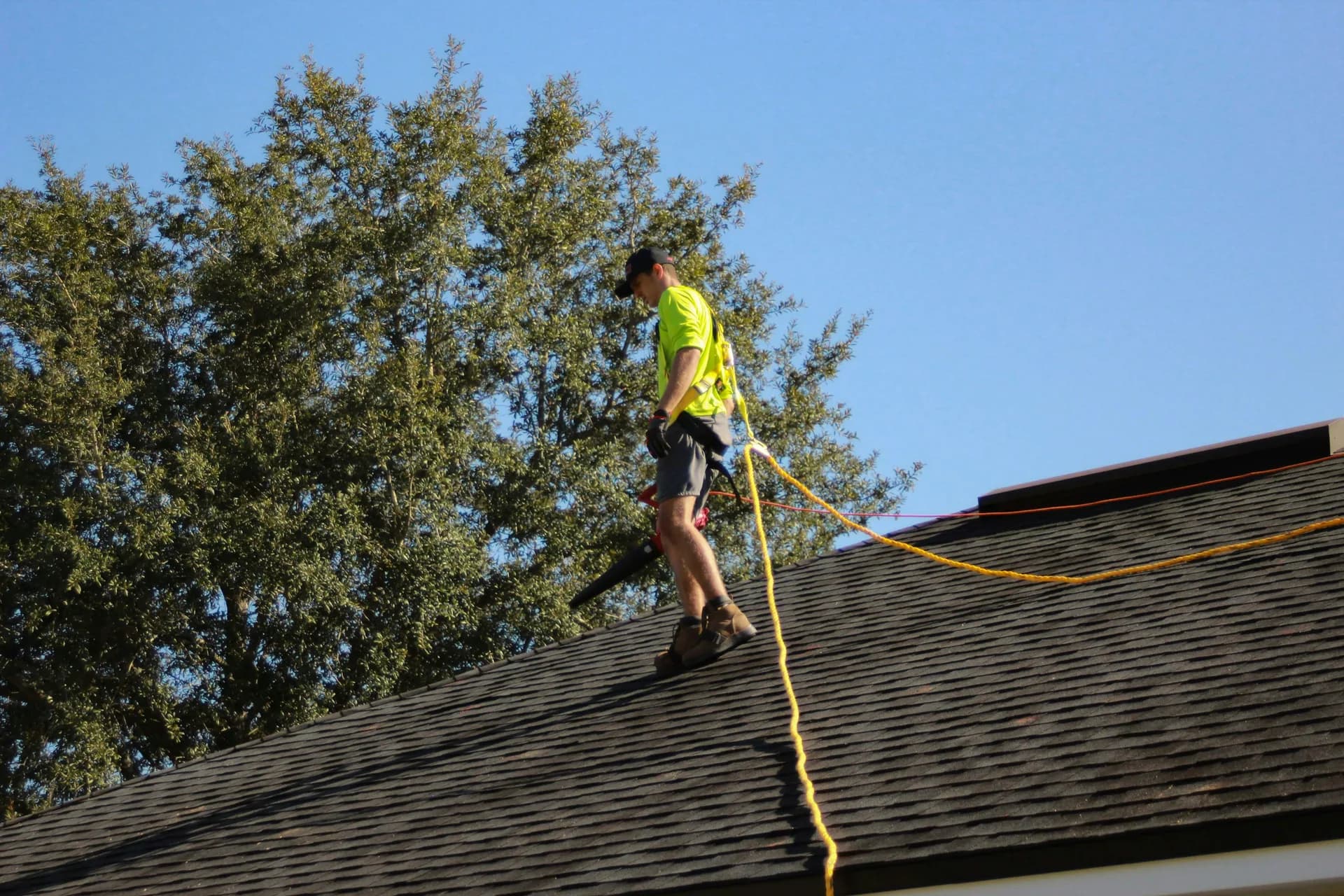
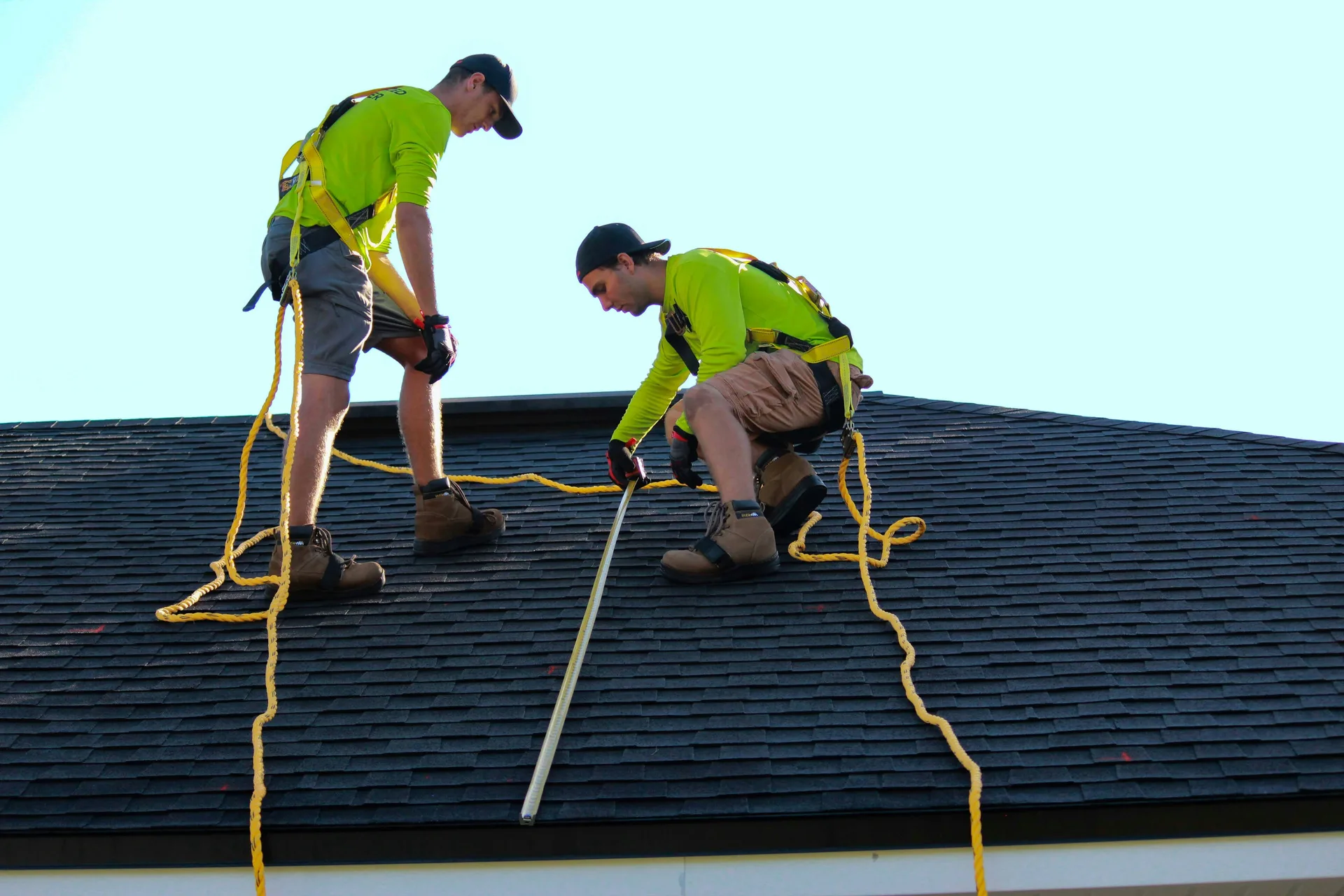
A professional hail damage inspection in South Dakota involves climbing onto the roof to examine shingles, flashing, vents, and valleys for impact marks that indicate structural compromise. Inspectors look for soft spots on asphalt shingles where hail has bruised the mat beneath the granules, check metal flashing and drip edges for dents, and examine ridge caps and hip shingles where hail impact is most visible. Most inspections take 45–90 minutes depending on roof size and pitch.
Inspectors document findings with photos marking each damaged area, measure hail bruise diameter and density per 10x10 foot section, and note whether damage is cosmetic or functional. Functional damage means the shingle's ability to shed water is compromised. Insurance adjusters use these measurements to determine whether the damage meets carrier thresholds for replacement, typically 8–10 hits per 100 square feet for most carriers in South Dakota.
The inspection also includes checking gutters and downspouts for granule accumulation, which signals accelerated shingle deterioration. After severe hail events like the June 2020 storms that hit Sioux Falls and surrounding areas with golf ball-sized hail, granule loss often appears within weeks as damaged shingles shed protective coating.
How Do You Identify Hail Bruising on Asphalt Shingles?
Hail bruising appears as dark circular spots on asphalt shingles where impact has fractured the asphalt layer and compressed the fiberglass mat underneath. You won't see a hole or crack, just a soft indentation that feels different when pressed. These bruises expose the underlying mat to UV damage and moisture infiltration, accelerating shingle failure even if the roof doesn't leak immediately.
Bruises are easiest to spot in angled morning or evening light, when shadows highlight the indentations. On darker shingles, look for shiny spots where the impact removed granules and exposed the asphalt surface. The pattern is random across the roof, matching the storm's wind direction and intensity. If hail was wind-driven, you'll see concentrated damage on one slope while other sides show minimal impact.
Professional inspectors use a test square method: they examine a 10x10 foot section in detail, count the bruises, then extrapolate across the roof. South Dakota insurance carriers typically require at least 8 bruises per test square to approve replacement. Smaller hail under 1 inch may cause cosmetic bruising without triggering replacement thresholds, while stones over 2 inches create unmistakable damage that meets every carrier's standard.
What Other Roof Components Show Hail Damage Besides Shingles?
Metal roof vents, turbine vents, and plumbing boots show dents from hail impact that are often more visible than shingle damage. Inspectors check these components first because dents in metal are definitive proof hail hit the roof with enough force to damage shingles. Satellite dishes, HVAC units, and skylights also carry impact evidence.
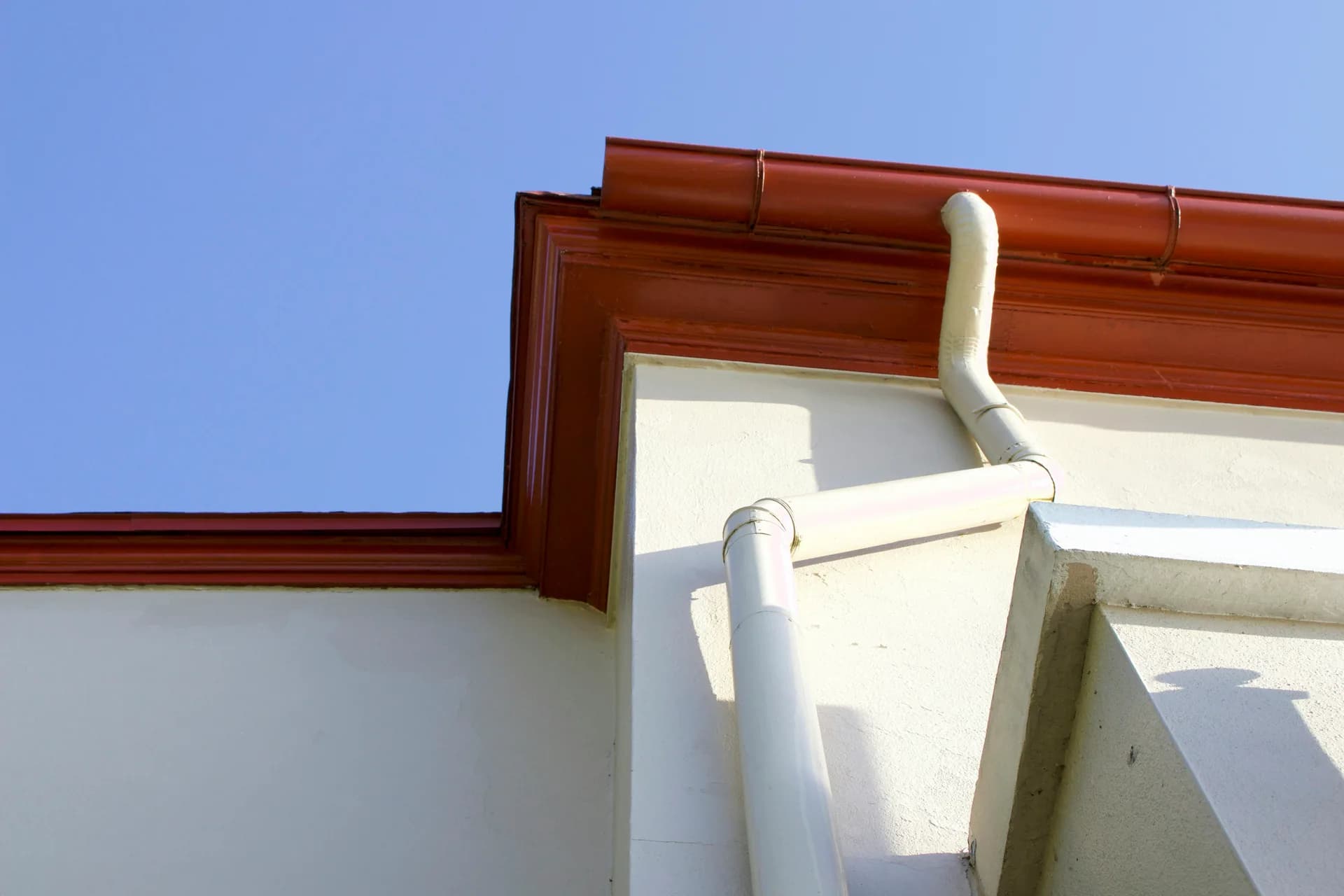
Flashing around chimneys, valleys, and sidewalls develops creases and dents that compromise the waterproof seal. Ridge cap shingles, which stand higher than field shingles, absorb direct hail strikes and often show the most severe bruising. Gutters accumulate dents along the outer lip, and downspout elbows may be crushed if hail was accompanied by strong winds.
Soft metals like aluminum and copper show damage more readily than galvanized steel, but all metal components provide measurable evidence for insurance claims. South Dakota contractors document this evidence photographically because it supports the claim even if shingle damage is borderline. A dented vent cap proves hail size and impact force, strengthening the case for full replacement.
When Should You Schedule a Hail Damage Inspection in South Dakota?
Schedule an inspection within two weeks after any hail storm that drops stones over 1 inch in diameter or is accompanied by high winds. South Dakota's peak hail season runs May through August, with the most destructive storms hitting the eastern tier of counties from Minnehaha to Brown County. Waiting longer than 30 days can complicate insurance claims, as carriers require timely reporting.
If you missed the initial storm window, inspect your roof before winter. Hail damage from a June storm may not leak immediately, but freeze-thaw cycles through a South Dakota winter will open the bruises into cracks. Granule loss accelerates once ice forms in the damaged mat, and you'll face emergency repairs in January when contractors are limited and prices rise.
Some homeowners wait for an insurance adjuster before hiring an independent inspector, but South Dakota contractors recommend getting your own inspection first. Adjusters work for the carrier and may use different damage thresholds or miss secondary damage. An independent roofing contractor's documentation gives you leverage if the adjuster's assessment is lower than expected. Most inspections cost nothing if you use the contractor for the replacement.
How Much Does Roof Replacement Cost After Hail Damage in South Dakota?
Full asphalt shingle roof replacement in South Dakota runs $8,000–$18,000 for a typical 2,000 square foot ranch, depending on shingle grade, pitch, and whether the project includes deck repairs. Insurance covers most of the cost if the adjuster confirms functional hail damage, but homeowners pay the deductible plus any upgrade costs for impact-resistant shingles or architectural styles not covered by the policy.
Impact-resistant Class 4 shingles add $1.50–$2.50 per square foot but qualify for insurance discounts of 10–35% on future premiums in South Dakota. GAF Timberline HDZ and CertainTeed Landmark IR are the most common Class 4 options installed across the state. These shingles have a reinforced mat designed to absorb hail impact without bruising, and many manufacturers offer extended warranties in hail-prone regions.
Pitch affects labor costs significantly. A steep 8/12 or 10/12 pitch roof requires additional safety equipment and takes longer to install, adding 20–30% to the base price. Sioux Falls and Rapid City contractors report average costs near the middle of the range, while rural projects may run higher due to travel time. Estimates based on available industry data; individual project costs vary by roof size, pitch, material, and regional labor rates.
What Makes a Roofing Contractor Qualified to Assess Hail Damage in South Dakota?
Look for contractors certified by HAAG Engineering or trained through manufacturer programs like GAF's Master Elite or CertainTeed's SELECT ShingleMaster. HAAG certification requires passing a rigorous exam on storm damage assessment and is recognized by insurance carriers as the industry standard. Certified inspectors understand the difference between hail bruising, wind damage, and normal wear, which prevents claim disputes.
South Dakota does not require state-level roofing contractor licensing, so verify municipal business licenses and insurance coverage instead. Ask for proof of general liability insurance with at least $1 million coverage and workers' compensation for all crew members. Contractors operating without workers' comp expose homeowners to liability if someone is injured on the property.
Experience with South Dakota's specific storm patterns matters. Contractors who work regularly in Sioux Falls, Brookings, and Watertown know how local hail events differ from wind-driven storms and can document damage in ways that match regional insurance adjuster expectations. Avoid contractors who arrive immediately after a storm event without local references, especially those offering to pay your deductible or promising guaranteed claim approval.