What Does Hail Damage Actually Look Like on Texas Roofs?
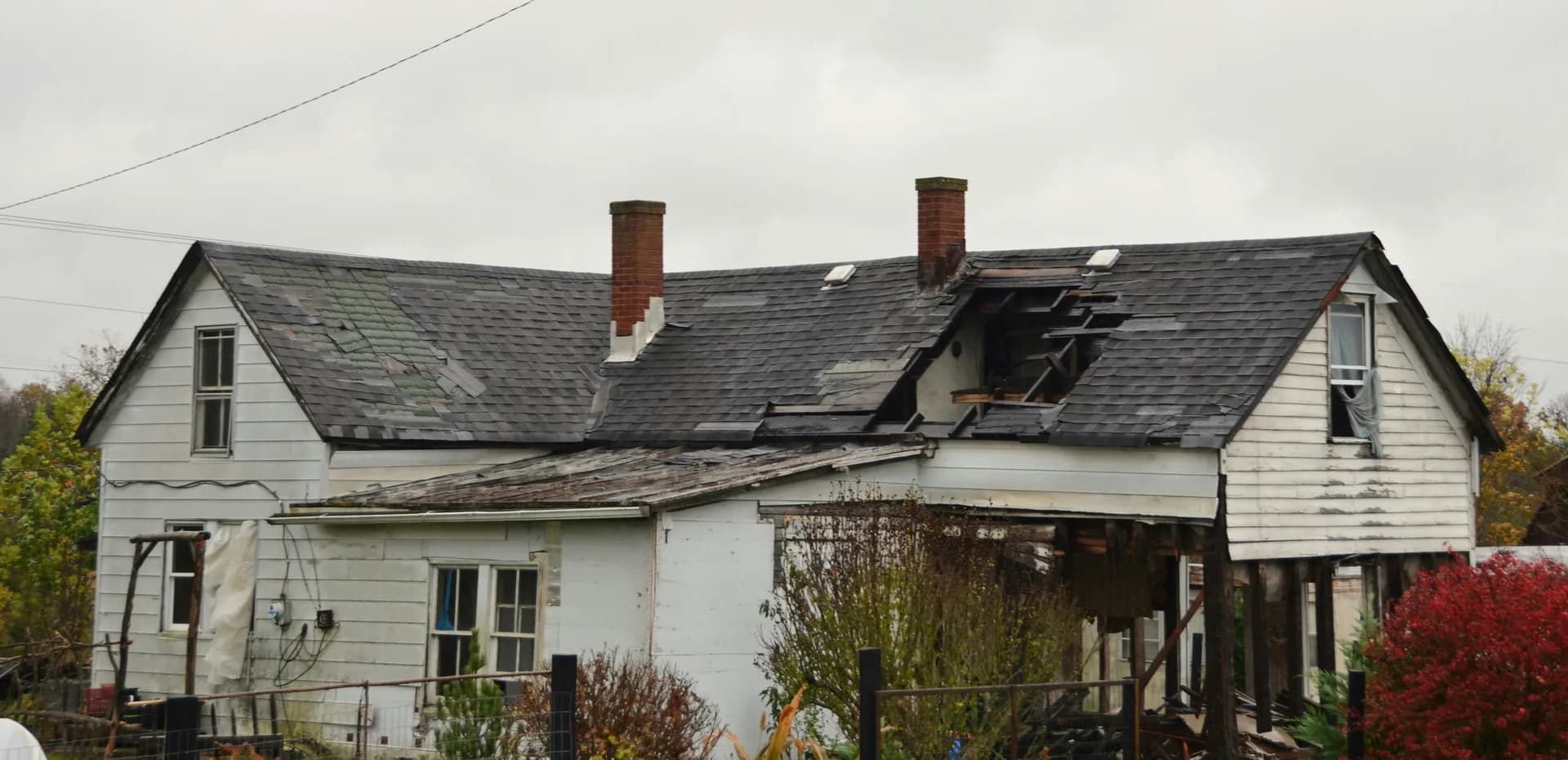
Hail damage appears as circular divots on asphalt shingles where the impact compresses the fiberglass mat underneath, weakening the shingle even when the surface granules remain intact. You'll see these bruises clustered on roof slopes facing the storm direction, typically the south and west exposures in Texas hailstorms. Shingle edges may show cracking or tearing where large hailstones—anything over 1 inch in diameter—hit at an angle.
Granule loss concentrates around impact points and washes into gutters and downspouts as dark, sand-like material. Check your gutters after a storm: fresh granule accumulation with circular bald spots on the shingles above signals active damage. Metal components take visible hits too—roof vents, flashing around chimneys, and gutter seams show denting that confirms hail size and intensity.
The hidden damage matters more than surface marks. Mat compression from repeated hail impacts shortens shingle lifespan by 40–60% even when the shingle looks intact from the ground. This subsurface failure leads to leaks 18–36 months after the storm, long after most homeowners have moved on from the event.
How Do You Inspect a Roof for Hail Damage Without Missing Critical Areas?
Start with binoculars from the ground to scan for obvious shingle bruising, missing pieces, and granule bald spots before climbing onto the roof. Walk the property perimeter and photograph any dented metal components—AC units, fence caps, mailbox tops—since these corroborate hail size for your insurance documentation. Ground-level damage to landscaping, siding, or window screens tells you hail was large enough to impact roofing materials.
On the roof itself, inspect the slopes that faced the storm direction first—most Texas hail events track northeast, meaning south and west roof faces take the hardest hits. Press gently on shingles in suspected damage zones: bruised areas feel soft or spongy compared to undamaged sections. Check ridge caps and hips where overlapping shingles create thicker targets for hail strikes.
Test squares—random 10x10 foot sections across different roof planes—give you a damage density count that insurance adjusters use to determine total loss thresholds. Texas carriers typically require 8–12 confirmed hail strikes per test square to approve full replacement. Document every strike with a photo that includes a measurement reference, and mark each location with chalk so the adjuster can verify your count.
What Hail Size Causes Roof Damage That Requires Replacement in Texas?
Hail measuring 1 inch in diameter or larger—roughly the size of a quarter—begins causing actionable damage to standard asphalt shingles used across Texas residential construction. Stones in the 1 to 1.5 inch range produce the bruising and mat compression that shortens shingle life but may not trigger immediate replacement unless strike density exceeds carrier thresholds. Hail above 1.75 inches—golf ball size and larger—creates the cracking, tearing, and granule stripping that forces replacement on most roofs.
Texas hail frequency varies sharply by region: the Red River corridor and north-central counties around Dallas-Fort Worth see 1-inch-plus hail an average of 4–7 days per year, while the Houston metro and Gulf Coast areas experience large hail 1–3 days annually. The Panhandle and western Hill Country face the largest stones—2 to 3 inch hail occurs there during severe spring supercells, producing total-loss damage in a single storm.
Impact angle and wind speed amplify damage beyond hail size alone. Hail driven horizontally by 50+ mph winds hits roofs at steeper angles, punching through shingles that might survive vertical impacts from the same size stone. Texas spring storms combine large hail with straight-line winds regularly, which is why post-storm inspections often find damage concentrated on one or two roof slopes rather than distributed evenly across the entire structure.
Should You Hire a Professional Inspector or Rely on Your Insurance Adjuster?
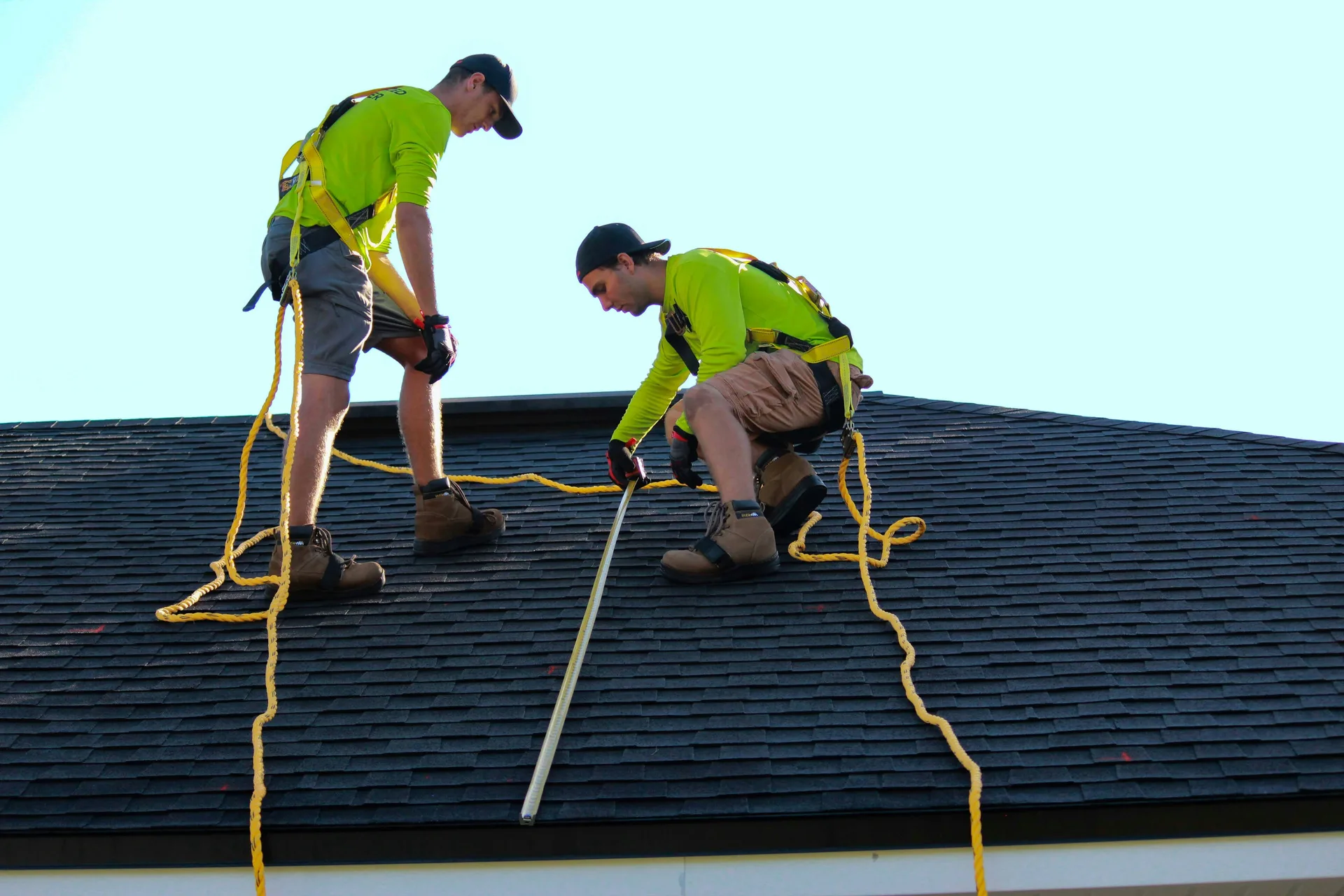
Hire an independent roofing contractor with HAAG certification or equivalent training to inspect your roof before the insurance adjuster arrives. Adjusters work volume caseloads after major Texas hail events—sometimes 30–50 claims per week during peak storm season—and they allocate 20–45 minutes per roof inspection. A contractor dedicated to your property will spend 60–90 minutes documenting strike counts, photographing subsurface damage, and mapping impact patterns across every roof plane.
Independent inspections catch hidden damage that quick adjuster walkthroughs miss: damaged underlayment, compromised decking around penetrations, and secondary wind damage that occurred simultaneously with hail. Contractors document this evidence before the adjuster visit, giving you leverage if the initial claim gets denied or undervalued. Texas insurance law allows you to have your contractor present during the adjuster inspection, and most experienced storm-damage roofers will attend to advocate for accurate damage assessment.
Adjusters represent the carrier's financial interest, not yours. Their job is to pay valid claims, but their performance metrics reward claim closure speed and cost containment. A contractor representing your interest creates a check on that imbalance, particularly in borderline cases where hail size, strike density, or roof age might push the claim toward repair instead of replacement.
What Documentation Do You Need to Support a Hail Damage Roof Replacement Claim?
Collect dated photographs of every damaged area within 72 hours of the storm: close-ups of individual shingle bruises with a coin or ruler for scale, wide shots showing damage distribution across roof planes, and ground-level images of collateral hail damage to gutters, vents, and siding. Time-stamped photos from your phone work—insurance carriers accept them as long as the metadata confirms the date falls within your reported storm timeframe. Texas storm databases maintained by NOAA and the National Weather Service provide official hail size and path data that you can attach to your claim as supporting evidence.
Your contractor's inspection report should include a test square count, marked photographs of each documented strike, and a written assessment of whether the damage meets replacement thresholds under your policy terms. This report goes to the adjuster alongside your claim filing. Request a copy of the adjuster's own inspection report after their visit—Texas law requires carriers to provide it within 15 business days—and compare their strike counts and damage assessments against your contractor's findings.
Retain receipts or records showing your roof age and any prior repairs or replacements. Carriers reduce claim payouts for depreciation based on roof age: a 12-year-old roof with a 20-year shingle warranty gets a prorated payout rather than full replacement cost unless you carry specific endorsements. Proving recent maintenance, prior storm damage repairs, or documentation that the roof was in good condition immediately before the hail event strengthens your position during claim negotiation.
How Long After a Hail Storm Can You File a Roof Damage Claim in Texas?
Texas insurance policies typically require you to report property damage within one year of the date of loss, but you should file your claim within 30–60 days of the storm for maximum leverage and faster processing. Carriers handle claims in the order received after major hail events, and late filers face longer wait times for adjuster visits—sometimes 4–8 weeks during heavy storm seasons when the Dallas, Austin, and San Antonio metros all get hit in the same week. Early filing also protects you if secondary damage like leaks develop while you're waiting for claim resolution.
The statute of limitations for filing a lawsuit related to a denied or underpaid claim is generally two years from the date of loss under Texas insurance law, giving you a legal window even if initial claim filing happens months after the storm. That said, delayed claims face more adjuster skepticism since proving the damage came from a specific storm gets harder as time passes and additional weather events occur. Adjusters will question whether the damage you're showing them happened in the storm you're claiming or from subsequent hail, wind, or wear.
If you suspect hail damage but aren't certain, get the inspection done within 90 days and document findings even if you don't file immediately. Some homeowners wait to file until they've confirmed damage exceeds their deductible or meets replacement thresholds, but they protect themselves by having timestamped contractor reports on file that tie observable damage to a known storm date.