What Does Hail Damage Look Like on Virginia Roofs?
Hail damage on asphalt shingles shows as circular impacts where hailstones compress the shingle surface, displacing granules and exposing the underlying fiberglass mat or felt paper. These bruises typically measure 0.5 to 2 inches in diameter depending on hailstone size. Damaged areas feel soft when pressed because the asphalt layer has been crushed.
Metal flashing around chimneys, vents, and roof edges shows denting from direct hailstone impacts. Aluminum and galvanized steel flashing records every hailstone strike as a visible divot. Ridge caps sustain heavier damage than field shingles because they sit higher and absorb more direct impact energy.
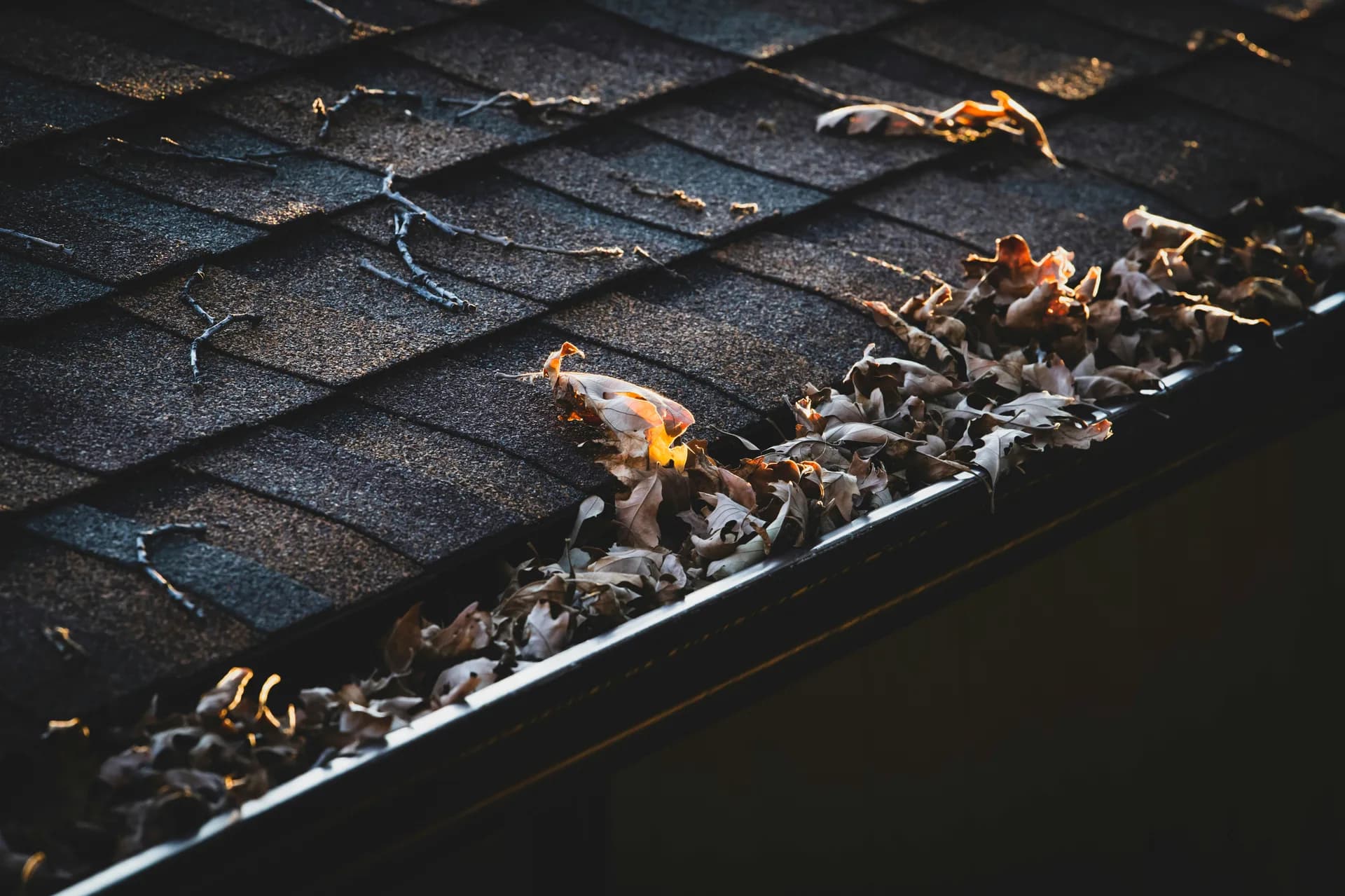
Granule loss appears first in gutters and downspouts after hail events. A handful of loose granules is normal aging, but concentrated piles of granules after a storm indicate widespread shingle surface damage. Exposed black asphalt or tan fiberglass matting on the shingle surface confirms granule displacement severe enough to compromise the roof's protective layer.
Where Should You Check First After a Virginia Hail Storm?
Start with gutters and downspouts because displaced granules concentrate there within hours of a hail event. Scoop out debris and look for piles of colored granules matching your shingle color. A cup or more of fresh granules after a storm suggests impact damage across multiple shingles.
Inspect south and west-facing slopes first because prevailing storm patterns in Virginia drive hail from those directions during spring and summer convective events. These slopes receive the most direct impacts. Check areas around roof penetrations where flashing meets shingles, as these transitions often show impact damage first.
Walk the property perimeter and scan for visible divots or shiny spots where granules have been stripped away. Bring binoculars to examine ridge caps and upper roof sections without climbing. Document what you see with photos marked by date and location on the roof.
How Big Does Hail Need to Be to Damage Shingles in Virginia?
Hail 1 inch in diameter or larger causes functional damage to standard three-tab and architectural asphalt shingles common across Virginia. Stones this size create bruising that accelerates weathering and shortens roof lifespan even when leaks don't appear immediately. Insurance adjusters typically classify 1-inch hail as the threshold for claim-worthy damage.
Virginia receives 1-inch or larger hail an average of 2 to 4 times per year across the state, with higher frequency in the Shenandoah Valley and southwestern counties. The National Weather Service documents hailstone size by comparing to coins, golf balls, or measured calipers. Quarter-size hail measures 1 inch; golf ball-size measures 1.75 inches.
Impact-resistant shingles rated Class 4 by UL 2218 withstand up to 2-inch hailstones without functional damage. These products cost 10 to 20 percent more than standard shingles but qualify for insurance discounts of 15 to 30 percent in many Virginia counties with documented hail risk.
What Are Hail Bruises and Why Do They Matter?
Hail bruises are compression zones where hailstone impact crushes the asphalt layer and fiberglass mat beneath the shingle surface. The granule layer may remain partially intact, making the damage invisible from the ground. Bruised areas feel spongy when pressed because the structural integrity of the shingle has been compromised.
Bruising accelerates granule loss over the 6 to 18 months following impact. As the damaged asphalt layer deteriorates, granules shed faster than on undamaged sections. This creates uneven weathering patterns and exposes the waterproofing layer to UV degradation.
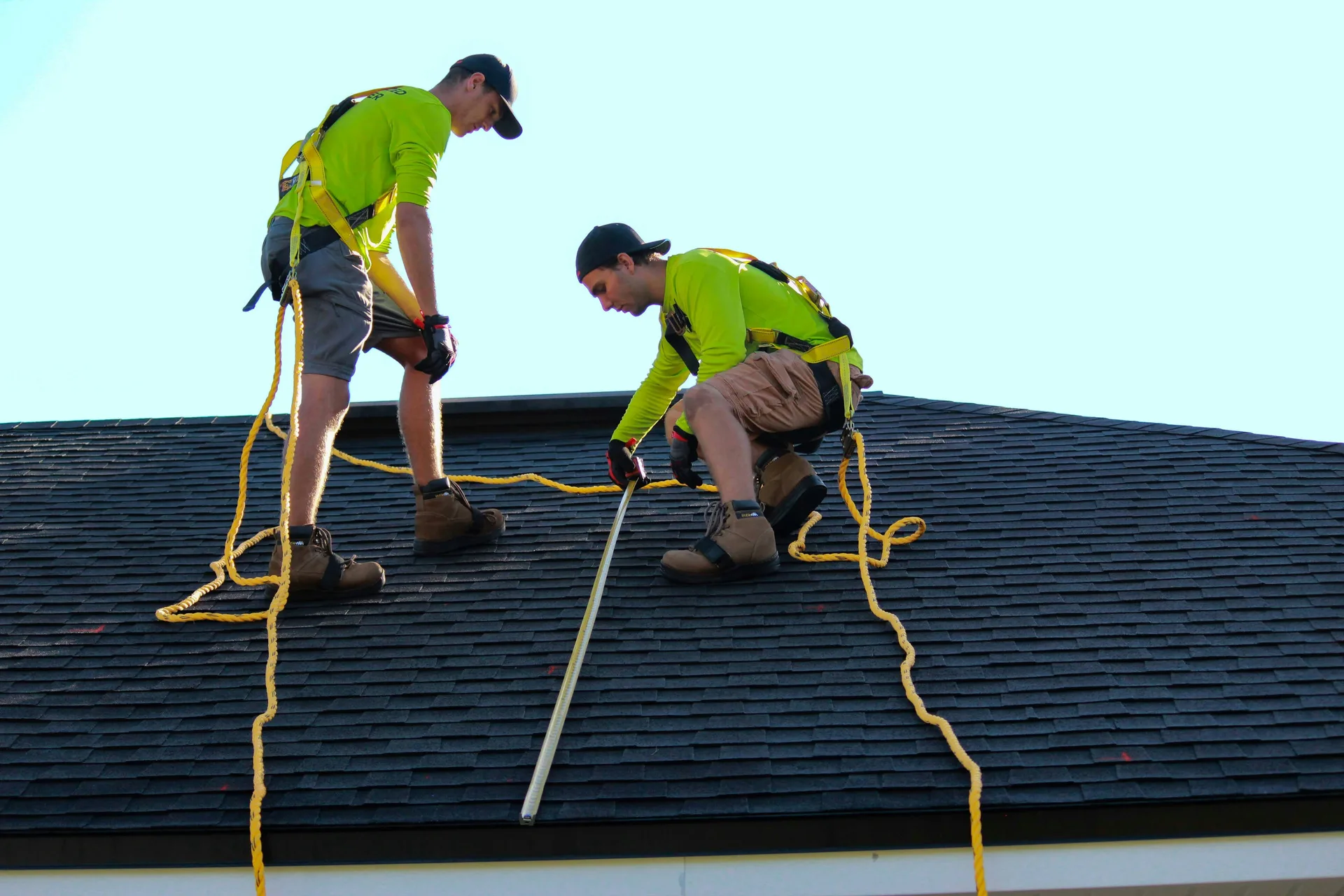
Most homeowners don't detect bruising without a contractor walking the roof and pressing suspect areas by hand. Adjusters use this same tactile inspection method during insurance claim assessments. Photographic evidence of bruising requires close-range shots showing the soft divot under finger pressure.
When Should You Schedule a Professional Hail Inspection in Virginia?
Schedule an inspection within 2 weeks of any hail event producing stones 1 inch or larger in your area. Insurance policies in Virginia typically allow 1 year from the date of loss to file claims, but earlier documentation strengthens your case. Contractors familiar with storm damage can identifybruising and impact patterns adjusters look for.
Hail events in Virginia peak from April through September during convective storm season. The National Weather Service issues hail size estimates within hours of severe weather reports. Cross-reference these reports with your address to determine whether an inspection is warranted.
Choose licensed contractors who carry general liability and workers' compensation insurance. Ask whether they perform inspections at no cost or charge a fee credited toward repair work. Avoid contractors who offer to waive insurance deductibles or promise guaranteed claim approvals, as these practices violate Virginia insurance regulations.
What Documentation Do You Need for a Virginia Hail Damage Claim?
Document the hail event itself with date, time, and hailstone size reported by the National Weather Service or local media. Save weather reports, radar images, and neighbor accounts confirming hail fell on your property. Adjusters verify that reported hail occurred in your location before inspecting roof damage.
Photograph visible damage from multiple angles, including close-ups of individual shingle bruises, dented flashing, and granule accumulation in gutters. Include wide shots showing roof slope orientation and overall condition. Date-stamp all photos and organize them by roof section.
Request a written inspection report from your contractor detailing damage location, shingle type, estimated age, and recommended repairs. This report supports your claim narrative when the adjuster visits. Keep records of all communication with your insurance carrier, including claim number, adjuster name, and scheduled inspection dates.