What Does Hail Damage Look Like on Wisconsin Roofs?
Hail damage on asphalt shingles appears as circular bruises where impact compressed the mat without puncturing it, leaving depressions that expose granules to accelerated wear. You'll see dark spots where protective granules dislodged, shiny patches where the asphalt surface was exposed, and in severe cases, circular cracks that penetrate the shingle entirely. Wisconsin hail storms frequently produce 1-inch to 2-inch diameter hail across Dane, Waukesha, and Rock counties between April and July.
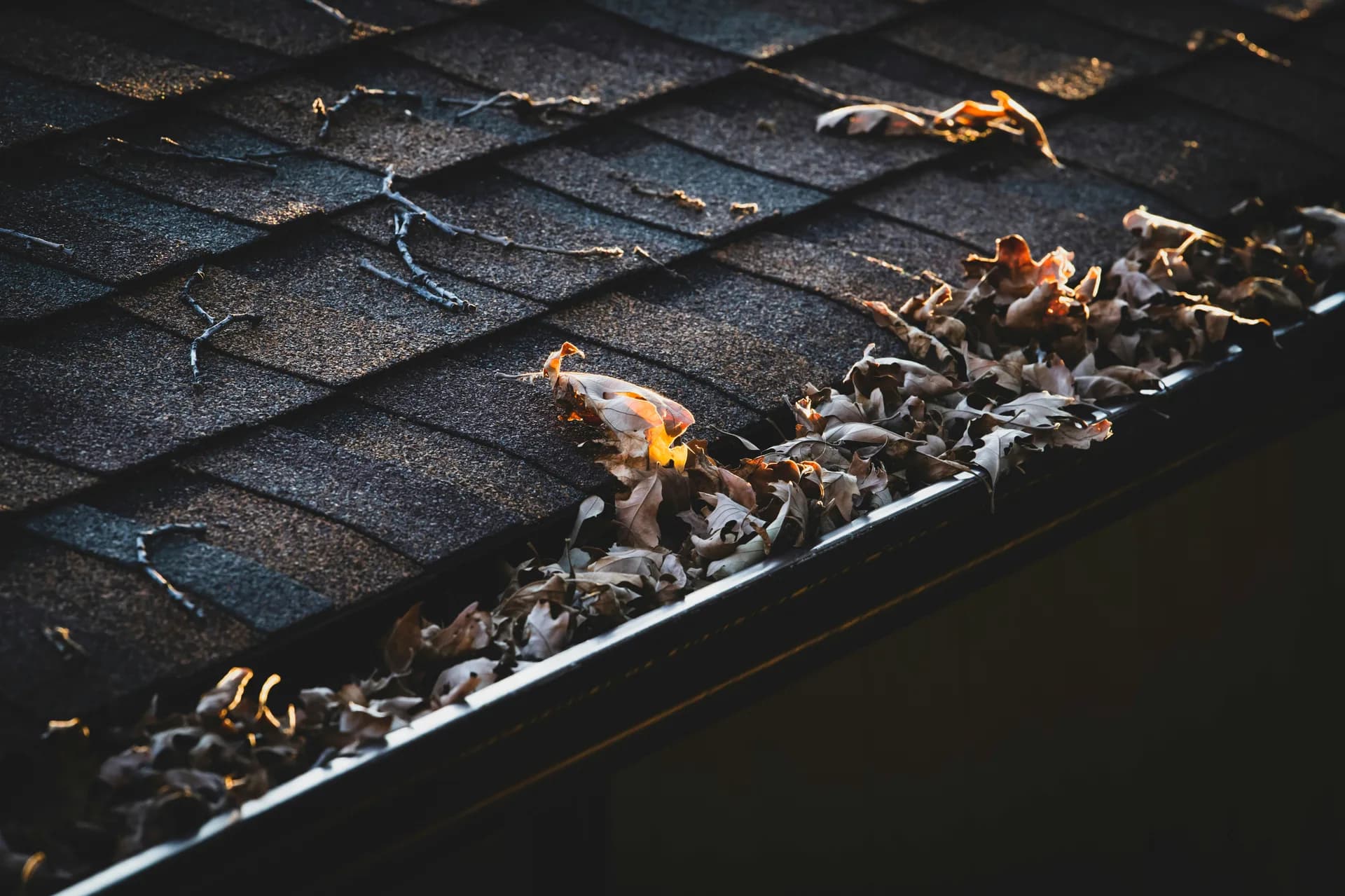
Granule loss shows up most clearly in gutters and downspouts after a storm. Fresh hail damage produces significant granule accumulation within 24 hours, distinct from the gradual shedding of aging shingles. Check corner shingles and ridge caps first — these elevated points take the hardest impacts and show damage earliest.
Wood shakes and metal roofing reveal different patterns. Wood shows splintering and fresh dents with exposed light-colored wood. Metal panels display circular dents visible from ground level in direct sunlight, most concentrated on south and west-facing slopes where storm cells typically track across the state.
When Should You Schedule an Inspection After a Wisconsin Hail Storm?
Schedule a professional roof inspection within 72 hours of any hail event producing stones 1 inch or larger. Wisconsin homeowners insurance policies typically allow 12 months from the date of loss to file claims, but damage documentation works best when fresh and before secondary weather exposure compounds the initial impact. Most roofing contractors in Milwaukee, Madison, and Green Bay metro areas can inspect within 5 to 10 business days during peak storm season.
Immediate inspection matters because Wisconsin's freeze-thaw cycles accelerate deterioration once the shingle mat is compromised. A June hail strike that bruises but doesn't crack shingles will often develop leaks by the following March when ice damming forces water under damaged sections. Early detection allows replacement before interior damage occurs.
Document the storm itself when possible. County-level hail reports from the National Weather Service provide claim support, especially when damage is subtle. Waukesha County averaged 4.2 hail events annually over the past decade, with the largest stones reaching golf ball size during severe thunderstorm complexes.
What Should a Professional Hail Damage Inspection Include?
A thorough hail damage inspection covers every roof plane, all flashing points, gutters, downspouts, and ridge vents from both ground-level observation and on-roof assessment. The inspector photographs each damaged area with reference markers, measures impact diameter and depth, counts strikes per 10-foot by 10-foot test square, and documents granule loss percentage. Inspections on typical Wisconsin ranch-style homes take 45 to 90 minutes.
Test squares determine damage density. Insurance adjusters often require minimum strike counts — typically 8 to 12 visible impacts per test square — before approving full replacement rather than partial repair. Inspectors mark test squares with chalk, photograph the marked area, and document findings in written reports that accompany claim submissions.
Flashing inspection is equally critical. Hail dents aluminum drip edge, ridge vents, and pipe boots, creating entry points for water even when shingles appear intact. Wisconsin's heavy snow loads in winter stress already-compromised flashing, turning minor storm damage into major leaks. Inspectors check every penetration point and every transition between roof planes.
How Do You Distinguish Hail Damage from Normal Wear on Wisconsin Roofs?
Hail damage appears suddenly across the entire roof plane with consistent impact patterns, while normal wear concentrates on south-facing slopes and shows gradual granule loss without circular bruising. A 15-year-old roof in Wisconsin typically shows uniform fading and some granule shedding in gutters, but hail damage creates distinct craters with sharp edges and exposed asphalt in random distribution matching storm wind direction. Storm damage from a single event shows uniform aging across all impacts.
Blistering from manufacturing defects or trapped moisture creates raised bubbles that eventually crack, distinct from the compressed dents hail produces. Wisconsin's temperature swings between winter lows near zero and summer highs in the 90s cause thermal cycling that can blister poor-quality shingles, but these defects appear as scattered raised areas, not the depressed circles characteristic of hail strikes.
Wind damage tears shingles along edges and at nail lines, often removing entire tabs or creating flapping sections. Hail bruises in place without tearing except in the most severe storms. Mixed damage is common — a July derecho might combine 70-mph straight-line winds with golf-ball hail, producing both missing shingles and impact craters on remaining ones.
What Information Do Wisconsin Contractors Need After Your Hail Inspection?
Licensed roofing contractors need your inspection report, insurance claim number if filed, photos of documented damage, roof age and material type, and measurements of all roof planes before providing accurate replacement estimates. Wisconsin replacement costs for asphalt shingle roofs range from $8,500 to $22,000 depending on square footage, pitch, and material selection, with typical suburban homes between 1,800 and 2,400 square feet averaging $12,000 to $16,000. Estimates based on available industry data; individual project costs vary by roof size, pitch, material, and regional labor rates.
Provide your insurance adjuster's contact information if a claim is active. Contractors coordinate directly with adjusters on scope, often attending supplemental inspections when initial estimates undervalue damage. Wisconsin contractors familiar with storm restoration understand the difference between ACV (actual cash value) and RCV (replacement cost value) payouts and can explain depreciation holdback timelines.
Permit requirements vary by municipality. Most Wisconsin cities require permits for full roof replacement, with fees ranging from $150 to $400 based on project value. Contractors handle permit applications, but you'll need to authorize the work and provide property owner documentation. Madison, Milwaukee, and Green Bay have online permit tracking systems that show approval status and inspection schedules.
Which Roofing Materials Handle Wisconsin Hail Best?
Impact-resistant shingles rated Class 4 under UL 2218 testing survive strikes from 2-inch steel balls dropped from 20 feet without cracking, offering the best hail protection for Wisconsin homes. Manufacturers including GAF, CertainTeed, and Malarkey produce Class 4 products with reinforced mats that cost $150 to $250 more per square than standard shingles but qualify for insurance discounts averaging 15% to 25% on dwelling premiums. A typical 2,000-square-foot Wisconsin roof requires 22 to 24 squares of material.
Metal roofing resists hail penetration but dents visibly, a cosmetic issue that doesn't compromise function. Standing seam metal costs $14,000 to $28,000 installed on typical Wisconsin homes, roughly double asphalt pricing, but carries 50-year lifespans compared to 25 to 30 years for premium asphalt. Metal performs well in Wisconsin's snow load conditions and sheds ice effectively.
Concrete and clay tiles offer superior hail resistance but require structural assessment before installation. Wisconsin homes built before 1980 often lack roof framing engineered for tile weight, necessitating reinforcement that adds $3,000 to $7,000 to project costs. Tile works best on new construction or recent builds with adequate truss spacing and load ratings.