What Does Hail Damage Actually Look Like on a Wyoming Roof?
Hail damage appears as circular divots on asphalt shingles where granules are knocked loose, exposing the black asphalt mat underneath. These bruises weaken the shingle's UV protection and accelerate aging, even when the shingle hasn't cracked through. On metal roofs, hail creates dents that compromise the protective coating and create water pooling points.
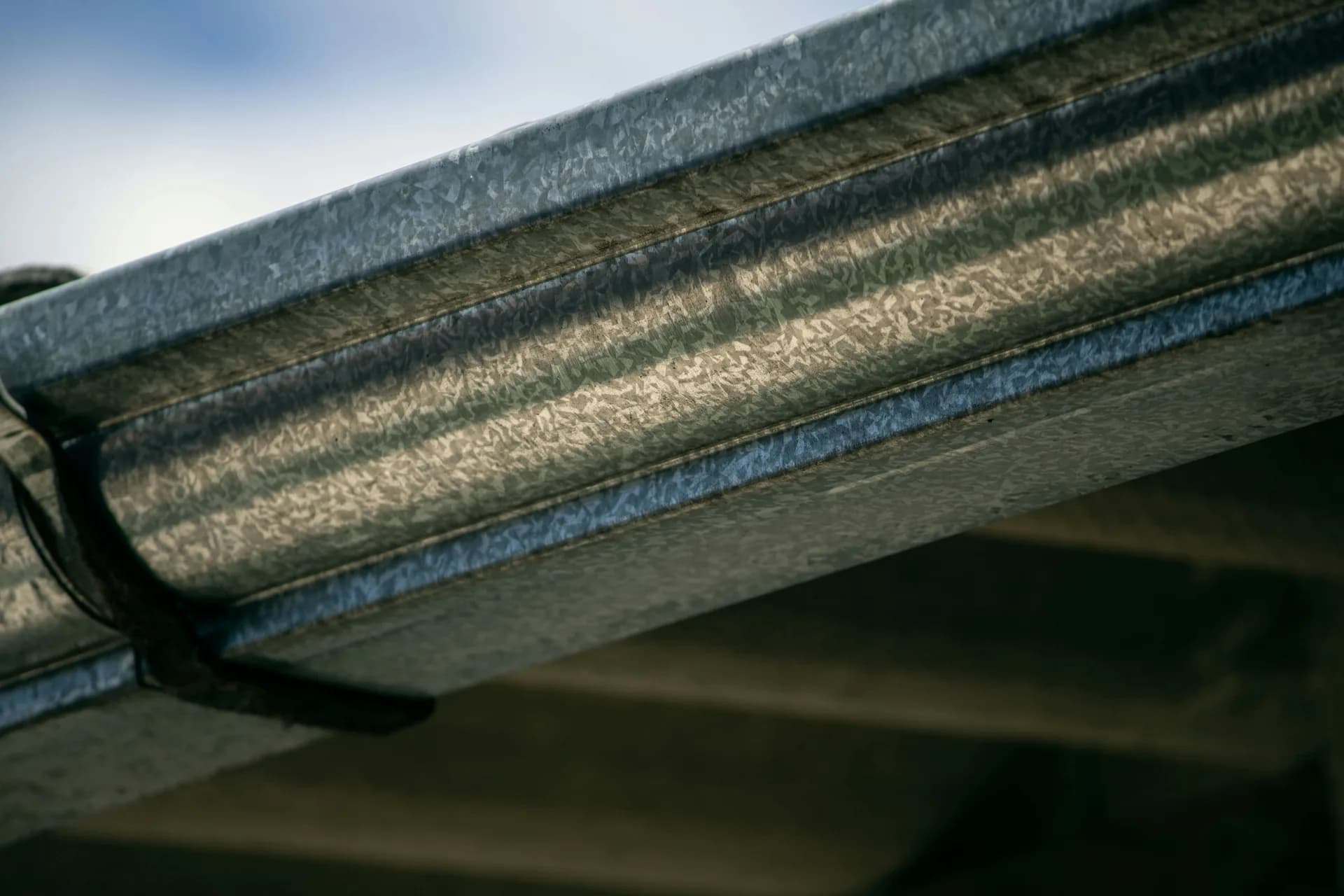
Granule loss shows up in gutters and downspouts after a storm as dark gritty sediment. Significant accumulation indicates the protective layer has been stripped from multiple shingles. Cracked or split shingles appear along edges or at nail lines where impact stress concentrates.
Flashing around chimneys, vents, and skylights often dents or separates from the roof deck during hail events. These gaps allow water penetration that leads to interior damage weeks or months after the storm. Wind-driven hail hitting at angles causes damage on vertical surfaces that ground-level inspections miss entirely.
Where Does Hail Hit Hardest in Wyoming?
Laramie, Cheyenne, and Casper experience the most frequent hail activity in Wyoming, with 12–18 days per year reporting hail. The I-25 corridor from the Colorado border through central Wyoming sees the largest hailstones, with stones exceeding 2 inches diameter reported multiple times each summer. Eastern plains counties including Goshen, Platte, and Niobrara record the highest insurance claim rates for hail damage.
Mountain communities face smaller hail but higher wind speeds that drive stones at steep angles, damaging north and west-facing slopes more severely. Sheridan and Gillette receive less frequent hail than southeastern Wyoming but experience intense localized storms that produce golf ball to baseball-sized stones. Southwestern Wyoming near Evanston and Rock Springs sees fewer hail days overall but concentrated activity during June and July monsoon patterns.
Roof pitch affects damage severity across all regions. Steeper roofs in the 6/12 to 9/12 range show less direct impact damage but more edge and flashing damage from deflected stones.
How Much Does a Professional Hail Damage Inspection Cost in Wyoming?
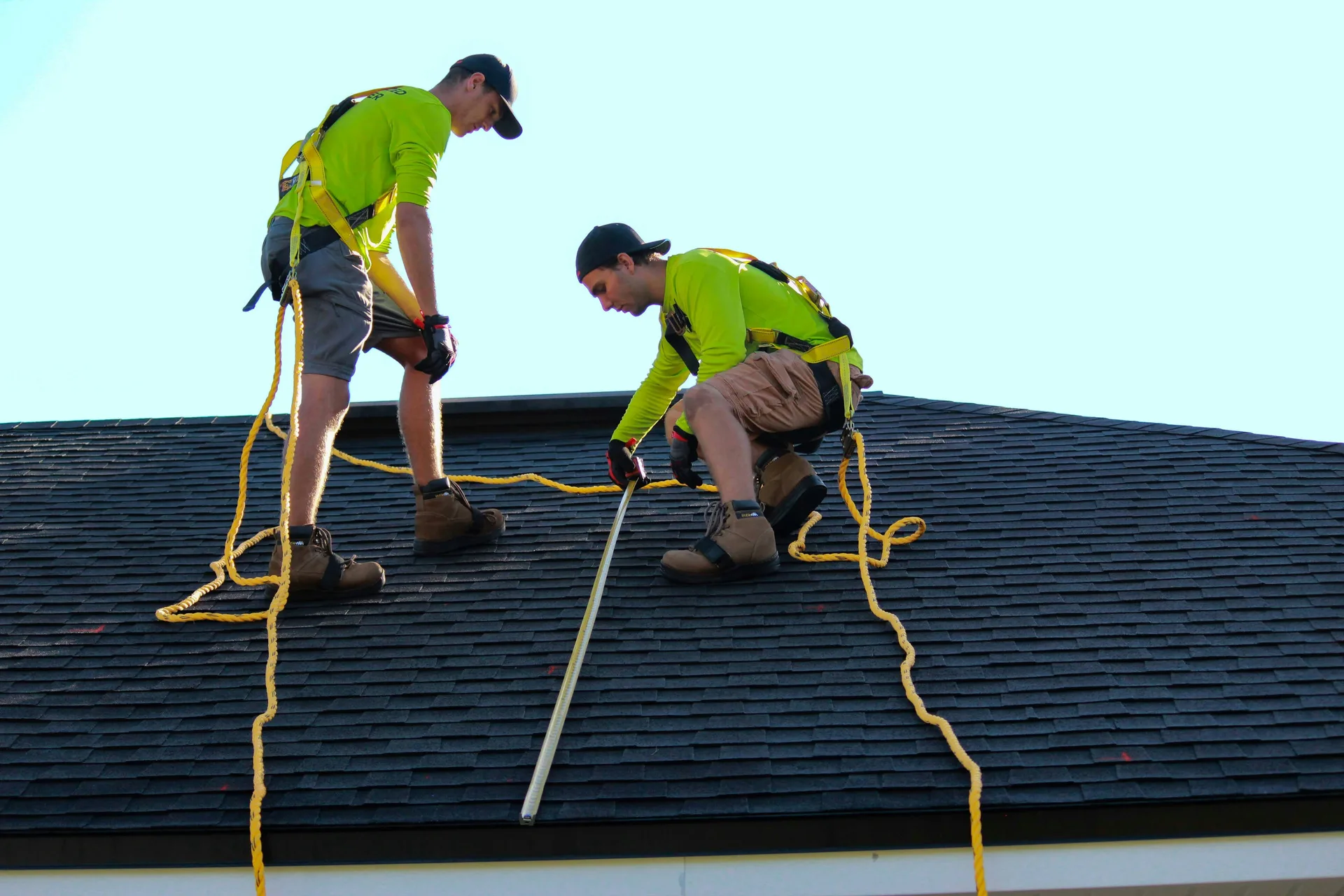
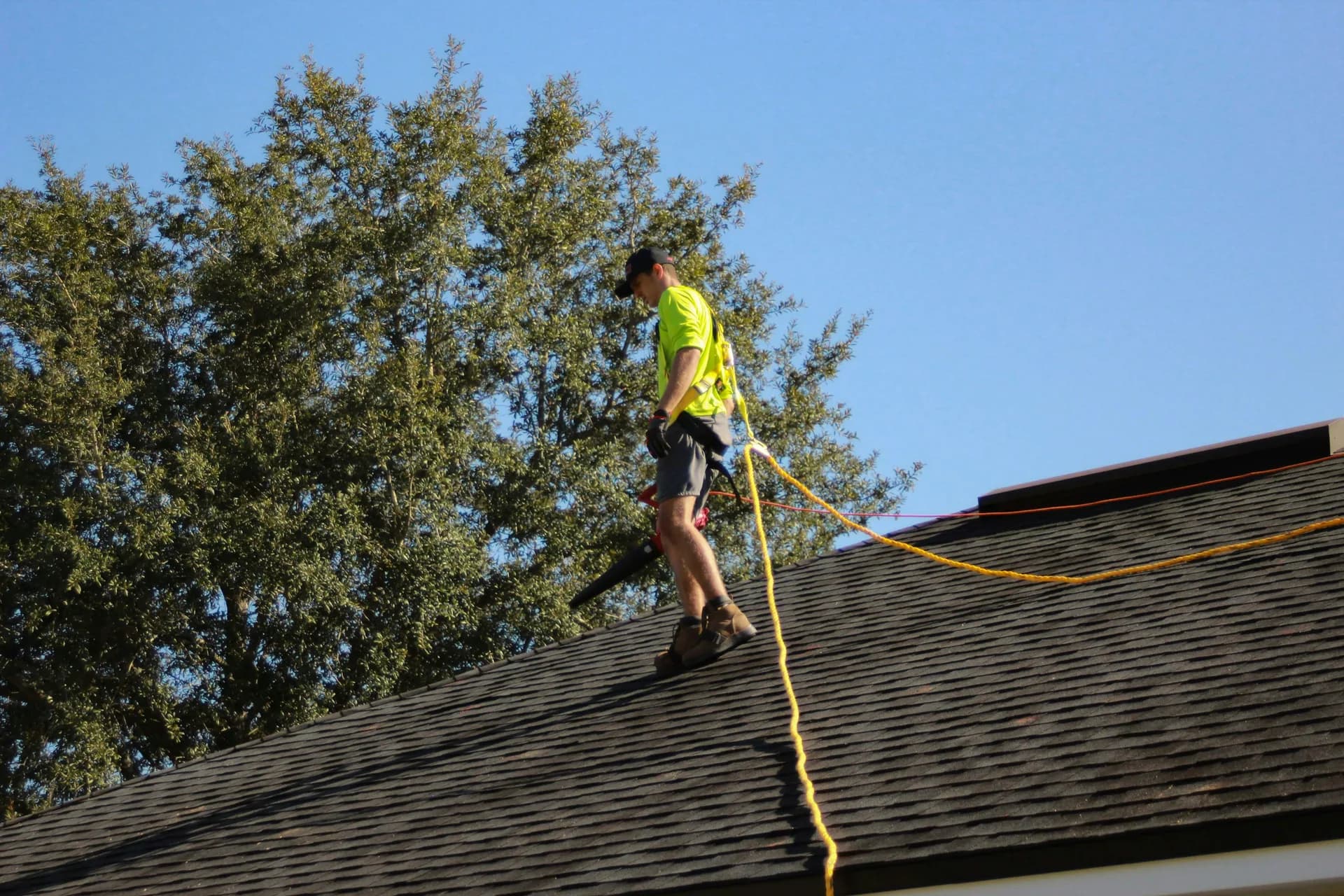
Professional roof inspections in Wyoming cost $200–$500 for residential properties, with most contractors charging $300–$350 for a standard single-family home. Inspections include roof surface assessment, attic inspection for underlayment damage, flashing and penetration checks, and a written report with photographic documentation. Many contractors waive the inspection fee if you contract with them for the replacement work.
Insurance claim inspections conducted by public adjusters or independent inspectors cost $400–$800 but provide detailed damage maps and loss estimates formatted for carrier submission. These inspections document every damaged shingle, measure hailstone impact zones, and calculate depreciation values. The added documentation helps dispute lowball claim offers.
Free inspections from storm chasers carry risk. Contractors offering no-cost inspections after major hail events sometimes inflate damage reports to secure insurance work or pressure homeowners into unnecessary replacements. Verify licensing with the local building department and check references before allowing roof access.
What Equipment Do Inspectors Use to Find Hidden Hail Damage?
Infrared cameras detect moisture intrusion beneath shingles where hail has cracked the underlayment without visible surface damage. Wet areas show as temperature variations that indicate active leaks or saturated decking. This technology identifies problems before interior staining appears.
Drone cameras photograph steep or multi-story roofs without requiring ladder access to every section. High-resolution images reveal granule loss patterns, shingle mat exposure, and edge damage across the entire roof plane. Inspectors review footage with homeowners to explain damage locations and severity.
Hail gauges measure divot depth and diameter on metal surfaces and soft composition shingles. Standardized measurement tools create documentation for insurance adjusters who require proof of impact size to approve claims. Chalk tests on suspected bruises reveal compression damage by showing where granules no longer bond to the asphalt mat.
When Should You Schedule an Inspection After a Wyoming Hail Storm?
Schedule inspections within 7–14 days after a confirmed hail event to document damage before additional weather obscures impact patterns. Wyoming's frequent wind storms can strip already-damaged shingles or deposit debris that makes attribution difficult. Early inspection preserves evidence for insurance claims.
Most Wyoming homeowners insurance policies require damage notification within 30–90 days of the loss event. Missing this window can void coverage or reduce settlement amounts. Document the storm date, hail size reported by local weather stations, and any visible damage immediately after the event.
Avoid inspections during active weather. Rain, snow, or ice on the roof surface makes walking dangerous and obscures granule loss patterns. Wait for dry conditions and temperatures above 40°F when shingles regain flexibility and inspectors can safely access steep pitches without causing additional damage.
What Questions Should You Ask Your Roof Inspector?
Ask whether the inspector carries general liability insurance and workers compensation coverage for their crew. Request proof of both before allowing roof access. Uninsured inspectors create homeowner liability if they fall or cause property damage during the assessment.
Confirm the inspector's experience with Wyoming hail damage specifically. Climate, shingle aging patterns, and typical storm severity vary regionally. An inspector familiar with Wyoming conditions recognizes damage patterns that out-of-state contractors miss or misidentify.
Request a written report with measurements, photographs, and a replacement cost estimate. Verbal assessments carry no weight with insurance carriers. Documentation should specify damage locations, shingle type and age, and whether damage meets replacement thresholds under your policy terms. Ask how many roofs the inspector has assessed in your county in the past 12 months to gauge local knowledge.