What Determines Roof Lifespan?
Installation quality determines roof lifespan as much as material choice. A premium architectural shingle installed incorrectly fails faster than a mid-grade shingle installed to manufacturer spec. Underlayment, flashing details, nail placement, and ventilation all affect how long the roof performs.
Climate accelerates aging in every roofing material. Hail impacts, UV exposure, freeze-thaw cycles, and wind uplift stress shingles, metal panels, and tile differently. A roof in a high-hail region like the Texas Panhandle or central Oklahoma ages faster than the same material in a mild climate.
Maintenance extends lifespan by 20 to 40 percent when homeowners address minor damage early. Replacing cracked flashing, clearing debris from valleys, and resealing penetrations prevent small issues from becoming total failures.
How Long Do Asphalt Shingle Roofs Last?
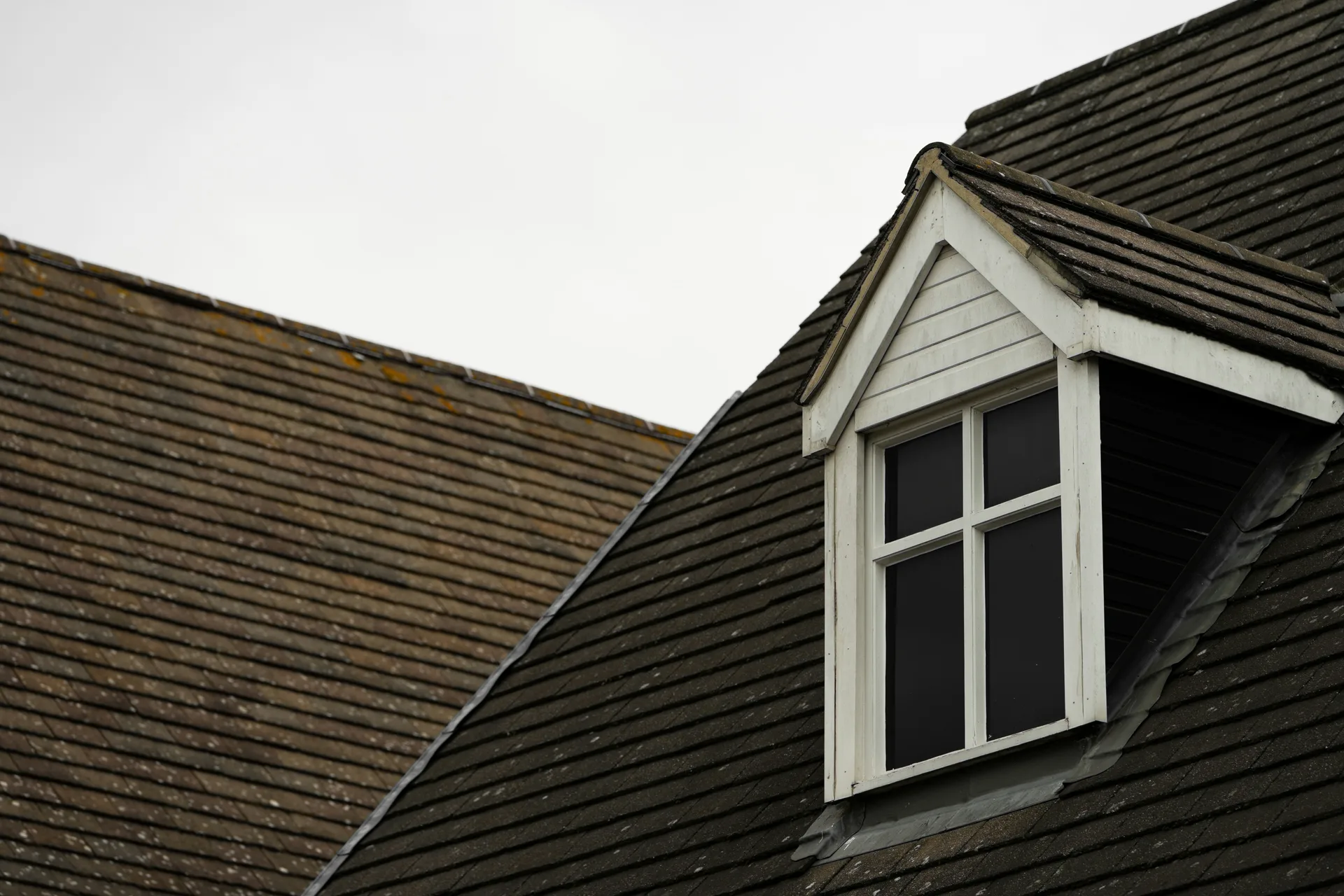
Three-tab asphalt shingles last 15 to 20 years in most climates. Architectural shingles last 20 to 30 years, and impact-resistant shingles rated Class 4 last 25 to 30 years with proper installation. Manufacturer warranties reflect these ranges but actual lifespan depends on storm exposure and attic ventilation.
Hail shortens asphalt shingle lifespan significantly. A single severe hail event with stones over 1.5 inches creates granule loss and mat damage that accelerates aging even if the roof doesn't leak immediately. Roofs in hail-prone corridors across Texas, Oklahoma, Kansas, and Colorado often need replacement at 12 to 18 years instead of the rated 25 to 30.
Heat and UV exposure degrade asphalt shingles faster in southern climates. Roofs in Florida, Arizona, and southern Texas age 15 to 25 percent faster than identical roofs in northern states because thermal cycling and UV radiation break down asphalt binders and granule adhesion.
How Long Do Metal Roofs Last?
Standing seam metal roofs last 40 to 70 years depending on gauge and coating. Galvalume-coated steel with a 26-gauge or heavier profile outlasts lighter-gauge materials. Aluminum roofs in coastal environments resist corrosion better than steel and routinely exceed 50 years.
Metal roofs handle hail impact better than asphalt shingles but still dent. Cosmetic denting from hail doesn't compromise waterproofing on standing seam systems, so metal roofs often remain functional long after visible damage. Panels with Kynar or PVDF coatings resist fading and chalking better than standard polyester finishes.
Fastener integrity determines metal roof lifespan as much as panel quality. Exposed fastener systems require screw replacement every 15 to 20 years as rubber washers degrade. Standing seam systems with concealed clips avoid this issue and last longer with less maintenance.
How Long Do Tile and Slate Roofs Last?
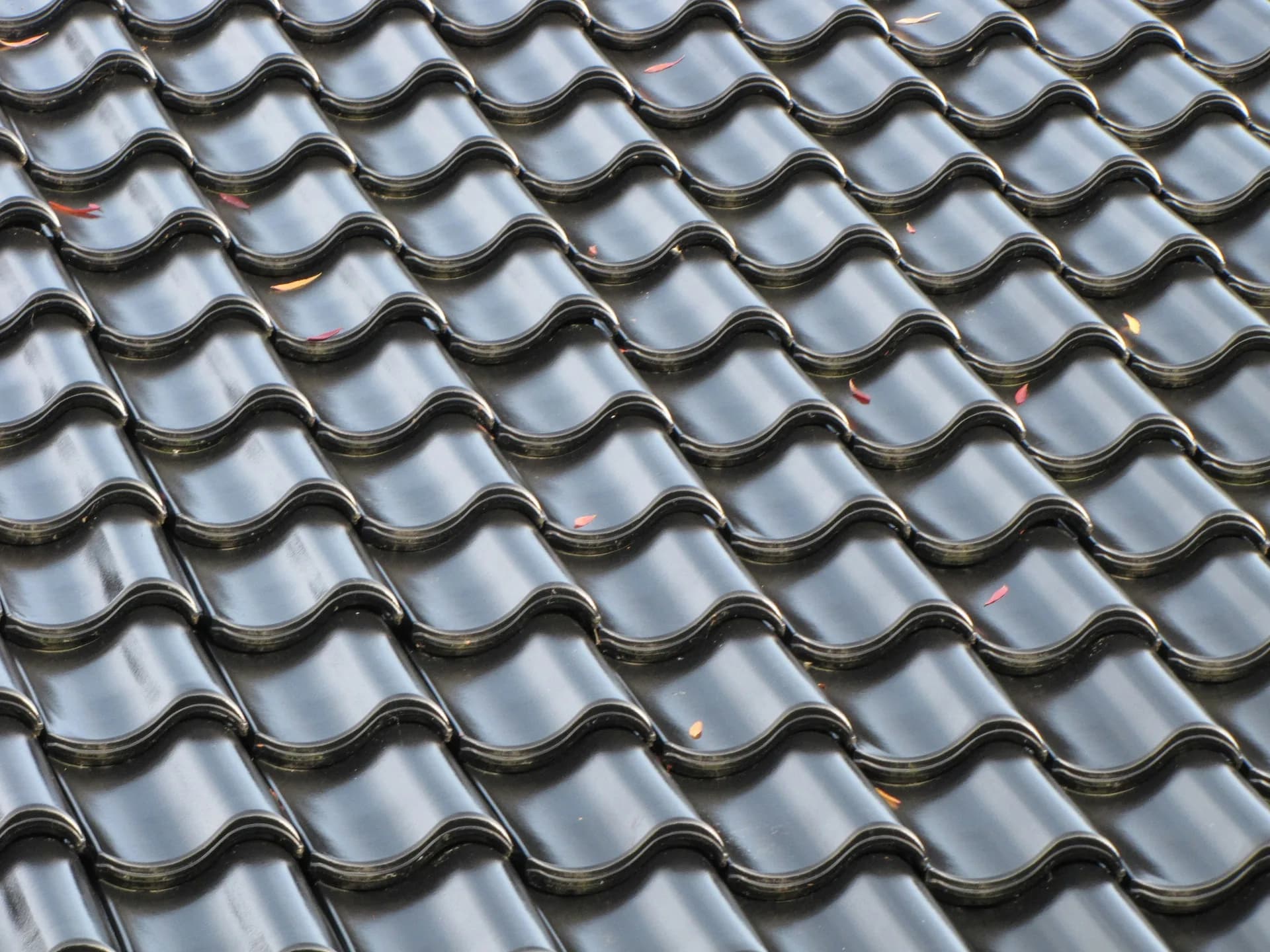
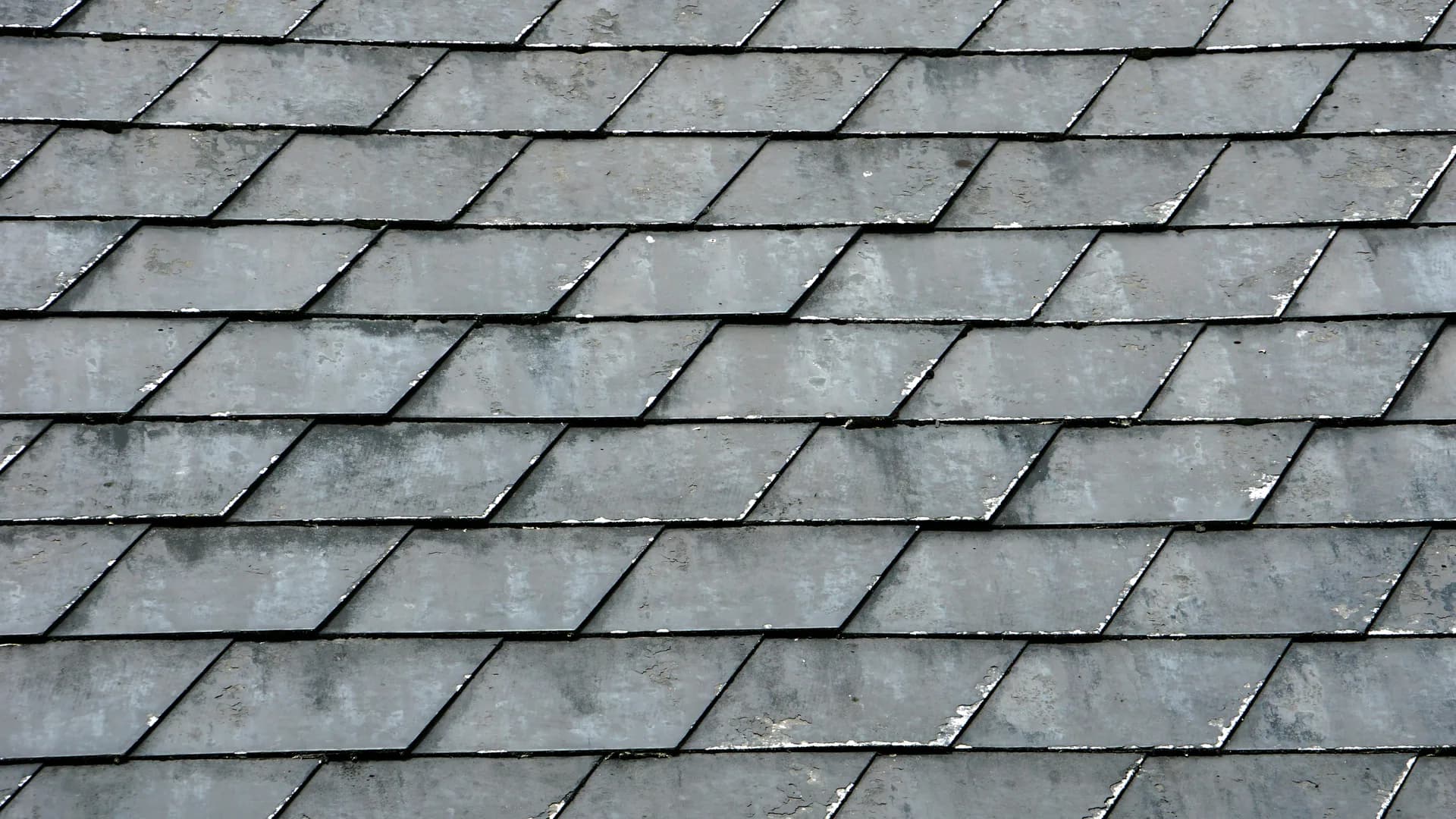
Concrete tile roofs last 50 years, clay tile roofs last 75 to 100 years, and natural slate roofs exceed 100 years when installed correctly. Tile and slate outlast all other residential roofing materials but require structural support capable of handling 800 to 1,500 pounds per square.
Tile roofs fail from underlayment degradation, not tile damage. The waterproofing layer beneath the tile lasts 20 to 30 years, so tile roofs need underlayment replacement mid-life even when tiles remain intact. Contractors lift and relay tiles during underlayment replacement, adding labor cost.
Storm damage to tile roofs usually involves individual tile cracking rather than system failure. Hail larger than 2 inches cracks concrete and clay tiles, but replacements match existing profiles and colors if the tile line remains in production. Slate resists hail impact better than tile but splits along grain lines during severe wind events.
Does Storm History Affect Replacement Timing?
Storm damage accelerates replacement even when the roof hasn't reached rated lifespan. A 12-year-old asphalt shingle roof with widespread hail bruising fails earlier than the same roof without impact damage. Granule loss from hail exposes the mat to UV radiation and accelerates degradation.
Multiple storm events compound damage faster than single impacts. A roof hit by hail three times over ten years loses structural integrity and waterproofing capacity sooner than a roof with one severe event. Insurance adjusters assess cumulative damage when determining replacement eligibility.
Post-storm inspections identify hidden damage that shortens remaining lifespan. Hairline cracks in shingles, loosened flashing, and damaged underlayment aren't always visible from the ground but reduce the roof's ability to handle the next weather event. Homeowners in tornado alleys, hurricane zones, and hail corridors should inspect after every named storm or severe hail report.
When Should You Replace Instead of Repair?
Replace when damage affects more than 30 percent of the roof surface. Isolated shingle replacement works for minor wind damage, but widespread hail bruising or granule loss across multiple elevations means the entire roof is compromised. Patching delays the inevitable and often costs more than planned replacement.
Age combined with damage justifies replacement over repair. A 15-year-old asphalt shingle roof with recent hail damage won't last another 10 years even with repairs. Replacement at this stage allows material upgrades to impact-resistant shingles that handle future storms better.
Multiple leaks indicate system failure, not isolated damage. When leaks appear in valleys, around penetrations, and along eaves simultaneously, the underlayment and flashing have degraded beyond effective repair. Full tear-off and replacement address the root cause instead of chasing leak points.